
Gender-Responsive Student Data
Sex-disaggregated data (SDD) shows the number of male and female students in a school or program, helping us understand patterns in education through a gender perspective. By looking at information like enrollment, performance, participation, and access to resources for each sex, SDD helps identify areas where support or improvements are needed. These data support fair decision-making and allow schools to create programs and policies that promote equality, making the learning environment more inclusive, balanced, and transparent for all students.
EVSU Main Campus’ Students SDD for First Semester FY 2025-2026

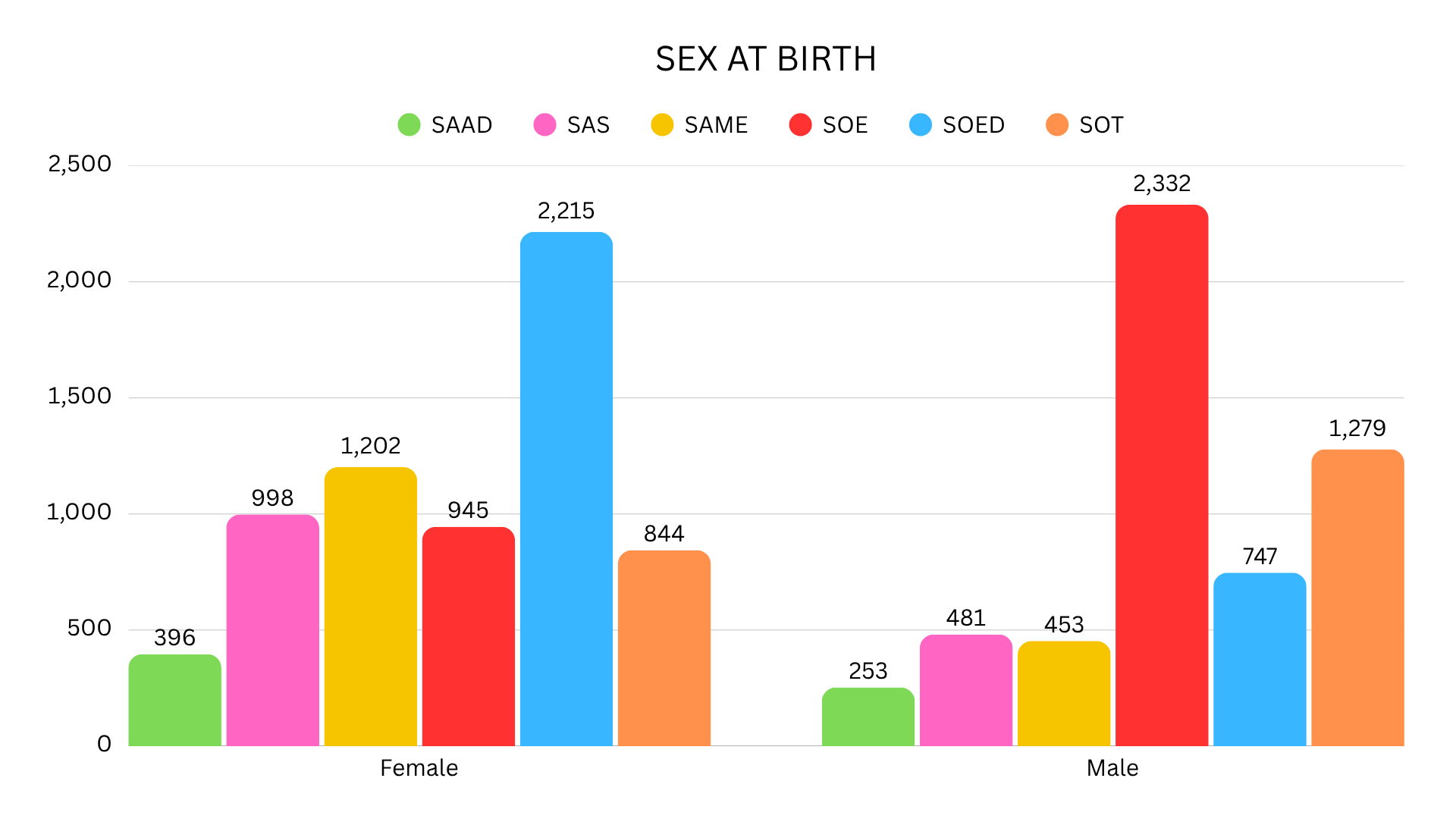
The sex-disaggregated enrollment data of EVSU Main Campus for the 1st Semester of AY 2025–2026 shows a total student population of 12,145, with 6,600 females (54.35%) and 5,545 males (45.65%). This indicates a moderate female majority in the overall student population. At the college level, enrollment patterns reveal gender clustering: Female-dominated colleges include: School of Education (SOED) with a very high female participation School of Accountancy, Management and Entrepreneurship (SAME) School of Arts and Sciences (SAS) Male-dominated colleges include: School of Engineering (SOE) School of Technology (SOT) School of Architecture and Allied Design (SAAD) shows relatively lower enrollment for both sexes, though still with slightly more females than males. These patterns suggest the persistence of traditional gender role expectations influencing academic program choice, where women are more represented in education, business, and social science-related fields, while men dominate engineering and technology programs. Despite the overall numerical balance favoring females, gender equality in access does not automatically translate to gender equality in outcomes. The data highlights the following gender issues: horizontal gender segregation, potential barriers and gender norms and unequal opportunities beyond enrollment.
Students’ Statistics by Gender Preference across Schools in the Main Campus
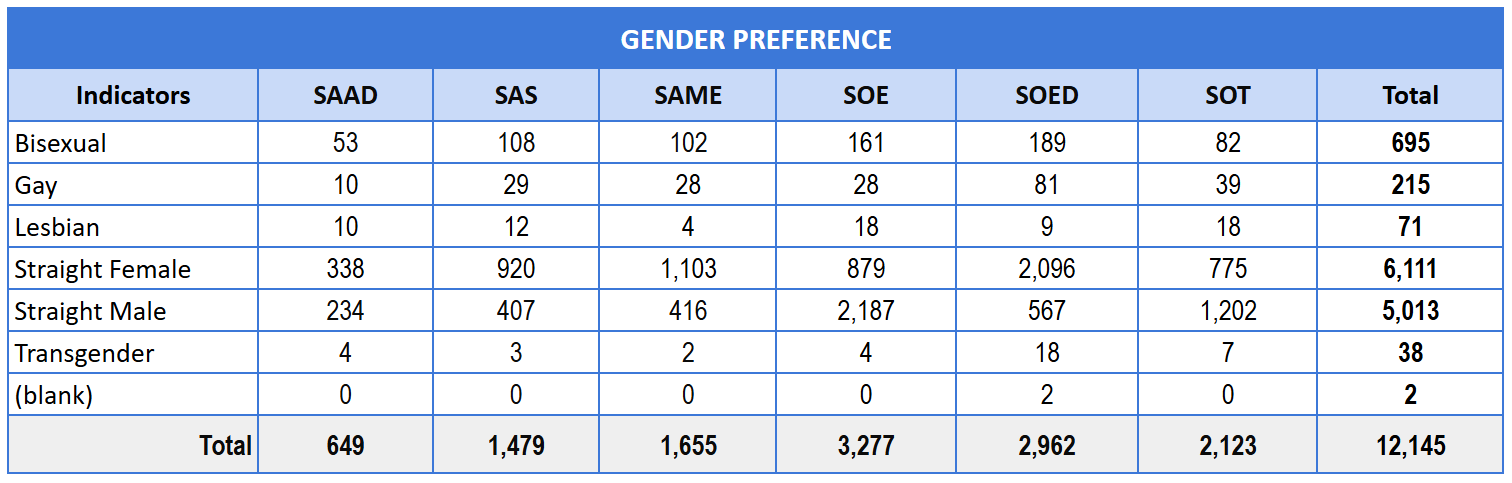
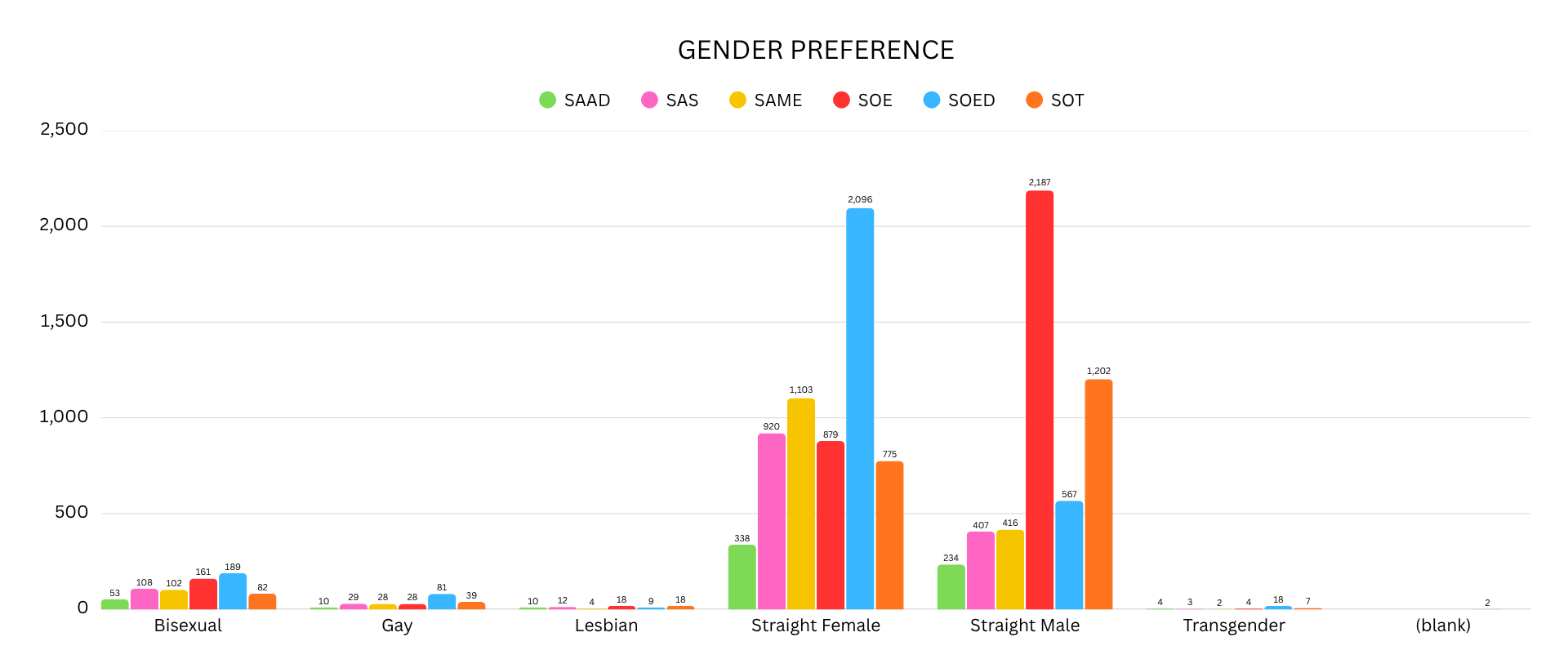
The data on students’ gender preference reflects a diverse campus population, with the majority identifying as straight female (6,111) and straight male (5,013). At the same time, a notable number of students identify as bisexual (695), gay (215), lesbian (71), and transgender (38). While these figures represent a smaller proportion of the total student population, they nonetheless highlight the presence of a significant community of students with diverse sexual orientations and gender identities whose rights and welfare must be recognized and protected within the university.
The distribution of gender preference across schools shows both dominant trends and notable variations. In all colleges, straight female and straight male students comprise the majority, with SOED having the highest number of straight females, while SOE records the highest number of straight males. This reflects traditional gender patterns in enrollment, particularly in programs that may be historically associated with certain gender groups.
At the same time, non-heterosexual identities are visibly present across all schools. Bisexual students form the largest group among LGBTQ+ categories in every School with particularly higher counts in SOED, SOE, and SAS, suggesting either greater openness or stronger reporting mechanisms in these units. Gay and lesbian students are also distributed across all schools, with SOED and SOT showing relatively higher numbers, indicating pockets of more visible gender diversity.
Transgender representation, although small, appears across multiple colleges, with SOED again having the highest count. This pattern may reflect a relatively more inclusive or supportive environment in that school. Meanwhile, lower counts in other colleges may not necessarily indicate absence but could suggest underreporting or less conducive environments for disclosure.
In the context of Republic Act No. 9710, or the Magna Carta of Women, this diversity calls for a broader understanding of gender beyond traditional binary classifications. RA 9710 upholds the rights of all individuals particularly those who may experience multiple and intersecting forms of discrimination—to equal access to education, protection from gender-based violence, and participation in institutional life. Although the law primarily centers on women, its Gender and Development (GAD) framework promotes inclusivity and sensitivity to all gender identities, especially those who may be marginalized, including members of the LGBTQ+ community.
The distribution across schools further suggests that some academic units, such as SOE and SOED, report higher numbers of students identifying as bisexual and gay. This may indicate relatively more open or inclusive environments in these units, or better systems for self-reporting. Conversely, lower figures in other colleges may not necessarily reflect absence but could point to underreporting due to stigma, fear of discrimination, or lack of safe spaces for disclosure. The relatively small number of students identifying as transgender also underscores the need for stronger institutional support systems, as this group often faces heightened vulnerability in educational settings.
From a policy standpoint, these findings emphasize the university’s responsibility to align with RA 9710 and related directives by fostering a gender-responsive and inclusive environment. This includes integrating gender sensitivity and LGBTQ+ awareness into curricula, ensuring non-discriminatory admission and retention policies, and providing safe, accessible support services such as counseling and gender-inclusive facilities. The data also supports the need for strengthened GAD programs that go beyond compliance and actively promote respect for diversity and human rights.
The implications for the university are clear: gender diversity must be acknowledged not only as a demographic reality but as a core consideration in policy-making, program development, and student services. Creating an inclusive academic environment enhances student well-being, encourages participation, and contributes to a culture of respect and equality. Ultimately, the data serves as a guide for the university to deepen its commitment to inclusivity, in line with national mandates and its role as an institution of higher learning.
Students Enrolment by Disability (PWD) in the Main Campus
First Semester 2025-2026
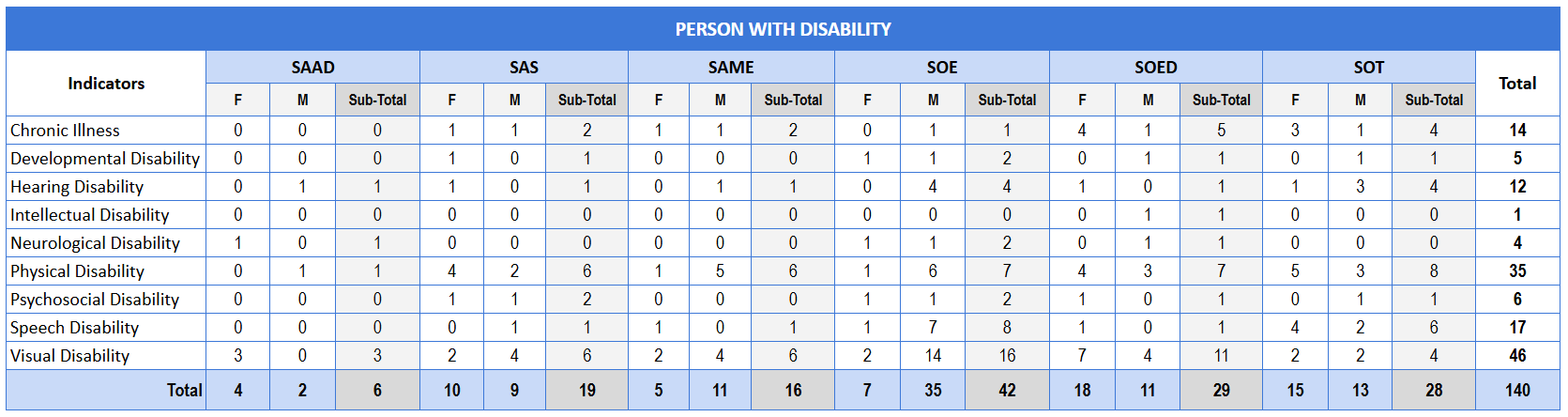
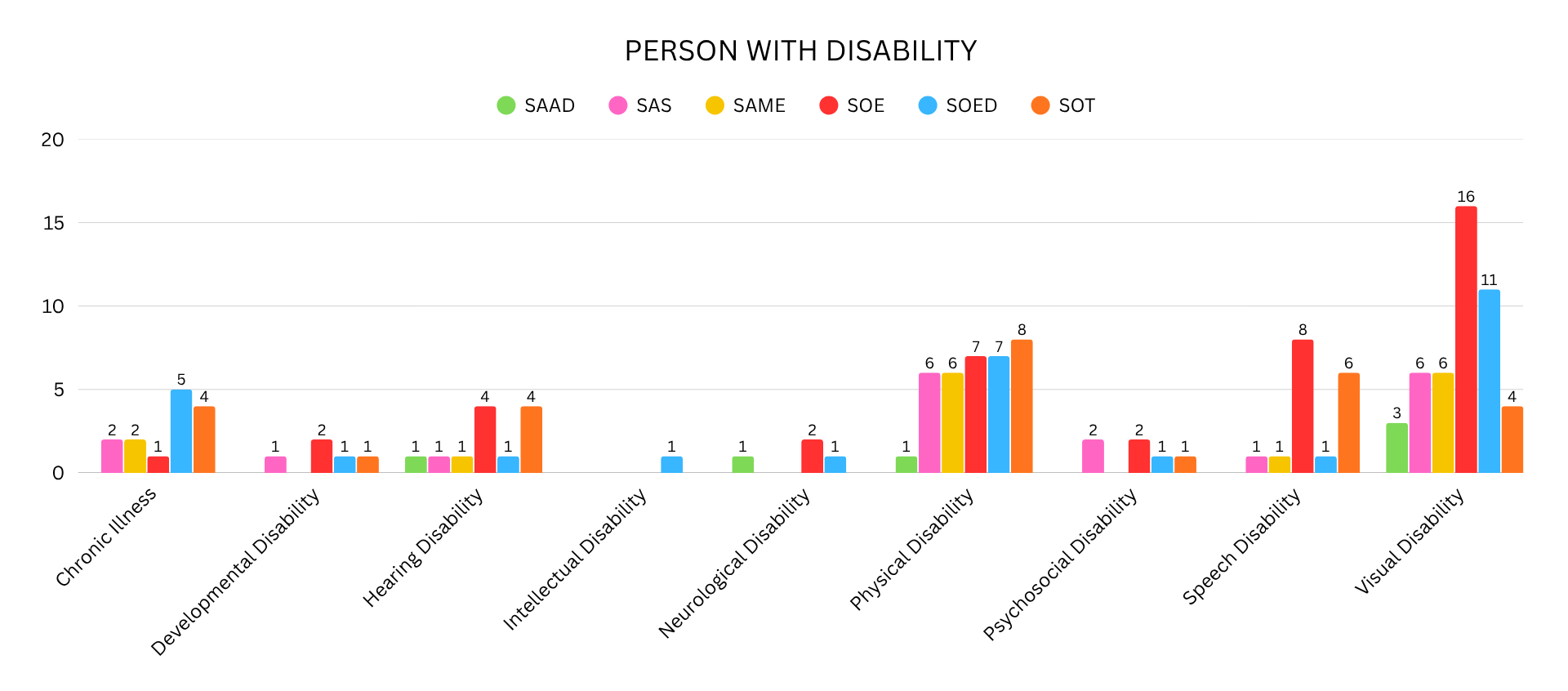
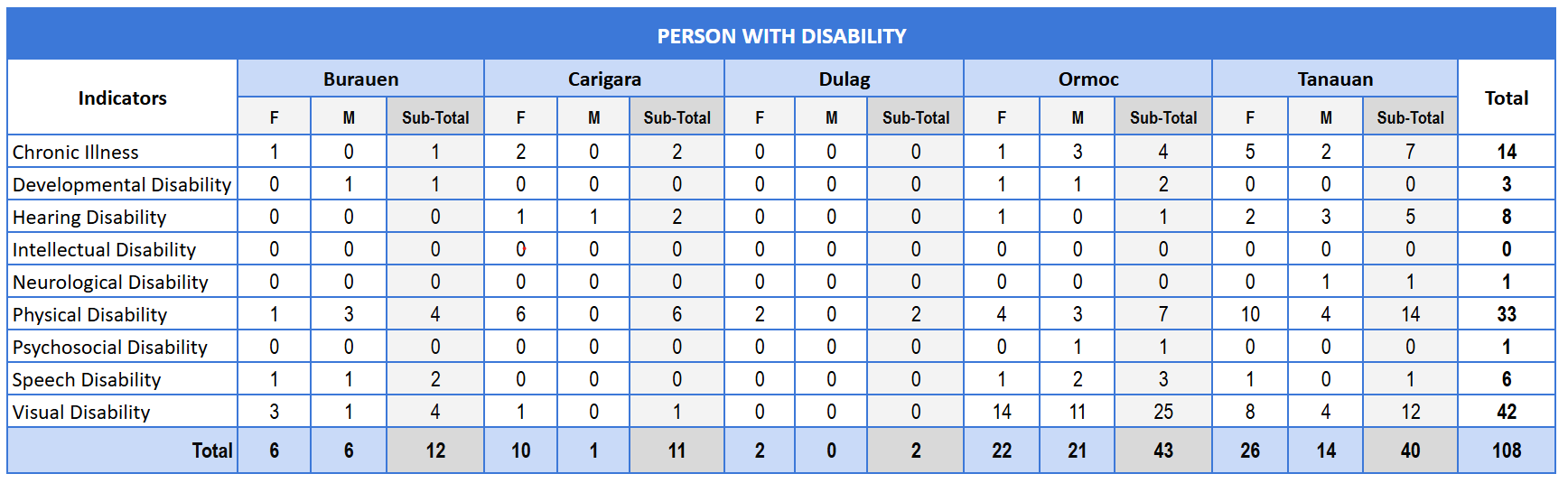
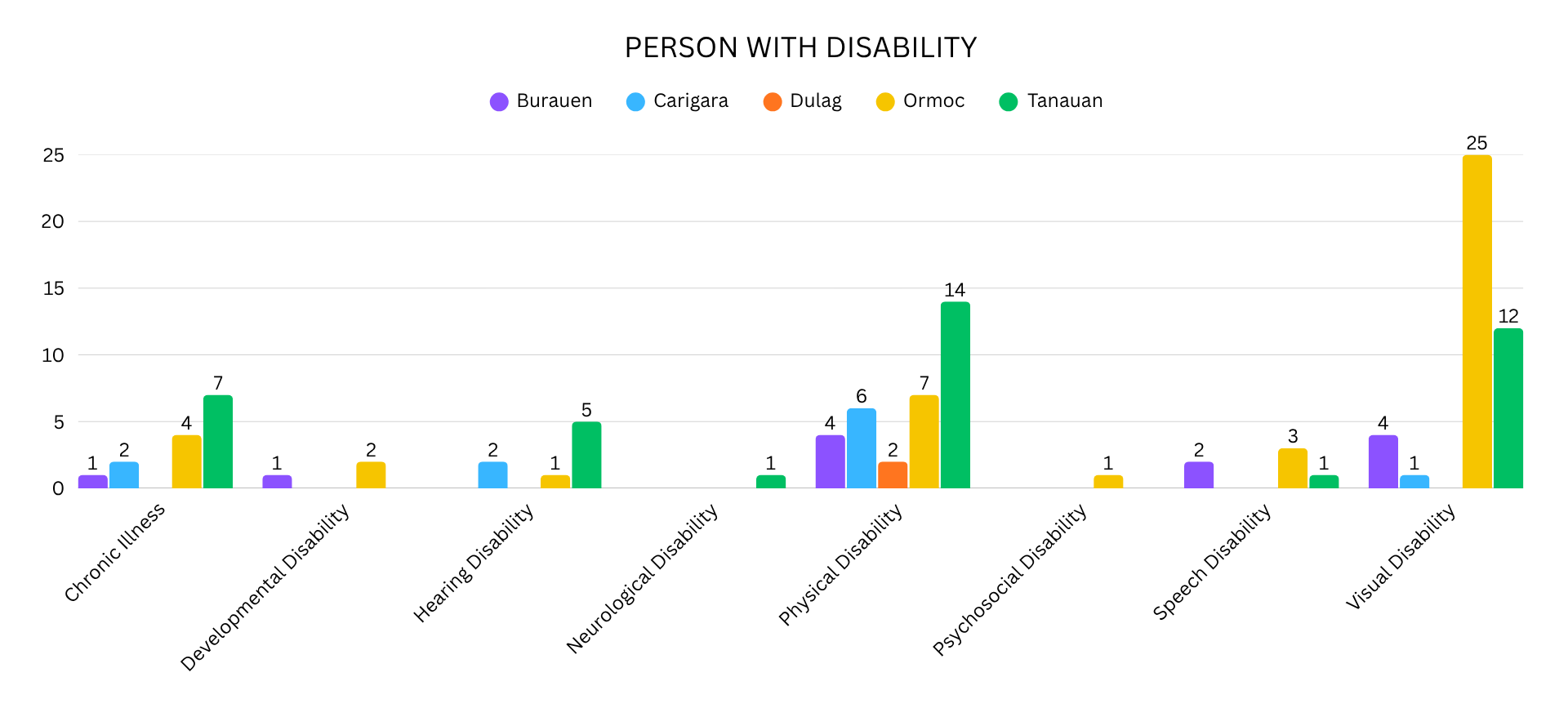
The presented data on Students Statistics by Disability (PWD) provides important insights into the distribution of learners with disabilities across different academic programs (SAAD, SAS, SAME, SOE, SOED, and SOT). Out of a total student population of 12,145, only a small proportion are identified as persons with disabilities, with the majority (12,005 or about 98.8%) classified under “None.” This immediately highlights a key issue: low reported prevalence or possible under-identification of PWD students, which has implications for inclusive education policies and compliance.
A closer examination of the dataset reveals clear patterns in the distribution of students with disabilities across categories, gender, and academic programs. Among the reported cases, visual disability emerges as the most common, with 46 students, followed by physical disability with 35, and speech disability with 17. These figures suggest that conditions that are more visible or more readily diagnosed tend to be more frequently identified and reported within the institution. In contrast, intellectual disability, developmental disability, and neurological disability register very low counts—1, 5, and 4 respectively—indicating possible underrepresentation. This may reflect challenges in diagnosis, limited disclosure, or gaps in institutional mechanisms for identifying less visible or more complex disabilities.
Gender patterns further highlight disparities in the data. In several categories, particularly visual and speech disabilities, there is a higher representation of male students. Meanwhile, physical disability in certain colleges shows a more balanced distribution or even a slight female predominance. These variations suggest that gender may influence not only the prevalence of certain conditions but also the likelihood of reporting or accessing support services. Such differences underscore the importance of adopting a gender-sensitive lens in analyzing and addressing the needs of students with disabilities. The data also points to a concentration of PWD students in specific academic units, notably in SOE and SOED, which report relatively higher counts compared to other colleges. This pattern may indicate that these units have more inclusive admission practices, better support systems, or more effective data capture processes. Conversely, lower numbers in other colleges may not necessarily mean fewer PWD students, but could reflect gaps in accessibility, awareness, or reporting mechanisms. Overall, these patterns highlight the need for a more consistent and inclusive institutional approach to identifying, supporting, and empowering students with disabilities across all programs.
Complementary policies such as RA 7277 (Magna Carta for Persons with Disabilities) reinforce the obligation of educational institutions to provide reasonable accommodation, accessible facilities, and equal opportunities in academic participation. The low number of reported cases, particularly in certain disability categories, points to potential gaps in early identification, support services, and inclusive learning environments. It also raises concerns about whether students with less visible or more complex disabilities are being adequately reached and supported.
Overall, the statistics highlight the need for stronger institutional mechanisms in data gathering, inclusive education practices, and compliance monitoring. Schools must move beyond mere access and work toward meaningful participation by investing in assistive technologies, faculty training, and gender- and disability-sensitive programs under the Gender and Development framework. In doing so, the institution not only complies with national mandates but also advances a more equitable and inclusive educational environment for all learners.
Horizontal Gender Segregation
Academic disciplines remain gender-typed and that females are underrepresented in STEM-related fields (Engineering and Technology). Males are underrepresented in Education and some Arts and Social Sciences programs.
Potential Barriers and Gender Norms
Societal expectations, lack of gender-responsive career guidance, limited role models, and perceived workplace cultures may discourage cross-gender enrollment. Male students may face stigma in traditionally female-dominated programs, while female students may encounter structural or cultural barriers in male-dominated fields.
Unequal Opportunities Beyond Enrollment
Without targeted interventions, these enrollment patterns may later translate into gender gaps in leadership, employment opportunities, and income, particularly in high-earning STEM sectors.
Pursuant to RA 9710 (Magna Carta of Women) RA 9710 mandates the State and its instrumentalities, including State Universities and Colleges (SUCs), to: Ensure substantive equality, not just numerical parity, eliminate discrimination in education, training, and career development, mainstream gender perspectives in all policies, programs, and projects.
The observed gender clustering indicates the need for affirmative and corrective measures, consistent with RA 9710, to address structural and cultural barriers influencing students’ academic choices. The university must go beyond reporting sex-disaggregated data and use it as a basis for gender-responsive planning, budgeting, and programming. Failure to address persistent gender segregation may perpetuate inequality in future employment and leadership opportunities.
The data should inform the University GAD Plan and Budget (GPB), particularly in designing interventions to encourage gender balance across academic programs. Schools with pronounced gender imbalance should be prioritized for targeted GAD programs. The university should strengthen gender-responsive career guidance, mentoring, and scholarship programs, especially for: Women in STEM fields Men in education and care-related disciplines. There has to be a continuous monitoring of enrollment, retention, completion, and post-graduation outcomes must be conducted to comply with CHED’s GAD monitoring and evaluation requirements. Results should be reported in annual GAD Accomplishment Reports and used to refine institutional strategies.
The sex-disaggregated enrollment data of EVSU Main Campus reflects progress in women’s access to higher education, consistent with national gender equality goals. However, the persistence of gender-segregated academic fields underscores the need for intentional, gender-responsive interventions. In line with RA 9710 and CHED CMO No. 01, s. 2015, the university is duty-bound to transform these findings into concrete actions that promote substantive gender equality, challenge stereotypes, and ensure that all students regardless of sex, have equal opportunities to access, thrive, and lead across all academic disciplines.
In a capsule, the sex-disaggregated enrollment data for 1st Semester FY 2025–2026 show that female students outnumber male students in both the EVSU Main Campus and External Campuses, with females comprising 59.74% of the external campus population and 54.31% of the main campus population.

While females dominate overall enrollment, variations across campuses and colleges indicate persistent gender clustering in certain academic units. In line with RA 9710, the data reflect improved access of women to higher education, fulfilling the State’s obligation to eliminate gender-based discrimination in education. However, the uneven distribution of male and female students across campuses and colleges suggests the continued influence of gender stereotypes in academic program choices. Consistent with CHED CMO No. 1, s. 2015, the availability of sex-disaggregated data enables the SUC to identify gender gaps and mainstream Gender and Development (GAD) in planning, budgeting, and program implementation. The data highlight the need for targeted GAD interventions rather than assuming gender parity solely based on overall enrollment figures. Similarly, the University is encouraged to strengthen gender-responsive policies and programs, particularly career guidance, recruitment, and retention strategies, to address gender imbalances across colleges and campuses. In compliance with RA 9710 and CMO 1, s. 2015, the findings should inform the SUC’s GAD Plan and Budget, support evidence-based decision-making, and promote inclusive, non-stereotypical participation of all genders in academic programs, leadership development, and student services. Further, it is suggested that school caravans (outreach visits, mobile exhibitions, or traveling awareness programs) play an important role in promoting male-dominated programs like Engineering, especially when the goal is to broaden participation and correct long-standing gender imbalances. By raising awareness, challenging stereotypes, providing role models, and ensuring access to information, they help create a more inclusive pipeline of future engineers and contribute to sustainable social and economic development.
External Campuses’ Students SDD for First Semester FY 2025-2026

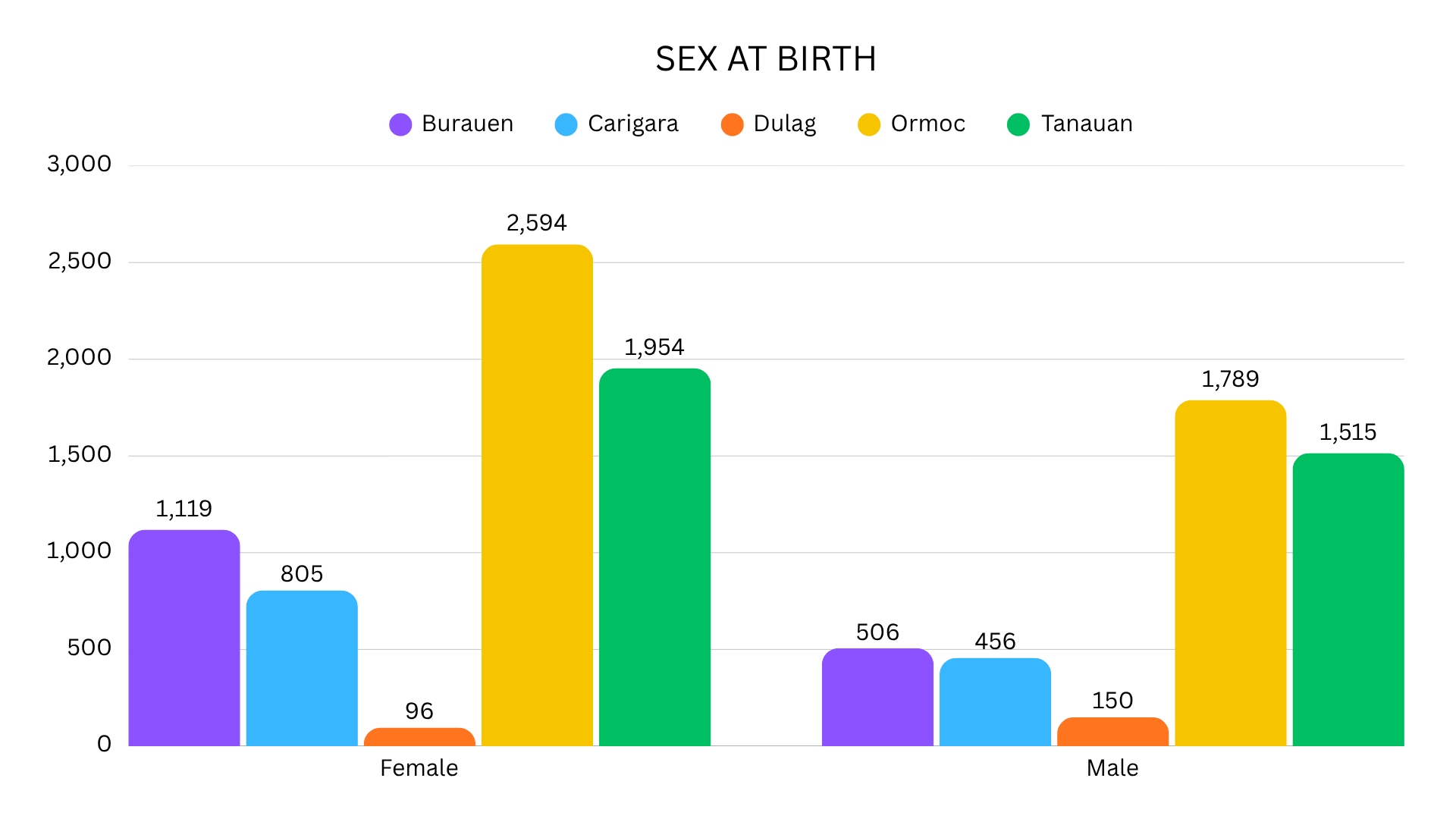
In the context of the External Campus, the enrollment data reveals a compelling narrative that shifts away from traditional historical imbalances toward a modern phenomenon known as the reverse gap. We observe a trend where female students now comprise the majority of the student body, typically representing 55% to 60% of the total population. While this serves as a testament to the university’s success in promoting female access to higher education as mandated by RA 9710, it simultaneously highlights an emerging “boy crisis.” This suggests that young men in the region may be facing unique hurdles, such as heightened economic pressure to enter the workforce prematurely or a lack of institutional engagement, leading to higher dropout rates or lower enrollment.
Furthermore, the data tells a story of niche clustering where academic choices remain deeply rooted in traditional gender roles despite modernization efforts. The campuses continues to see a “pink-collar” concentration in programs like Education, Arts and Sciences, and Accountancy, where female students predominate. In contrast, male students remain clustered in “technical-heroic” tracks such as Engineering and Technology. Pursuant to CMO 1, S. 2015, this narrative suggests that while the university is open to all, cultural stereotypes still heavily influence the career trajectories of our students. This necessitates a more proactive approach in career guidance to break these invisible barriers and encourage a more diverse distribution across all disciplines.
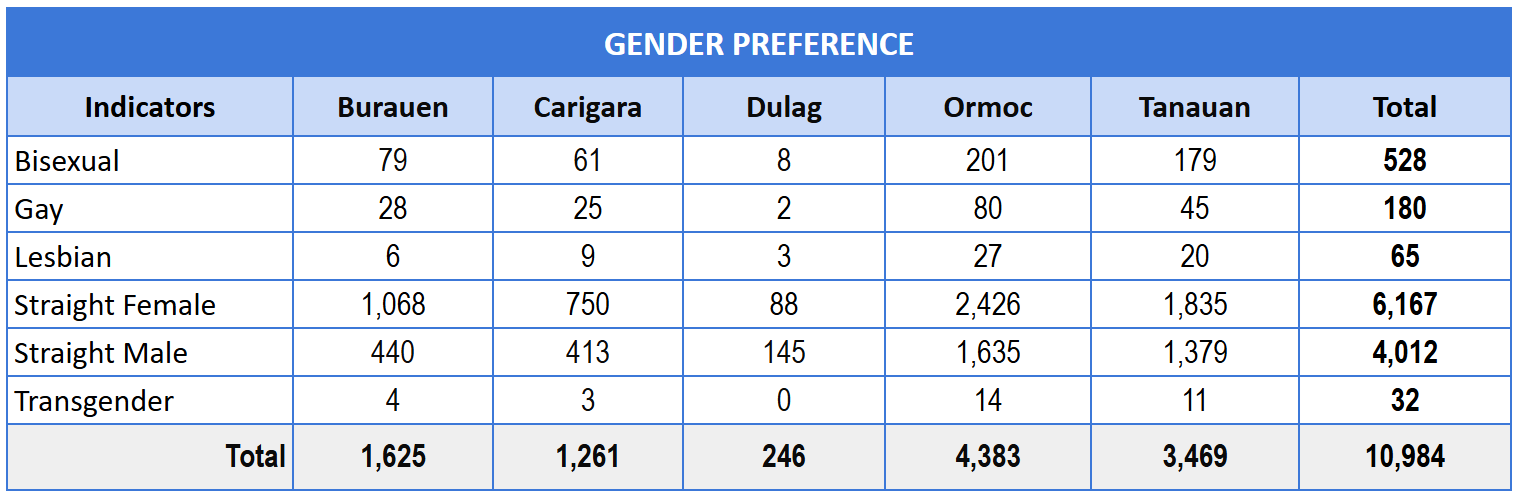
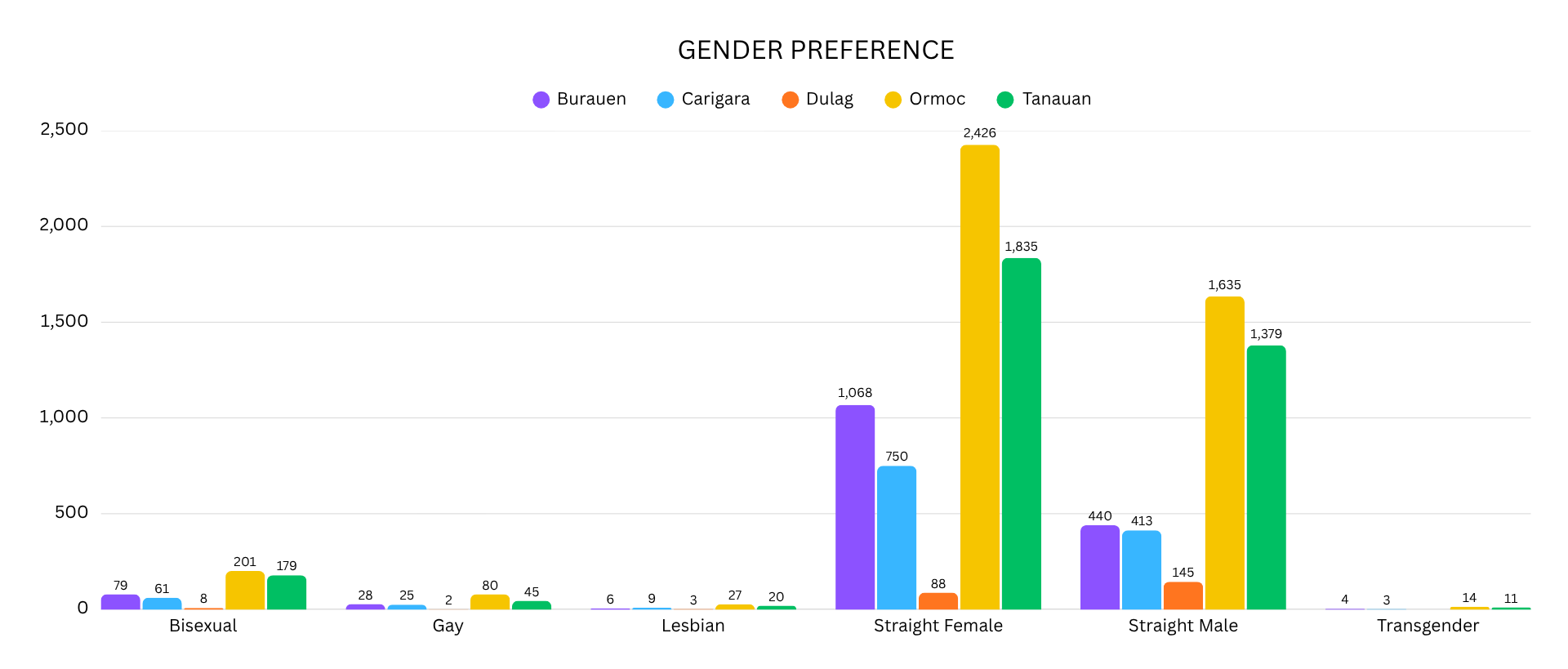
Students’ Statistics by Gender Preference across Schools in the External Campuses
Students Enrolment by Disability (PWD) in the External Campuses
First Semester 2025-2026