SDG 4 | QUALITY EDUCATION
Lifelong Learning Policy Ensuring Inclusive and Equitable Access for All
Eastern Visayas State University (EVSU) upholds lifelong learning as a fundamental component of its commitment to inclusive, equitable, and accessible education. Guided by national policies and institutional frameworks, the University promotes learning opportunities that are accessible to all individuals and communities, regardless of ethnicity, religion, disability, immigration status or gender. Anchored in the 1987 Philippine Constitution’s commitment to equal access to quality education, EVSU extends learning beyond formal academic programs through community-based training, public lectures, continuing education, and professional development initiatives.
Republic Act No. 10931, or the Universal Access to Quality Tertiary Education Act of 2017, reinforces the University’s commitment to broadening educational opportunities and reducing barriers to learning. Consistent with this commitment, EVSU implements extension activities, short-term training programs, and continuing education initiatives that respond to the needs of out-of-school youth, working professionals, marginalized sectors, and underserved communities. These initiatives promote equitable participation and ensure that learning opportunities are designed to accommodate the diverse circumstances and needs of learners.
The Philippine Qualifications Framework (PQF) further supports lifelong learning by recognizing competencies acquired through formal, non-formal, and informal education. In line with this framework, EVSU promotes skills development, vocational training, competency-based learning, and certification opportunities that enable individuals from different backgrounds to enhance their knowledge, strengthen their capabilities, and improve their employment and livelihood prospects. By recognizing diverse learning pathways, the University supports flexible and inclusive access to education throughout an individual’s life.
Complementing these national frameworks, the extension and community engagement mandate of State Universities and Colleges enables EVSU to bring educational opportunities directly to communities. Through livelihood training, literacy initiatives, capacity-building workshops, and other community-responsive programs, the University extends its educational services to individuals who may encounter geographical, economic, social, or other barriers to formal education. These initiatives foster participation, empowerment, and lifelong skills development while responding to the needs of diverse community stakeholders.
Through its lifelong learning initiatives, EVSU translates the principles of equal opportunity, non-discrimination, and social inclusion into educational and community-based services. The University seeks to foster a learning environment in which all individuals can access and benefit from its programs without unjust barriers arising from ethnicity, religion, disability, immigration status, or gender. By integrating inclusive practices into continuing education, extension services, and professional development, EVSU advances lifelong learning as a pathway toward empowerment, social equity, and sustainable regional development across Eastern Visayas and beyond.
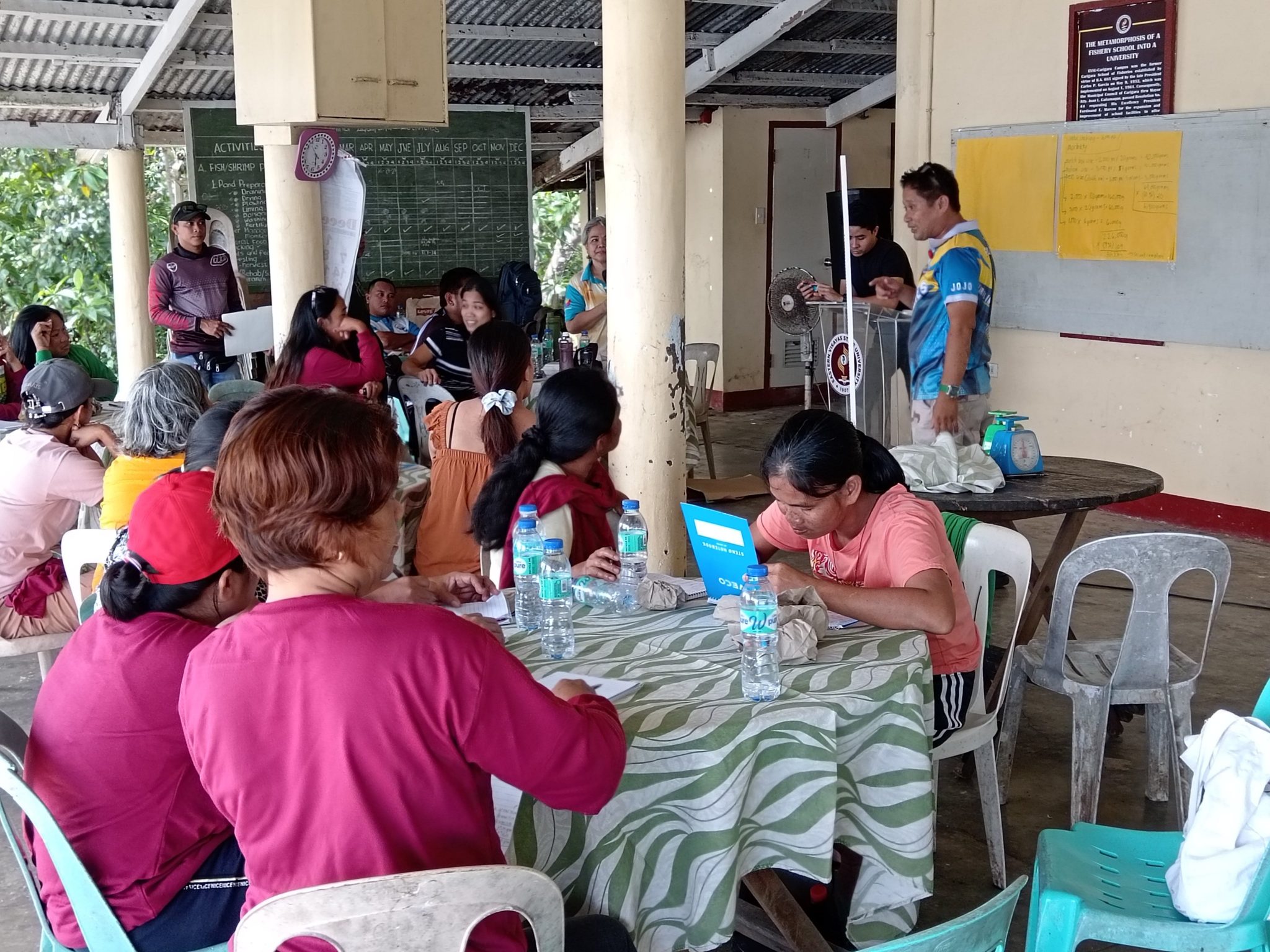
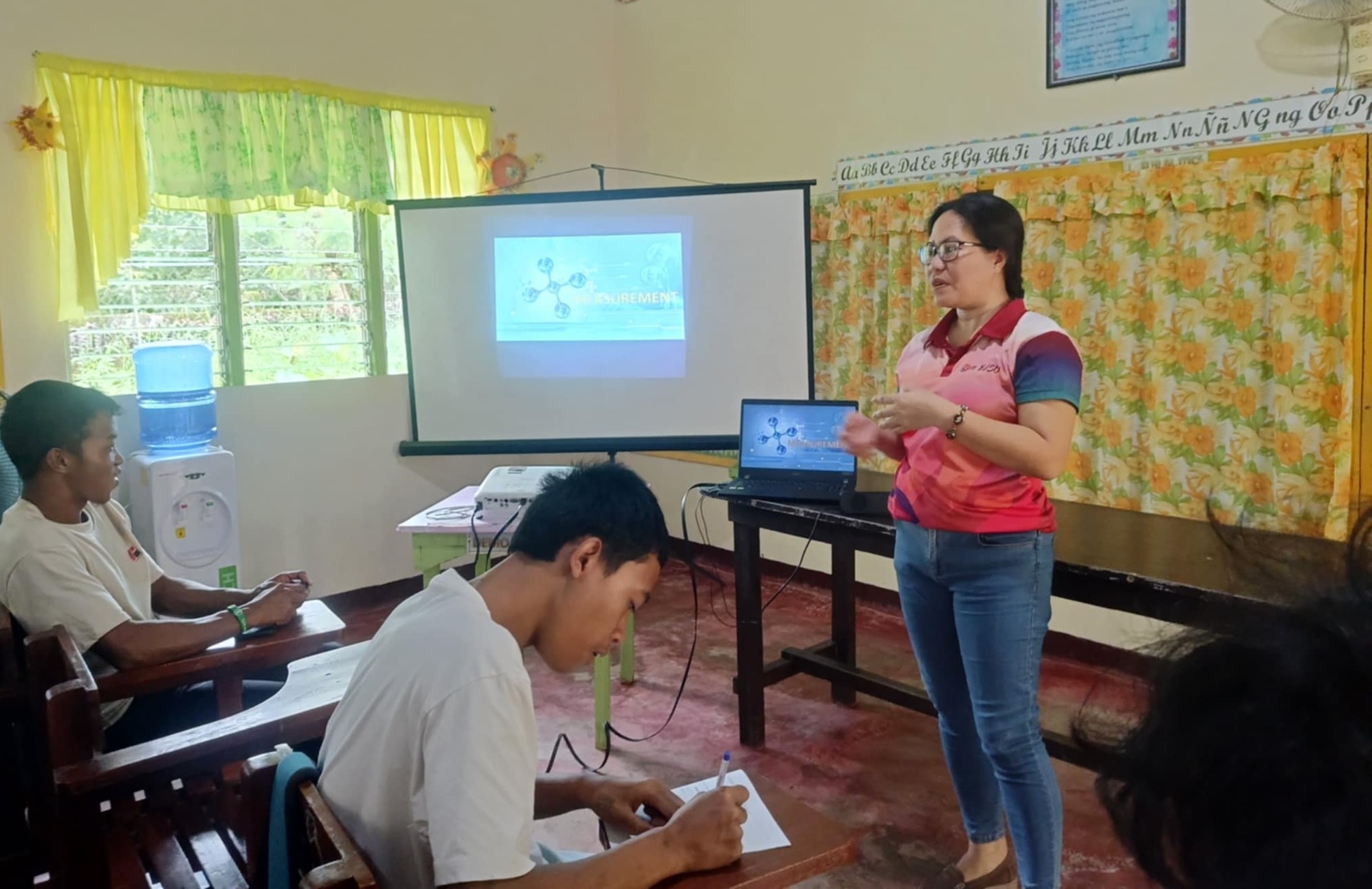
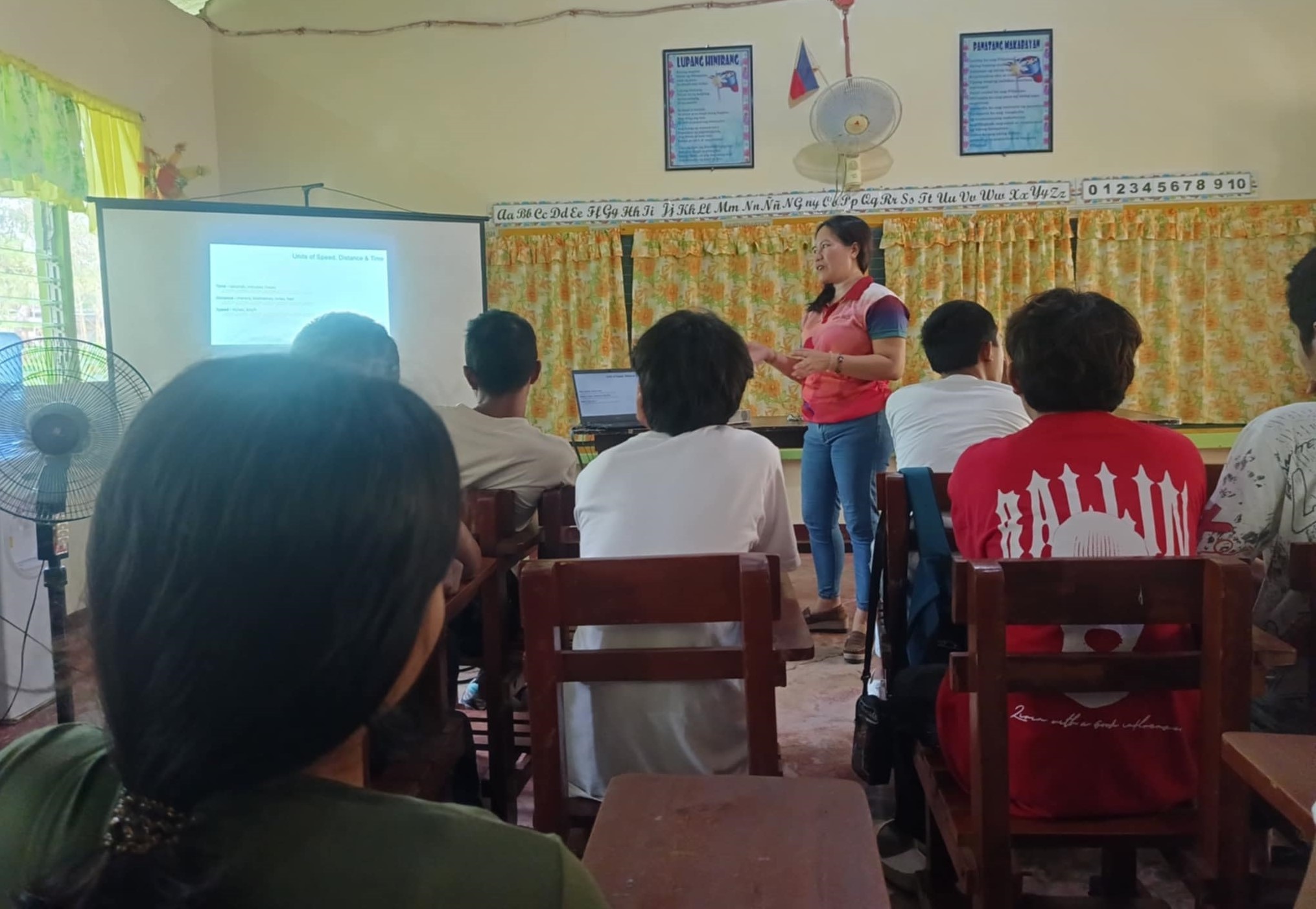
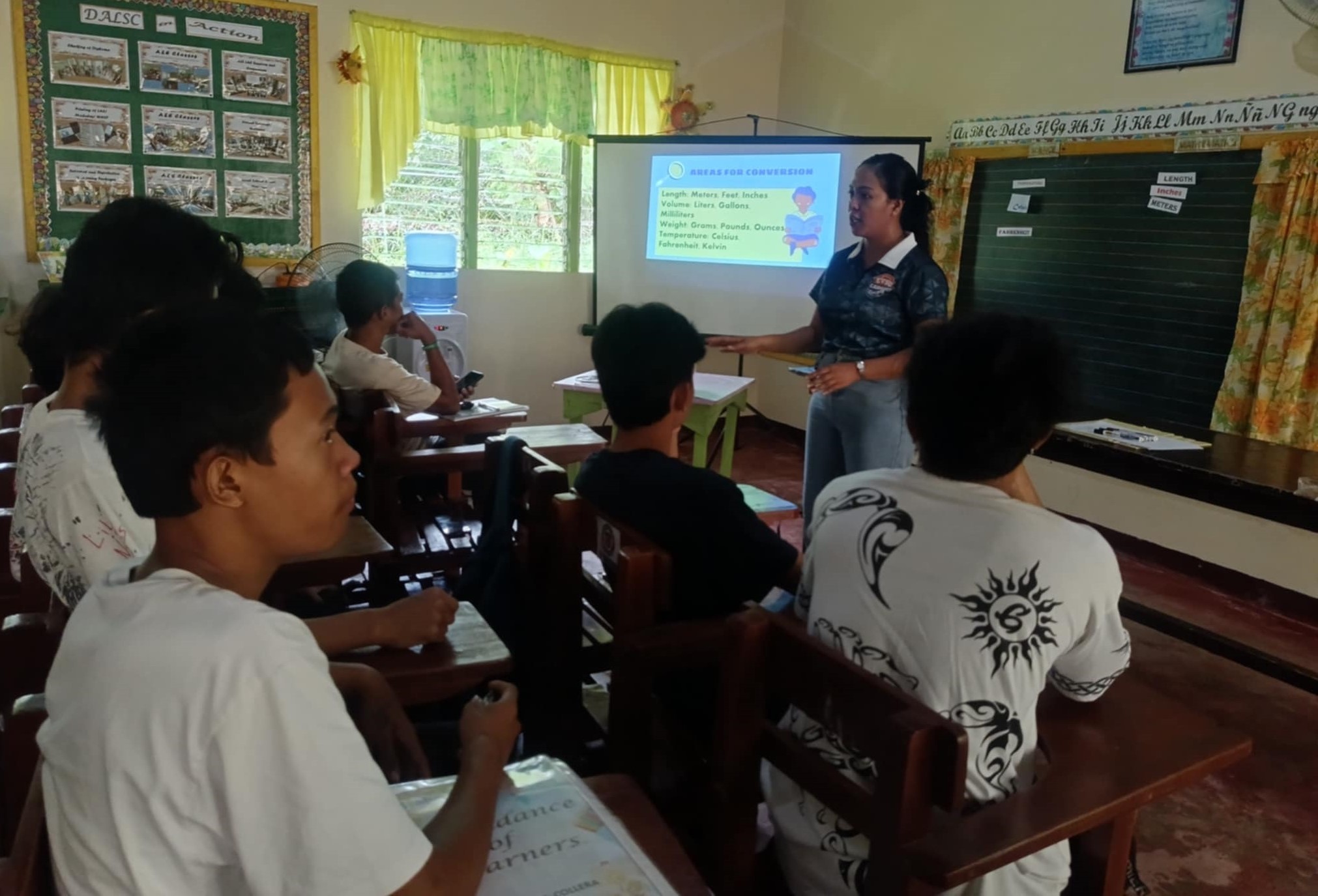
In 2025, EVSU implemented initiatives that translated its lifelong learning commitment into practical educational opportunities. Through its Alternative Learning System outreach activities, particularly Project SMILE and Project READY, EVSU–Carigara Campus reached out-of-school youth and adult learners in Barugo, Leyte, providing opportunities to develop knowledge and skills beyond conventional formal education. The University’s participation in the DSWD Tara, Basa! Tutoring Program likewise supported literacy development among underprivileged elementary school children while equipping EVSU education students with tutoring and community engagement skills.
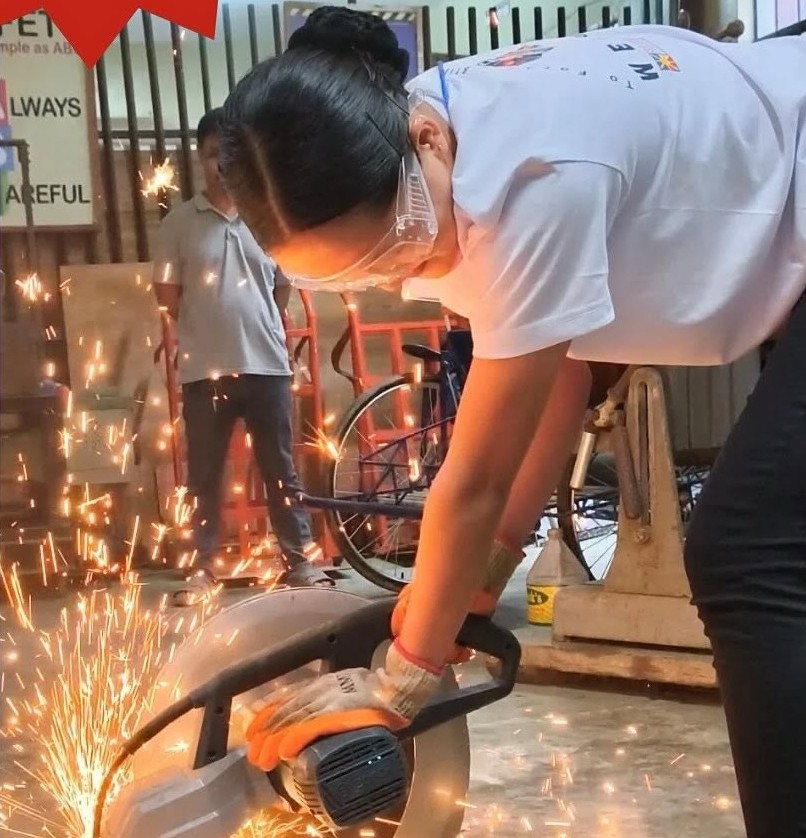
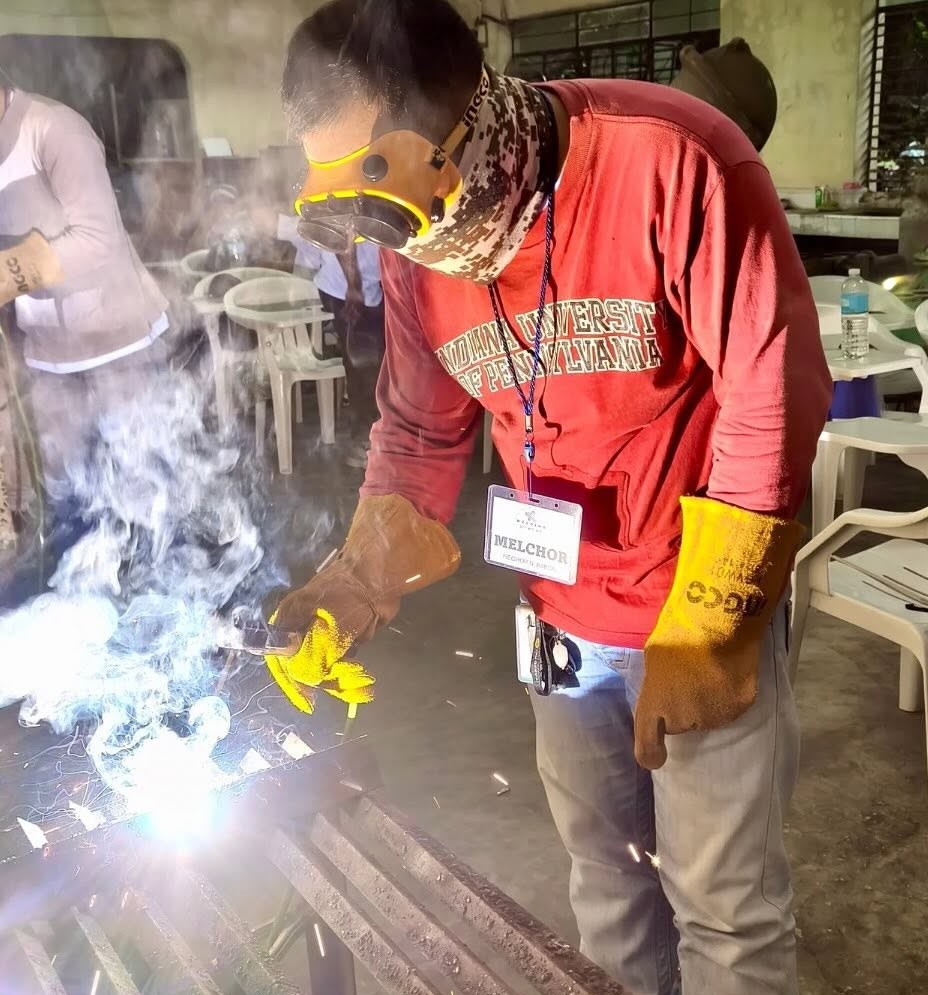
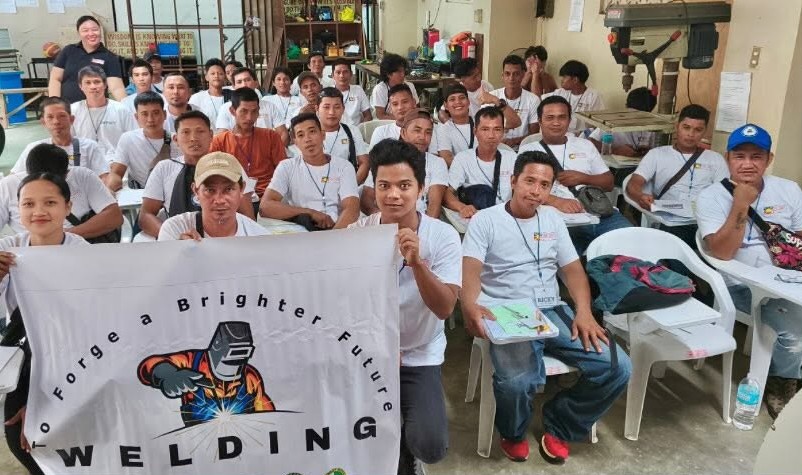
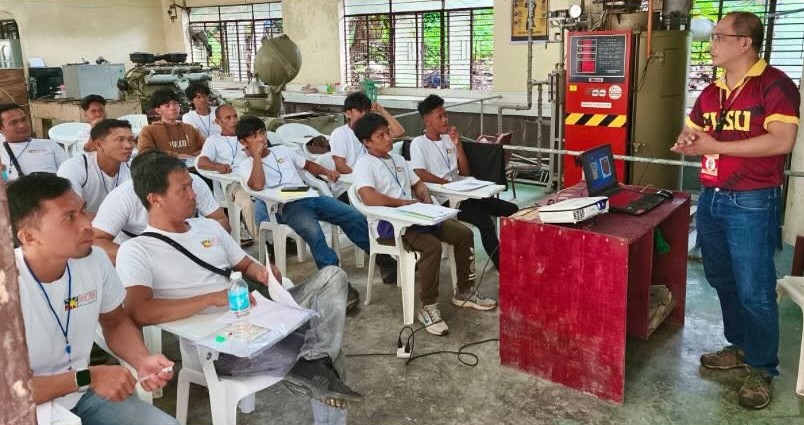
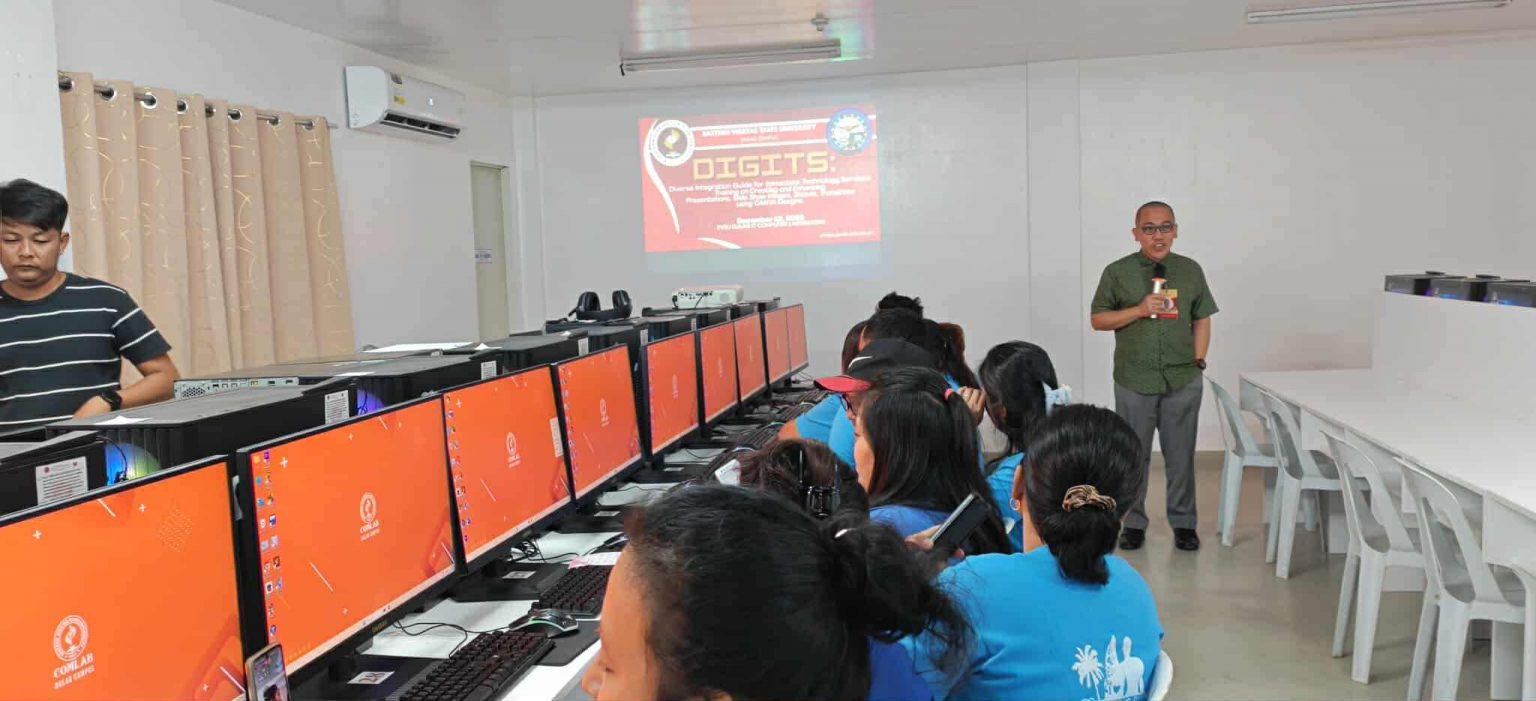
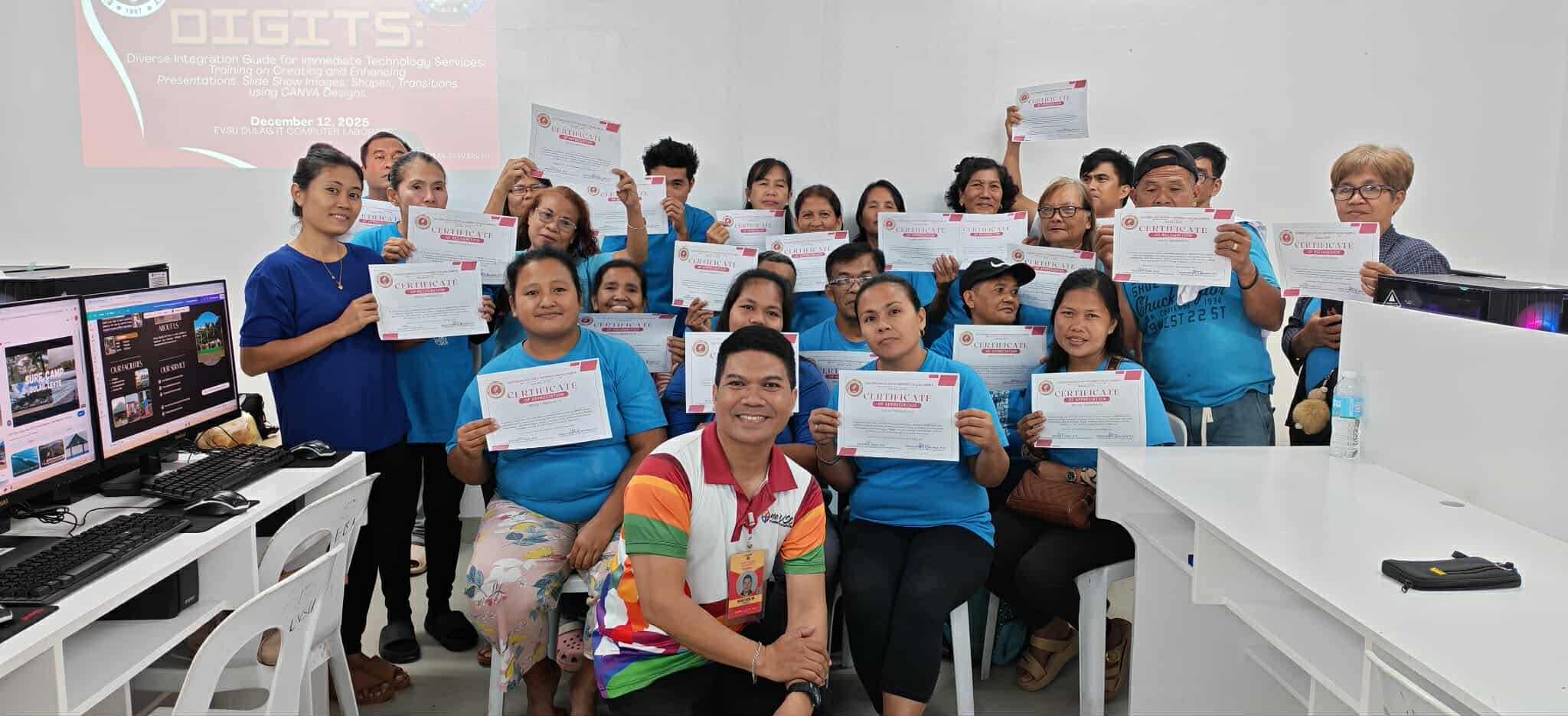
The University further promoted lifelong learning through its FORGE Extension Project, which provided welding training to community beneficiaries in Sta. Fe, Leyte, and through the DIGITS Project of EVSU–Dulag Campus, which delivered digital literacy training in collaboration with a local community cooperative. These initiatives enabled participants to acquire practical, technical, and digital competencies that can support employment, entrepreneurship, and continuing personal development.
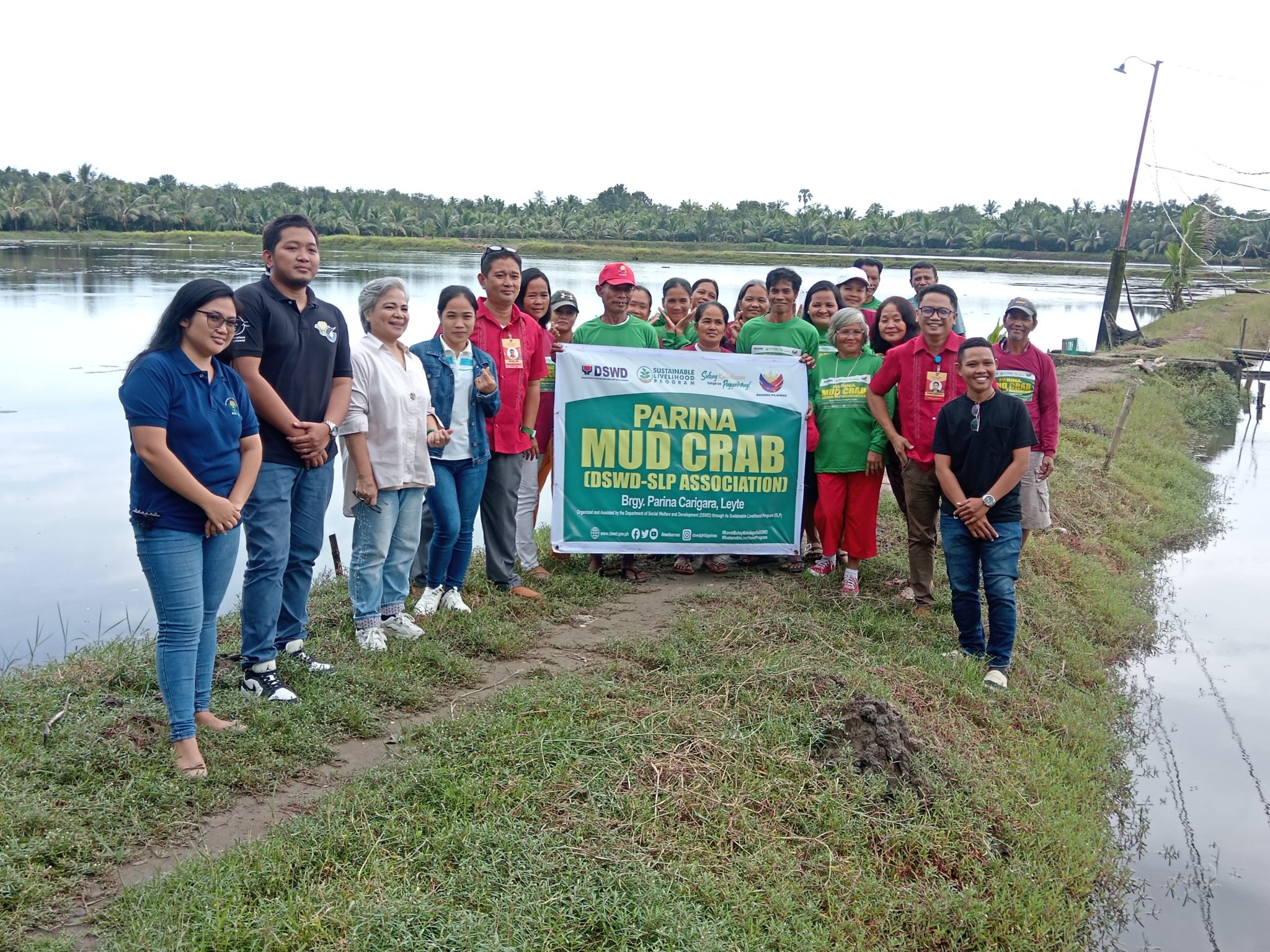
EVSU also implemented programs that strengthened inclusion, well-being, and community participation. The Wellness and Self-Care Seminar for Marginalized Women promoted awareness of mental health and equitable access to wellness resources, while the Gender Sensitivity Seminar and the Seminar on Gender-Fair and Inclusive Language reinforced the importance of respectful, gender-responsive learning and working environments. In addition, the BESOLD Extension Program integrated community education, environmental sustainability, and livelihood development to support continuing learning within local communities.
Collectively, these 2025 initiatives demonstrate EVSU’s continuing efforts to extend learning beyond the classroom and provide opportunities for educational advancement, skills development, and community empowerment. Through its extension programs, alternative learning initiatives, and inclusive capacity-building activities, the University supports lifelong learning as an instrument of social inclusion and equitable development.