SDG 8 | Decent Work and Economic Growth
EVSU’s Institutional Commitment to Ending Forced Labour, Modern Slavery, Human Trafficking, and Child Labour
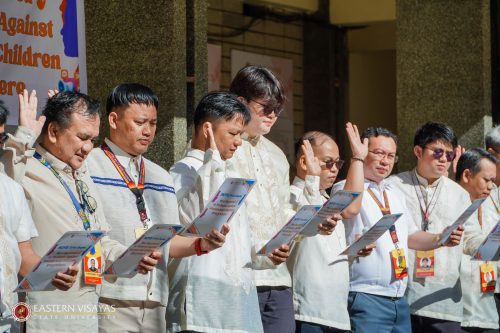
Eastern Visayas State University (EVSU) upholds a strong institutional commitment to protecting human dignity, promoting decent work, and eliminating all forms of labour exploitation, including forced labour, modern slavery, human trafficking, and child labour. Guided by its principles of ethical governance, social responsibility, and respect for human rights, the University has established employment policies and institutional safeguards that prohibit exploitative labour practices across its employment arrangements, contractual engagements, university operations, and external partnerships.
EVSU explicitly declares that:
- Forced labor, modern slavery, human trafficking, and child labor are strictly prohibited in all university activities and transactions.
- All employment, internship, and contractual engagements within the institution are governed by fairness, voluntariness, and legality.
- All contractors, suppliers, and partners are required to uphold the same standards of dignity, equality, and respect for human rights.
- Violations of these principles will be dealt with through proper legal and administrative actions, including reporting to competent authorities as mandated by law.
The University’s commitment is anchored on the Philippine Constitution and relevant national legislation, particularly Republic Act No. 9208, as amended by Republic Act No. 10364 or the Expanded Anti-Trafficking in Persons Act of 2012, and Republic Act No. 11058 or the Occupational Safety and Health Standards Act. These legal frameworks provide the foundation for EVSU’s responsibility to uphold workers’ rights, prevent exploitation, and ensure that all employment and contracting arrangements comply with applicable labour and human rights standards. Through this institutional framework, the University recognizes that the prevention of modern slavery and exploitative employment practices is not limited to its direct workforce but also extends to individuals engaged through internships, contractual arrangements, outsourced services, and institutional partnerships.
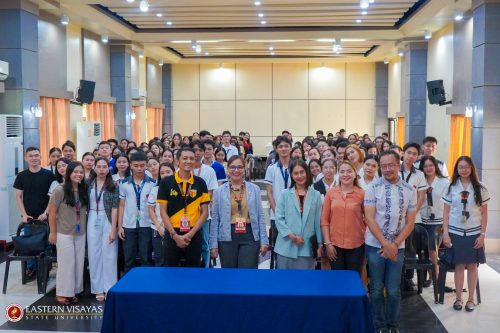
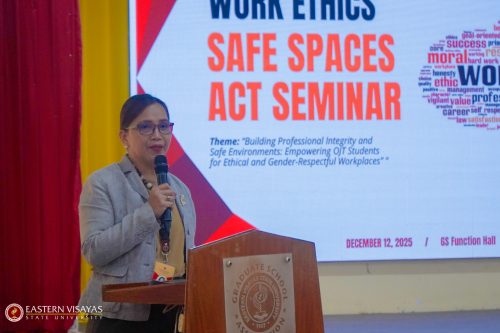
EVSU’s Safe Spaces Manual serves as a key institutional framework for promoting decent work, inclusivity, gender equality, and the protection of human dignity within the University workplace. Anchored on Republic Act No. 11313, otherwise known as the Safe Spaces Act, the Manual establishes preventive measures, reporting mechanisms, and appropriate procedures for addressing gender-based sexual harassment, intimidation, coercion, and other forms of gender-based misconduct. It reinforces the University’s commitment to ensuring that faculty members, non-teaching personnel, students, and other members of the University community are protected from harassment, abuse, and conduct that undermines their dignity, safety, and well-being. Complementing EVSU’s Anti-Sexual Harassment Policy, Gender and Development (GAD) programs, and Human Resource Management policies, the Manual strengthens institutional accountability and promotes a workplace culture founded on respect, equality, professionalism, and shared responsibility. Through these safeguards, EVSU seeks to provide a safe, inclusive, and empowering working environment where employees can perform their duties and pursue professional growth free from harassment, discrimination, and gender-based violence.
The Human Resource Management Office (HRMO) and Gender and Development (GAD) Office are identified as institutional mechanisms supporting the promotion and monitoring of compliance with applicable labour standards and ethical employment policies. All employment contracts explicitly guarantee voluntary engagement, just compensation, and protection from exploitation or coercion.