
SDG 8 | Decent Work and Economic Growth

EVSU’s Commitment to Equal Pay for Work of Equal Value and Gender Pay Equity
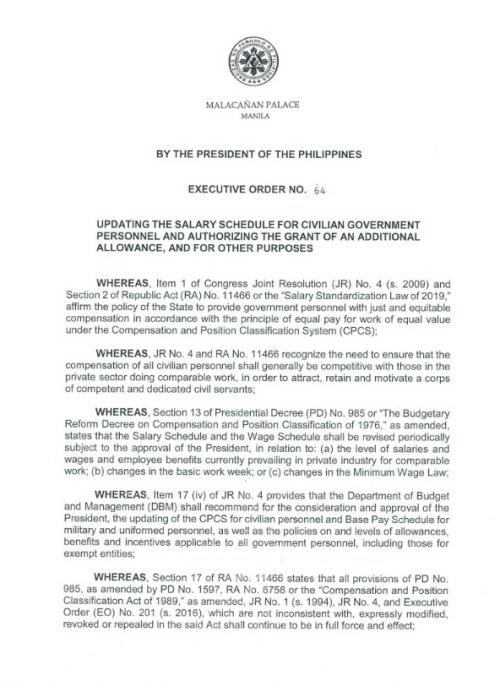
Eastern Visayas State University (EVSU) upholds the principles of equal pay for work of equal value, fair compensation, and nondiscriminatory employment practices through its institutional human resource management policies, standardized compensation framework, and gender-responsive governance mechanisms. The University recognizes that equitable compensation is a fundamental component of decent work, employee welfare, gender equality, and inclusive institutional development. Accordingly, EVSU promotes a compensation system in which salaries, benefits, incentives, and opportunities for professional advancement are determined by objective criteria, including position classification, qualifications, responsibilities, performance, and applicable government compensation standards, rather than an employee’s sex or gender.

As a state university, EVSU implements the standardized compensation framework established by the national government to promote just, equitable, and competitive remuneration among public sector employees. Building on the principles of Republic Act No. 11466, or the Salary Standardization Law of 2019, the University adopted the updated government compensation framework under Executive Order No. 64, s. 2024, which provides for the phased adjustment of salaries of civilian government personnel over four years, from 2024 to 2027.

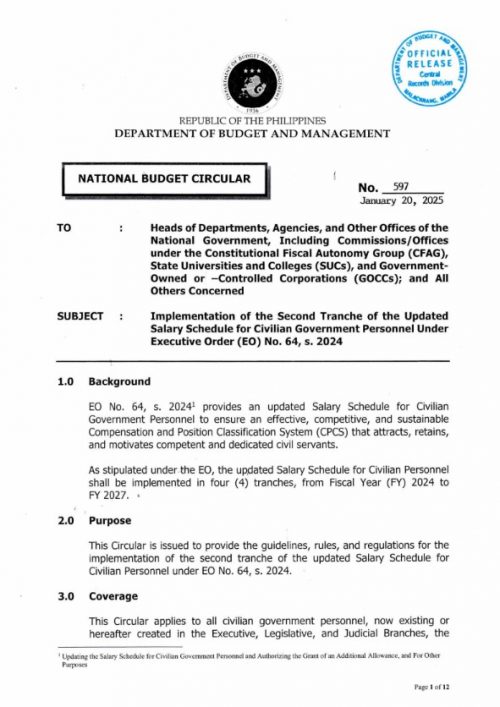
A significant development in 2025 was the issuance of Department of Budget and Management (DBM) National Budget Circular No. 597, dated January 20, 2025, entitled Implementation of the Second Tranche of the Updated Salary Schedule for Civilian Government Personnel Under Executive Order No. 64, s. 2024. Effective January 1, 2025, the circular provides the guidelines for implementing the second tranche of the updated salary schedule and expressly includes State Universities and Colleges (SUCs) within its coverage. Through this national policy, EVSU’s covered civilian personnel benefit from the prescribed salary adjustments in accordance with their respective positions, salary grades, and applicable government compensation rules.

The implementation of the second tranche reinforces the University’s commitment to standardized, consistent, and equitable compensation administration. By adhering to government-prescribed salary schedules, EVSU ensures that salary adjustments are based on objective position classifications and established compensation standards rather than gender-based considerations. This provides an institutional safeguard in promoting equal compensation for employees occupying equivalent positions and performing comparable responsibilities. Furthermore, the phased salary adjustments contribute to improving employees’ economic welfare, strengthening motivation, and supporting the University’s efforts to attract and retain qualified academic and administrative personnel.
Employee Benefits, Social Protection, and Performance-Based Recognition

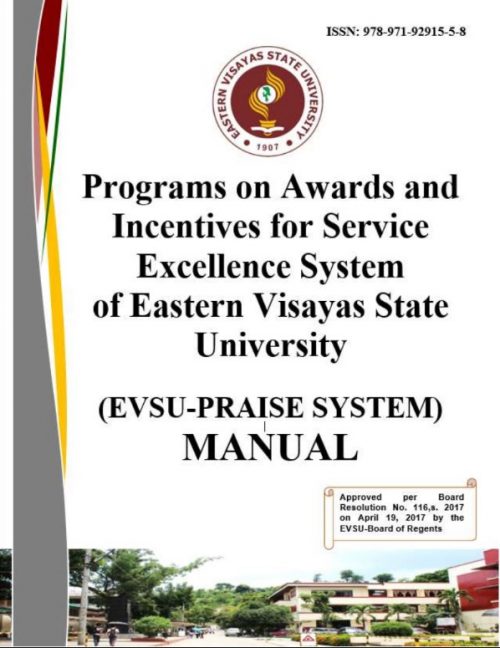
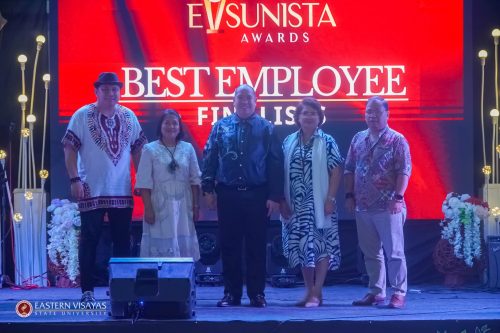
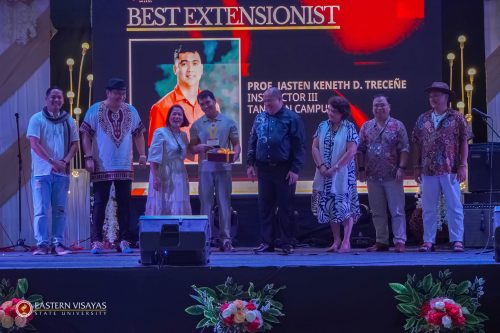
EVSU likewise ensures the provision of government-mandated employee benefits and social protection, including PhilHealth, Government Service Insurance System (GSIS), and Pag-IBIG Fund contributions, alongside applicable performance-based incentives and recognition programs. A significant institutional mechanism for promoting merit-based recognition is the University’s Program on Awards and Incentives for Service Excellence (PRAISE) System, as provided under the EVSU-PRAISE System Manual. The Manual institutionalizes a system of recognizing and rewarding officials, faculty members, and non-teaching personnel based on their performance, innovative ideas, exemplary behavior, superior accomplishments, and contributions to improving university operations and public service. It provides for both monetary and non-monetary awards and incentives, ensuring that outstanding contributions are acknowledged through a transparent and established institutional mechanism.

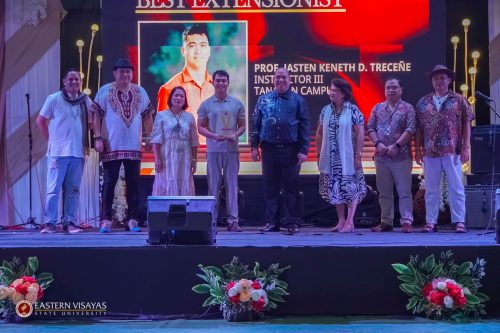
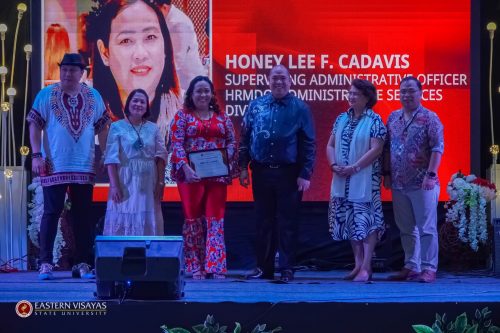
The implementation of this recognition system is highlighted through the annual EVSUNISTA Awards, which honor deserving university personnel for their exemplary performance, dedication, and contributions to the institution. Among the recognitions under the PRAISE framework are awards for outstanding employees, educators, researchers, extensionists, administrators, and other personnel categories. In 2025, EVSU continued this tradition through the EVSUnista Awards and Grand Social/Fellowship Night, recognizing outstanding officials, faculty members, and non-teaching personnel from its different campuses. Through this institutionalized recognition program, EVSU reinforces the principle that employee accomplishments and professional contributions deserve fair acknowledgment and reward, regardless of sex, gender, employment classification, or position. Collectively, these compensation, benefits, and recognition mechanisms strengthen employee welfare, promote equitable treatment, encourage excellence, and foster an inclusive working environment where all personnel are afforded fair compensation, social protection, and opportunities for professional growth.

Gender-Responsive Human Resource Management and Monitoring of Pay Equity

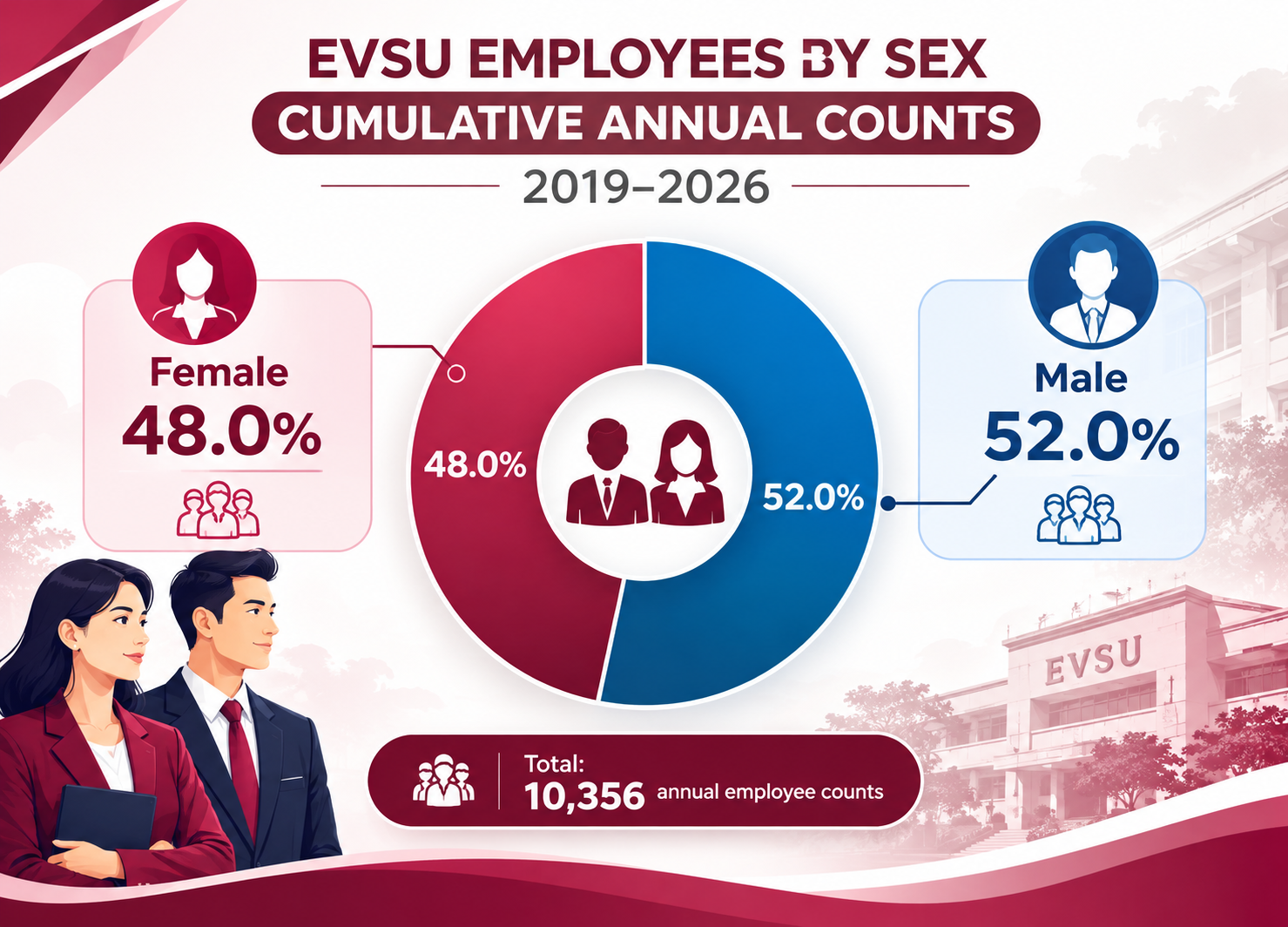
Employment Policy Pay Scale Equity (2025)
YearMaleFemaleTotal
20195715191,090
20206446031,247
20216666021,268
20227506501,400
20236666401,306
20246736421,315
20256656271,292
20267546841,438
TOTAL5,3894,96710,356

Complementing the standardized compensation framework, EVSU integrates gender mainstreaming principles into its Human Resource Development Plan (HRDP) and Gender and Development (GAD) programs to advance gender pay equity and equal employment opportunities. Through these institutional mechanisms, the University promotes gender-responsive human resource policies and practices that uphold fairness, transparency, and nondiscrimination in compensation administration, recruitment, promotion, career advancement, and access to professional development opportunities. These efforts reinforce the principle of equal pay for work of equal value and ensure that personnel decisions are guided by objective qualifications, position classifications, responsibilities, and performance rather than gender-based considerations.

Moreover, recognizing that equitable compensation requires not only standardized salary schedules but also the continuous assessment of how compensation opportunities are distributed across the workforce, EVSU supports evidence-based and gender-responsive human resource management through the collection and maintenance of sex-disaggregated employee statistics. The University’s GAD Office maintains employee data categorized by sex, providing information on workforce composition and the representation of women and men across the institution. These datasets can be analyzed alongside salary grade, position classification, and personnel records maintained by the Human Resource Management Office (HRMO) to examine gender distribution across employment categories, career progression, and access to higher-paying positions. This data-driven approach provides an important foundation for identifying potential gender pay gaps, examining compensation patterns, and determining appropriate interventions whenever unjustified disparities are established.

University-Wide

Salary GradeMale EmployeesFemale EmployeesMale Average SalaryFemale Average Salary
SG 6–104667₱ 22,205.01₱ 23,234.02
SG 11–15189210₱ 35,502.14₱ 33,483.18
SG 16–206359₱ 50,127.61₱ 62,510.96
SG 21–255848₱ 87,430.68₱ 130,990.51
SG 26–3083₱ 178,640.00₱ 93,582.00

Main Campus

Salary GradeMale EmployeesFemale EmployeesMale Average SalaryFemale Average Salary
SG 6–102428₱ 21,751.75₱ 21,938.39
SG 11–15104110₱ 35,406.35₱ 31,097.11
SG 16–204741₱ 53,917.23₱ 76,604.05
SG 21–255044₱ 88,796.04₱ 152,671.52
SG 26–3083₱ 178,640.00₱ 93,582.00

Carigara Campus

Salary GradeMale EmployeesFemale EmployeesMale Average SalaryFemale Average Salary
SG 6–10210₱ 20,315.00₱ 21,709.50
SG 11–152221₱ 35,009.59₱ 36,418.00
SG 16–2013₱ 53,818.00₱ 46,983.33
SG 21–2521₱ 86,551.00₱ 78,162.00
SG 26–3000₱ 0.00₱ 0.00

Dulag Campus

Salary GradeMale EmployeesFemale EmployeesMale Average SalaryFemale Average Salary
SG 6–1075₱ 22,933.57₱ 31,097.11
SG 11–1567₱ 35,009.59₱ 36,418.00
SG 16–2000₱ 0.00₱ 0.00
SG 21–2500₱ 0.00₱ 0.00
SG 26–3000₱ 0.00₱ 0.00

Burauen Campus

Salary GradeMale EmployeesFemale EmployeesMale Average SalaryFemale Average Salary
SG 6–1066₱ 22,767.17₱ 21,387.17
SG 11–151421₱ 35,856.50₱ 31,419.38
SG 16–2045₱ 39,425.50₱ 76,676.40
SG 21–2500₱ 0.00₱ 0.00
SG 26–3000₱ 0.00₱ 0.00

Ormoc Campus

Salary GradeMale EmployeesFemale EmployeesMale Average SalaryFemale Average Salary
SG 6–1048₱ 23,346.25₱ 21,442.63
SG 11–151922₱ 35,868.32₱ 36,394.50
SG 16–2074₱ 51,420.57₱ 51,787.00
SG 21–2532₱ 85,305.00₱ 99,219.50
SG 26–3000₱ 0.00₱ 0.00

Tanauan Campus

Salary GradeMale EmployeesFemale EmployeesMale Average SalaryFemale Average Salary
SG 6–10310₱ 22,116.33₱ 21,829.30
SG 11–152429₱ 35,862.50₱ 29,152.07
SG 16–2046₱ 52,056.75₱ 60,504.00
SG 21–2531₱ 89,070.67₱ 193,909.00
SG 26–3000₱ 0.00₱ 0.00

Strengthening Gender Equality through Capacity-Building and Employee Development Initiatives

The University’s commitment to gender-responsive employment practices is further demonstrated through its continuing capacity-building and employee development initiatives in 2025. These activities strengthen the knowledge and competencies of personnel in integrating gender equality, fairness, and nondiscrimination into institutional planning, resource allocation, workplace relationships, and human resource administration.


Gender and Development Capacity-Building Seminar-Workshop for GAD Coordinators

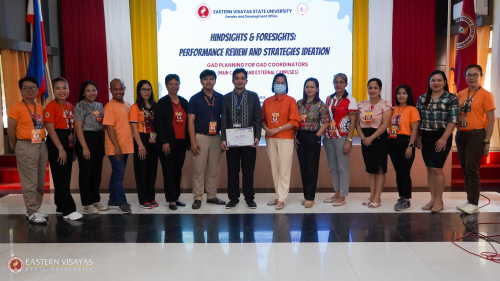
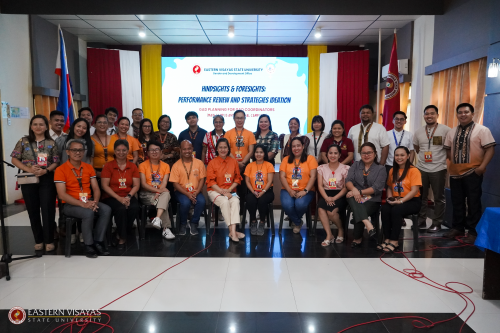
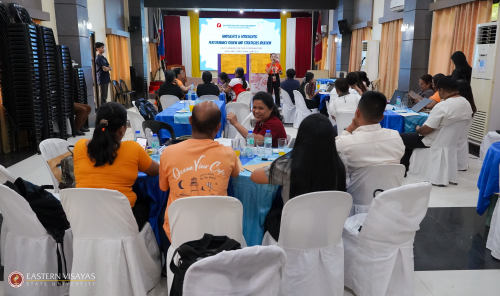
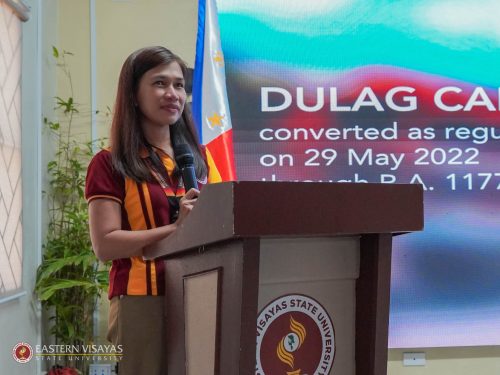
On April 28–30, 2025, EVSU’s GAD Office conducted a three-day capacity-building seminar-workshop for GAD coordinators from the Main and External Campuses. The activity covered the fundamental principles of Gender and Development, CHED Memorandum Order No. 1, Series of 2015, gender-responsive budgeting, preparation of Annual GAD Plans and Budgets, and the integration of gender considerations into institutional planning. By engaging personnel involved in budgeting, planning, and program implementation, the activity reinforced the importance of incorporating gender analysis into institutional resource allocation and administrative decision-making, including initiatives that promote equitable employee welfare and opportunities.


Gender Sensitivity Seminar: Promoting Inclusive and Respectful Workplace Relationships

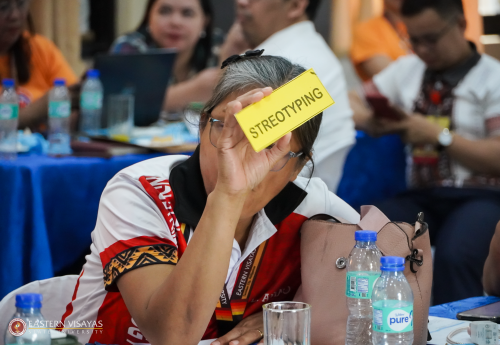
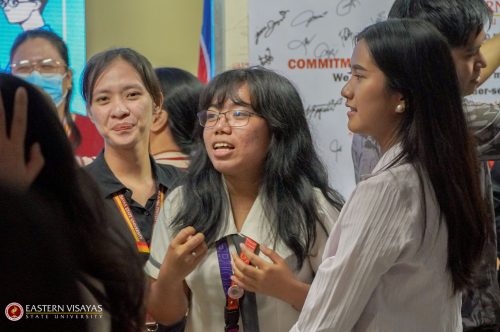
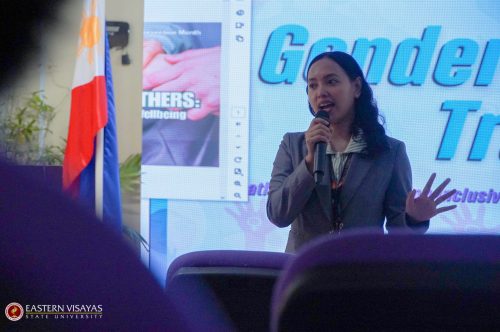
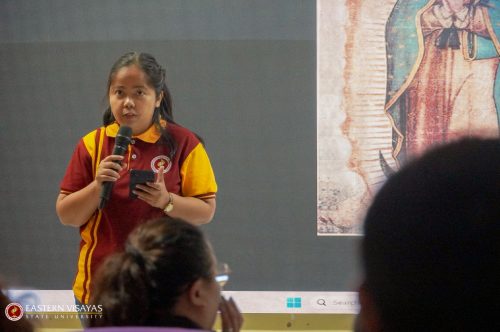
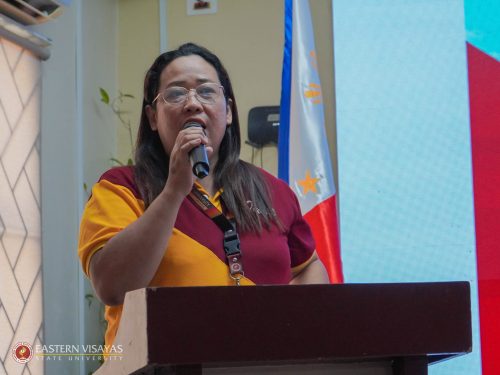
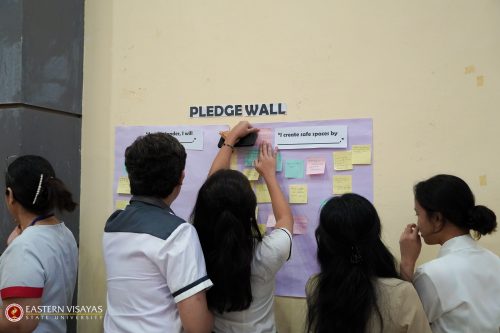
On September 12, 2025, EVSU employees and students participated in the Gender Sensitivity Seminar themed “Empathy in Action: Building Inclusive Teams through Self-Awareness and Gender Sensitivity.” The seminar addressed gender identity, gender stereotypes, empathy, mutual respect, and gender sensitivity in teamwork and professional interactions. By strengthening employees’ awareness of gender-related concerns and promoting respectful workplace relationships, the activity contributed to an institutional culture that recognizes equal dignity, fair treatment, and opportunities for participation and professional development regardless of gender.


Orientation Program for Newly Hired Teaching and Non-Teaching Personnel

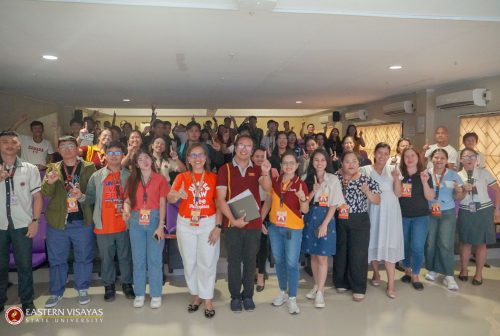
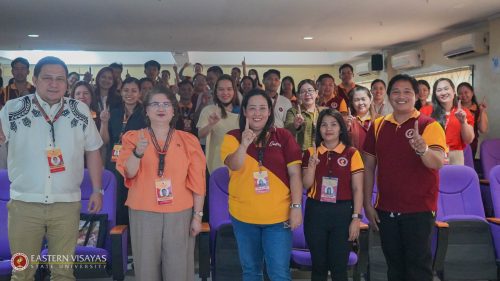
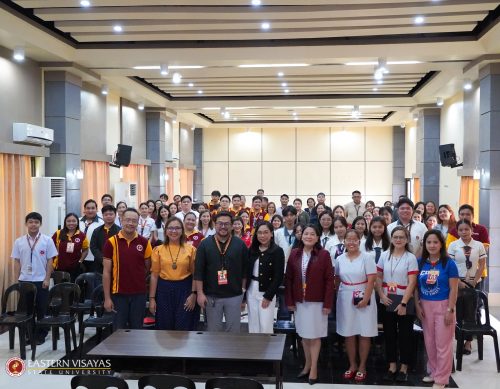
The University also conducted a three-day orientation for newly hired teaching and non-teaching personnel on September 23–25, 2025. The orientation introduced new employees to EVSU’s human resource systems, institutional policies, procedures, and personnel privileges. Its sessions included Gender and Development, the Code of Conduct and Ethical Standards for Public Officials and Employees under Republic Act No. 6713, and discussions on the Safe Spaces Act and anti-sexual harassment policies. The inclusion of employee associations, particularly the EVSU Faculty Association and Non-Teaching Personnel Association, further familiarized newly appointed personnel with institutional employee representation mechanisms. Through this initiative, EVSU strengthened awareness of personnel rights, institutional responsibilities, and the policies governing equitable and ethical employment practices.


Anti-Sexual Harassment Seminar: Promoting Workplace Protection and Accountability

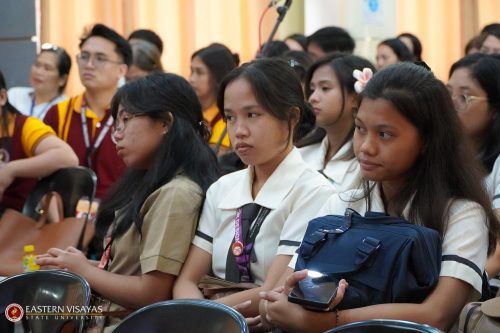
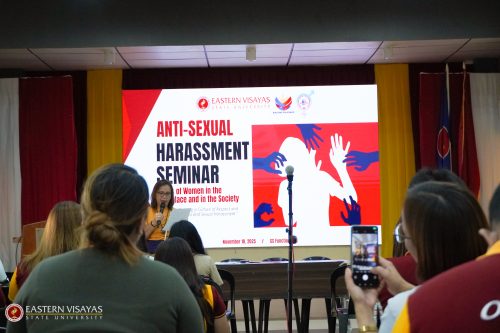
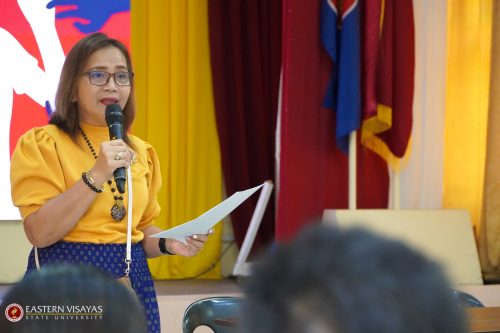
As part of its continuing GAD mainstreaming efforts, EVSU conducted an Anti-Sexual Harassment Seminar on November 18, 2025, at the Graduate School Function Hall. The activity discussed Republic Act No. 7877, or the Anti-Sexual Harassment Act of 1995, and Republic Act No. 11313, or the Safe Spaces Act. Through legal and practical discussions on preventing harassment, promoting accountability, and protecting individuals from gender-based misconduct, the University reinforced its commitment to maintaining a safe, respectful, and nondiscriminatory working and learning environment. These initiatives complement the University’s pay equity measures by addressing workplace conditions that may affect employees’ ability to participate equally in professional activities and pursue career opportunities.


Ultimately, EVSU’s commitment to equal pay for work of equal value and gender pay equity reflects its broader responsibility to promote decent work, protect employee rights, and advance gender equality within its academic and administrative workforce. Through the implementation of standardized government compensation policies, integration of gender-responsive principles into human resource management, provision of employee benefits and social protection, maintenance of sex-disaggregated employee information, and conduct of gender-responsive capacity-building and employee welfare activities, the University continues to strengthen its institutional framework for equitable compensation and employment practices.

Moving forward, EVSU recognizes the importance of strengthening HRMO-GAD coordination and regularly examining compensation patterns, salary distributions, and career progression across sex-disaggregated employment categories. Through these continuing efforts, the University reaffirms its commitment to identifying and addressing potential gender-based compensation disparities and fostering an inclusive, equitable, and supportive working environment in which all personnel are afforded fair compensation and equal opportunities for professional growth and development.

EXPLORE OUR SDG 8 INITIATIVES & ACTIVITIES

2026202520242023
SDG 8: Initiatives for 2026
SDG 8: Initiatives for 2025
SDG 8: Initiatives for 2024
SDG 8: Initiatives for 2023

EXPLORE OUR SDG 8 RESEARCH & PUBLICATIONS

202520242023
SDG 8: Publications for 2025
SDG 8: Publications for 2024
SDG 8: Publications for 2023

SUSTAINABLE DEVELOPMENT GOALS

20252024
2025: Sustainable Development Goals
2024: Sustainable Development Goals