SDG 17 | PARTNERSHIP FOR THE GOALS

Relationships with Regional NGOs and Government for SDG Policy Development

Eastern Visayas State University (EVSU) recognizes the importance of strong, strategic, and sustained relationships with regional nongovernment organizations (NGOs), national government agencies, local government units, research consortia, and development institutions in advancing evidence-based and inclusive Sustainable Development Goals (SDG) policies. As a public higher education institution and a key knowledge partner in regional development, EVSU actively engages these stakeholders through collaborative research, policy-oriented dialogues, strategic planning, technical capacity development, and multi-stakeholder initiatives. These partnerships provide avenues for the University to contribute academic expertise, scientific evidence, and regional perspectives to identifying development challenges, shaping responsive policies and strategies, anticipating future scenarios, and strengthening the implementation, monitoring, and evaluation of sustainability interventions. Through its engagements with regional development networks, government institutions, and sustainability-focused organizations, EVSU bridges research and policymaking, ensuring that local and regional development priorities inform broader sustainability agendas. These collaborative relationships affirm the University’s commitment to advancing SDG-aligned governance, fostering institutional accountability, and promoting adaptive, resilient, and inclusive development across Eastern Visayas and beyond.

Advancing Evidence-Based SDG Policy Development through Regional and National Government Engagement, Strategic Foresight, and Multi-Stakeholder Partnerships

Eastern Visayas State University (EVSU) recognizes that higher education institutions have a vital responsibility beyond delivering instruction, conducting research, and providing extension services. As a public university mandated to contribute to regional and national development, EVSU actively engages with government agencies, regional development consortia, local government units, research networks, and nongovernment organizations to contribute academic expertise, scientific knowledge, and institutional perspectives to the development and implementation of policies supporting the Sustainable Development Goals (SDGs).

Anchored in its commitment to responsive governance, inclusive development, environmental sustainability, and evidence-based decision-making, the University utilizes its research capabilities, technical expertise, and collaborative networks to help identify pressing development challenges, examine their underlying causes, formulate appropriate strategies, anticipate emerging risks, and strengthen the implementation and monitoring of interventions. Through these engagements, EVSU serves as a knowledge partner and development institution that helps bridge academic research and public policy, ensuring that regional experiences and evidence inform broader sustainability priorities.

In 2025, EVSU further strengthened this commitment through a series of policy-oriented initiatives involving regional research consortia, national sustainability networks, local government institutions, and national government agencies.
Contributing to Regional Policy Development and Advocacy through EVCIEERD

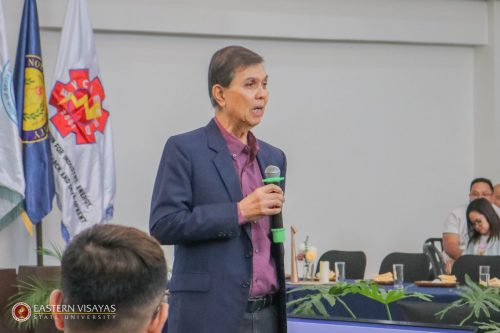
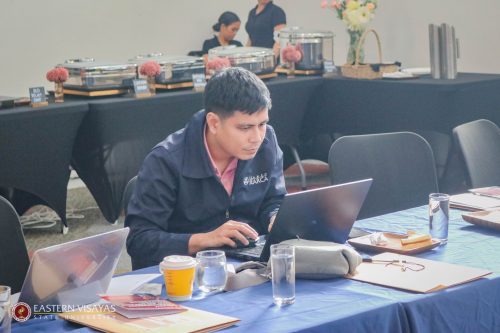
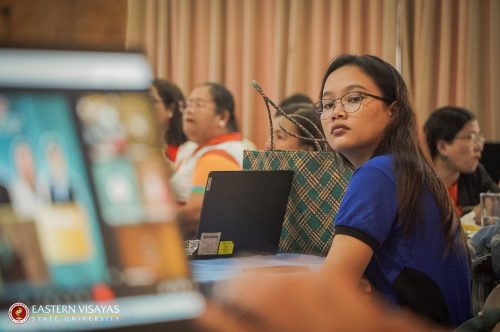
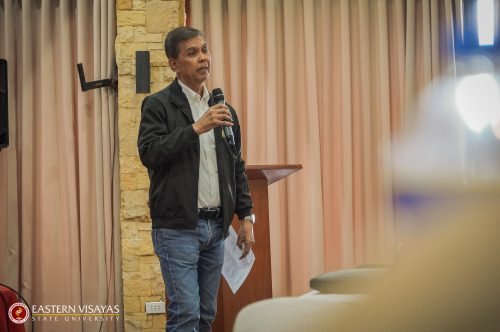
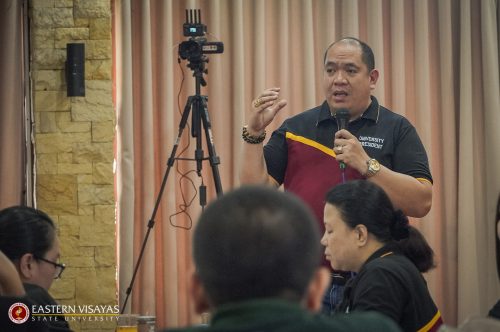
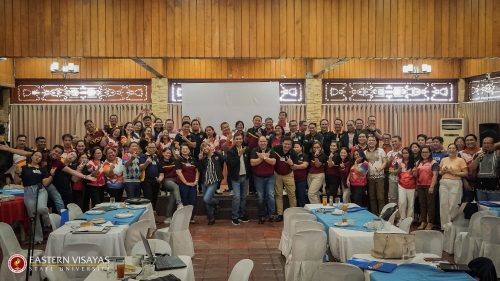
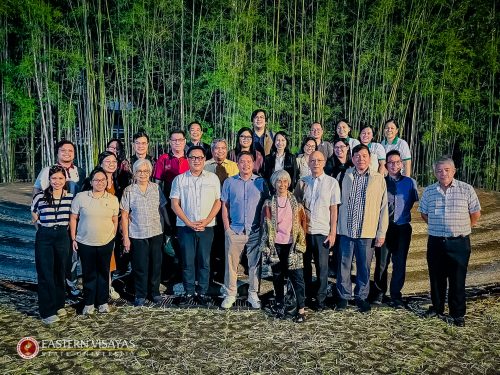
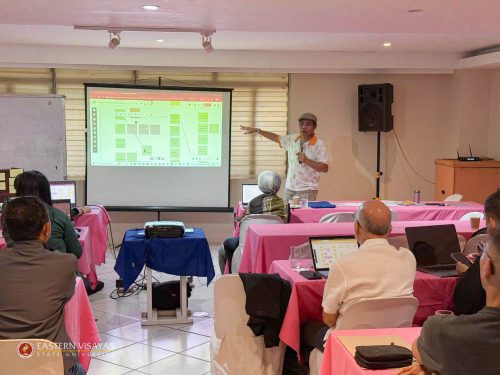
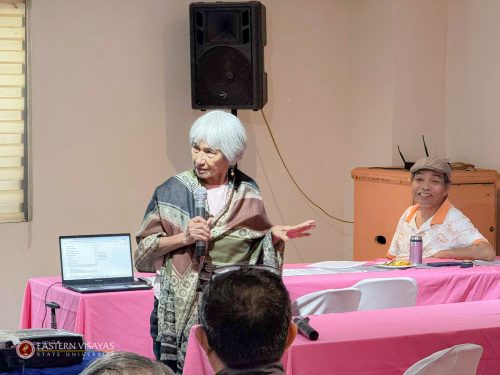
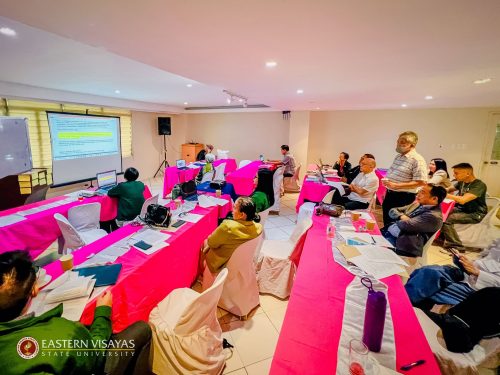
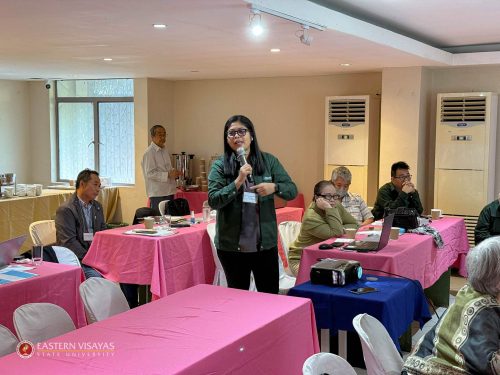
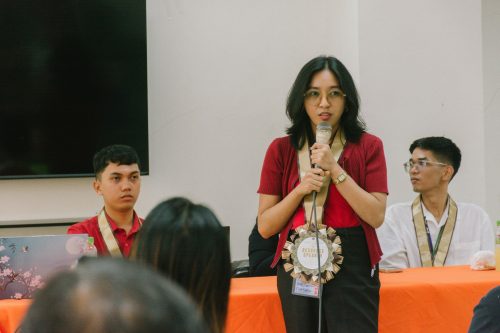
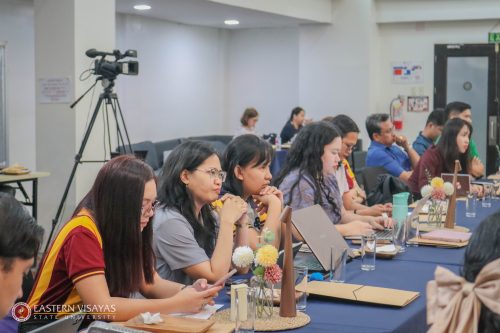
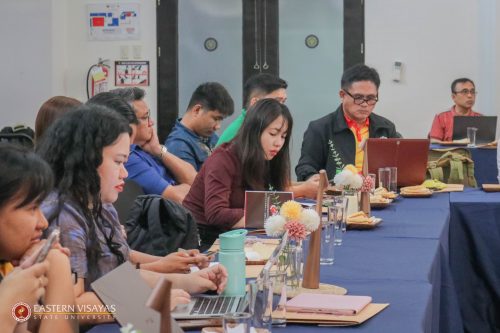
A significant manifestation of EVSU’s involvement in regional policy development was its participation in the Policy Development and Advocacy Workshop-Seminar organized by the Eastern Visayas Consortium for Industry, Energy, and Emerging Technology Research and Development (EVCIEERD) on October 14–15, 2025, at Leyte Normal University.

The activity brought together representatives from state universities and colleges, government agencies, and regional development stakeholders, including CHED Regional Office VIII and TESDA Regional Office VIII, to strengthen the capacity of research institutions to translate scientific findings and academic expertise into responsive policies and development interventions.

The workshop addressed interconnected challenges affecting Eastern Visayas, including poverty, public health, socioeconomic inequality, climate-related disasters, energy sustainability, and the region’s potential to develop as an ASEAN Green Technology hub. These discussions highlighted the importance of evidence-based policy formulation and coordinated institutional responses in addressing complex development concerns that require collaboration among government, academe, and other stakeholders.

Through its participation in the consortium initiative, EVSU contributed to a regional platform for examining development priorities, identifying policy gaps, and exploring strategies that could address the region’s pressing socioeconomic and environmental concerns. The workshop also emphasized policy brief preparation, research communication, stakeholder engagement, and advocacy as mechanisms for translating academic knowledge into actionable government and development policies.

Particularly relevant was the conduct of a backcasting exercise, which enabled participating institutions to envision desired future conditions, examine existing realities, identify gaps between present circumstances and long-term development aspirations, and formulate strategic pathways and corresponding action plans. This approach strengthened participants’ capacity to assess alternative development trajectories, identify interventions necessary to achieve preferred outcomes, and establish mechanisms for tracking progress.

EVSU’s involvement in EVCIEERD is further reinforced by its representation in the consortium’s technical leadership, with Dr. Danilo Pulma, EVSU’s Vice President for Internationalization and External Affairs, serving as Technical Working Group Chairperson. This institutional involvement provides an avenue for the University to participate in regional research coordination, policy-oriented discussions, and the mobilization of academic expertise in support of regional development priorities.

Through this engagement, EVSU demonstrates its commitment to ensuring that research and higher education contribute meaningfully to regional policy development, particularly in areas concerning sustainable industries, energy transition, emerging technologies, social development, and environmental resilience.

Strengthening Anticipatory Governance through Futures Thinking and Strategic Foresight

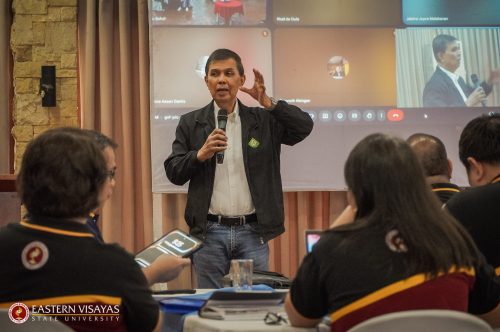
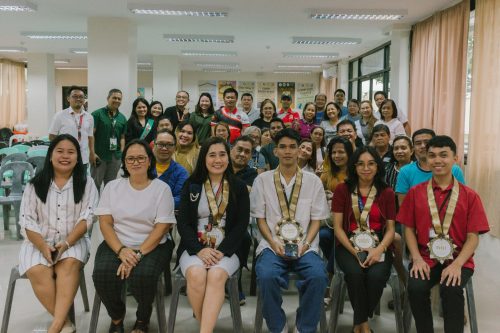
Recognizing that sustainable development policies must respond not only to present challenges but also to emerging risks and future uncertainties, EVSU conducted the Capacity Development on Futures Thinking and Strategic Foresight – Module 3: Policy Foresight on July 16–18, 2025, at Sabin Resort, Ormoc City.

The three-day capacity development program strengthened the competencies of university personnel in applying futures thinking and strategic foresight methodologies to institutional planning, policy analysis, and sustainable development decision-making. It emphasized the importance of moving beyond conventional planning approaches by considering emerging trends, possible disruptions, long-term risks, and alternative future scenarios that could affect communities, institutions, and development systems.

Among the key methodologies covered were horizon scanning, scenario planning, systems mapping, strategic foresight, and backcasting. These approaches provide a structured basis for identifying emerging problems and opportunities, examining the interconnected factors influencing development outcomes, and assessing how different interventions may shape future conditions.

Through horizon scanning, participants developed an understanding of how to identify early signals of change, emerging trends, and potential disruptions that may require policy attention. Scenario planning provided a framework for examining alternative future conditions and considering the possible consequences of different decisions or courses of action. Systems mapping encouraged a broader appreciation of the relationships among social, economic, environmental, technological, and institutional factors that influence sustainability challenges.

Meanwhile, strategic backcasting enabled participants to work backward from a preferred future and identify the policy directions, institutional arrangements, and interventions necessary to achieve it.

These methodologies are particularly relevant to the SDG policy development process because they enable institutions to evaluate possible futures with and without interventions, anticipate unintended consequences, and formulate strategies that are adaptive to changing circumstances.

By strengthening the University’s capacity in policy foresight, EVSU reinforces its ability to contribute research-based perspectives and forward-looking recommendations to government agencies, regional development organizations, and other stakeholders. The initiative also supports the integration of long-term sustainability considerations into institutional and regional planning, particularly in areas involving climate resilience, technological transformation, inclusive development, and sustainable resource management.

Participating in National Sustainability Strategy Development through Future Earth Philippines

EVSU further expanded its engagement in sustainability-oriented policy and strategic planning through its participation in the Future Earth Philippines Strategic Planning 2025, held on March 4–5, 2025, at the University Hotel, University of the Philippines Diliman, Quezon City.

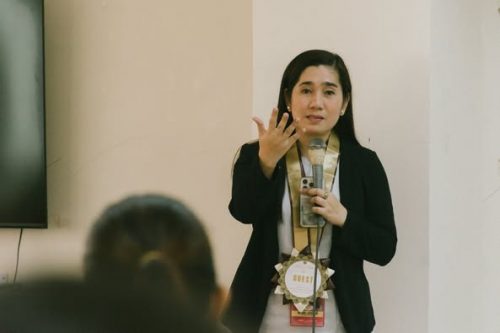
Represented by Dr. Pearl Aphrodite B. Carnice, Director of the Research and Development Office, EVSU participated in discussions involving sustainability experts, researchers, and institutional representatives working toward strengthening the direction and collaborative capacity of Future Earth Philippines.

During the strategic planning activity, the University shared updates on its progress as an SDG Action Network Pilot Hub, providing an opportunity to communicate institutional experiences and sustainability initiatives within a broader national research and development network.

The sessions focused on reviewing strategic directions, identifying opportunities for collaboration, strengthening organizational priorities, and developing approaches to address environmental and sustainability challenges. These discussions underscored the importance of integrating scientific research, institutional knowledge, and stakeholder perspectives into the formulation of strategies that respond to the country’s evolving sustainability priorities.

EVSU’s participation demonstrates its engagement in a national platform where academic institutions and sustainability stakeholders can exchange knowledge, identify shared challenges, and explore collaborative approaches to advancing the SDGs. Through its research and development functions, the University can contribute regional perspectives and experiences that are relevant to national sustainability discussions, particularly those concerning climate action, environmental protection, disaster resilience, and sustainable development.

This engagement also reinforces the University’s commitment to knowledge exchange and research collaboration as foundations for informed policy development. By participating in national sustainability networks, EVSU helps connect regional development realities with broader national sustainability objectives and strengthens opportunities for academic research to inform strategic interventions.

Supporting Local Environmental Policy Implementation through Multi-Stakeholder Engagement

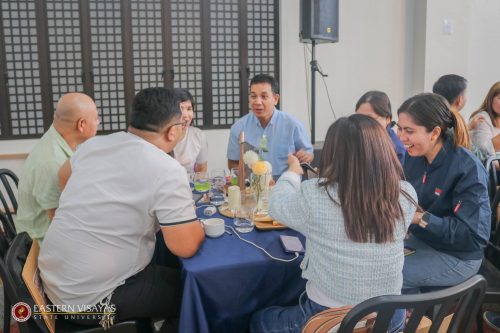
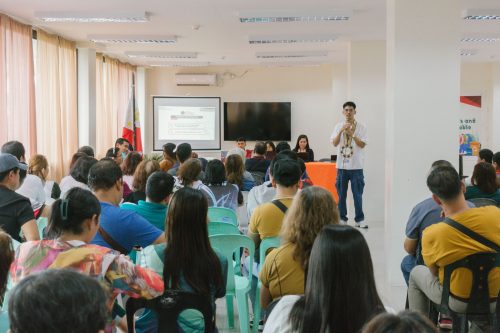
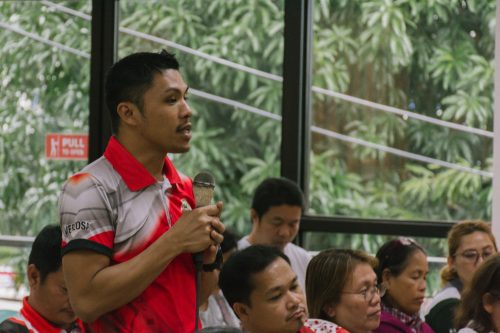
At the local level, EVSU demonstrated its contribution to environmental governance through the Sustainable Solid Waste Management Forum, conducted on February 12, 2025, at the CCDLAO Building, Tacloban City Hall.

The initiative brought together representatives from EVSU, Tacloban City Government, barangay officials, and the Environmental Management Bureau Regional Office VIII to discuss challenges and strengthen collaborative approaches to sustainable solid waste management.

The forum focused on the implementation of Republic Act No. 9003, or the Ecological Solid Waste Management Act of 2000, and relevant local environmental regulations, including the city’s solid waste management policies addressing the use of single-use plastics and Styrofoam.

Recognizing that effective environmental governance requires the active participation of communities and local institutions, the activity provided an avenue for discussing implementation gaps, clarifying the responsibilities of local stakeholders, and identifying practical approaches to strengthening barangay-level waste management practices.

Discussions emphasized the importance of grassroots governance, community participation, regulatory compliance, and institutional accountability in achieving sustainable environmental outcomes. Representatives from the Environmental Management Bureau Region VIII and the City Environment and Natural Resources Office provided technical and regulatory perspectives, while EVSU contributed its academic and institutional expertise in facilitating stakeholder discussions and promoting sustainability-oriented approaches.

The forum reflects the University’s role as a convening and knowledge-sharing institution that facilitates communication between government authorities and community-level implementers. Through this engagement, EVSU supported efforts to translate national environmental legislation and local ordinances into practical community interventions.

The initiative also highlights the importance of continuous stakeholder engagement in identifying implementation challenges, improving local strategies, and strengthening the capacity of communities to respond to environmental concerns. Such collaborative approaches contribute to more adaptive and participatory environmental governance, particularly in addressing waste management challenges that directly affect public health, urban sustainability, and environmental quality.

Strengthening Government Disaster Risk Reduction Strategies through Science, Technology, and Innovation

EVSU also contributed to the implementation and strengthening of regional disaster risk reduction and management interventions through its partnership with the Department of Science and Technology (DOST) under the project Application of Science, Technology, and Innovation for the Enhancement of Disaster Risk Reduction and Management in Region VIII.

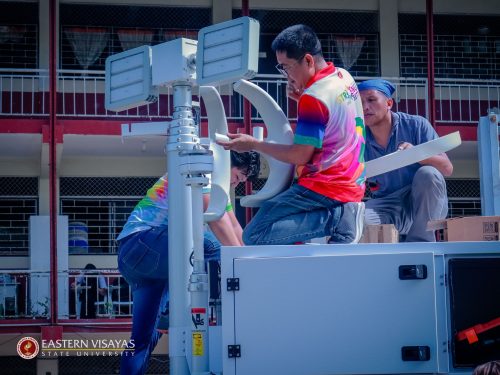
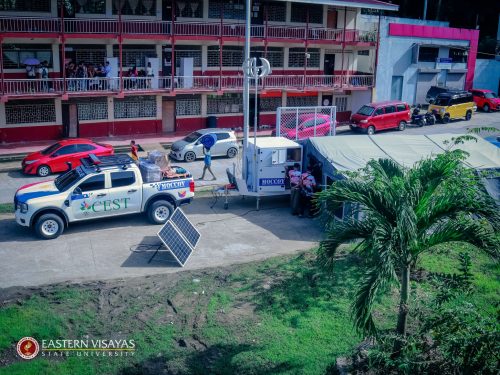
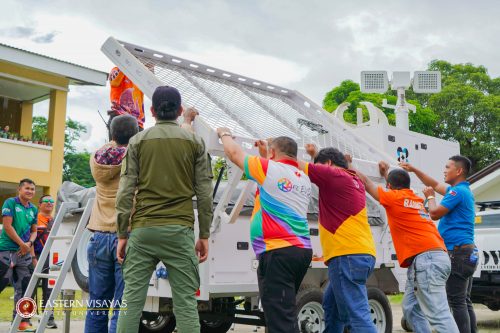
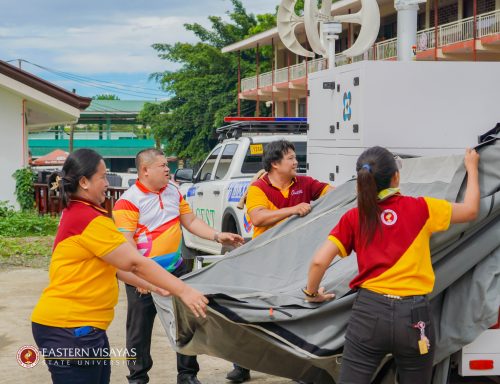
A major component of this collaboration was the deployment and operationalization of the Mobile Command and Control Vehicle with Triage Technology (MOCCOV), which aims to enhance emergency coordination, information management, and disaster response capabilities in vulnerable communities.

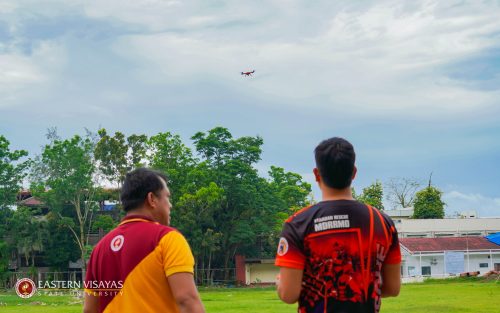
In 2025, EVSU conducted operational training for Municipal Disaster Risk Reduction and Management Councils, including activities held on May 20, to strengthen the technical capabilities of local disaster management personnel in utilizing the vehicle’s communication, surveillance, and monitoring technologies.

The training covered emergency communications, incident command system operations, real-time monitoring through cameras and drones, aerial surveillance, and simulated emergency response scenarios. These activities enabled participating local government personnel to strengthen their preparedness and operational coordination in responding to emergencies and disaster situations.

Through this partnership, EVSU supports the translation of science, technology, and innovation into practical government interventions. The integration of monitoring technologies and coordinated communication systems strengthens the ability of local authorities to gather timely information, assess evolving conditions, coordinate response operations, and make evidence-informed decisions.

The initiative is particularly relevant to the development and implementation of adaptive disaster risk reduction strategies in Eastern Visayas, a region frequently exposed to typhoons, flooding, storm surges, and other climate-related hazards. By providing technical capacity development and supporting the deployment of innovative disaster management technologies, EVSU contributes to strengthening the preparedness and responsiveness of local government institutions.

Moreover, the use of real-time monitoring and operational feedback provides opportunities for assessing the effectiveness of response interventions and identifying areas requiring improvement. These capabilities support more informed adjustments to disaster preparedness and response strategies as local conditions and emerging risks change.

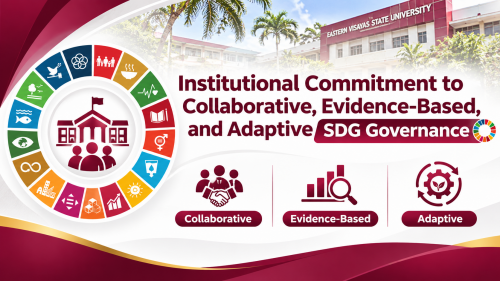
Institutional Commitment to Collaborative, Evidence-Based, and Adaptive SDG Governance

Taken together, EVSU’s 2025 initiatives demonstrate the University’s multifaceted contribution to the policy development and implementation processes of government and regional development organizations. Its engagements extend from identifying socioeconomic and environmental challenges and generating research-based insights to strengthening policy foresight, facilitating stakeholder dialogue, developing strategic interventions, and supporting the operational capabilities of government institutions.

Through regional consortium activities such as EVCIEERD, the University participates in collaborative platforms that connect academic research with regional development priorities and policy advocacy. Through futures thinking and strategic foresight, EVSU strengthens its capacity to examine alternative development scenarios and anticipate the implications of different policy choices. Its engagement with Future Earth Philippines further extends opportunities for regional knowledge and institutional experiences to contribute to national sustainability discussions.

At the local level, the University’s collaboration with Tacloban City Government and EMB Region VIII demonstrates its contribution to addressing environmental policy implementation challenges through stakeholder engagement and technical knowledge-sharing. Similarly, its partnership with DOST in disaster risk reduction and management illustrates how academic expertise, science, technology, and innovation can strengthen government interventions, monitoring capabilities, and adaptive responses to emerging risks.

These initiatives collectively reinforce EVSU’s role as a public higher education institution that contributes to governance and sustainable development beyond its institutional boundaries. By engaging national government agencies, regional consortia, local authorities, and sustainability networks, the University helps establish stronger connections between research, public policy, and community needs.

Ultimately, EVSU’s approach reflects the principles of SDG 17 (Partnerships for the Goals) by promoting meaningful collaboration among academic institutions, government agencies, research organizations, and communities, while advancing SDG 16 (Peace, Justice and Strong Institutions) through evidence-informed decision-making, participatory governance, and institutional capacity development. Its contributions also support SDG 11, SDG 13, and other interconnected goals by promoting responsive environmental governance, disaster resilience, and inclusive regional development.

Through these continuing engagements, Eastern Visayas State University affirms its commitment to serving as an active knowledge partner in shaping sustainable development strategies and strengthening the capacity of public institutions to develop, implement, monitor, and adapt policies in response to the evolving needs of society.

EXPLORE OUR SDG 17 INITIATIVES & ACTIVITIES

2026202520242023
SDG 17: Initiatives for 2026
SDG 17: Initiatives for 2025
SDG 17: Initiatives for 2024
SDG 17: Initiatives for 2023

EXPLORE OUR SDG 17 RESEARCH & PUBLICATIONS

202520242023
SDG 17: Publications for 2025
SDG 17: Publications for 2024
SDG 17: Publications for 2023

SUSTAINABLE DEVELOPMENT GOALS

20252024
2025: Sustainable Development Goals
2024: Sustainable Development Goals