SDG 17 | PARTNERSHIP FOR THE GOALS

International Collaboration Data Gathering for SDG

Eastern Visayas State University (EVSU) recognizes that advancing the United Nations Sustainable Development Goals (SDGs) requires international cooperation in generating, gathering, sharing, and measuring reliable sustainability-related data. Guided by its commitment to SDG 17: Partnerships for the Goals, the University actively engages in international research networks, sustainability science initiatives, and cross-border academic partnerships that strengthen knowledge exchange, collaborative research, and evidence-based approaches to sustainable development. 

Through its participation in Future Earth Philippines as an SDG Action Network Pilot Hub, its engagement in the Philippines–Canada Network for Sustainability, and its partnerships with international higher education institutions, EVSU expands opportunities for collaborative research and the exchange of sustainability knowledge and information. 

Complementing these engagements, the University’s development of its Sustainability Portal, aligned with the international standards and framework, , institutionalizes mechanisms for systematically gathering, consolidating, monitoring, and documenting contributions across the 17 SDGs. Collectively, these initiatives demonstrate EVSU’s commitment to connecting institutional and regional sustainability data efforts with international research communities and globally recognized measurement frameworks, reinforcing the University’s role in advancing evidence-informed decision-making and collective action toward the 2030 Agenda for Sustainable Development

Building International Partnerships for Evidence-Based
SDG Monitoring and Measurement

Eastern Visayas State University (EVSU) recognizes that achieving the United Nations Sustainable Development Goals (SDGs) requires sustained international cooperation, collective knowledge generation, and the systematic gathering, analysis, and measurement of reliable data. As a state university committed to contributing to regional, national, and global sustainable development, EVSU actively strengthens its institutional participation in international academic, scientific, and research networks to promote knowledge exchange, collaborative research, comparative assessment, and evidence-based approaches to addressing shared development challenges.

Anchored in SDG 17: Partnerships for the Goals, the University pursues international engagements that extend beyond conventional academic mobility and institutional networking. Through strategic partnerships with foreign higher education institutions, participation in international sustainability science initiatives, and the development of institutional data management mechanisms, EVSU builds opportunities for collaborative research, information exchange, and the utilization of scientific evidence in monitoring progress toward the 2030 Agenda for Sustainable Development.

These initiatives reflect the University’s understanding that effective SDG monitoring requires reliable institutional information, internationally relevant research, shared knowledge, and cooperation among academic institutions and development stakeholders across national boundaries. By connecting its regional research initiatives with international sustainability networks and globally recognized assessment frameworks, EVSU strengthens its capacity to contribute to the generation, documentation, and utilization of knowledge relevant to the SDGs.
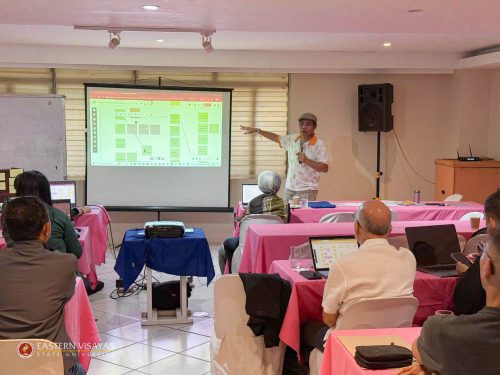
Strengthening International Sustainability Science Collaboration through Future Earth Philippines

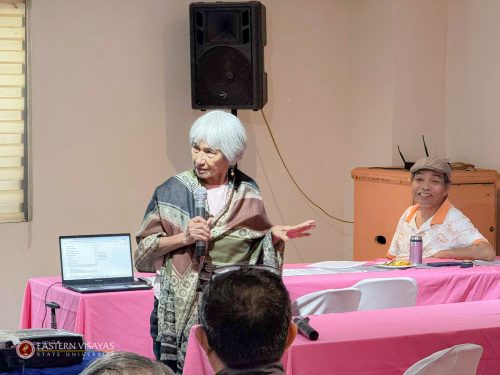
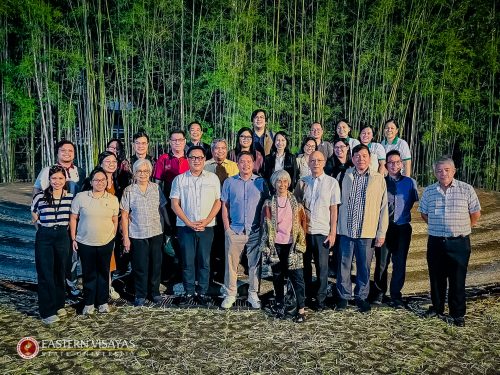
A significant demonstration of EVSU’s participation in collaborative sustainability research and international knowledge networks was its engagement in the Future Earth Philippines (FEP) Strategic Planning Sessions 2025, held on March 4–5, 2025, at the University Hotel, University of the Philippines Diliman, Quezon City.

Through its Research and Development Office, headed by Dr. Pearl Aphrodite B. Carnice, EVSU received an exclusive invitation to participate in the strategic planning activity, where the University presented updates on its progress as an SDG Action Network Pilot Hub. This institutional role highlights EVSU’s involvement in a sustainability-oriented collaborative network that seeks to mobilize scientific knowledge, strengthen partnerships, and promote coordinated action in addressing interconnected environmental and development challenges.

Led by National Scientist Dr. Lourdes J. Cruz, Project Leader of Future Earth Philippines, the strategic planning sessions brought together experts and thought leaders in sustainable development to review organizational priorities, identify strategic directions, and strengthen cooperation among participating partner agencies. The first day focused on reviewing the organization’s core values and strategies, while the second day emphasized networking and strengthening partnerships and operations among participating institutions.

EVSU’s participation is particularly significant because it connects the University’s institutional research agenda with a broader sustainability science community. Through its engagement with Future Earth Philippines, the University strengthens opportunities to exchange research experiences, share institutional perspectives, identify collaborative research priorities, and contribute academic and scientific knowledge to discussions addressing contemporary environmental and development challenges.

The engagement also provides an enabling environment for collaborative research, the exchange of sustainability-related information, and the development of evidence-informed approaches to understanding environmental conditions and climate-related risks. These are important foundations for monitoring progress toward SDG 13 (Climate Action) and other interconnected goals, particularly those concerning environmental protection, resilient communities, sustainable resource management, and institutional partnerships.

Considering Eastern Visayas’ exposure to climate-related hazards and environmental vulnerabilities, EVSU’s participation in this research-oriented network provides an important avenue for connecting regional knowledge and research expertise with broader sustainability science initiatives. Through its role as an SDG Action Network Pilot Hub, the University reinforces the importance of integrating locally grounded research with collaborative knowledge generation and evidence-based sustainability strategies.

This engagement demonstrates that EVSU’s international collaboration is not limited to establishing institutional agreements but also involves active participation in research-oriented networks that promote scientific cooperation, sustainability knowledge exchange, and the development of institutional capacities for SDG-related research and measurement.

Expanding International Research Collaboration through Global Academic Networks

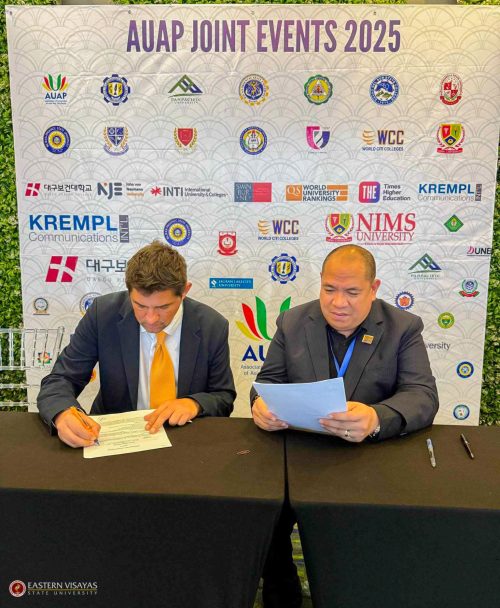
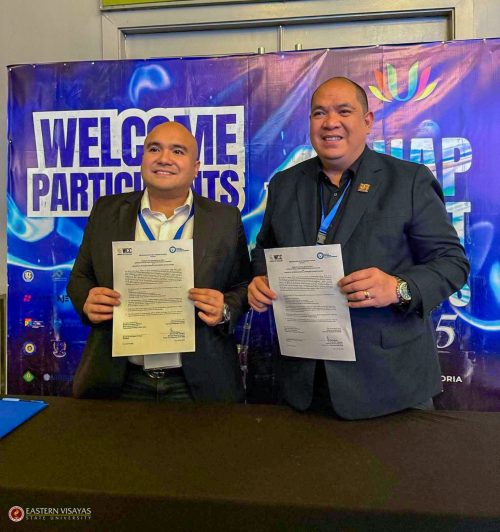
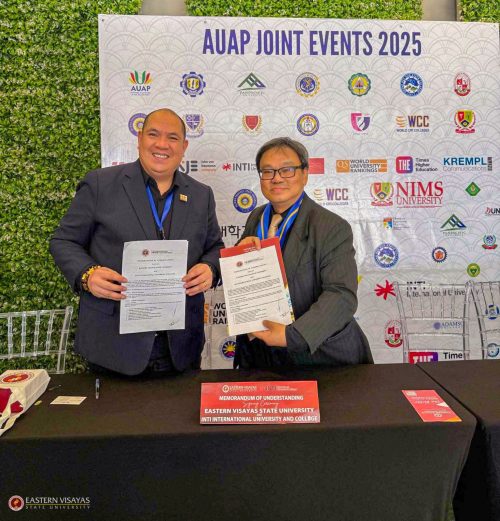
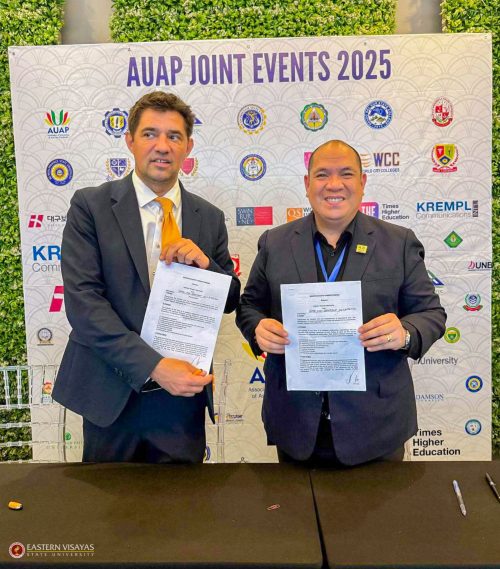
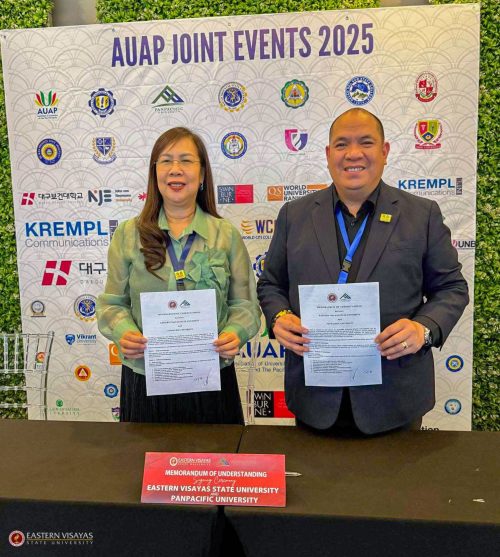
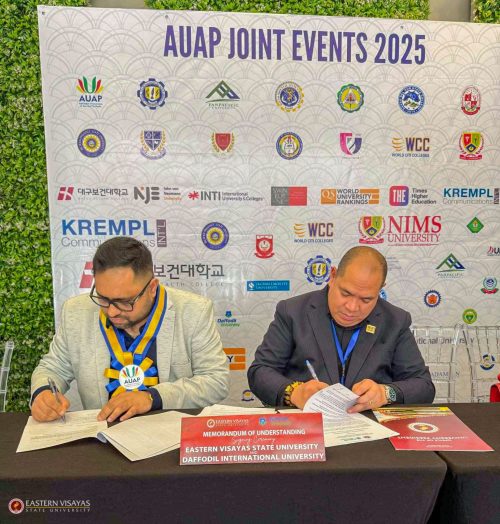
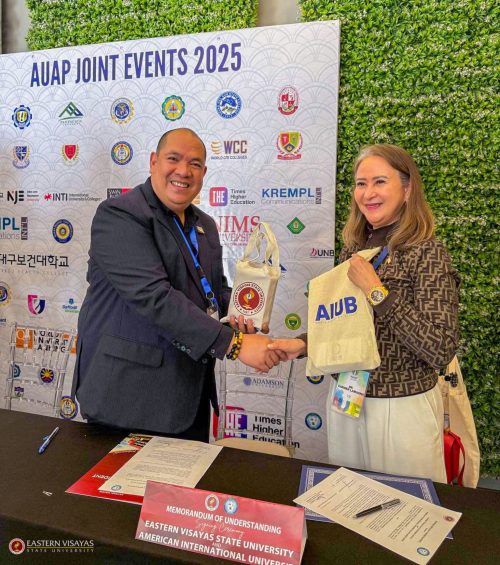
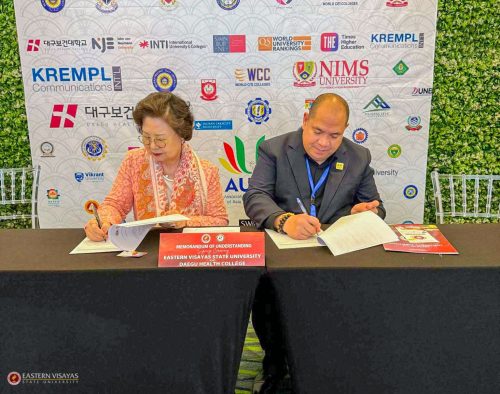
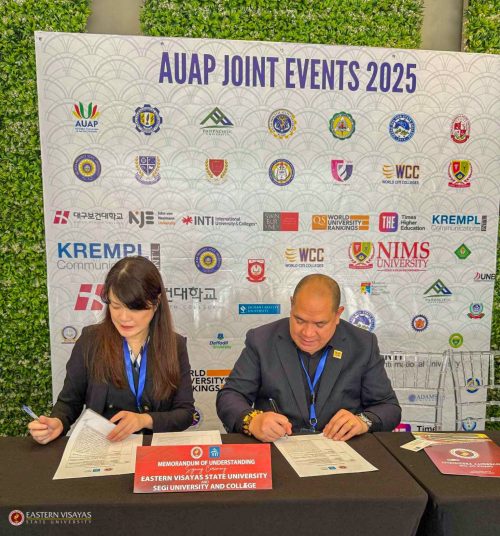
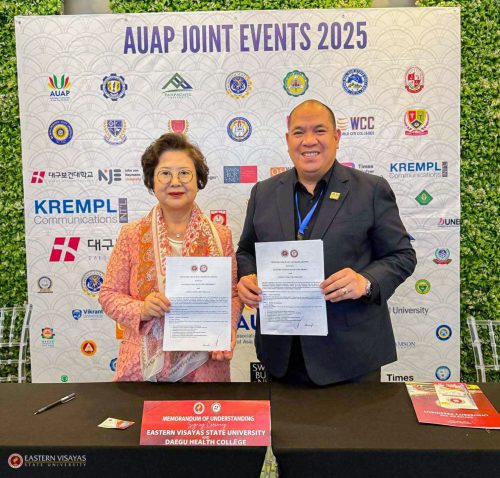
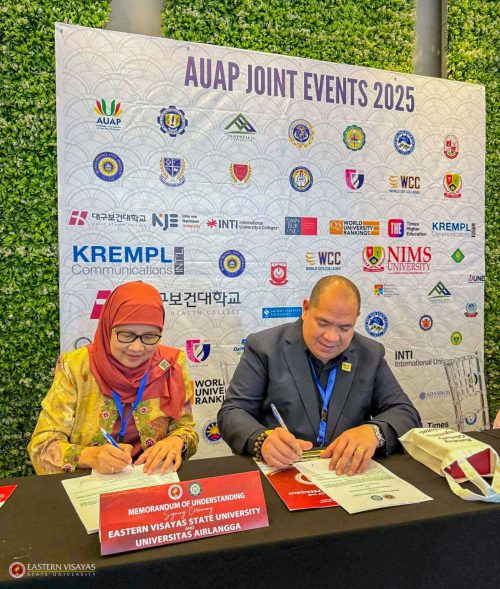
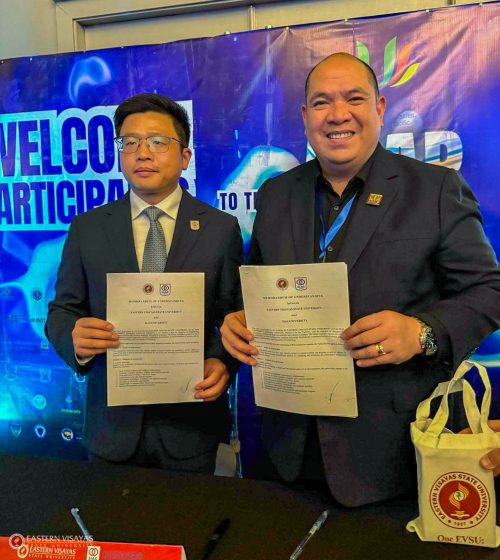
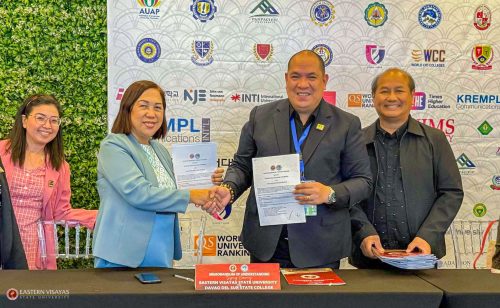
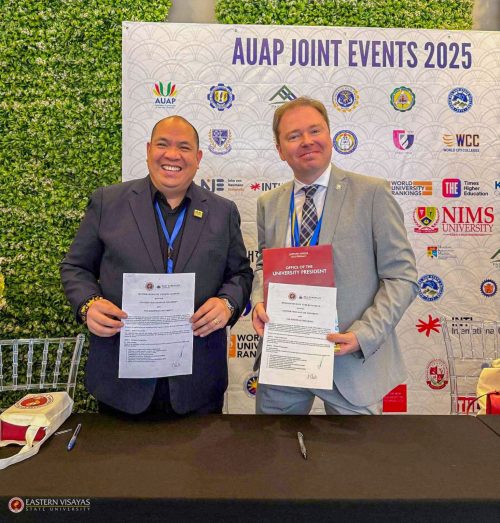
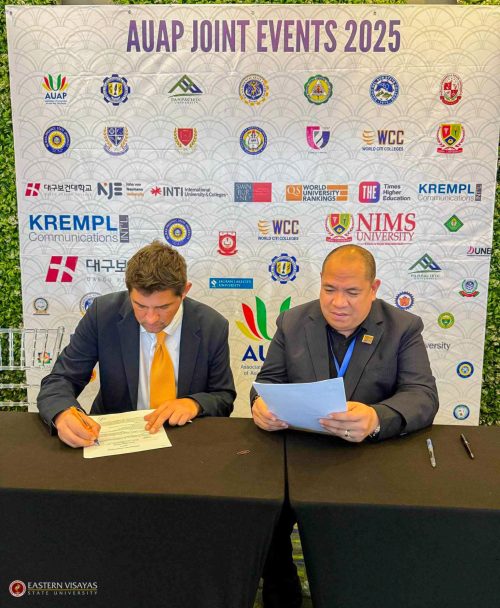
Another significant milestone in EVSU’s internationalization efforts in 2025 was its participation in the 37th Annual Conference of the Association of Universities of Asia and the Pacific (AUAP), held on May 21–23, 2025, in Manila. During the conference, EVSU secured 16 Memoranda of Understanding (MOUs), including agreements with 10 international higher education institutions from South Korea, Slovakia, Malaysia, China, Hungary, Bangladesh, Indonesia, and Thailand.

The University’s new international partners include Daegu Health College, Pan European University, INTI University, SEGi University and Colleges, SIAS University, John von Neumann University, Daffodil International University, American International University, Universitas Airlangga, and MIDAS – The Master’s Institute Development Academy and Seminary.

These agreements establish pathways for strategic academic and research cooperation, including joint research programs, scholarly collaboration, exchange of faculty and students, joint supervision of graduate research, participation in international conferences, and shared access to educational and research resources.

By establishing formal partnerships with institutions across different countries and higher education systems, EVSU expands its access to international research communities and creates opportunities for comparative studies addressing common socioeconomic, educational, technological, and environmental concerns.

These partnerships are particularly valuable in advancing research that contributes to the SDGs. Through joint research initiatives, exchange of scholarly findings, and comparative analysis of institutional and community development experiences, participating institutions can generate knowledge and evidence relevant to quality education, innovation, environmental sustainability, climate resilience, and inclusive development.
The agreements therefore provide an institutional foundation for expanding EVSU’s participation in international research cooperation and strengthening its capacity to contribute to the global exchange of sustainability-related knowledge and information.

Development of the EVSU Sustainability Portal through Internationally Aligned SDG Measurement

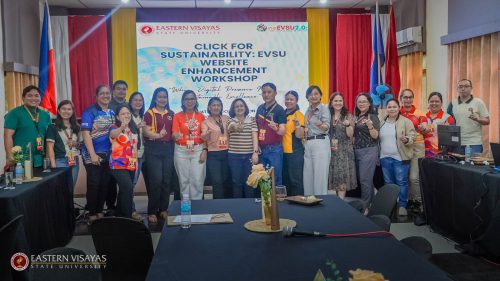
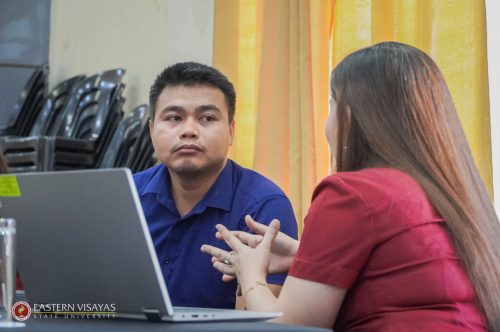
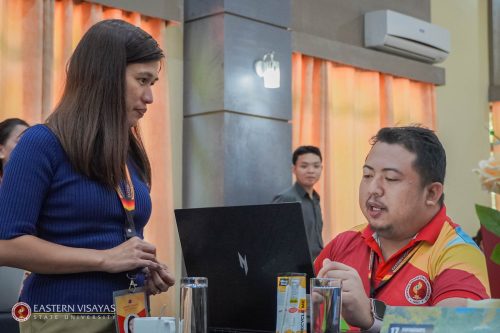
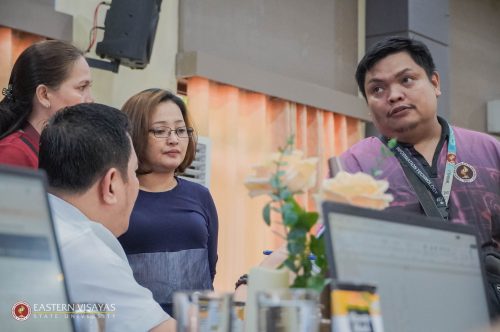
Complementing its international academic and research partnerships, EVSU strengthened its institutional capacity for sustainability measurement through the development of its EVSU Sustainability Portal after its membership to the Times Higher Education Sustainability Network, an internationally recognized university assessment network that evaluates higher education institutions according to their contributions to the United Nations SDGs.

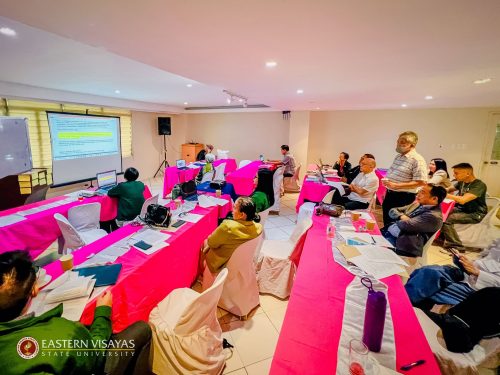
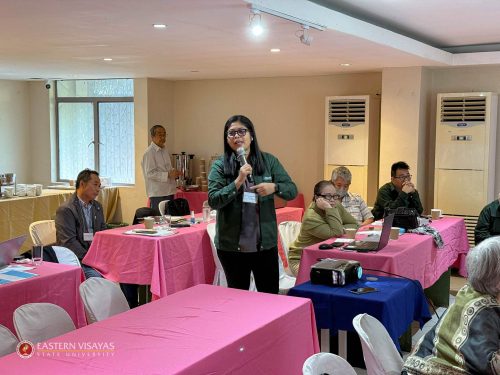
On September 10–12, 2025, the University’s Times Higher Education (THE) Core Team conducted a three-day training-workshop focused on developing an institutional platform for sustainability data management, documentation, monitoring, and reporting.

The initiative responds to the University’s need for a centralized and systematic mechanism for gathering information on its policies, programs, research outputs, extension activities, institutional practices, and other contributions to the 17 SDGs.

Rather than treating sustainability information as isolated submissions from individual offices and campuses, the portal development initiative advances a coordinated institutional approach to collecting, consolidating, organizing, and validating evidence of EVSU’s contributions to sustainable development.

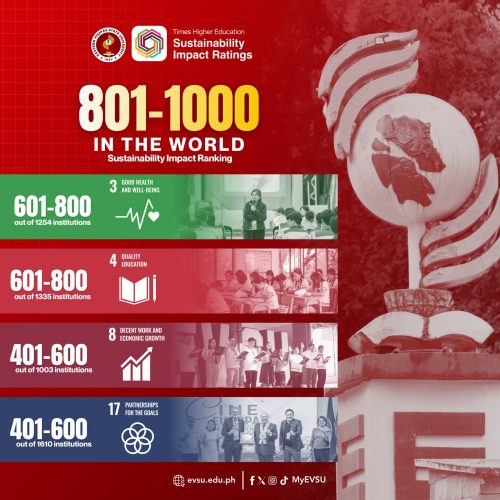
A particularly important dimension of this undertaking is its alignment with the Times Higher Education Sustainability Impact Ratings.The framework considers university performance across research, stewardship, outreach, and teaching, providing internationally comparable dimensions through which institutional contributions to sustainable development can be documented and assessed.

Through the Sustainability Portal, EVSU seeks to strengthen the consistency, accessibility, and reliability of its SDG-related information while facilitating the identification of relevant indicators, responsible offices, supporting documentation, and measurable institutional outputs.

The platform also provides a foundation for longitudinal monitoring, enabling the University to track developments over time, identify data gaps, evaluate institutional performance, and use documented evidence to inform planning and continuous improvement.

By aligning its institutional data management practices with an international sustainability assessment framework, EVSU strengthens its capacity to participate in the broader global process of measuring university contributions to sustainable development. This initiative demonstrates the University’s recognition that credible SDG monitoring requires not only the implementation of sustainability programs but also systematic documentation and measurement using transparent and comparable indicators.

Strengthening Cross-Border Academic and Research Connections through the European Higher Education Fair 2025

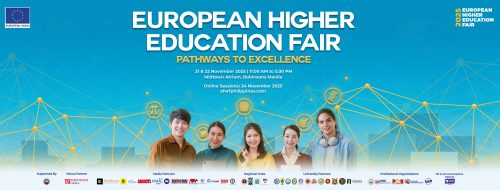
Further demonstrating its commitment to international academic cooperation, EVSU participated in the European Higher Education Fair (EHEF) 2025 as the Visayas Regional Hub. Organized through the collaboration of the Delegation of the European Union to the Philippines, European embassies, and cultural institutions, the fair brought together 95 higher education institutions to promote international academic partnerships, scholarships, mobility opportunities, and research cooperation.

EVSU’s participation as the regional hub extended the University’s internationalization role beyond its own institutional community by providing a platform through which higher education institutions and academic stakeholders in the Visayas could connect with European educational and research networks.

This engagement contributes to the University’s broader strategy of facilitating cross-border knowledge exchange and expanding opportunities for collaborative research and innovation. By strengthening its connections with European institutions, EVSU opens additional pathways for academic cooperation, research partnerships, and the exchange of expertise that can support the generation of knowledge and evidence relevant to sustainable development.

The international connections fostered through EHEF also complement EVSU’s existing partnerships and its efforts to align institutional research and sustainability initiatives with global priorities. In this regard, international academic engagement serves as an important foundation for future collaboration in SDG-related research, comparative assessment, and the exchange of sustainability data and practices.

Sustaining International Academic Cooperation through the PhilCanEDUCON Infin8 Network

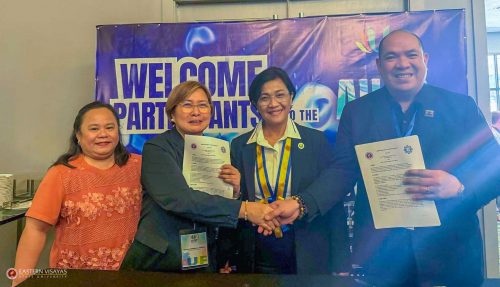
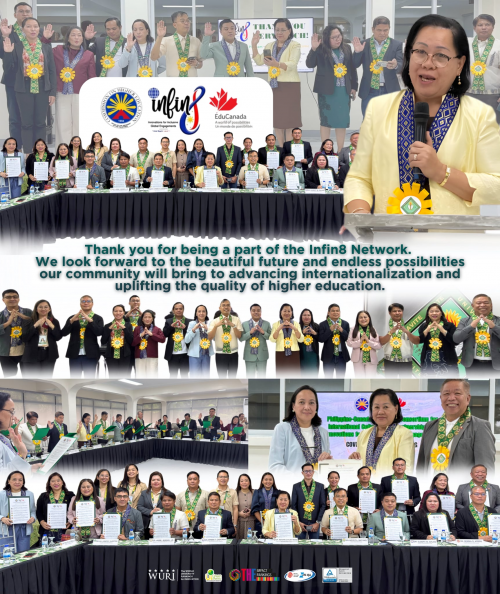
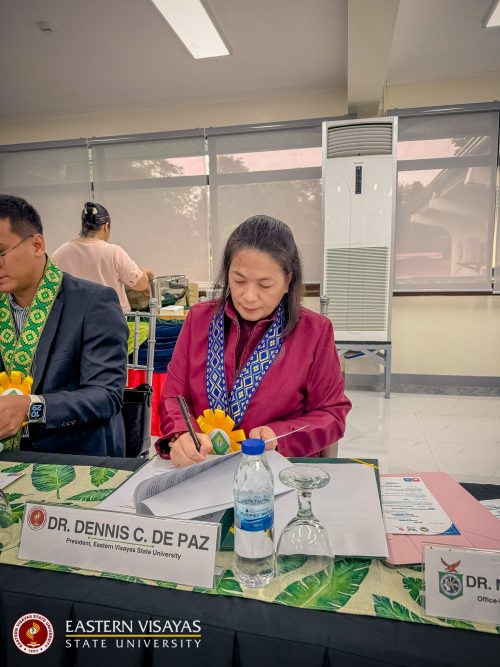
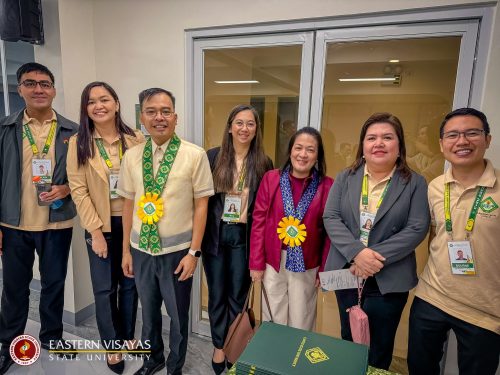
EVSU further reinforced its international academic linkages through its participation in the Ceremonial Signing of the Covenant of Understanding for the PhilCanEDUCON Infin8 Network on December 9, 2025, represented by Vice President for Student Development, Internationalization, and External Affairs, Dr. Analyn C. Españo.

The network emerged from sustained collaboration among Philippine higher education institutions at the 2024 CBIE Conference in Ottawa, Canada. The initiative builds on the continuing academic engagements between Philippine and Canadian higher education institutions and provides an additional platform for institutional cooperation, research collaboration, and knowledge exchange.

Through its participation, EVSU demonstrates its commitment to maintaining international partnerships that can support collaborative academic undertakings and contribute to addressing shared development priorities. The network reinforces the value of international cooperation in mobilizing institutional expertise, connecting researchers, and promoting the exchange of knowledge and experiences across national boundaries.

In the context of the SDGs, these partnerships provide opportunities for participating institutions to explore collaborative research, share development-related findings, and strengthen the use of evidence in addressing challenges in education, social development, environmental sustainability, and institutional innovation.

Advancing Evidence-Based Sustainability Governance and Global Benchmarking

EVSU’s international partnerships and institutional sustainability initiatives are complemented by its commitment to participating in global sustainability assessment and benchmarking mechanisms. Through its engagement with the Times Higher Education Sustainability Impact Ratings and the development of its Sustainability Portal, the University recognizes the importance of internationally comparable indicators in assessing its contribution to the SDGs.
This approach encourages institutional offices, academic units, research teams, and extension implementers to systematically document their contributions and provide verifiable information on the University’s sustainability-related programs and accomplishments. The resulting institutional evidence supports the assessment of university performance and provides a basis for identifying areas requiring further intervention, collaboration, and improvement.

More importantly, EVSU’s approach recognizes that SDG measurement should not be confined to internal reporting. Connecting institutional data systems with international assessment frameworks and academic networks creates opportunities for the University to participate in wider discussions on sustainable development, exchange methodological practices, and strengthen the comparability and usefulness of sustainability information.

By integrating international collaboration with institutional data management, EVSU seeks to ensure that its sustainability initiatives are supported by reliable evidence and contribute meaningfully to the broader understanding of how higher education institutions advance the 2030 Agenda.

Institutional Commitment to Collaborative SDG Data Generation and Measurement

Taken collectively, EVSU’s international academic partnerships, participation in sustainability networks, engagement with European and Canadian higher education institutions, and development of its Sustainability Portal demonstrate a coordinated institutional effort to strengthen its contribution to international SDG knowledge generation and measurement.

The University recognizes that the complex and interconnected nature of sustainable development requires shared research methodologies, reliable information, comparable indicators, and collaboration among institutions across geographical and disciplinary boundaries. Consequently, EVSU continues to strengthen its international partnerships while developing institutional mechanisms that facilitate the systematic gathering, organization, validation, and reporting of sustainability-related information.

Through these complementary initiatives, EVSU reinforces its role as an active participant in the international higher education community and strengthens the institutional foundations necessary for collaborative SDG research, data exchange, and sustainability performance assessment. Ultimately, the University’s commitment is to ensure that its local and regional development initiatives are connected to global sustainability priorities and that its contributions to the SDGs are supported by credible, measurable, and evidence-based information.

Through international partnerships and strengthened institutional SDG data systems, Eastern Visayas State University advances its commitment to making knowledge, research, and evidence essential instruments for achieving the Sustainable Development Goals and building a more sustainable, resilient, and inclusive future.

EXPLORE OUR SDG 17 INITIATIVES & ACTIVITIES

2026202520242023
SDG 17: Initiatives for 2026
SDG 17: Initiatives for 2025
SDG 17: Initiatives for 2024
SDG 17: Initiatives for 2023

EXPLORE OUR SDG 17 RESEARCH & PUBLICATIONS

202520242023
SDG 17: Publications for 2025
SDG 17: Publications for 2024
SDG 17: Publications for 2023

SUSTAINABLE DEVELOPMENT GOALS

20252024
2025: Sustainable Development Goals
2024: Sustainable Development Goals