SDG 17 | PARTNERSHIP FOR THE GOALS

Collaboration for SDG Best Practice

Eastern Visayas State University (EVSU) recognizes that advancing the Sustainable Development Goals (SDGs) requires continuous international cooperation, collaborative research, and the exchange of knowledge and proven approaches among higher education institutions, research organizations, and development partners across countries. In 2025, the University strengthened its commitment to Collaboration for SDG Best Practice by actively engaging in international research partnerships, academic networks, strategic dialogues, and knowledge-sharing initiatives that enable the examination of comparative approaches to addressing global development challenges. Through collaborations with institutions such as La Trobe University in Australia, Kobe University in Japan, and various international academic partners, EVSU explored approaches to climate adaptation, disaster resilience, sustainability science, inclusive education, and institutional innovation. These engagements provided opportunities to learn from international experiences, exchange research perspectives, examine emerging solutions, and identify practices that can be contextualized to the needs and development priorities of Eastern Visayas. By connecting global expertise with local research and community realities, EVSU reinforces its commitment to developing evidence-informed, inclusive, and sustainable solutions while contributing to the collective pursuit of the United Nations Sustainable Development Goals, particularly SDG 17: Partnerships for the Goals.

International Collaboration and Research: Reviewing Comparative Approaches
and Advancing Best Practices for the Sustainable Development Goals

Eastern Visayas State University (EVSU) recognizes that achieving the Sustainable Development Goals (SDGs) requires more than localized interventions. Addressing interconnected global challenges such as climate change, environmental degradation, disaster vulnerability, educational inequality, technological transformation, and sustainable community development demands the collective expertise, research capabilities, and shared experiences of institutions across countries. In this regard, the University actively pursues international collaboration as a strategic mechanism for examining comparative approaches, strengthening research capacities, exchanging institutional knowledge, and identifying effective practices that can be adapted to the Philippine and Eastern Visayas contexts.

Throughout 2025, EVSU strengthened its engagement with international universities, research institutions, sustainability networks, and development organizations through collaborative research projects, international academic conferences, strategic planning engagements, knowledge-sharing activities, and institutional partnerships. These initiatives provided opportunities for the University to participate in discussions on global development concerns, examine different approaches to addressing shared challenges, and connect international research perspectives with the realities of vulnerable communities in Eastern Visayas. Through its Research and Development Office, Office of Internationalization and External Affairs, academic units, and other institutional offices, EVSU continued to promote international knowledge-sharing as an integral component of its research, instruction, extension, and sustainability agenda.

The University’s international engagements are particularly significant given the vulnerability of Eastern Visayas to climate-related hazards, its continuing need for disaster-resilient communities, and the importance of strengthening equitable access to quality education, research, and technological innovation. By participating in international research and knowledge networks, EVSU seeks to ensure that its institutional responses are informed not only by local experiences but also by scientific evidence, international perspectives, and approaches developed and implemented in other countries.
Advancing Comparative Climate Adaptation Research through the La Trobe University International Research Collaboration

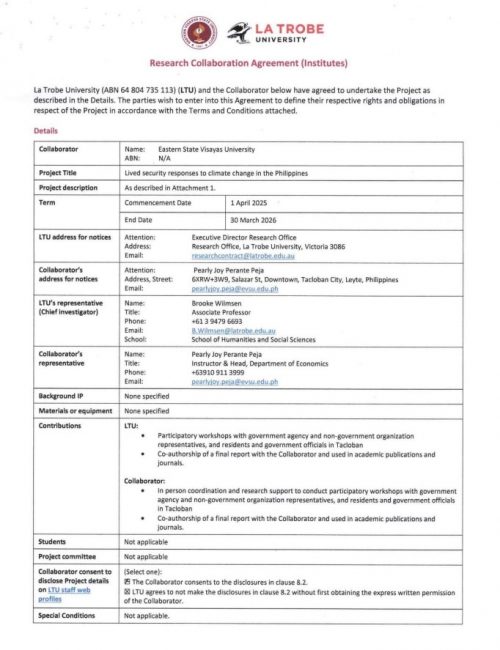
One of EVSU’s most significant international research engagements in 2025 was its participation in the collaborative research project entitled “Lived Security Responses to Climate Change in the Philippines,” funded by La Trobe University of Australia. The research collaboration agreement covered the period April 1, 2025, to March 30, 2026, and brought together Philippine and international academic institutions, including the Center for Climate Change and Environmental Research in the Philippines (CCARPH), Ateneo de Manila University, Eastern Visayas State University, Visayas State University, Lingnan University, and the University of Melbourne.

The project responds to the increasing recognition that climate change is not exclusively an environmental concern but also a matter of human security, community welfare, social justice, and sustainable development. The Philippines’ exposure to tropical cyclones, flooding, landslides, and sea-level rise makes the examination of climate adaptation strategies particularly urgent. The project recognizes that responses to climate change differ considerably across communities and institutions, ranging from locally initiated, community-led nature-based solutions to large-scale infrastructure development, resettlement, and other government-led adaptation interventions.

A central feature of the collaboration is its examination of how Philippine coastal communities experience and respond to climate-related threats in their everyday lives. Through the concept of “lived security,” the research seeks to understand how people interact with government-led climate responses, how they negotiate their own security and livelihood needs, and how they participate in determining their climate futures. The project also establishes platforms for exchanging knowledge among government agencies, academic institutions, and communities, with the objective of developing research questions and methodologies that recognize different forms of knowledge and experience.

For EVSU, this international collaboration creates a valuable opportunity to examine comparative approaches to climate adaptation, particularly the relationship between community-led solutions and large-scale institutional interventions. International research perspectives can help the University understand the strengths, limitations, and implications of different adaptation strategies, including their effects on vulnerable populations, community participation, environmental sustainability, and long-term security.

The research also provides a mechanism for bringing international expertise into the study of local climate vulnerabilities. By situating research discussions and community engagement in the Philippines, the collaboration connects broader international debates on climate security with the lived experiences of communities in Eastern Visayas. Its interdisciplinary and multinational structure encourages the integration of environmental science, social research, development studies, and policy perspectives in identifying more responsive approaches to climate resilience.
Beyond generating scholarly knowledge, the collaboration aims to strengthen enduring research partnerships, increase co-authored academic publications, establish meaningful government and community linkages, and develop future research funding opportunities. These objectives position EVSU within a broader international research community working to improve the understanding of climate-related risks and advance evidence-informed adaptation strategies.
The initiative directly contributes to SDG 13 (Climate Action) through collaborative research on climate adaptation and resilience, while advancing SDG 17 (Partnerships for the Goals) through international academic cooperation and shared research development. It also supports the University’s strategic aspiration to become the National University for Resiliency and Climate Action.
Examining International Disaster Preparedness and Community Resilience through the Kobe University–EVSU Disaster Memory Study Program

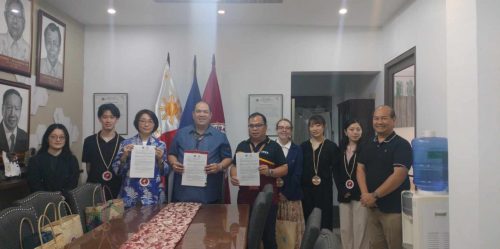
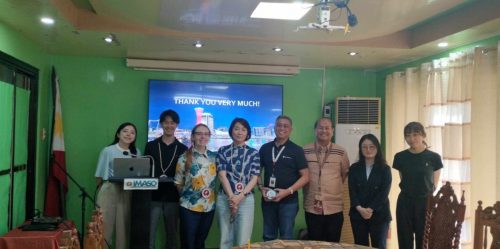
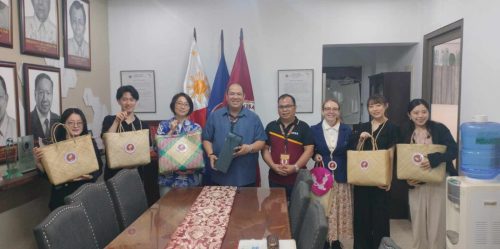
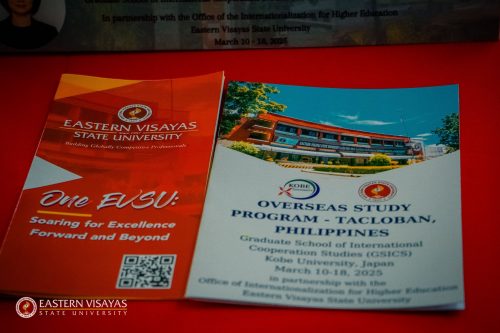
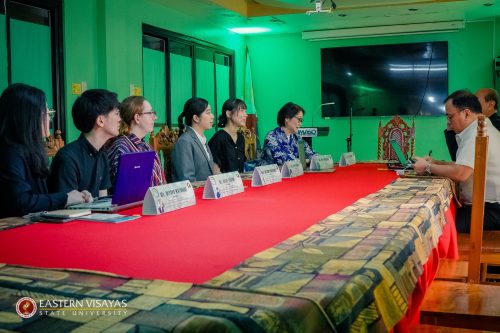
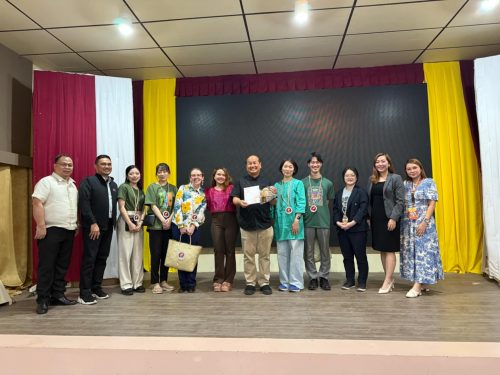
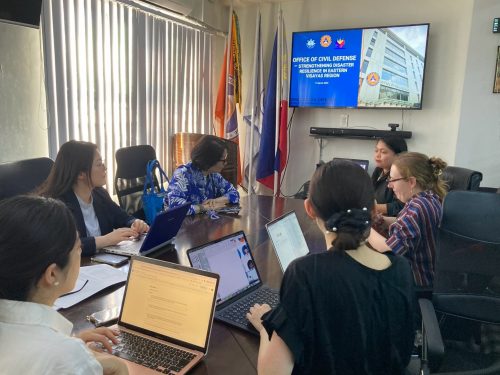
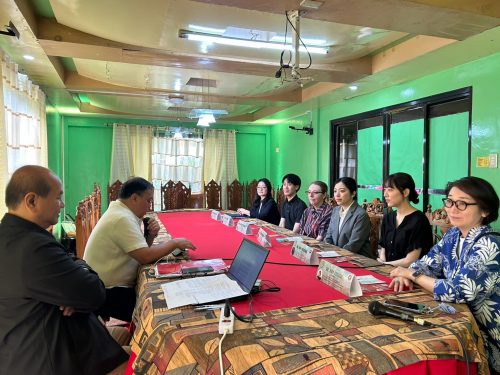
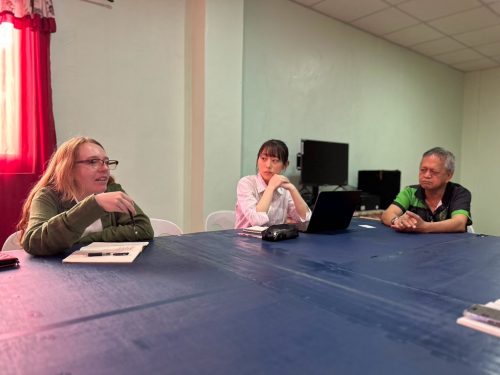
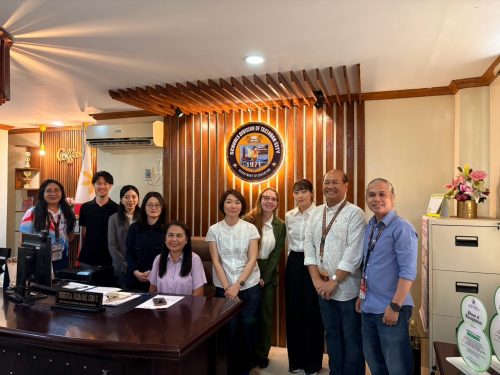
Complementing its climate adaptation research, EVSU strengthened its academic engagement with Japan through its collaboration with the Graduate School of International Cooperation Studies (GSICS) of Kobe University. From March 10 to 18, 2025, the University, through its Office of Internationalization and External Affairs, hosted an overseas study program involving a delegation led by Dr. Sakurai Aiko, consisting of one doctoral student and four master’s students.

The study focused on the transmission of disaster memories and their influence on communities, particularly in Tacloban City and nearby municipalities devastated by Super Typhoon Yolanda (Haiyan) in 2013. The research sought to understand how disaster experiences are preserved, communicated, and transmitted across generations and how collective memory influences present and future disaster preparedness, response, and recovery strategies.

The program included engagements with key institutions and stakeholders involved in disaster risk reduction and community recovery, including the Philippine Atmospheric, Geophysical, and Astronomical Services Administration (PAGASA), the Department of Education, the Office of Civil Defense, academic and religious institutions, coastal barangays, and Yolanda memorial sites. Discussions and field engagements also provided opportunities to hear firsthand accounts from survivors and community members regarding the long-term consequences of the disaster and the evolving strategies used to rebuild their communities.

The international dimension of this initiative is particularly valuable because Japan has extensive experience in disaster preparedness, disaster education, post-disaster recovery, and the preservation of collective disaster memory. Through academic engagement with Kobe University, EVSU became part of an international learning environment in which Japanese and Philippine experiences could inform a deeper understanding of how disaster knowledge can be preserved and translated into practical preparedness measures.

The study also highlights the importance of examining disaster resilience beyond physical infrastructure and emergency response mechanisms. Community awareness, institutional memory, local leadership, risk communication, cultural practices, and intergenerational learning are equally important considerations in developing effective disaster preparedness strategies. By examining these dimensions through international academic inquiry, EVSU contributes to a more comprehensive understanding of resilience that integrates social, cultural, educational, and institutional perspectives.

For Eastern Visayas, where communities continue to experience recurring typhoons and other natural hazards, the research provides a relevant foundation for strengthening disaster education, community preparedness, and institutional learning. The knowledge generated through such comparative engagement can inform future research and extension initiatives that recognize the importance of preserving disaster experiences and transforming them into practical lessons for preventing future loss and strengthening community resilience.

The initiative contributes directly to SDG 11 (Sustainable Cities and Communities) through its emphasis on disaster-resilient communities and SDG 13 (Climate Action) through the strengthening of preparedness and adaptation knowledge. It also demonstrates SDG 17 through the exchange of academic expertise and the development of international research relationships.

Expanding International Academic and Research Cooperation through the 37th AUAP Annual Conference

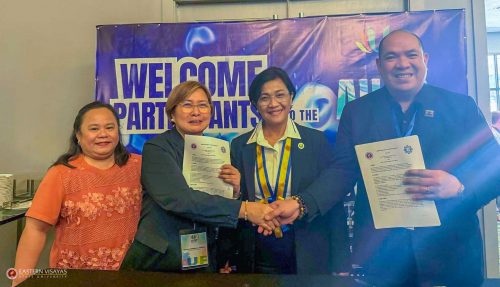
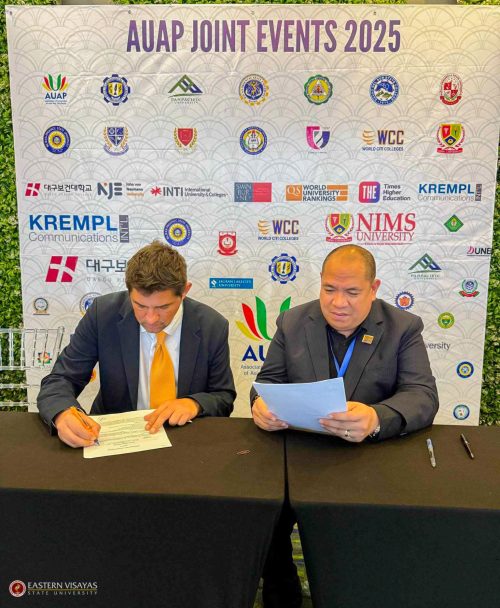
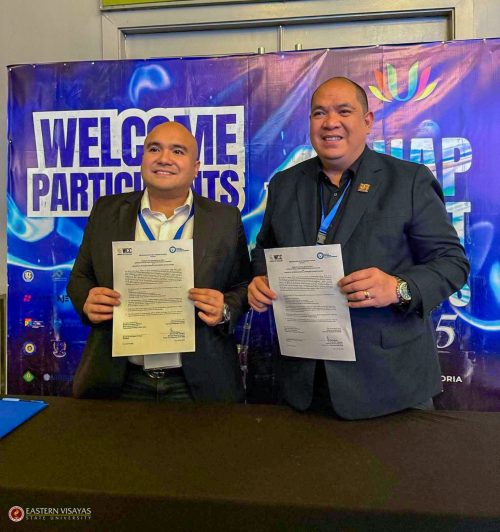
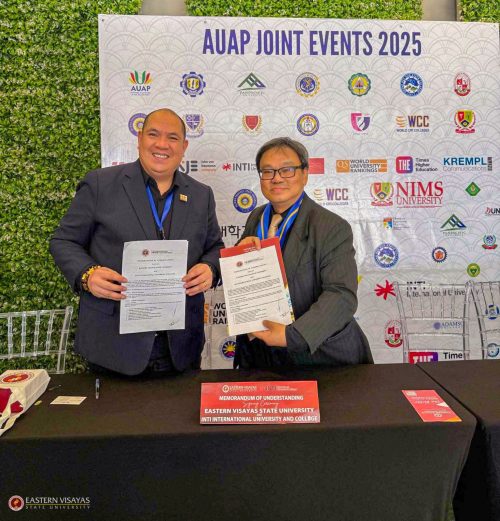
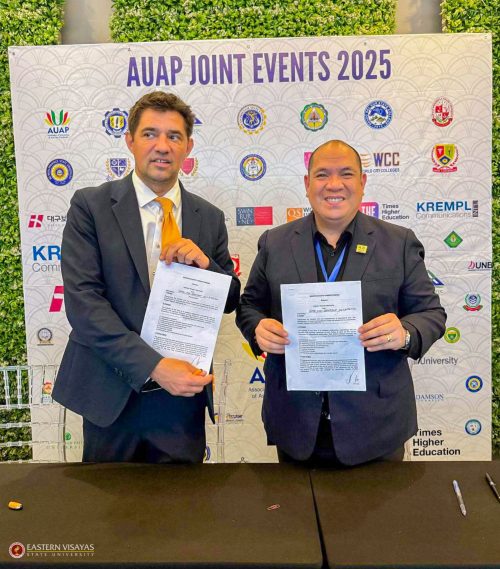
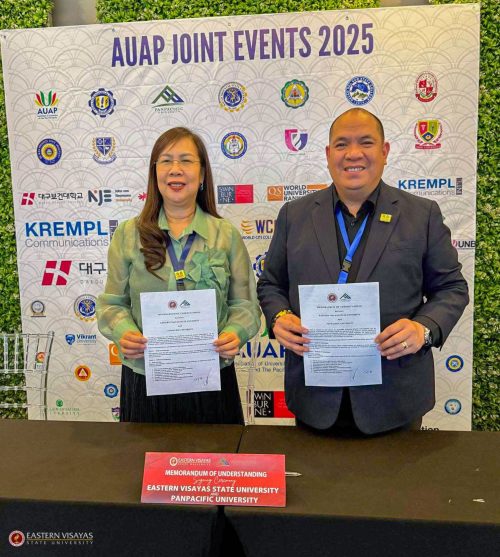
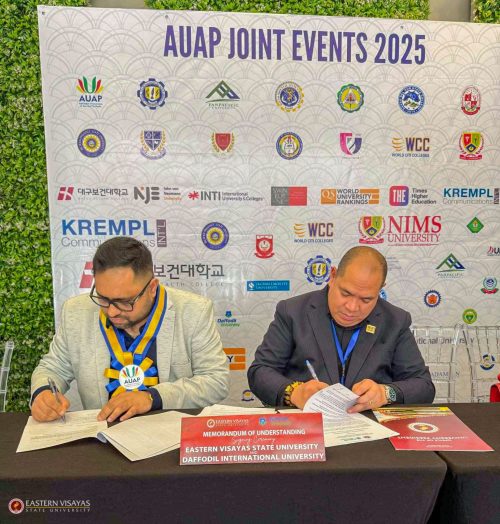
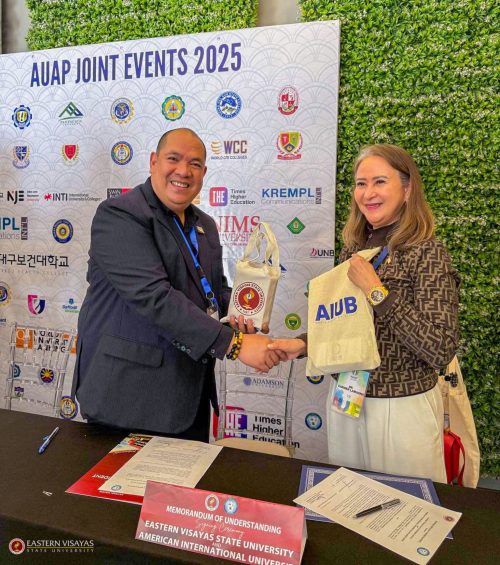
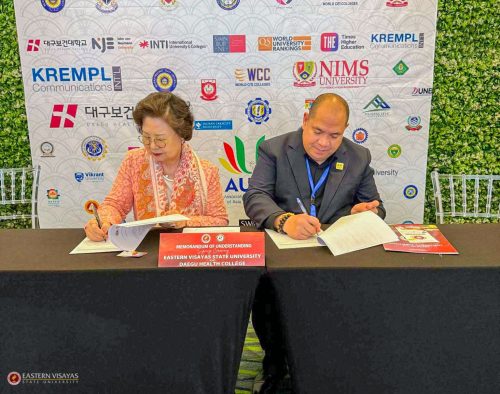
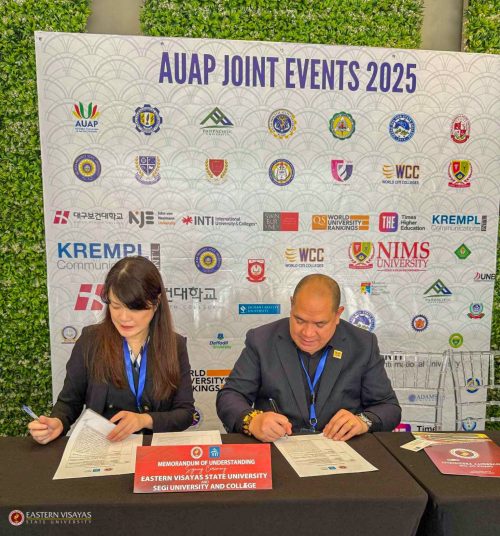
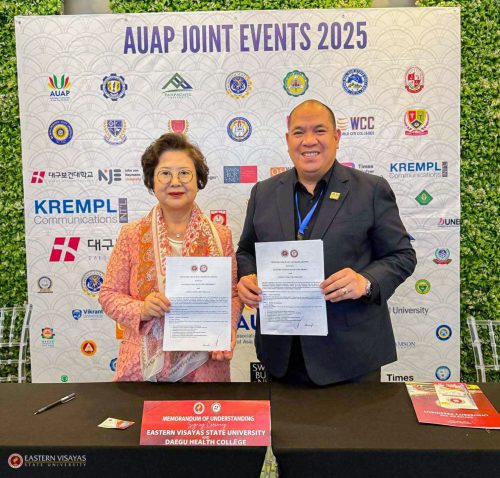
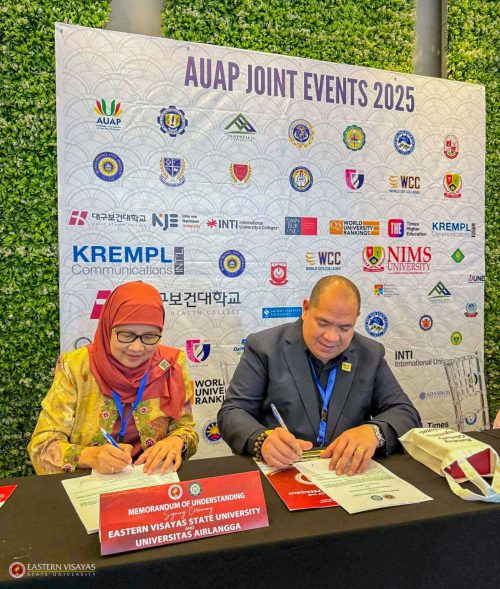
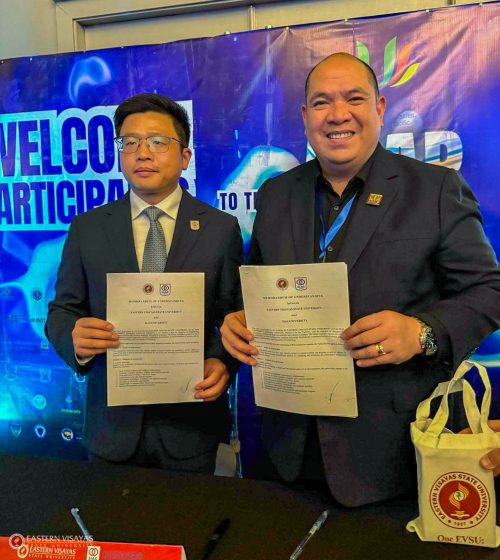
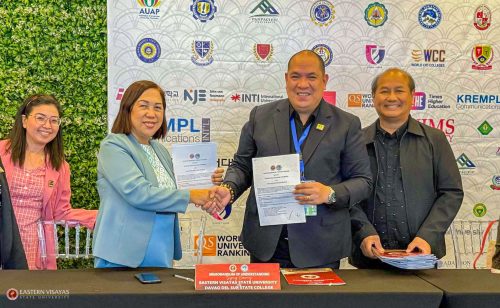
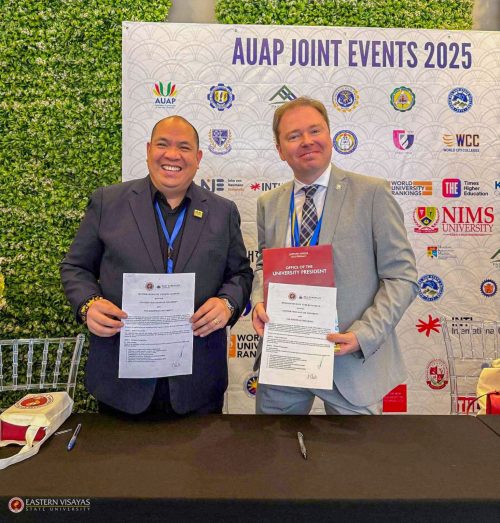
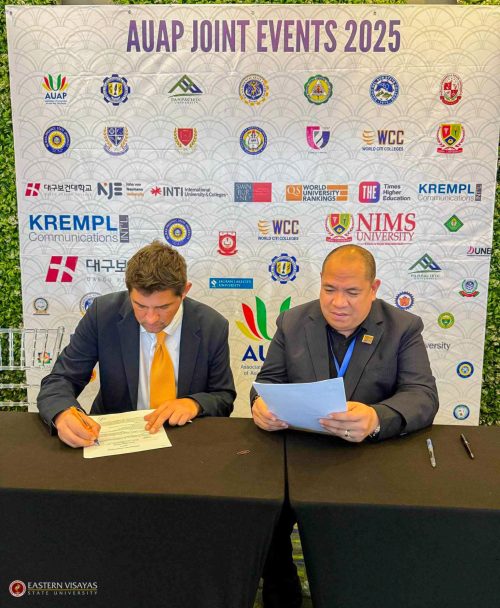
In its continuing effort to strengthen international research collaboration, EVSU participated in the 37th Annual Conference of the Association of Universities of Asia and the Pacific (AUAP), held in Manila on May 21–23, 2025. The University’s participation resulted in a significant institutional milestone: the formalization of 16 Memoranda of Understanding with 10 new international institutions and six local higher education institutions.

The new international partners included Daegu Health College of South Korea, Pan European University of Slovakia, INTI University and SEGI University and Colleges of Malaysia, SIAS University of China, John von Neumann University of Hungary, Daffodil International University and American International University of Bangladesh, Universitas Airlangga of Indonesia, and MIDAS of Thailand.

The agreements established opportunities for joint research programs, scholarly collaboration, faculty and student exchanges, joint supervision of master’s and doctoral theses, double-degree programs, participation in academic conferences and workshops, scholarship opportunities, internship exchanges, and shared access to academic and research resources.

These institutional partnerships are important because international collaboration enables universities to examine different academic systems, research methodologies, institutional management practices, and approaches to addressing development challenges. Through the agreements, EVSU creates opportunities for its academic units and researchers to engage with international counterparts, compare research experiences, exchange technical expertise, and explore innovative approaches that can improve the quality and relevance of university research.

The agreements also provide a framework for developing interdisciplinary research addressing shared priorities such as health, education, technological innovation, environmental sustainability, and climate resilience. International postgraduate supervision and collaborative research, in particular, can facilitate the exchange of research methodologies, international perspectives, and scholarly expertise, helping EVSU researchers broaden the scope and relevance of their investigations.

Importantly, the expansion of partnerships across Asia and Europe provides EVSU with opportunities to examine how different countries and institutions address similar development concerns under varying social, economic, environmental, and institutional conditions. Such comparisons can help the University identify approaches that are transferable, determine those requiring contextual adaptation, and develop research initiatives responsive to the needs of its communities.

The initiative therefore represents more than an expansion of EVSU’s international network. It establishes an institutional mechanism for sustained academic cooperation, comparative learning, and the potential development of shared research outputs.

Through these partnerships, EVSU reinforces SDG 4 (Quality Education) and SDG 17 (Partnerships for the Goals), while creating opportunities for research and innovation supporting other interconnected SDGs.

Examining Global Higher Education Practices and Internationalization Strategies through the Global Education Conclave 2025 in India

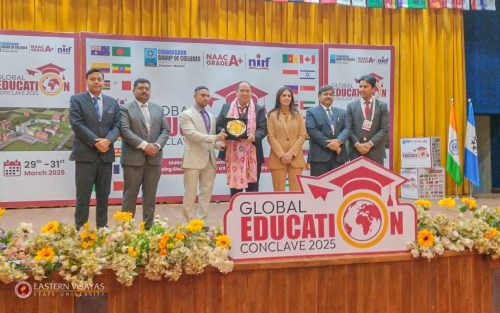
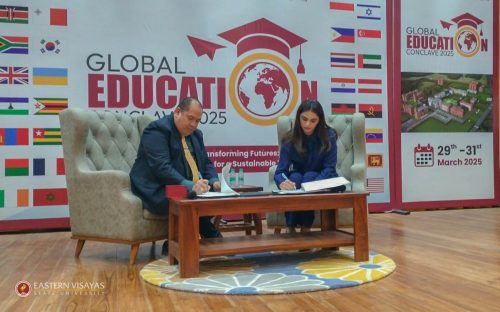
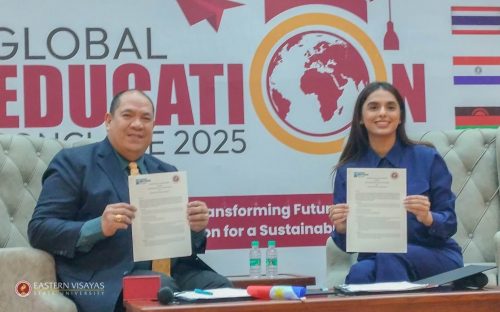
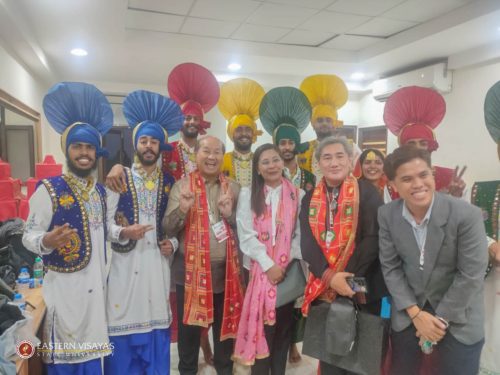
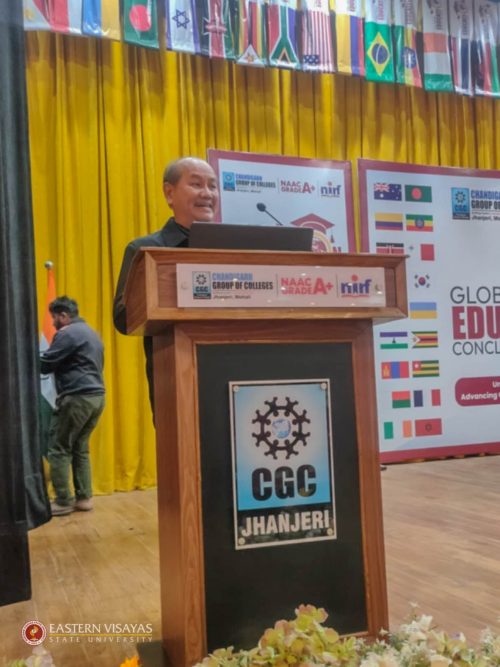
Further strengthening EVSU’s engagement in international academic collaboration, the University participated in the Global Education Conclave 2025, held from March 28–31, 2025, at the Chandigarh Group of Colleges (CGC) Main University Complex in Mohali, India. The participation was facilitated through CGC’s invitation to EVSU as one of its international academic partners. The University was represented by President Dr. Dennis C. De Paz and Prof. Faustito A. Aure, Director of the Office of Internationalization Affairs, who participated as distinguished guest speakers and panelists.

The conclave brought together 35 distinguished representatives from 16 countries, including academicians, ambassadors, and consuls. It provided an international platform for dialogue, collaboration, and knowledge exchange through keynote addresses, panel discussions, networking activities, and collaborative workshops.

The discussions centered on major issues shaping the future of global higher education, particularly internationalization of higher education, sustainable academic partnerships, innovation in pedagogy, and the role of education in fostering peace. These themes provided opportunities for participating institutions to examine different approaches to university internationalization, identify emerging practices in international academic cooperation, and discuss how educational institutions can contribute to inclusive, innovative, and globally connected learning environments.

A particularly relevant component of the conclave was its collaborative workshops, which promoted cross-cultural exchange of ideas and best practices among participating delegations. Through these interactions, EVSU gained exposure to the experiences and perspectives of institutions operating under different national education systems, cultural environments, and institutional development priorities. The discussions provided opportunities to consider how international universities build sustainable academic partnerships, integrate innovation into teaching and learning, strengthen institutional networks, and develop educational environments responsive to global challenges.

For EVSU, this engagement was significant in examining international approaches to higher education development and identifying practices that could inform the University’s continuing internationalization efforts. Exposure to different institutional experiences can help strengthen EVSU’s strategies for international academic cooperation, faculty and student mobility, collaborative research, curriculum development, and the integration of global perspectives into instruction and institutional development.

The conclave also reinforced the importance of sustainable partnerships as a means of expanding the University’s capacity to participate in international research and academic networks. By engaging with representatives from different countries, EVSU strengthened its opportunities to establish new institutional relationships and explore future collaboration in research, academic exchanges, and educational innovation.

Importantly, the discussions on innovative pedagogy and education for peace broadened the University’s understanding of how higher education institutions can respond to contemporary global concerns. These approaches highlight the role of universities not only in delivering academic qualifications but also in cultivating intercultural understanding, global citizenship, social responsibility, and inclusive learning environments.

The Global Education Conclave therefore provided EVSU with a platform for international comparative learning, allowing its representatives to engage with different perspectives on higher education internationalization and sustainable academic cooperation. The experience contributes to the University’s continuing efforts to benchmark its institutional practices against international developments and adapt relevant approaches to the Philippine higher education context.

This initiative supports SDG 4 (Quality Education) through the exchange of educational practices and perspectives on innovative and inclusive higher education, and SDG 17 (Partnerships for the Goals) through the strengthening of international academic relationships, cross-cultural dialogue, and opportunities for sustained institutional collaboration.

Connecting EVSU to European Higher Education and Research Practices through the European Higher Education Fair 2025

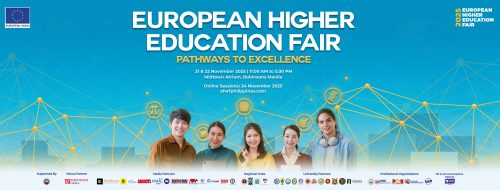
EVSU further expanded its international academic engagement by serving as the official Visayas Regional Hub for the European Higher Education Fair (EHEF) 2025. Organized by the Delegation of the European Union to the Philippines in partnership with the embassies and cultural institutes of EU member states, the fair brought together 95 higher education institutions and provided access to international academic programs, scholarship opportunities, mobility schemes, and research collaborations.

Through its role as the regional hub, EVSU helped extend the reach of international higher education opportunities to students, faculty members, researchers, and academic institutions throughout the Visayas. The engagement also provided an important avenue for strengthening relationships with European academic institutions and introducing the regional higher education community to international educational and research opportunities.

The European higher education environment offers valuable comparative perspectives on academic quality assurance, research development, internationalization, student mobility, interdisciplinary learning, innovation, and the integration of sustainability into higher education. Engagement with European universities and academic networks enables EVSU to explore how different institutional systems organize research, develop globally competitive academic programs, and integrate international standards and perspectives into university development.

For EVSU, participation in EHEF 2025 supports the continuing effort to benchmark its internationalization practices and identify opportunities for academic and research cooperation. It also provides a platform for exploring future collaboration with European institutions in areas relevant to sustainable development, including research partnerships, capacity development, faculty exchanges, and academic mobility.

By connecting the Visayas academic community with international higher education institutions, EVSU contributes to a more inclusive environment for international knowledge exchange and strengthens its capacity to participate in global academic and research networks.

This initiative contributes to SDG 4 (Quality Education) through expanded access to international academic opportunities and SDG 17 (Partnerships for the Goals) through the promotion of international educational and research linkages.

Translating International Expertise into Inclusive Digital Education through the FundLife International–EVSU Tech2Thrive Partnership

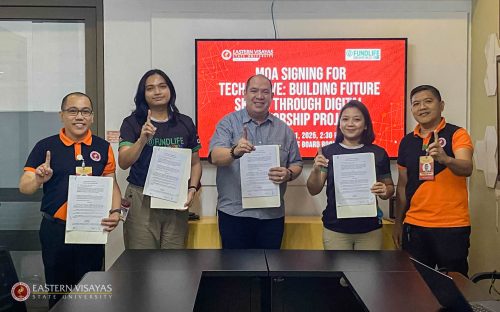
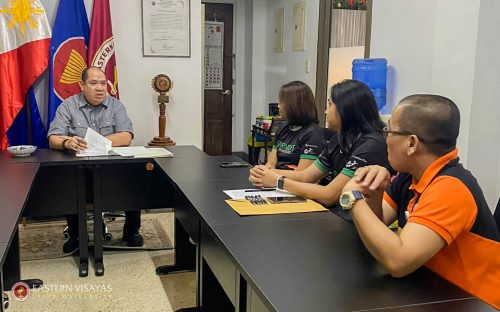
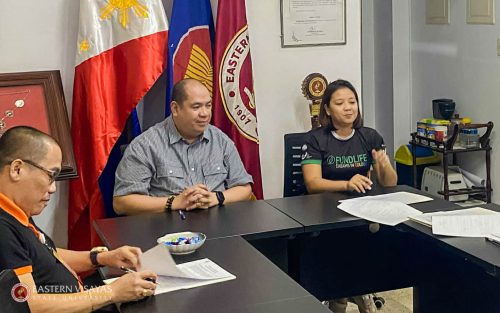
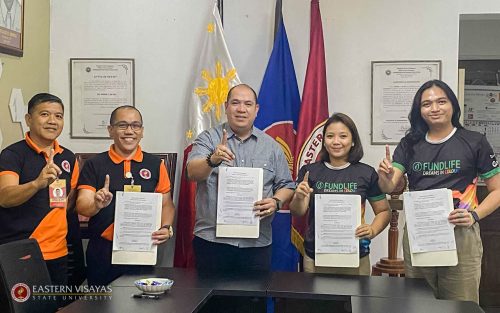
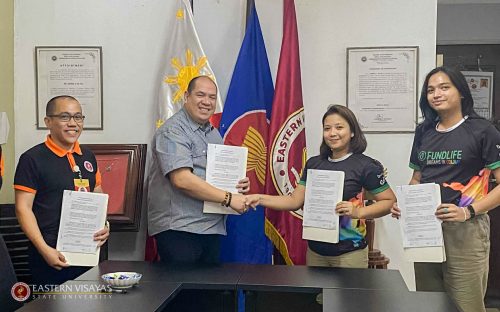
EVSU’s commitment to international knowledge exchange also extends to the practical application of global expertise in addressing educational inequality and workforce readiness. A significant example is the partnership with FundLife International for the implementation of the Tech2Thrive: Building Future Skills through Digital Mentorship Project, formalized through a Memorandum of Agreement in November 2025.

The initiative, hosted at EVSU Dulag Campus, is supported by Mentors Without Borders, which provides financial resources, technical expertise, curriculum frameworks, and volunteer mentors from leading technology companies. FundLife International serves as the local implementing partner responsible for coordinating the project’s implementation.

The project has three major components. First, it provides essential digital learning resources, including laptops, internet connectivity, uninterruptible power supply units, headsets, and printing and scanning equipment. Second, it delivers localized training in basic computer skills, goal setting, stress management, and guided learning. Third, it connects participating students with industry professionals through remote international mentorship, specialized training, and portfolio development.

The initial rollout targets 25 EVSU Dulag students, with opportunities for expansion depending on the project’s results and available resources. The partnership also incorporates monitoring and evaluation, safeguarding, ethical conduct, data privacy, and protection standards to ensure responsible implementation.

The international dimension of this initiative lies in the transfer of technical expertise, externally developed curriculum frameworks, and professional mentoring practices into EVSU’s learning environment. By connecting students with international industry professionals and globally informed training approaches, the University provides access to perspectives and competencies that may not otherwise be readily available in geographically underserved communities.

The initiative also provides EVSU with opportunities to examine how digital mentorship, technology-enabled learning, industry-academe collaboration, and skills-based education can improve student employability and participation in the digital economy. These approaches are particularly relevant to addressing the digital divide and expanding opportunities for students who face geographical, economic, or resource-related barriers to professional development.

Through the project, EVSU demonstrates how international knowledge and expertise can be adapted to local educational needs while supporting the development of more inclusive, accessible, and future-oriented learning opportunities.

The initiative advances SDG 4 (Quality Education) by strengthening access to digital learning and mentorship, SDG 8 (Decent Work and Economic Growth) through improved career readiness, and SDG 9 (Industry, Innovation and Infrastructure) through technology-enabled education and digital capacity development. It also demonstrates the practical value of SDG 17 through international development cooperation.

Strengthening the Institutional Foundations for Comparative Research and International Best-Practice Development

Beyond individual projects and engagements, EVSU’s 2025 internationalization initiatives demonstrate a broader institutional effort to establish sustainable mechanisms for international research cooperation and knowledge exchange. The University’s expanding partnerships with international universities, sustainability networks, research institutions, and development organizations create opportunities for its researchers and academic units to engage with global expertise and participate in collaborative approaches to addressing development challenges.

These engagements provide complementary avenues for comparative learning. Research partnerships such as the La Trobe University collaboration allow EVSU to participate in multidisciplinary investigations of climate adaptation and community security. The Kobe University engagement provides an avenue for examining disaster preparedness, memory preservation, and community resilience through international academic perspectives. Future Earth Philippines strengthens the University’s participation in collaborative sustainability planning, while the AUAP and Global Education Conclave engagements expand the institutional networks through which international research practices, academic systems, and innovative approaches can be explored. The European Higher Education Fair further connects the University to European academic and research opportunities, while the Tech2Thrive partnership demonstrates how international expertise can be translated into practical educational interventions that address local needs.

Through these partnerships, EVSU is positioned to examine international experiences in several interconnected areas:

  • Climate adaptation and environmental sustainability. Comparing community-based and institutional climate adaptation strategies, nature-based solutions, and infrastructure-based interventions.
  • Disaster risk reduction and resilience. Examining approaches to disaster memory, risk communication, community preparedness, and post-disaster recovery.
  • Sustainability science and research governance. Learning from collaborative research networks and interdisciplinary approaches to environmental and development challenges.
  • Higher education and academic innovation. Examining international practices in research collaboration, academic mobility, postgraduate supervision, innovative pedagogy, internationalization, and quality education.
  • Digital inclusion and workforce development. Exploring international models of digital mentorship, technology-enabled learning, and industry-oriented skills development.
  • Institutional cooperation and global partnerships. Understanding how international universities develop sustainable academic relationships, facilitate cross-border research, and establish mechanisms for long-term collaboration.

The University’s approach recognizes that international best practices cannot simply be transferred without considering the local context. Approaches that have been effective in other countries must be examined in relation to the needs, capacities, socioeconomic conditions, environmental vulnerabilities, and cultural realities of Eastern Visayas. Consequently, EVSU values international collaboration not only as a means of accessing external expertise but also as an opportunity to critically evaluate, contextualize, and improve development approaches through research and institutional learning.

EXPLORE OUR SDG 17 INITIATIVES & ACTIVITIES

2026202520242023
SDG 17: Initiatives for 2026
SDG 17: Initiatives for 2025
SDG 17: Initiatives for 2024
SDG 17: Initiatives for 2023

EXPLORE OUR SDG 17 RESEARCH & PUBLICATIONS

202520242023
SDG 17: Publications for 2025
SDG 17: Publications for 2024
SDG 17: Publications for 2023

SUSTAINABLE DEVELOPMENT GOALS

20252024
2025: Sustainable Development Goals
2024: Sustainable Development Goals