
EVSU Strengthens Institutional Communication and Digital Storytelling Through Training-Workshop
Behind every university activity is a story worth telling, and behind every story is an opportunity to inform, inspire, and connect with the community.
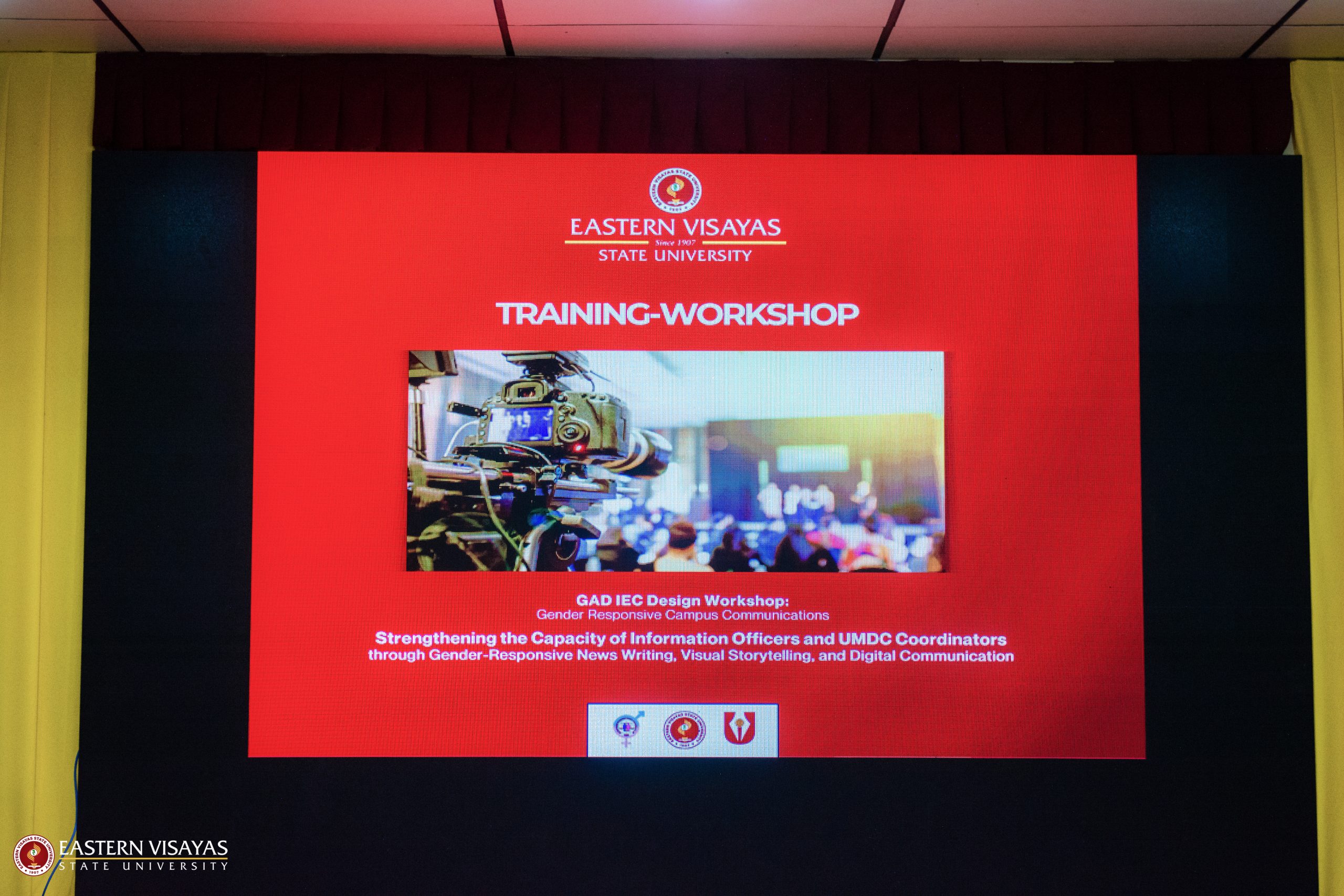
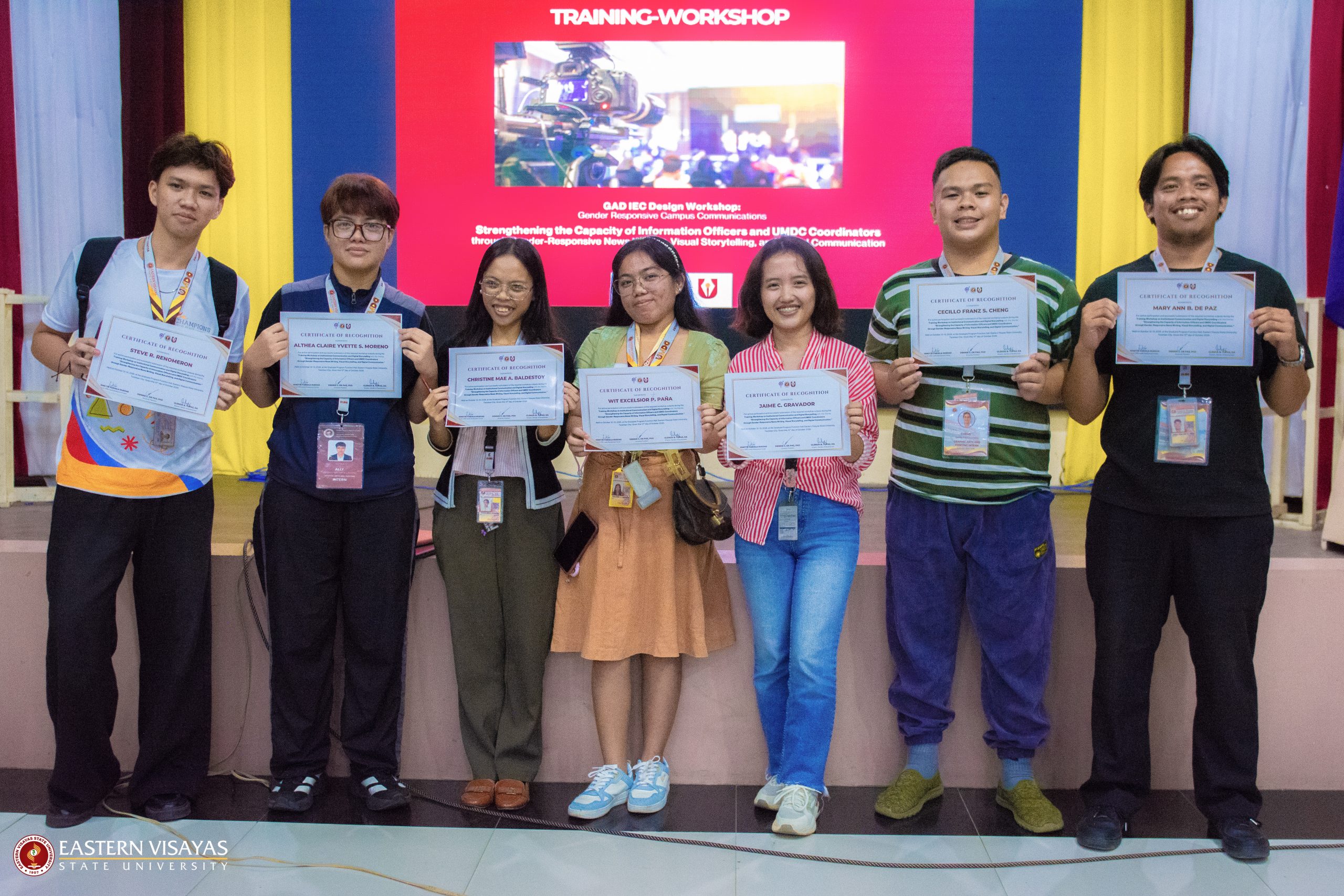
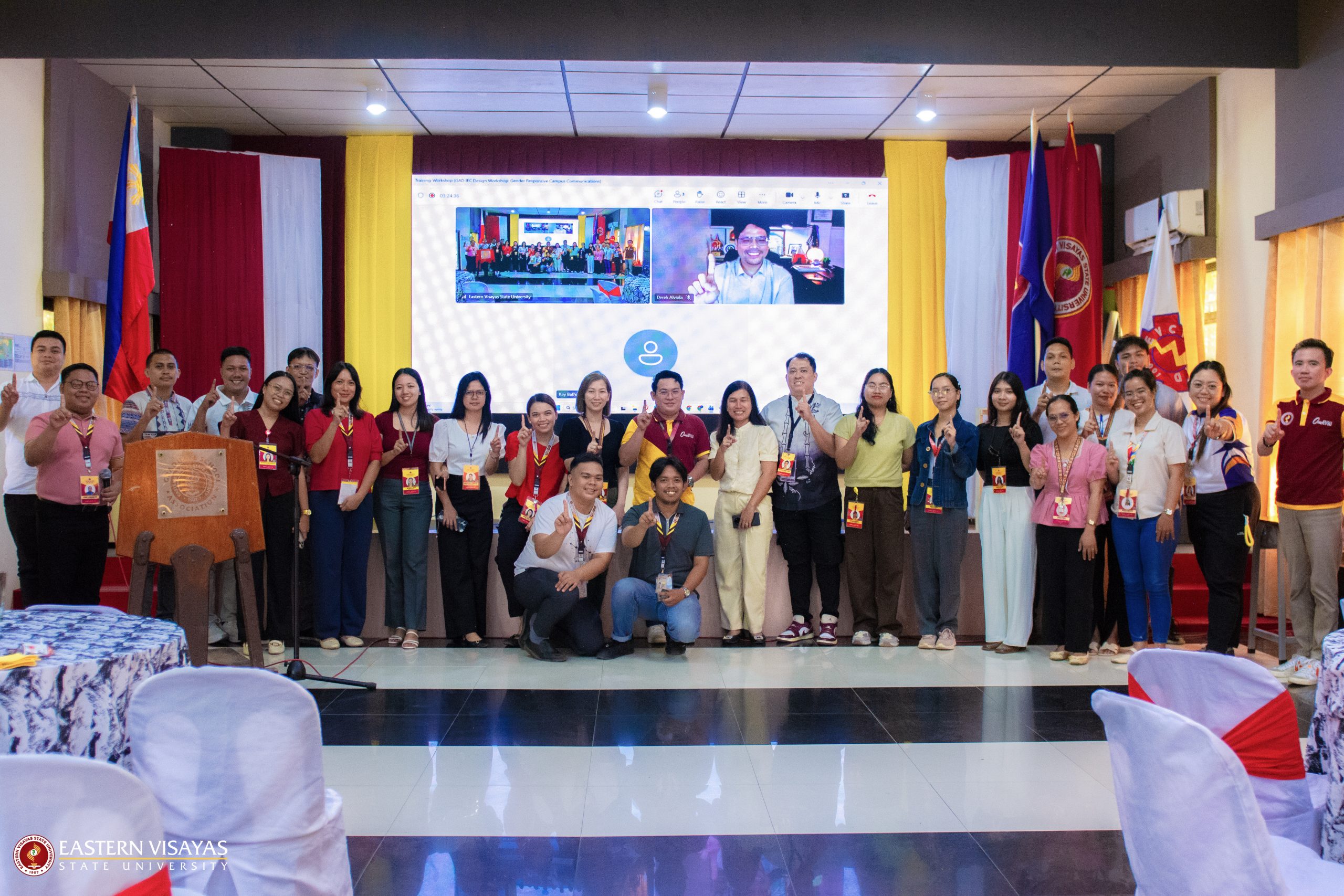
With this in mind, Eastern Visayas State University, through its University Multimedia Development Center (UMDC), in partnership with the Gender and Development (GAD) Office, conducted a two-day Training-Workshop on Institutional Communication and Digital Storytelling at the Graduate Program Function Hall.
The training brought together university personnel and information officers, including designated campus coordinators, to strengthen their communication skills and help them tell the EVSU story more effectively in today’s fast-changing digital landscape. Beyond learning new techniques, the workshop emphasized the importance of communicating with accuracy, creativity, inclusivity, and a genuine understanding of the people behind every university initiative.
In her welcome message, UMDC Chief Jenette F. Ruedas emphasized the shared commitment of university communicators to continuously improve their craft while ensuring that institutional communication remains inclusive and gender-responsive.
“We all have the same goal: to become better at what we do. We want to improve how we write, tell stories, create visuals, and share the work and accomplishments of our universities. At the same time, we want to make sure that our communication is fair, inclusive, respectful, and gender-responsive,” Ruedas said.
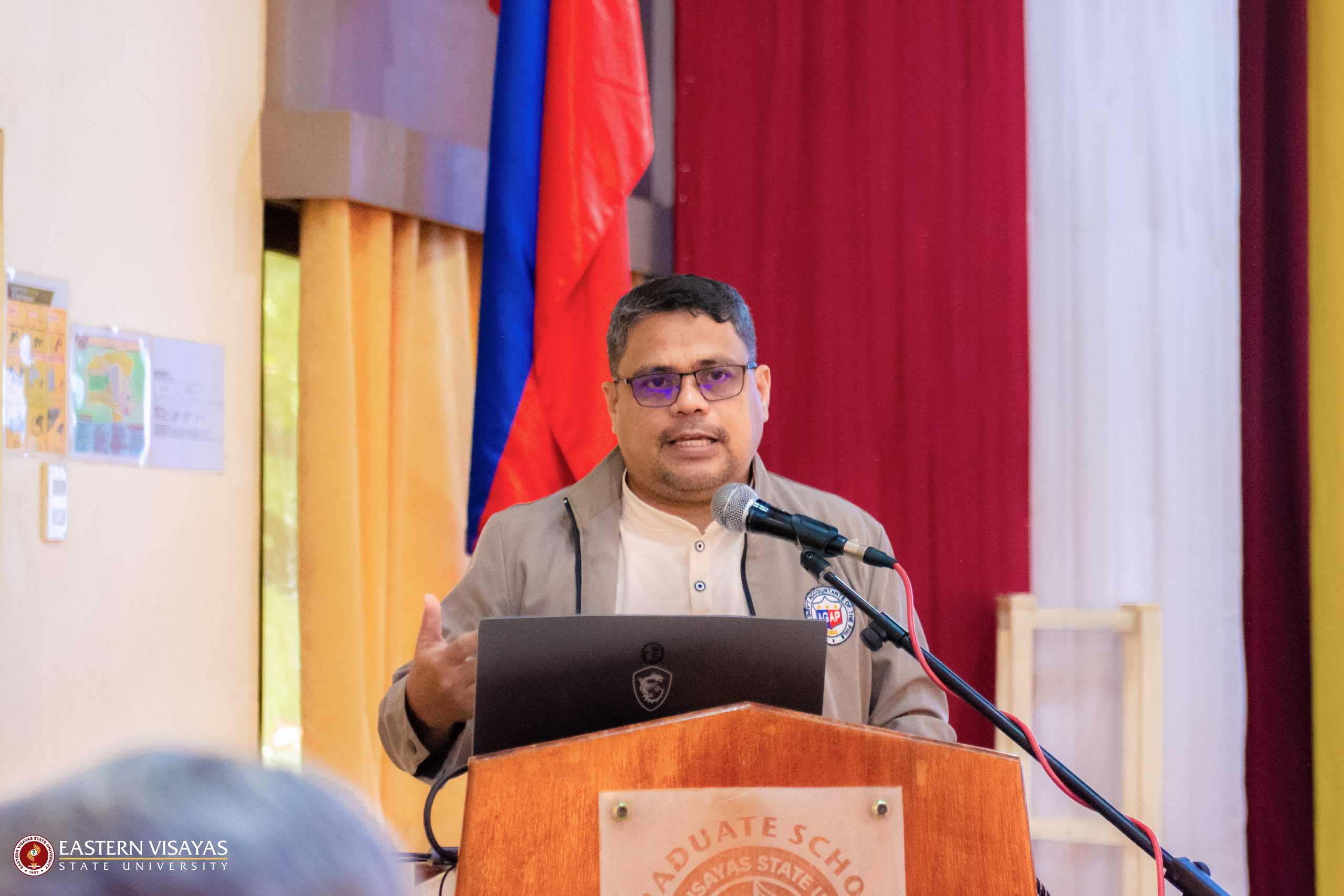
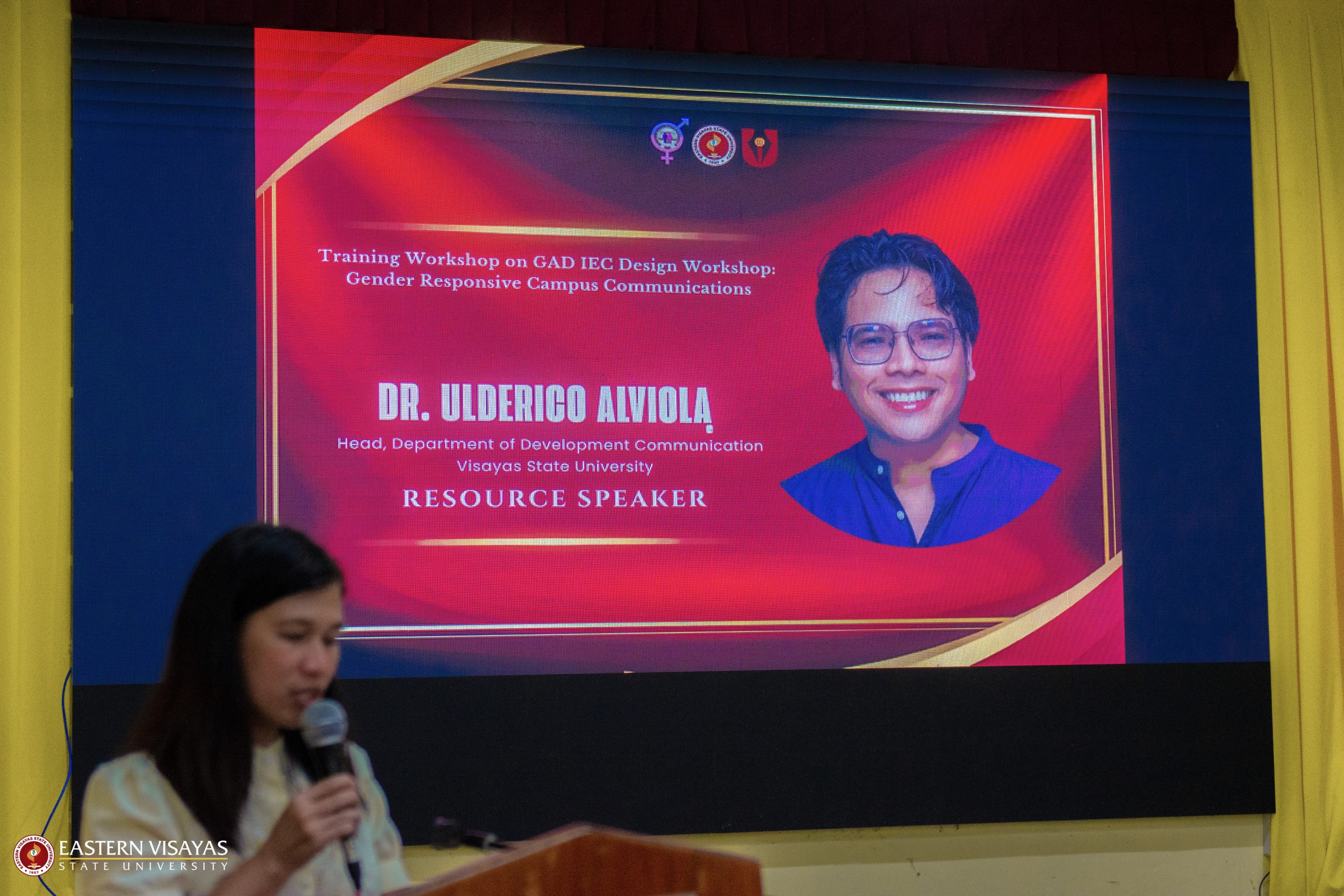
The first day highlighted the importance of transparent and responsible communication in building public trust. Dr. Ulderico Alviola, Head of Development Communication at Visayas State University, shared insights on adapting news and feature writing to the demands of digital platforms, where stories must not only inform but also engage and connect with audiences.
In his lecture, Dr. Alviola emphasized that good university news writing begins with sound news judgment, highlighting the importance of identifying stories that are relevant, timely, and meaningful to the university community. He also discussed feature writing as a way of bringing out the human stories behind institutional achievements, reminding participants that “facts inform, but human stories help people understand.”
Kay Bathala Santos, Digital Media Production and Development Team Lead, followed with practical strategies for maximizing social media trends and algorithms to reach wider audiences and make institutional stories more engaging and accessible.
The second day shifted the focus to visual storytelling, emphasizing how images and designs can bring university stories to life. Joseph Vincent Maneja, Print/Digital Content Development Team Lead, discussed the fundamentals of publication material (pubmat) design, while Bobbie Alota of the Department of the Interior and Local Government (DILG) facilitated a hands-on photojournalism workshop. Through practical exercises and direct feedback, participants learned how to capture meaningful moments and communicate stories through compelling photographs.
For Anthony Cotoner, UMDC Coordinator of EVSU-Carigara Campus, the workshop was particularly valuable for newly designated coordinators who are still finding their footing in institutional communication.
The training, he shared, provided them with practical knowledge and guidance on documenting campus activities and producing digital content that can better engage their audiences.
More than a venue for learning new media skills, the workshop served as a reminder that effective communication goes beyond posting announcements or publishing photographs. It is about making university initiatives more relatable, giving communities a clearer picture of the institution’s work, and ensuring that the people and stories behind its programs are seen and heard.
Through this initiative, EVSU continues to strengthen its commitment to inclusive, gender-fair, and people-centered communication, recognizing that every story, when told with purpose and care, can build trust, foster understanding, and create a deeper connection between the University and the communities it serves.
This article is aligned with Sustainable Development Goals (SDG) 05: Gender Equality; SDG 16: Peace, Justice, and Strong Institutions; and SDG 04: Quality Education
via Jaime Gravador