
SDG 7 | AFFORDABLE AND CLEAN ENERGY
Energy Use Density
Eastern Visayas State University (EVSU) continuously recognizes the importance of responsible energy consumption and efficient utilization of its physical infrastructure in promoting environmental sustainability across its campus system. As an institution committed to providing quality higher education while advancing sustainable campus operations, the university monitors its annual energy consumption in relation to the total floor area of its buildings through the Energy Use Density indicator. This indicator measures the amount of energy consumed per square meter of building floor space and provides a quantitative basis for evaluating the university’s energy utilization relative to the size of its physical facilities.
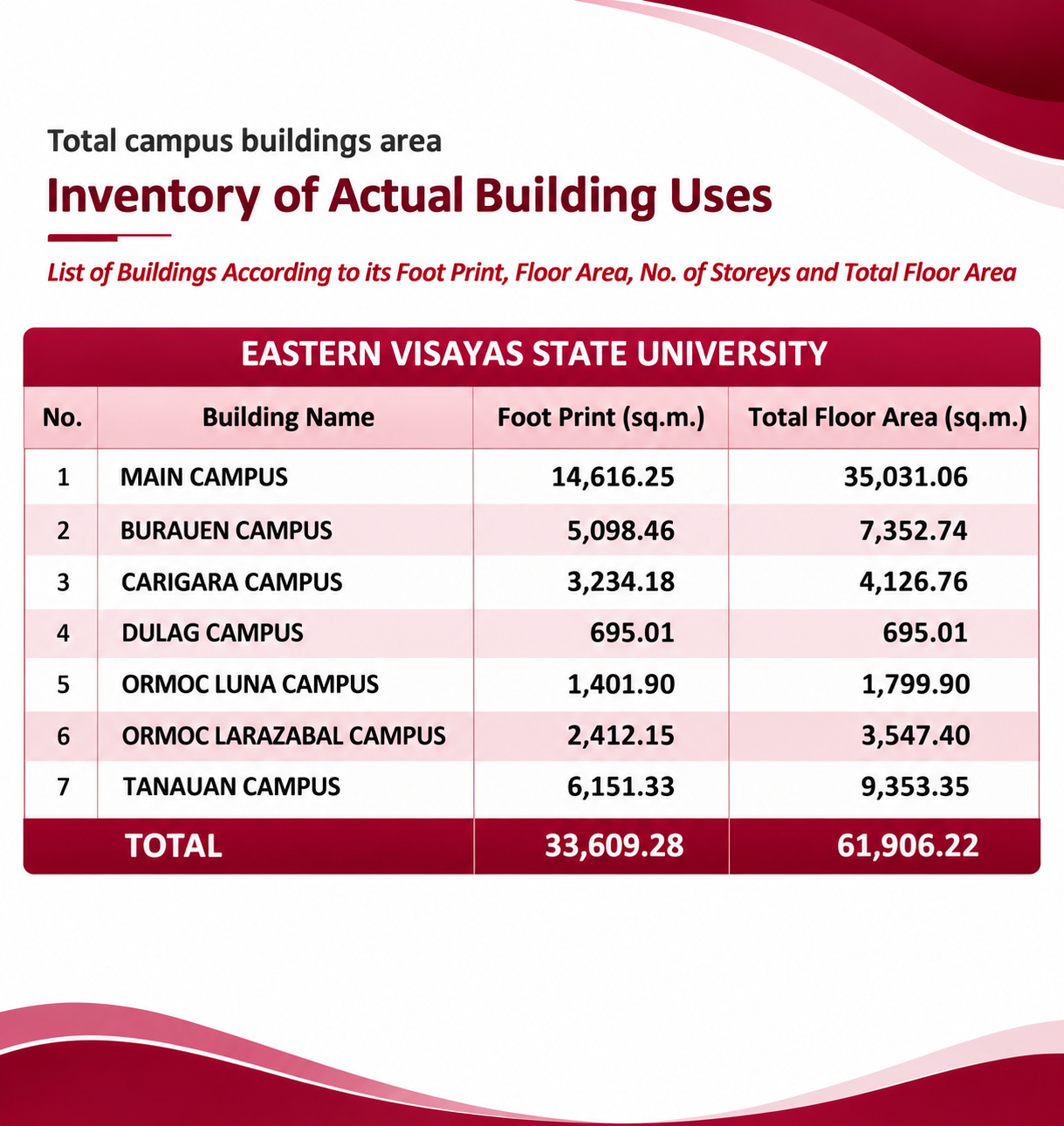
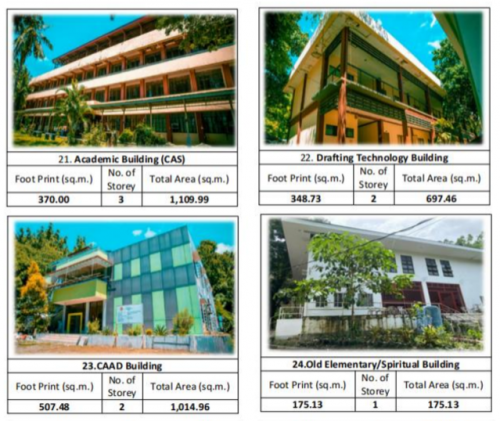
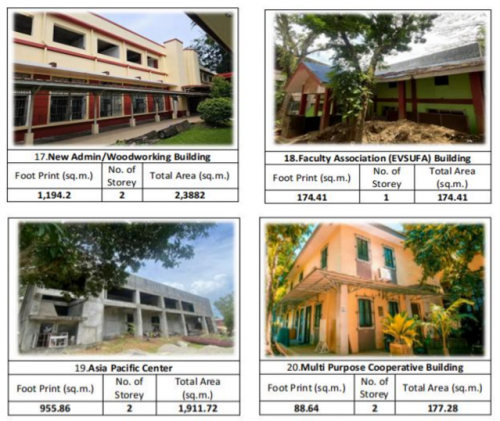
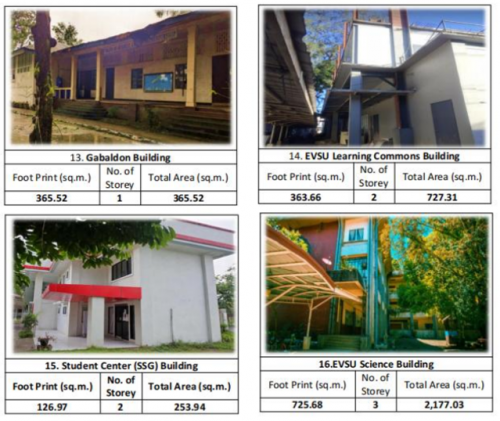
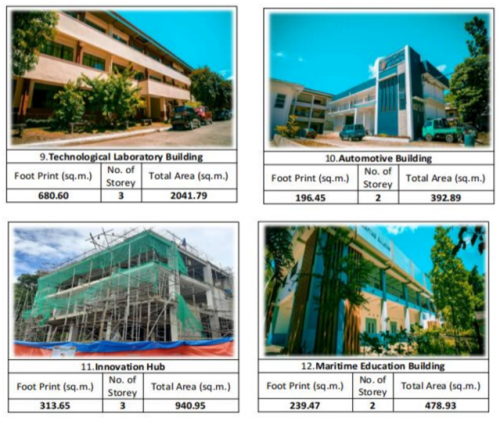
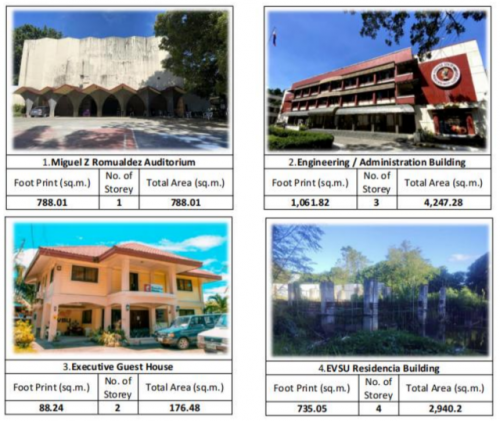
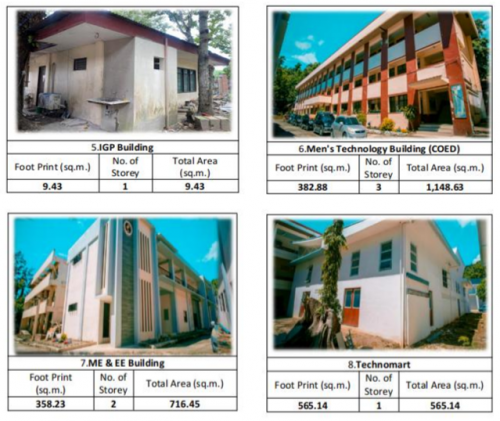
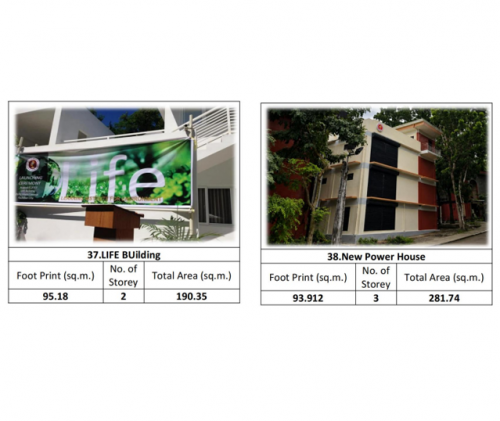
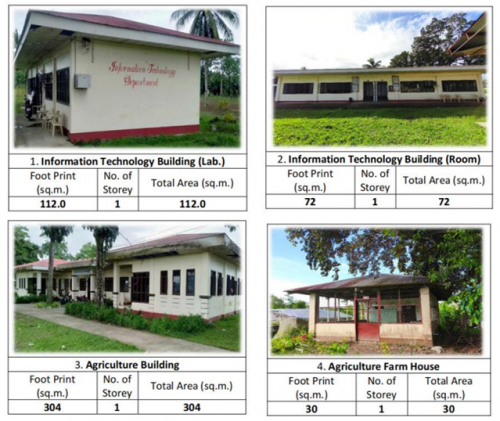
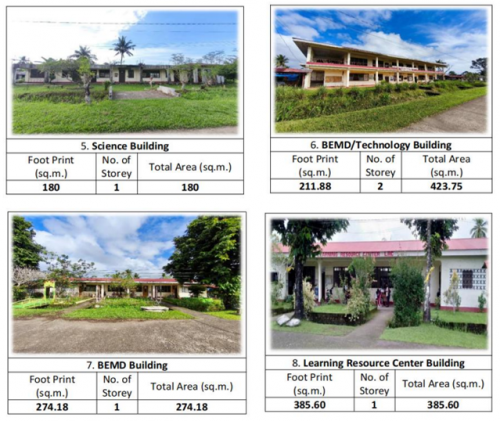
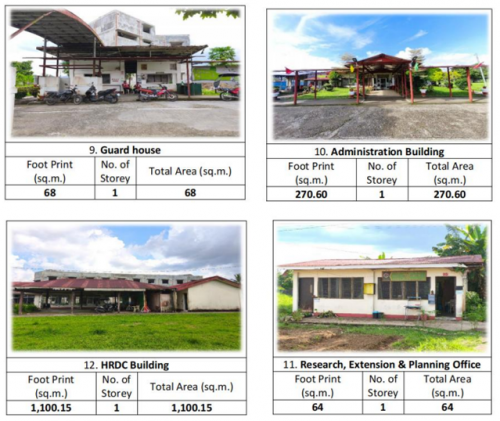
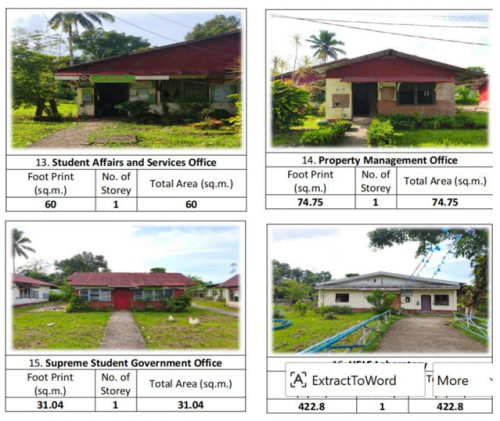
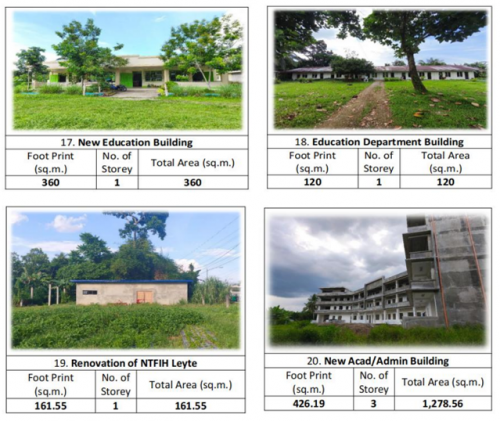
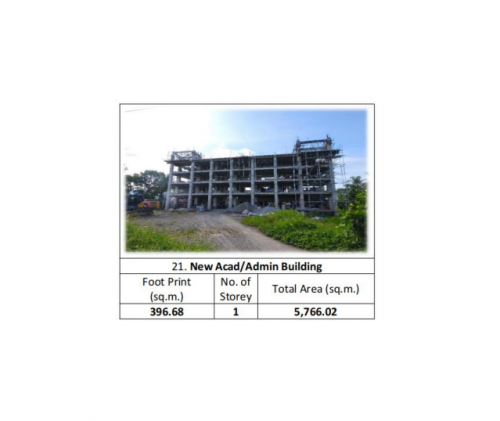
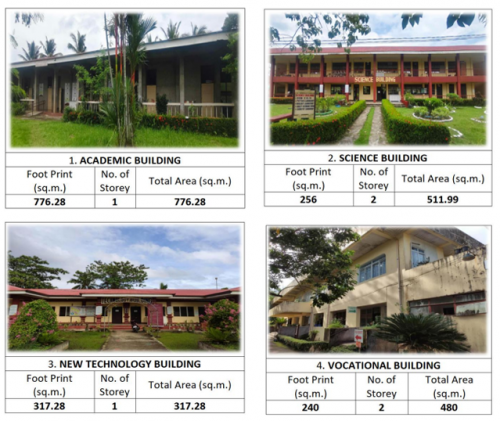
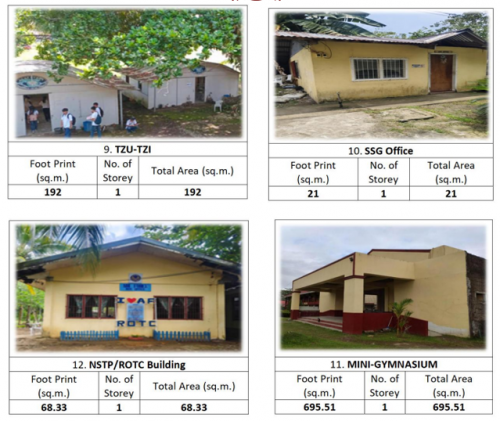
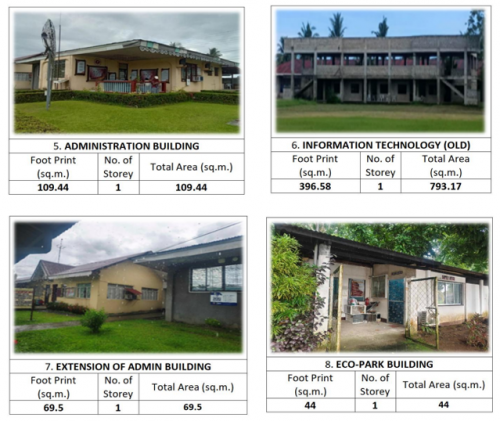
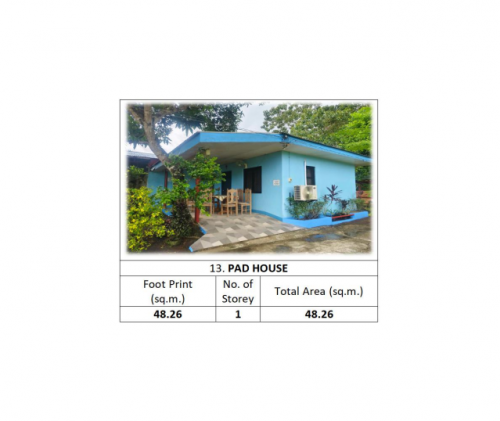
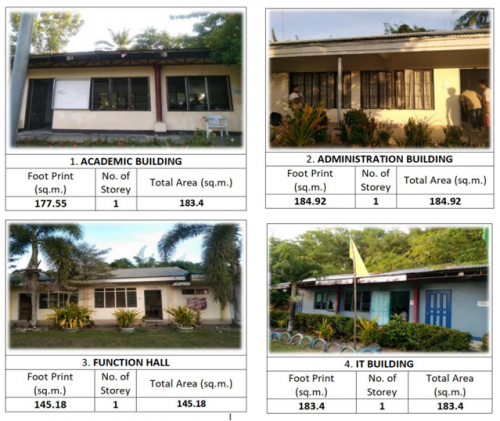
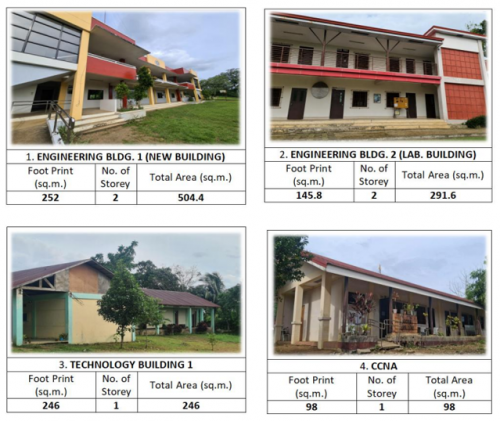
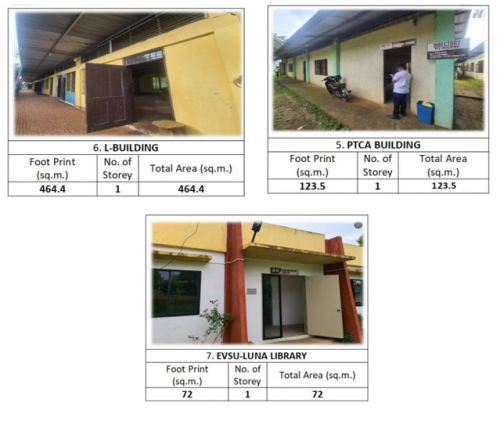
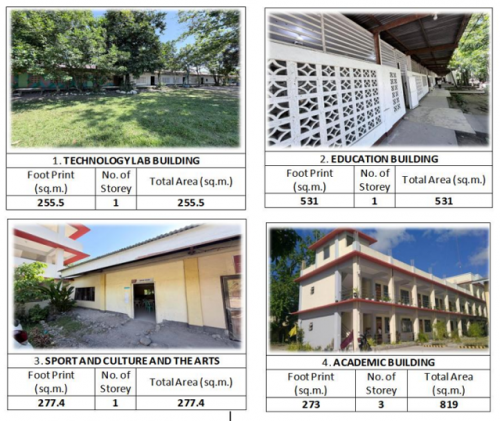
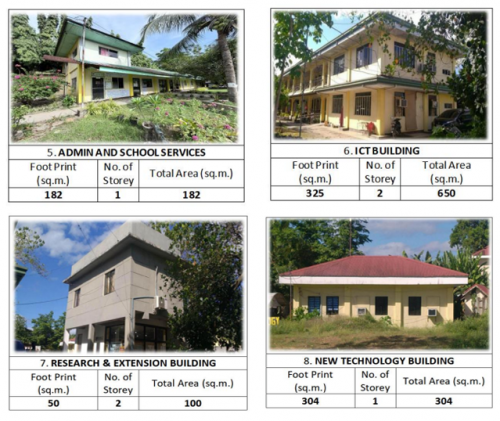
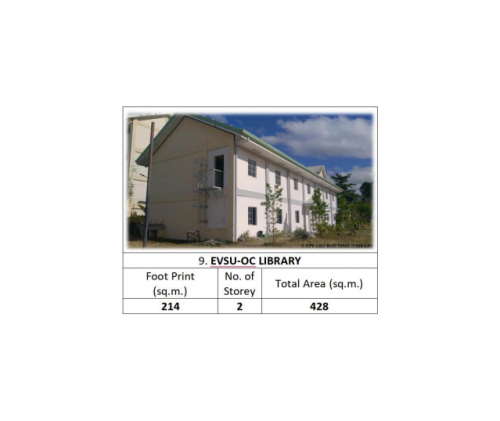
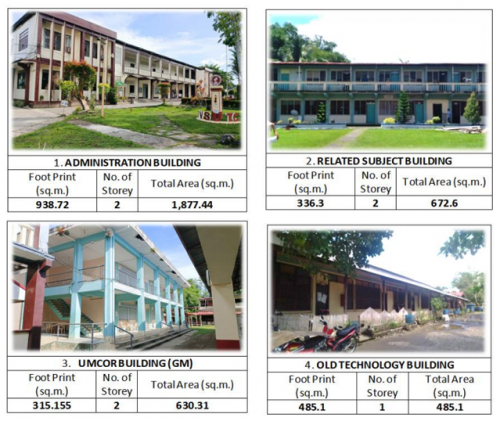
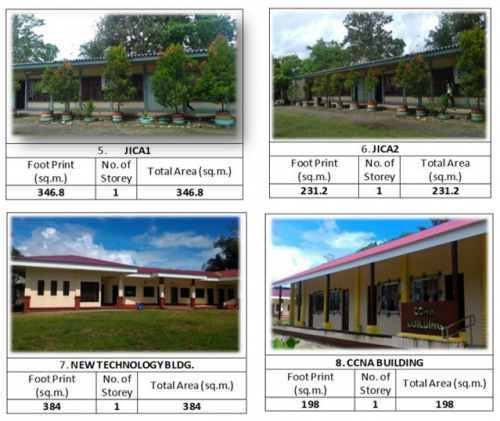
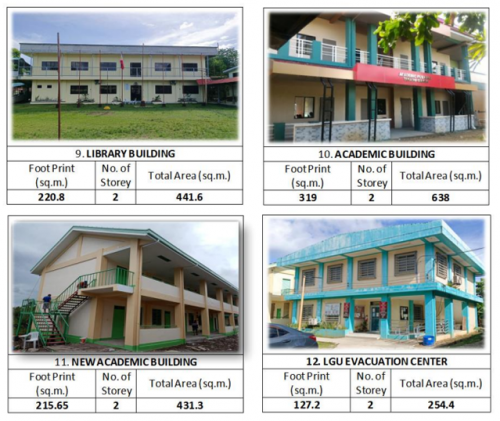
For Calendar Year 2025, EVSU reported a total electricity consumption of 1,934,712 kilowatt-hours (kWh) across its university system. The institution operates through six campuses distributed across seven distinct campus sites, namely the Main Campus, Burauen Campus, Carigara Campus, Dulag Campus, Ormoc (Luna) Campus, Ormoc (Don Felipe Larazabal) Campus, and Tanauan Campus. Collectively, these campuses have a total building floor area of 61,902.26 square meters, representing the university’s infrastructure for delivering academic instruction, conducting research and laboratory activities, and performing administrative and institutional functions.
The university’s electricity consumption primarily supports essential campus operations, including lighting, cooling, heating, laboratory activities, and other academic and administrative requirements. Electricity demand varies among campuses depending on the size of their facilities, building configurations, occupancy, and operational activities. The Main Campus accounts for the largest share of the university’s physical infrastructure, with a total floor area of 35,031.06 square meters, followed by Tanauan Campus with 9,353.35 square meters, Burauen Campus with 7,352.74 square meters, and Carigara Campus with 4,126.76 square meters. The Ormoc campuses (Luna and Larazabal) collectively account for 5,347.30 square meters, while Dulag Campus contributes 691.05 square meters to the university’s overall building floor area. This distribution demonstrates the varying infrastructure requirements and operational capacities of the university’s geographically dispersed campuses.
Based on the reported annual electricity consumption and the combined building floor area, EVSU obtained an Energy Use Density of 31.35 kWh/m²/year. This value represents the reported amount of electricity consumed for every square meter of university building space during the year. It provides an institutional baseline for understanding the relationship between energy demand and the extent of the university’s built infrastructure. By relating electricity consumption to total floor area, the university can establish a more meaningful reference for monitoring energy utilization rather than relying solely on its overall annual electricity consumption.
Furthermore, the monthly electricity consumption records for 2025 illustrate variations in energy demand throughout the year. The Main Campus recorded the highest annual electricity consumption at 1,582,178 kWh, reflecting its substantial infrastructure and concentration of university operations. Ormoc Campus followed with 226,194 kWh, while Tanauan, Burauen, and Carigara Campuses recorded 47,640 kWh, 45,118 kWh, and 33,582 kWh, respectively. Dulag Campus reported 12,466.10 kWh, although its electricity bills from January to May were covered by the Local Government Unit (LGU), and no consumption data for those months were recorded in the submitted report. The monthly records also show fluctuations in electricity demand, with certain campuses experiencing higher consumption during particular months and lower utilization during other periods. These variations highlight the importance of continuous monitoring and proper documentation of electricity consumption at the campus level.
Through the monitoring of its Energy Use Density, EVSU establishes a measurable basis for evaluating the efficiency of energy utilization within its buildings and facilities. The indicator can support institutional planning and decision-making by identifying opportunities to optimize electricity consumption, improve building operations, and strengthen energy conservation measures. It also provides a reference for comparing future energy consumption against the university’s total floor area, allowing the institution to assess whether its energy utilization is becoming more efficient over time.
Moving forward, EVSU can further strengthen its sustainability initiatives through the continued implementation of energy-conscious practices across all campuses. These may include promoting responsible electricity use among students, faculty members, and administrative personnel; encouraging the efficient operation of lighting, cooling, and laboratory equipment; monitoring monthly electricity consumption; and identifying opportunities to improve the energy performance of existing buildings. Consistent monitoring and evaluation will enable the university to identify areas for improvement and integrate energy efficiency considerations into future infrastructure development and campus management strategies.
Overall, the 2025 Energy Use Density of 31.35 kWh/m²/year serves as an important baseline indicator of Eastern Visayas State University’s electricity utilization relative to its total building floor area. By systematically monitoring this indicator and strengthening energy management practices, EVSU demonstrates its commitment to responsible resource utilization, operational efficiency, and the advancement of a more sustainable and environmentally responsible university campus system.