Eastern Visayas State University (EVSU) extends its commitment to promoting clean energy awareness and sustainable technologies to local communities through the development of the Solar-Powered Electric Pump Boat for Tourist Transportation in Sohoton, Basey, Samar. Developed by four graduating Electrical Engineering students, namely Antonio Adorza Jr., Mac Jandy Guintadcan, Brian Jeffrey Reyno, and Richard Reynada, the project demonstrates how renewable energy can be utilized as a practical and environmentally sustainable alternative to conventional fuel-powered transportation.
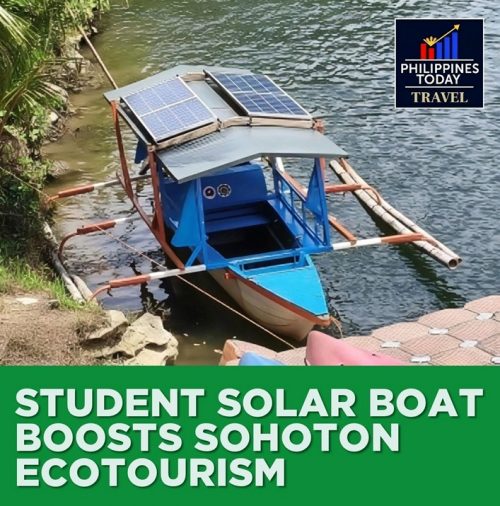
The project, entitled Design and Implementation of a Solar Electric Pump Boat for Tourist Transportation in Sohoton, Basey, Samar, was developed to support tourism activities along the Golden River by introducing a solar-powered vessel that reduces reliance on gasoline- or diesel-operated boats. The prototype is equipped with four 100-watt solar panels connected to a 48-volt battery system that powers a 1,500-watt electric motor. Through this configuration, the boat harnesses solar energy to provide quieter and cleaner transportation, eliminating direct exhaust emissions associated with conventional fuel-powered vessels during operation.
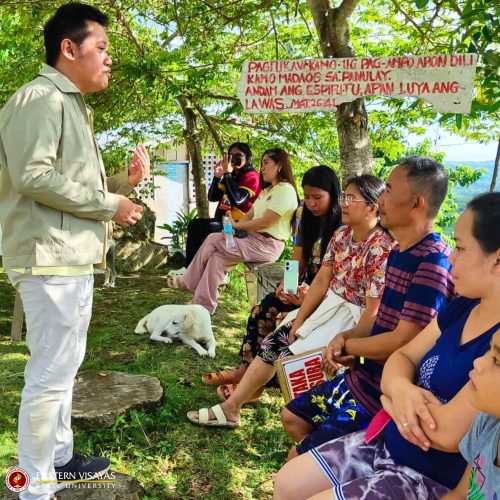
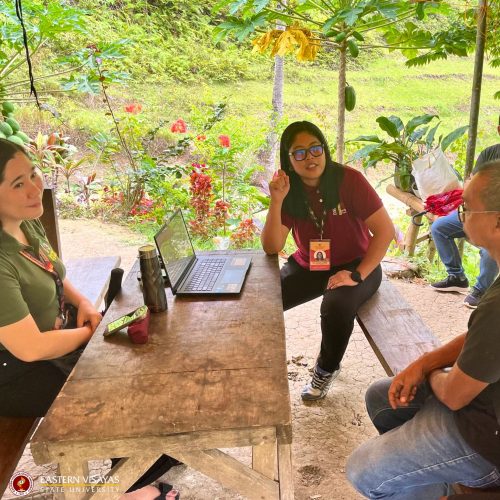
Beyond its technological innovation, the initiative serves as a practical learning opportunity for local community stakeholders, particularly tourism operators who depend on water transportation for their livelihood. By introducing a functioning solar-powered vessel into an actual ecotourism setting, EVSU demonstrates how renewable energy can be applied beyond conventional household and institutional electricity requirements. Community members are given an opportunity to observe and appreciate how sunlight can be converted into usable electrical power to operate transportation equipment, illustrating the versatility and practical benefits of clean energy technologies.
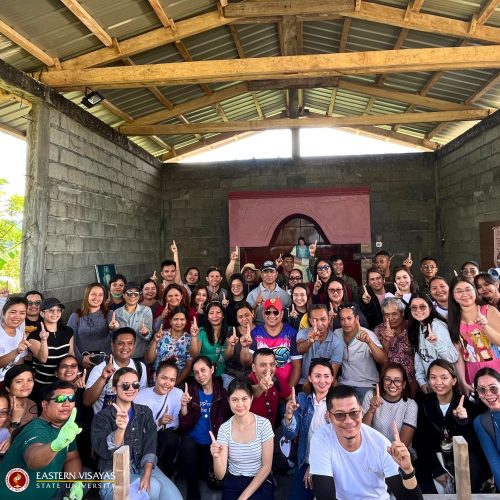
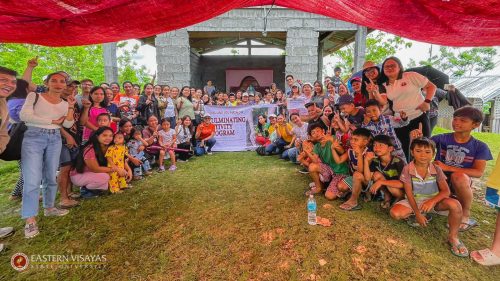
An important aspect of the project is its turnover to a community-based organization operating at the Wespal Sohoton Visitor Center & Eco-Lounge. This arrangement brings the University’s engineering innovation directly into the community, allowing local tourism stakeholders to experience the application of solar-powered transportation in their operations. Through the actual utilization of the prototype, community operators can become more familiar with renewable energy-powered mobility, its operational advantages, and its potential contribution to more sustainable tourism services.
The project also provides an avenue for raising awareness about the environmental and economic implications of conventional fuel consumption. By demonstrating an alternative that utilizes renewable solar energy, EVSU helps communicate the importance of reducing dependence on fossil fuels, minimizing transportation-related air pollution and noise, and exploring energy-efficient technologies that support environmentally responsible livelihoods. In a tourism destination such as Sohoton, where the natural environment is a major attraction and source of livelihood, the adoption of cleaner transportation technologies is particularly relevant to sustaining ecological resources while supporting local economic activities.
Furthermore, the initiative highlights the University’s role in translating engineering education, research, and technological innovation into solutions that address community needs. The involvement of graduating Electrical Engineering students demonstrates how academic knowledge can be transformed into practical technologies that benefit local stakeholders. It also provides an example of how higher education institutions can facilitate community learning through technology demonstrations, knowledge transfer, and partnerships with local organizations.
Through this initiative, EVSU contributes to expanding community understanding of renewable energy applications, particularly solar energy in sustainable transportation. The project illustrates that clean energy technologies can provide viable alternatives not only for lighting and electricity generation but also for livelihood-related activities and community mobility. By bringing this innovation into an operational tourism setting, the University helps make renewable energy more visible, accessible, and relevant to local communities.
Ultimately, the Solar-Powered Electric Pump Boat Project demonstrates EVSU’s continuing commitment to promoting clean energy awareness through applied engineering innovation and community engagement. It reinforces the importance of introducing practical renewable energy solutions that local stakeholders can experience and potentially adopt, while encouraging greater appreciation of energy sustainability, environmental protection, and responsible resource utilization. The initiative supports the University’s broader efforts to empower communities with knowledge of clean energy technologies and encourage the transition toward more sustainable and environmentally responsible practices.