SDG 7 | AFFORDABLE AND CLEAN ENERGY

Clean Energy Research and Technical Services for Local Industries

In 2025, Eastern Visayas State University (EVSU) continued to strengthen its role as a regional academic and technology partner by advancing research, innovation, and extension initiatives that support the energy efficiency and clean energy requirements of local industries. Recognizing the importance of sustainable energy practices in improving industrial productivity, reducing operational costs, promoting environmental responsibility, and supporting the transition toward low-carbon development, the University utilized its research and extension capabilities to generate, develop, and disseminate knowledge and technologies relevant to renewable energy, energy conservation, and efficient resource utilization.

Through its institutional partnerships, faculty-led research, engineering extension programs, and participation in regional innovation networks, EVSU provides avenues through which local industries, enterprises, and other external stakeholders can access relevant technical knowledge, research expertise, and emerging technological solutions. These initiatives reflect the University’s commitment to making its academic and technological resources responsive to the practical development needs of Eastern Visayas, particularly in advancing cleaner and more energy-efficient industrial operations.
Institutional Leadership in the Eastern Visayas Consortium for Industry, Energy, and Emerging Technology Research and Development (EVCIEERD)

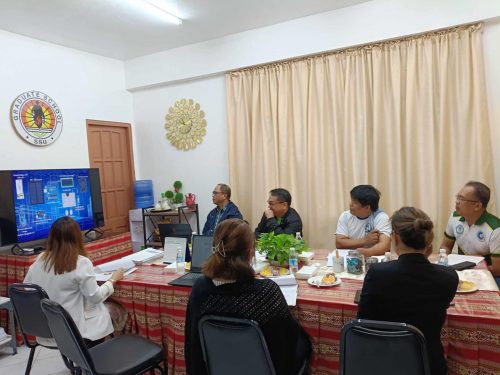
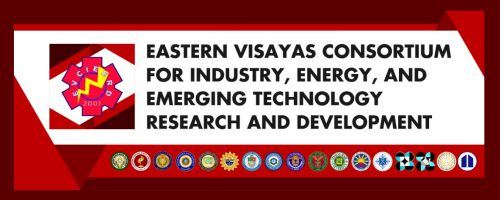
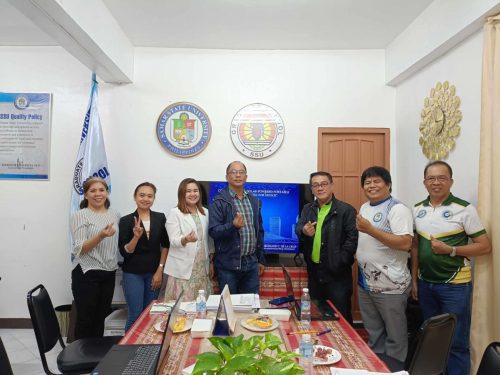
A significant institutional mechanism through which EVSU advances industry-oriented energy research and technological services is its active membership and leadership in the Eastern Visayas Consortium for Industry, Energy, and Emerging Technology Research and Development (EVCIEERD). The consortium serves as a collaborative platform that brings together higher education institutions, government agencies, research organizations, and other stakeholders to address regional industry and development concerns through coordinated research, technology development, and innovation.

EVSU’s participation in the consortium is particularly significant because energy is among its priority research and development areas. Its research agenda encompasses renewable energy systems, energy storage technologies, energy efficiency, alternative fuels, energy conservation, and bioenergy development. These areas directly correspond to the technological and operational requirements of industries seeking to improve energy utilization, explore alternative energy sources, reduce dependence on conventional energy systems, and adopt more sustainable production practices.

EVSU also provides institutional leadership within the consortium through the participation of its University President as Chair of the Board of Directors and its Vice President for Research and Development and Extension Services as Chair of the Technical Working Group. Such leadership enables the University to contribute to the identification of regional research priorities, coordination of collaborative research activities, and promotion of technology-based interventions responsive to industry requirements.

Through EVCIEERD, EVSU helps establish a collaborative environment in which academic research and technical expertise can be directed toward practical energy-related challenges encountered by local enterprises. This arrangement provides opportunities for industry stakeholders to engage with university researchers, explore applicable clean energy technologies, identify potential research collaborations, and access emerging solutions that can improve their energy performance and environmental sustainability.

Development of Renewable Energy-Based Technologies with Industrial Applications

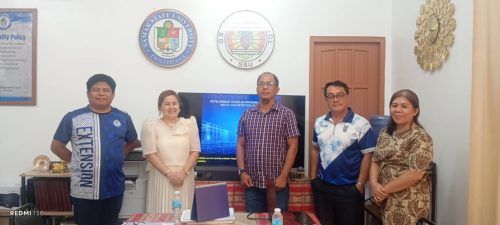
EVSU further demonstrates its contribution to clean energy and industry-oriented technological innovation through faculty-led research and the development of renewable energy-based technologies. One notable research output recognized by the University in 2025 was the study entitled Evaluation of Performance of the Developed Solar-Powered Portable Multi-Gas Detector Device, led by Prof. Ferdinand C. de la Cruz.

The research involved the development and performance evaluation of a portable multi-gas detection device powered by solar energy. The technology was designed to monitor potentially hazardous gases, including carbon monoxide, methane, and hydrogen sulfide, making it relevant to industrial environments where continuous gas monitoring and occupational safety are essential. Its solar-powered configuration also offers potential advantages in locations where conventional electrical connections are limited or where independent power sources are necessary for continuous equipment operation.

Beyond its contribution to industrial safety, the research demonstrates the University’s capacity to integrate renewable energy into functional technologies designed to address actual operational requirements. The application of solar energy in the device illustrates how clean energy technologies can be incorporated into industrial equipment and monitoring systems, particularly in remote, off-grid, and resource-constrained environments.

The development of such technologies reflects EVSU’s approach to applied research, wherein faculty expertise and scientific investigation are directed toward solutions with potential practical applications beyond the academic setting. Through further technology demonstration, industry engagement, research collaboration, and potential technology transfer, innovations of this nature can provide local enterprises with access to alternative technological solutions that support operational efficiency, environmental monitoring, and sustainable industrial practices.

Engineering Extension Programs Promoting Green Alternatives and Energy Optimization

Complementing its research and innovation initiatives, EVSU utilizes its extension services to facilitate the dissemination and practical application of engineering knowledge relevant to energy efficiency and renewable energy. Two particularly relevant programs identified in the University’s extension portfolio are ENGAGE 5.0 and E-SIRAK.


ENGAGE 5.0: Engineering Network for Green Alternatives and Energy Optimization

Implemented through EVSU-Ormoc Campus, ENGAGE 5.0 provides an extension framework centered on green engineering alternatives and energy optimization. Its thematic orientation is relevant to industries and enterprises seeking to improve the efficiency of their energy utilization, explore environmentally sustainable alternatives, and adopt appropriate engineering practices that minimize resource consumption.

Through this program, EVSU establishes an avenue for extending engineering knowledge and promoting awareness of energy-conscious practices among external stakeholders. Its focus on energy optimization is particularly relevant to local businesses and production-oriented enterprises that depend on electrical equipment, machinery, and other energy-consuming operations. The program provides an institutional foundation for technical knowledge-sharing, capacity-building, and the promotion of sustainable engineering solutions that can contribute to improved operational efficiency.


E-SIRAK: Electrically Secure Installations and Renewable, Applicable Know-How

EVSU-Tanauan Campus also supports energy-related knowledge transfer through E-SIRAK, an extension initiative focused on electrical safety and applicable renewable energy knowledge. The program recognizes the importance of safe and appropriate electrical installations in ensuring efficient and reliable energy utilization while encouraging awareness of renewable energy applications.

Its thematic coverage is relevant to local enterprises and other stakeholders that require appropriate knowledge of electrical systems, installation practices, and emerging renewable energy technologies. By promoting electrical safety and practical renewable energy knowledge, the initiative provides a channel through which EVSU’s engineering expertise can be extended beyond the University and made accessible to communities and potential industry beneficiaries.

Together, ENGAGE 5.0 and E-SIRAK demonstrate how EVSU’s engineering extension function can support the technical capacity development of external stakeholders. They provide relevant institutional mechanisms for disseminating knowledge on energy optimization, green alternatives, electrical safety, and renewable energy applications, thereby contributing to the broader objective of improving energy-related practices among local industries and enterprises.

Regional Technology Collaboration through the 2025 Regional Smart Communities Engagement and Networking Exposition (rSCENE 2025)

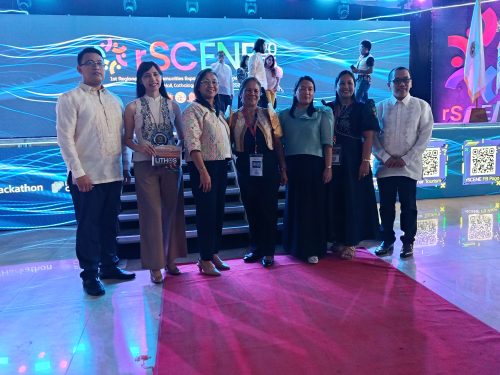
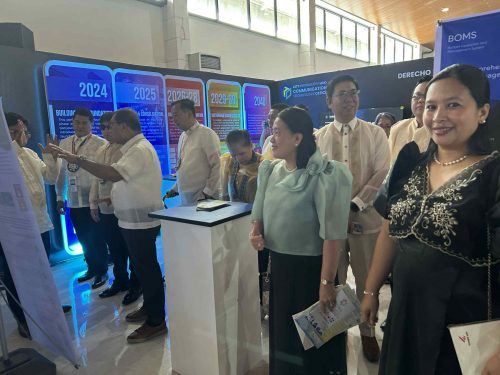
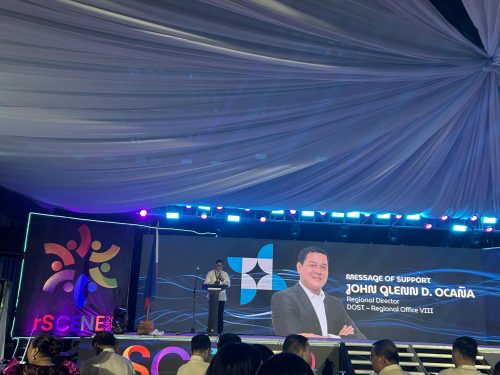
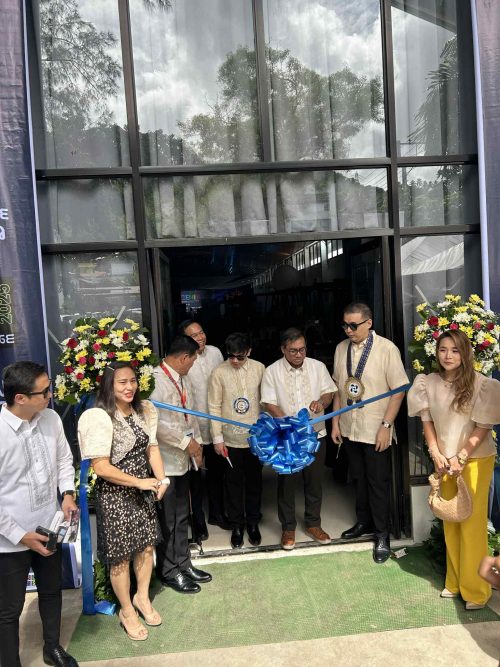
EVSU also strengthened its engagement in regional technology development and knowledge exchange through its participation in the 2025 Regional Smart Communities Engagement and Networking Exposition (rSCENE), held on June 18, 2025, in Catbalogan City, Samar. Organized through the collaboration of the City Government of Catbalogan, the Department of Science and Technology, EVCIEERD, and other participating institutions, the event carried the theme Kauswagan: Harnessing Technology Towards Sustainable Development.

The exposition provided a collaborative platform for higher education institutions, government agencies, and other stakeholders to present technological innovations, exchange research-based solutions, and explore opportunities for technology-driven development. EVSU’s participation through its regional research and innovation networks reinforced its engagement in collaborative initiatives that connect university-generated knowledge with practical development concerns.

The importance of this engagement extends to the promotion of sustainable technologies and their potential application in local industries. Through participation in regional innovation activities, EVSU contributes to an environment where research outputs and technological solutions can be introduced to potential users, including businesses and other organizations that may benefit from improved technologies and more sustainable operational practices.

In particular, EVCIEERD’s research priorities in renewable energy, energy efficiency, and energy conservation provide a substantive connection between EVSU’s participation in regional technology collaboration and the University’s broader commitment to clean energy development. Such platforms strengthen opportunities for collaboration, technology dissemination, and the eventual adoption of research-based solutions by industry stakeholders.

Collectively, these initiatives illustrate EVSU’s approach to extending its research capabilities and engineering expertise toward the needs of local industries. Through EVCIEERD, the University participates in a regional research and development network with explicit priorities in clean energy and energy efficiency. Through faculty-led research, it generates technological innovations with potential industrial applications. Through its engineering extension programs, it establishes mechanisms for transferring technical knowledge and promoting the adoption of sustainable engineering practices. Meanwhile, its participation in regional innovation activities strengthens collaboration among academic institutions, government agencies, and potential technology users.

These institutional mechanisms are important in supporting industries that may require assistance in identifying appropriate renewable energy technologies, improving electrical and energy-related practices, exploring energy-efficient equipment and systems, and developing technological interventions suited to their operational requirements. By connecting research, innovation, and extension, EVSU helps bridge the gap between academic knowledge and the practical application of sustainable technologies.

The University also recognizes the importance of ensuring that research and technological outputs are translated into accessible and applicable solutions. Accordingly, its continuing direction is to strengthen industry engagement through collaborative research, technical consultations, technology demonstrations, capacity-building activities, and extension services that address the specific energy requirements of local enterprises.

EXPLORE OUR SDG 7 INITIATIVES & ACTIVITIESS

2026202520242023
SDG 7: Initiatives for 2026
SDG 7: Initiatives for 2025
SDG 7: Initiatives for 2024
SDG 7: Initiatives for 2023

EXPLORE OUR SDG 7 RESEARCH & PUBLICATIONS

202520242023
SDG 7: Publications for 2025
SDG 7: Publications for 2024
SDG 7: Publications for 2023

SUSTAINABLE DEVELOPMENT GOALS

20252024
2025: Sustainable Development Goals
2024: Sustainable Development Goals