



SDG 7 | AFFORDABLE AND CLEAN ENERGY
Start-up Assistance for Sustainable and Low-Carbon Solutions
Eastern Visayas State University (EVSU) demonstrates its institutional commitment to fostering entrepreneurship and advancing a low-carbon economy by providing support mechanisms that enable start-ups, micro, small, and medium enterprises (MSMEs), and emerging technology-based businesses to develop, improve, and commercialize innovative products and services. Through its research, extension, technology transfer, and industry collaboration initiatives, the University serves as a partner in transforming innovative ideas and research outputs into viable enterprise opportunities. These institutional interventions provide entrepreneurs with access to technical expertise, research-based technologies, product development assistance, business development services, and commercialization opportunities that strengthen their capacity to establish and sustain enterprises.
In 2025, EVSU further strengthened these efforts through various initiatives that connect university-generated innovations with the needs of local industries and emerging businesses. These initiatives demonstrate the University’s recognition that entrepreneurship and technological innovation are important drivers of sustainable regional development, particularly in promoting enterprises that maximize local resources, adopt environmentally responsible production practices, and develop alternatives to conventional resource-intensive products and processes.
EVSU–DOST Partnership for Technical Assistance and Commercialization of New Products for MSMEs
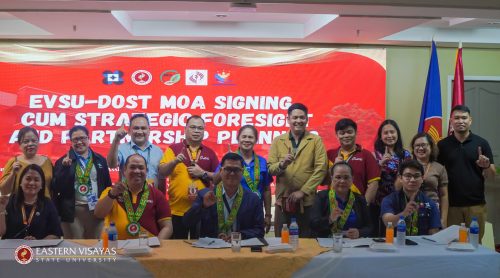

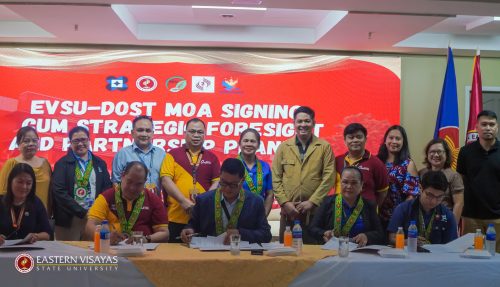
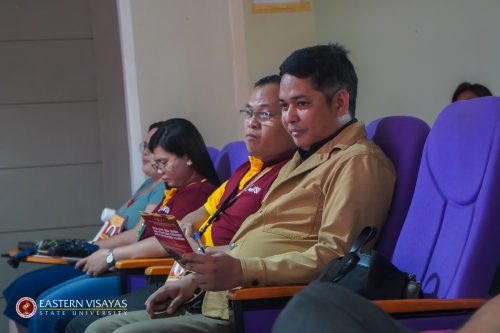
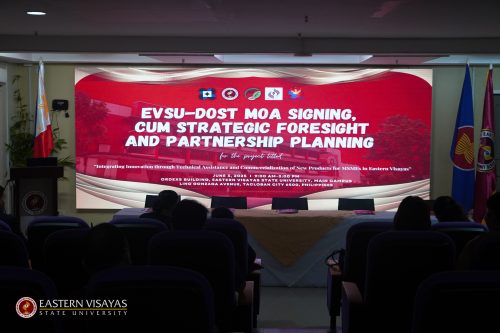
A significant demonstration of EVSU’s direct assistance to emerging enterprises was its partnership with the Department of Science and Technology Regional Office VIII (DOST VIII) through the project titled “Integrating Innovation through Technical Assistance and Commercialization of New Products for MSMEs in Eastern Visayas.” Formalized through a Memorandum of Agreement on June 3, 2025, the partnership establishes a collaborative mechanism for bringing university expertise, science-based solutions, and technological innovations closer to local businesses.
Through this initiative, EVSU helps address the technological and operational requirements of MSMEs by facilitating access to technical assistance, product development capabilities, research expertise, and opportunities for technology commercialization. The project recognizes that many emerging enterprises require institutional support to improve their production processes, enhance product quality, develop new marketable products, and strengthen their competitiveness. By connecting these businesses with the University’s technical resources and research capabilities, EVSU helps bridge the gap between technological development and practical business applications.
The initiative is particularly relevant to the development of a low-carbon economy because it creates opportunities for enterprises to integrate improved technologies and more resource-efficient approaches into their operations. Through product innovation and technology adoption, businesses can explore alternatives that minimize material waste, improve production efficiency, utilize locally available resources, and develop environmentally responsible products. It also provides a platform through which sustainable technologies developed within the University can potentially be introduced to entrepreneurs and transformed into commercially viable business opportunities.
Through this partnership, EVSU extends its role beyond academic research by actively supporting the technological advancement and enterprise development of local businesses. It establishes an institutional pathway through which start-ups and MSMEs can access the knowledge, technical resources, and innovation support necessary to develop sustainable and competitive enterprises.
Natural Textile Fiber Innovation Hub: Enabling Sustainable Material-Based Enterprises
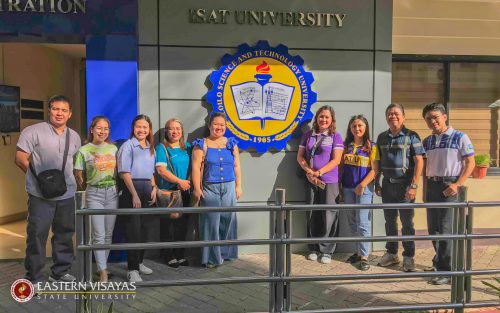

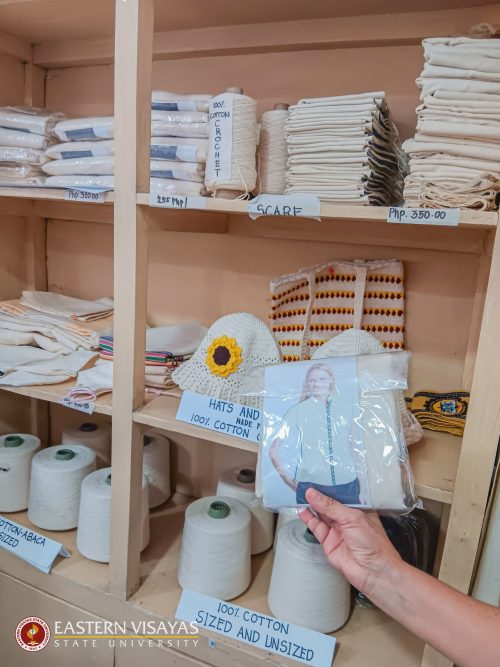
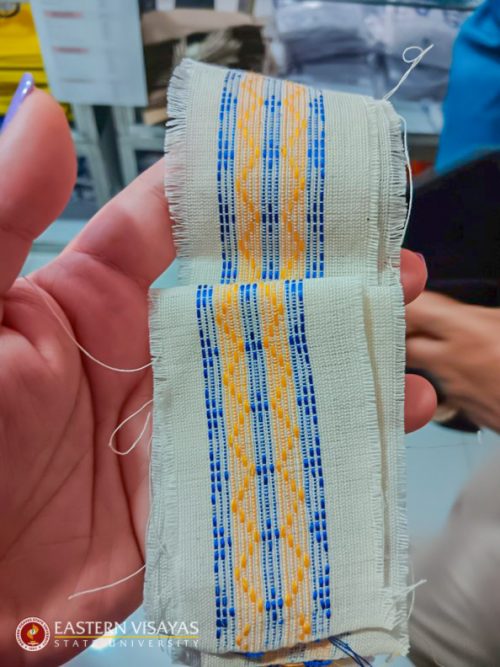
EVSU’s development of the Natural Textile Fiber Innovation Hub (NTFIH), in collaboration with the Department of Science and Technology–Philippine Textile Research Institute (DOST-PTRI), further demonstrates the University’s support for technology-driven enterprises that promote sustainable production and alternative materials.
In 2025, the initiative advanced through the benchmarking activities conducted by the EVSU technical team in Iloilo Province from March 25 to 29. The activity formed part of the University’s efforts to strengthen its technical and operational preparations for establishing an innovation hub focused on natural textile fiber processing and development.
The project explores the utilization of locally available agricultural materials, particularly banana and pineapple leaves, as alternative sources of textile fibers. These agricultural materials present opportunities for developing value-added products from resources that may otherwise be discarded or underutilized. Through appropriate fiber extraction, processing, and product development technologies, agricultural residues can be transformed into useful raw materials for textile manufacturing and other commercial applications.
The initiative provides an important foundation for supporting start-ups and emerging enterprises engaged in natural fiber processing, sustainable textile production, alternative material manufacturing, and other related industries. Through access to research expertise, processing technologies, technical knowledge, and potential technology transfer opportunities, EVSU helps create an environment where entrepreneurs can explore new business models based on sustainable materials and locally sourced resources.
Its contribution to a low-carbon economy is particularly evident in its promotion of alternative plant-based materials and agricultural resource utilization. By encouraging the conversion of agricultural residues into commercially valuable products, the initiative supports resource efficiency, material recovery, and opportunities to reduce dependence on conventional raw materials. It also opens opportunities for local entrepreneurs to participate in sustainable manufacturing and develop products that respond to the growing demand for environmentally responsible alternatives.
Through the NTFIH, EVSU demonstrates how university-based research and technological innovation can serve as foundations for green entrepreneurship. The initiative provides opportunities for translating sustainable material research into marketable products and potential business ventures, while strengthening the capacity of local industries to participate in more resource-efficient production systems.
Intellectual Property and Technology Business Management: Facilitating Research Commercialization and Technology-Based Start-ups
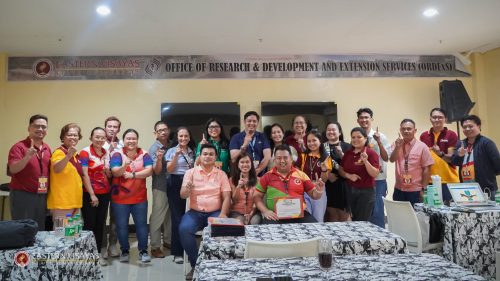
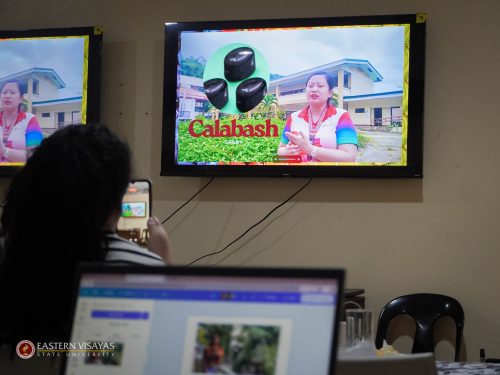
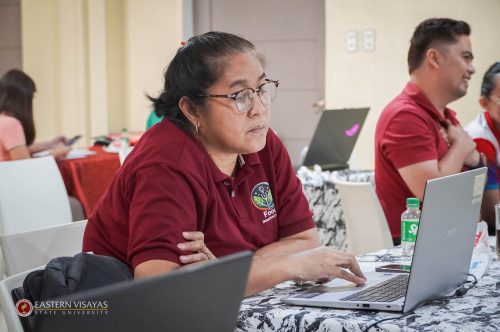
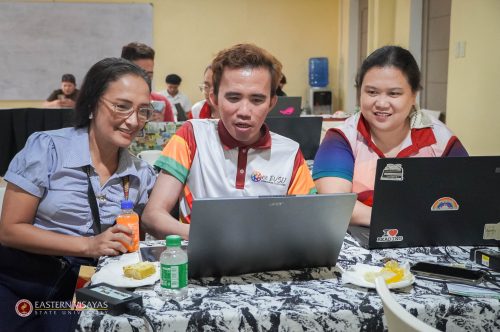

EVSU also strengthens its support for technology-based entrepreneurship through its Intellectual Property and Technology Business Management (IPTBM) initiatives. The program provides an institutional mechanism for identifying, protecting, promoting, and commercializing technologies developed by university researchers and faculty-inventors.
In September 2025, the EVSU-IPTBM conducted its second batch of the Information, Education, and Communication (IEC) Material Development Sprint on September 18–19. The activity was implemented under Phase 2 of the DOST-PCAARRD-funded Regional Agri-Aqua Innovation System Enhancement (RAISE) Program and focused on strengthening the capacity of faculty-inventors to promote their developed technologies.
Through this initiative, EVSU assists researchers in transforming technical research outputs into information and promotional materials that communicate the functions, benefits, applications, and potential commercial value of their innovations. This is an important step in technology commercialization because promising research outputs require effective promotion and communication to attract potential adopters, industry partners, investors, and entrepreneurs.
The IPTBM mechanism supports the development of technology-based enterprises by creating opportunities for university-generated innovations to move from the research and development stage toward practical applications and commercial utilization. Through technology promotion, intellectual property management, and commercialization activities, EVSU helps establish connections between inventors and potential business partners who may adopt, license, develop, or further commercialize these technologies.
In relation to the low-carbon economy, this institutional mechanism can facilitate the commercialization of innovations that address sustainable agriculture, resource efficiency, environmental management, alternative materials, and other sustainability-related challenges. It provides a platform through which environmentally beneficial technologies can be introduced to the business sector and potentially developed into products, services, or start-up ventures.
Through the IPTBM Program, EVSU reinforces the principle that research and innovation should generate practical economic and societal benefits. By supporting the transition of university-developed technologies into commercial applications, the University contributes to an innovation ecosystem where emerging enterprises can access research-based solutions and develop business opportunities around sustainable technologies.
Eastern Visayas Food Innovation Center: Providing Technical and Product Development Support to Emerging Enterprises
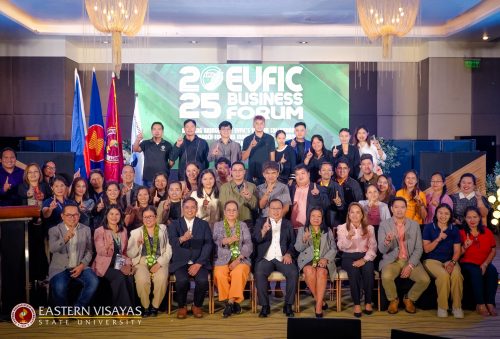
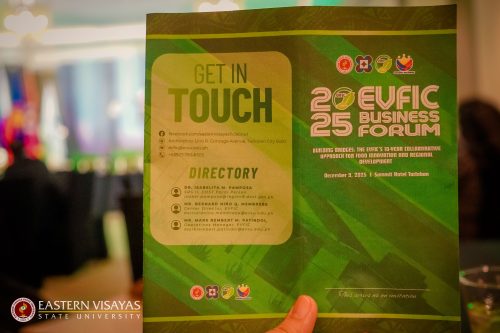
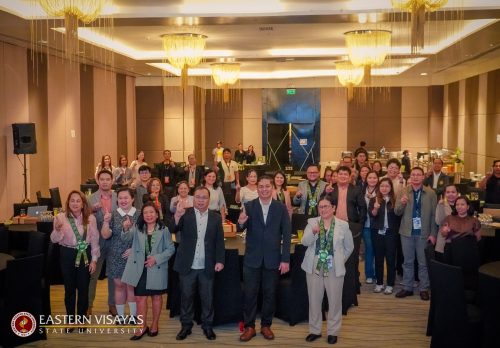
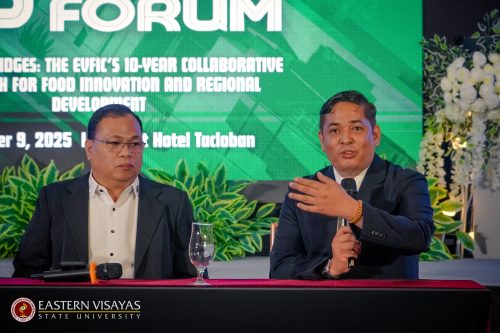
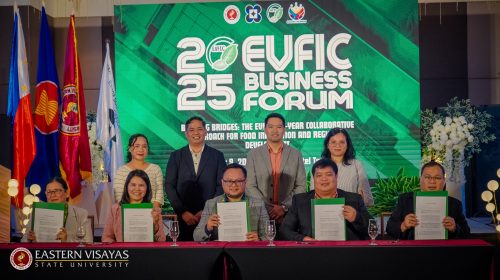
Another important institutional mechanism through which EVSU supports enterprise development is the Eastern Visayas Food Innovation Center (EVFIC). The Center serves as a platform for connecting research, food technology, product development, and entrepreneurship by providing technical services and innovation support to food producers, MSMEs, and potential entrepreneurs.
Through its food research and innovation capabilities, EVFIC assists enterprises in developing new products, improving existing formulations, exploring food processing technologies, and strengthening their capacity to produce safe and marketable products. Its services provide businesses with access to technical knowledge and facilities that may otherwise be difficult or costly for small enterprises to obtain independently.
The Center’s support is particularly valuable to start-ups and emerging food businesses because product development and processing improvements are essential in establishing commercially viable enterprises. By providing technical guidance and opportunities for technology adoption, EVFIC helps local producers transform available agricultural resources into higher-value products, expand their product offerings, and explore new market opportunities.
EVFIC’s enterprise development activities were further highlighted through its 2025 Business Forum, held on December 10, 2025, in celebration of the Center’s tenth anniversary. The event brought together stakeholders from government, research, industry, and the MSME sector to strengthen collaboration in food innovation and regional enterprise development. The presentation and pitching of commercializable technologies, including innovations in dried food processing, provided opportunities for introducing research-based technologies to potential adopters and business partners.
The Center’s contribution to a low-carbon economy can be linked to its promotion of value-adding activities, improved food processing, and the utilization of local agricultural resources. Such interventions can create opportunities for businesses to improve resource utilization, minimize production losses, and develop value-added products from locally available materials. These are important considerations in encouraging more sustainable food production and processing enterprises.
Through EVFIC, EVSU provides an institutional support structure that helps entrepreneurs and MSMEs overcome technical and product development challenges. The Center demonstrates how university-based facilities, research expertise, and technology transfer services can help nurture innovative enterprises while encouraging more efficient and sustainable production practices.
Go Negosyo Center: Strengthening Entrepreneurship through Business Development Assistance and Mentorship
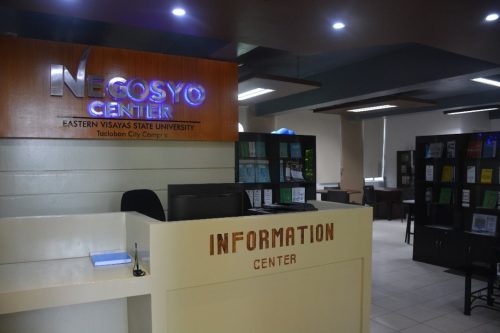
EVSU further complements its technology and research commercialization initiatives through its Go Negosyo Center, which provides an accessible institutional platform for entrepreneurship development and business assistance.
The Center supports aspiring entrepreneurs, start-ups, and existing MSMEs through business development guidance, entrepreneurship-related information, mentorship, training, and access to relevant business support resources. These services help individuals and emerging enterprises develop their business ideas, understand market requirements, improve their management capabilities, and identify opportunities for establishing or expanding their operations.
The Center is particularly relevant to start-up development because entrepreneurs often require assistance not only in developing innovative products but also in transforming these innovations into sustainable business ventures. Through entrepreneurship support and business guidance, EVSU helps provide the foundational knowledge and institutional assistance needed to strengthen the viability and competitiveness of emerging enterprises.
In advancing a low-carbon economy, the Go Negosyo Center provides a potential channel for encouraging green entrepreneurship by supporting business concepts centered on sustainable products, environmentally responsible services, alternative materials, and resource-efficient technologies. By integrating sustainability considerations into entrepreneurship development, the University can help aspiring business owners recognize opportunities in emerging green markets and develop business models that generate economic value while addressing environmental concerns.
Together with the University’s research and technology commercialization initiatives, the Go Negosyo Center strengthens the connection between innovation and enterprise creation. It helps ensure that entrepreneurship support is not limited to technology development but also extends to the business knowledge and development assistance necessary to bring innovative products and services to market.
Student Entrepreneurship and Business Plan Implementation: Developing Future Innovative and Sustainable Enterprises

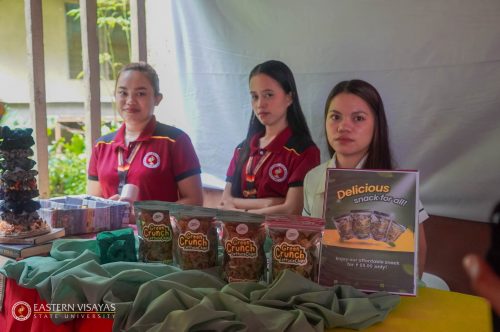
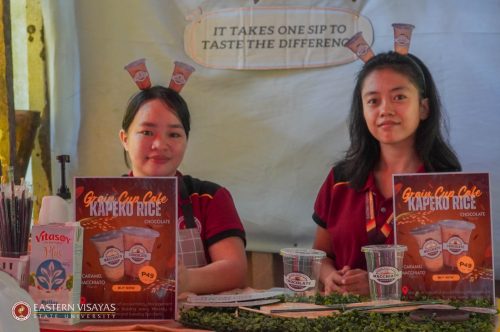


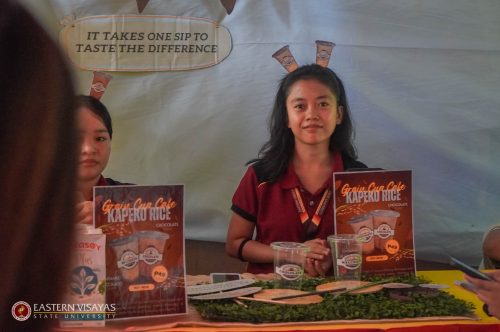
EVSU also promotes enterprise creation through its academic entrepreneurship initiatives, particularly the Business Plan Implementation Projects launched by the College of Business and Entrepreneurship on October 28, 2025.
The initiative provides students with opportunities to translate their business concepts and plans into actual enterprise activities. Rather than limiting entrepreneurship education to classroom discussions and theoretical business planning, the project allows students to experience the practical requirements of establishing and operating a business.
Through the implementation of their business plans, students gain exposure to product development, business operations, resource management, marketing, customer engagement, and the challenges involved in bringing products and services to the market. These experiences help develop entrepreneurial competencies and prepare students to establish their own ventures or participate in the development of innovative enterprises after graduation.
The initiative also creates an opportunity to integrate environmental sustainability into business development and entrepreneurship education. Students can be encouraged to explore business models that promote responsible resource utilization, environmentally friendly products, waste reduction, alternative materials, and other sustainable business practices.
Although the initiative is primarily an entrepreneurship development activity, its institutional value lies in preparing future entrepreneurs who can contribute to a more sustainable regional economy. By providing a practical environment for testing and implementing business ideas, EVSU helps cultivate an entrepreneurial culture that can support the future development of green start-ups and technology-based enterprises.
Through its 2025 initiatives, Eastern Visayas State University affirms its commitment to supporting entrepreneurship as a means of advancing technological innovation, sustainable economic development, and environmental responsibility. The University recognizes that the development of a low-carbon economy requires not only technological breakthroughs but also institutional mechanisms that enable entrepreneurs and enterprises to access, adopt, and commercialize sustainable innovations.
Accordingly, EVSU continues to utilize its research capabilities, innovation facilities, technology transfer mechanisms, extension services, and strategic partnerships to assist start-ups, MSMEs, and emerging enterprises. By facilitating technical assistance, product development, technology commercialization, entrepreneurship mentorship, and industry collaboration, the University helps create opportunities for businesses to develop innovative and resource-efficient products and services.
Through these institutional interventions, EVSU contributes to building an entrepreneurial ecosystem that encourages green innovation, supports sustainable enterprise development, and promotes the commercialization of technologies with potential environmental benefits. These efforts reflect the University’s role as an active institutional partner in nurturing enterprises that can generate economic opportunities while contributing to the transition toward a more sustainable and low-carbon regional economy.
EXPLORE OUR SDG 7 INITIATIVES & ACTIVITIESS
EXPLORE OUR SDG 7 RESEARCH & PUBLICATIONS
SUSTAINABLE DEVELOPMENT GOALS



