SDG 17 | PARTNERSHIP FOR THE GOALS

Collaboration with NGOs for SDGs

Eastern Visayas State University (EVSU) recognizes that achieving the 2030 Agenda for Sustainable Development requires strong partnerships that extend beyond the traditional boundaries of higher education. Universities have a responsibility not only to generate knowledge and develop competent graduates but also to mobilize their academic communities, research capabilities, and institutional resources in collaboration with non-governmental organizations (NGOs), civil society groups, and development-oriented institutions to address pressing societal challenges.

In pursuit of this commitment, EVSU continues to strengthen its institutional engagement with organizations that share its vision of inclusive education, environmental sustainability, social responsibility, human dignity, community empowerment, and equitable development. Through these partnerships, the University creates opportunities for students to become active participants in community service and volunteerism, enables faculty and researchers to engage in collaborative knowledge generation, and facilitates access to educational materials, training frameworks, digital technologies, and other learning resources that benefit both the university community and external stakeholders.

EVSU’s 2025 initiatives demonstrate three interconnected approaches to NGO collaboration: (1) Student Volunteering, which mobilizes students and university personnel to participate in community and environmental initiatives; (2) Research Programmes, which connect academic expertise with the development experience and community networks of partner organizations; and (3) Development of Educational Resources, which facilitates the creation, adoption, adaptation, and dissemination of learning materials and capacity-building resources. These approaches reflect the University’s recognition that partnerships become meaningful when they translate into actual participation, knowledge exchange, and development-oriented outcomes.

Collaborating with NGO’s to Advance the Sustainable Development Goals through Student Volunteering, Research Programmes, and Educational Resource Development

Eastern Visayas State University (EVSU) recognizes that achieving the 2030 Agenda for Sustainable Development requires meaningful collaboration among higher education institutions, non-governmental organizations (NGOs), civil society groups, and development partners. As a state university committed to advancing inclusive and sustainable regional development, EVSU considers its engagement with NGOs an important mechanism for extending the impact of higher education beyond the classroom and translating academic knowledge, research capabilities, and institutional resources into practical solutions to societal challenges.

In 2025, EVSU continued to strengthen its institutional collaborations with development-oriented organizations through initiatives that mobilize students for volunteerism, connect academic expertise with community-based development interventions, and facilitate access to educational resources, digital technologies, and specialized learning frameworks. These partnerships reflect the University’s commitment to working with organizations that share its goals of promoting quality education, environmental protection, social inclusion, human dignity, economic empowerment, and community resilience.
Mobilizing Student Volunteers through NGO Partnerships for Sustainable Development

In 2025, Eastern Visayas State University (EVSU) strengthened its commitment to community engagement and sustainable development by facilitating opportunities for students to work alongside non-government organizations (NGOs), civil-society groups, and development partners in addressing pressing environmental, educational, and social concerns. Recognizing that the pursuit of the Sustainable Development Goals requires active participation beyond the university environment, EVSU supported collaborative initiatives that connected academic learning with practical community involvement, environmental stewardship, and youth engagement.

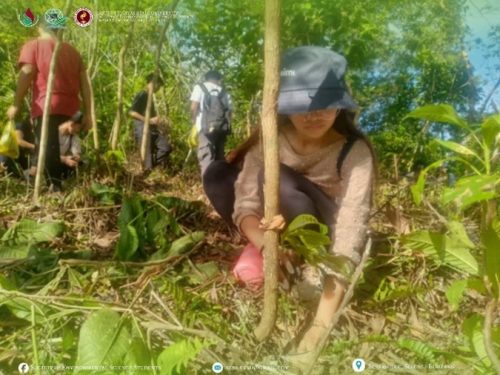
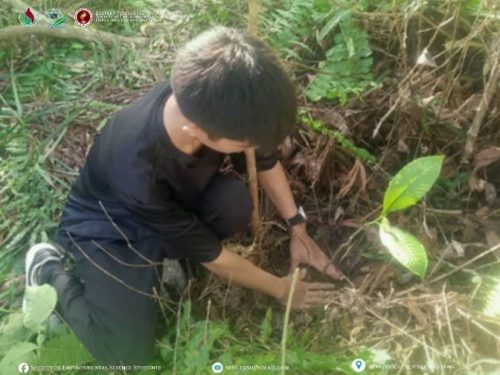
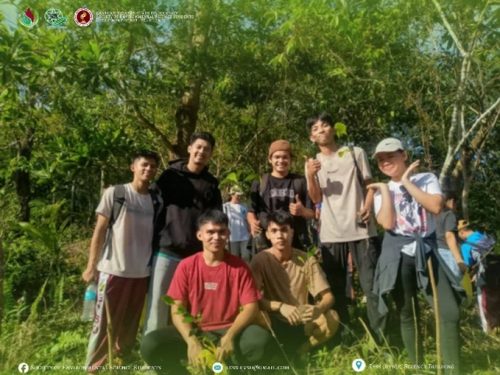
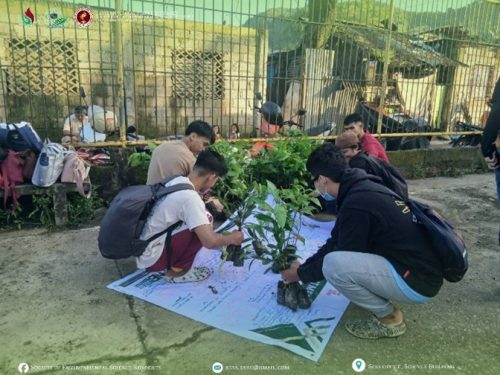
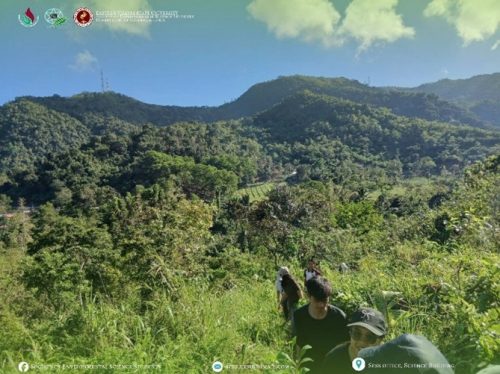
A notable example was the participation of EVSU’s fourth-year Bachelor of Science in Environmental Science students and members of the Society of Environmental Science Students in “Sibol Han Pagkaurusa,” a native tree-planting initiative organized by Plan International Pilipinas under its Eco Project: Ugnayan sa Klima for Resilient Communities. Conducted on November 29, 2025, in Barangay 104, Salvacion, Tacloban City, the activity brought together university students, environmental advocates, and partner organizations, including the Rotaract Club of San Juanico, Pintakasi for Landscape Restoration Inc., and Tacloban Mountaineering Advocates. Through orientation sessions on native tree species, biodiversity, and ecosystem restoration, followed by the actual planting of seedlings, participating students translated their environmental science knowledge into meaningful community action. Their involvement contributed to local environmental restoration and strengthened community participation in climate-resilience initiatives.

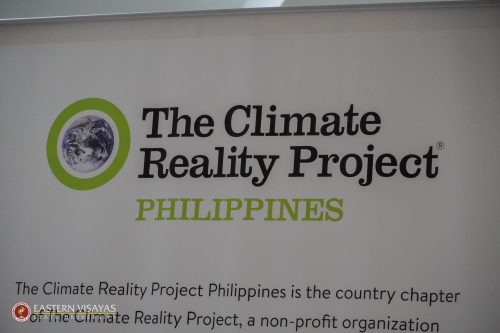
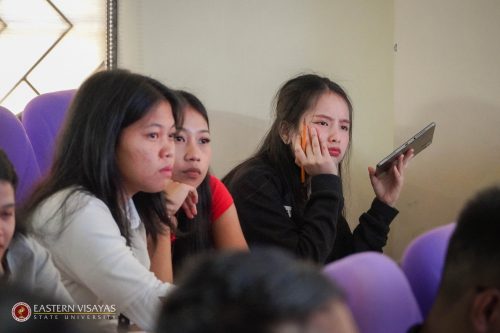
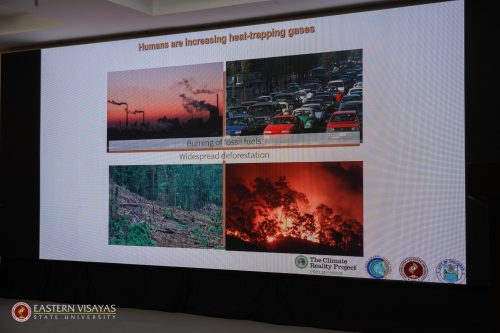
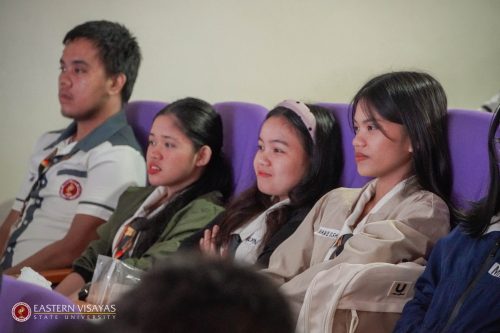
EVSU also advanced youth engagement in environmental action through its collaboration with the Climate Reality Project Philippines in co-hosting Klima-Eskwela: Climate Science, Arts and Action on November 27–28, 2025. In partnership with the Climate Change Commission and the City Government of Tacloban, the University provided a learning platform for developing a deeper understanding of climate science, climate governance, and the interconnected challenges of climate change and plastic pollution. Through Project Niche, participants were encouraged to conceptualize plastic-free campus initiatives and policies that could be presented and implemented in their respective institutions. This collaboration reinforced the role of students as potential advocates and initiators of campus-level environmental solutions, while connecting them with the expertise and advocacy networks of climate-focused organizations.

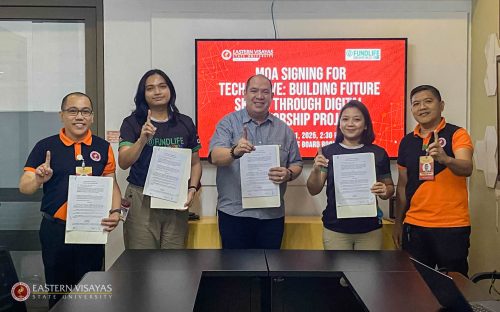
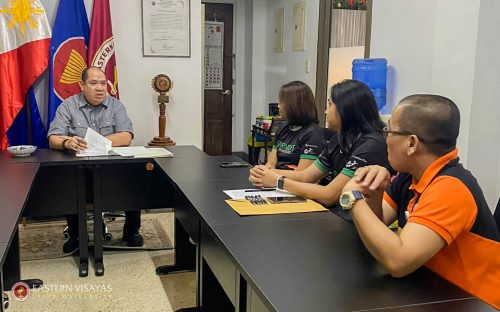
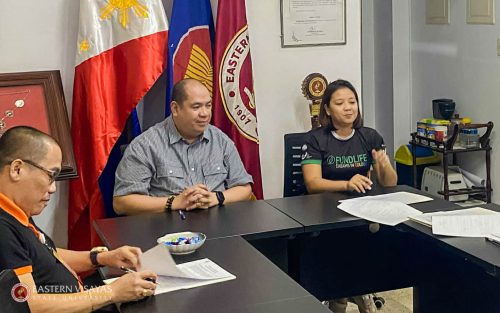
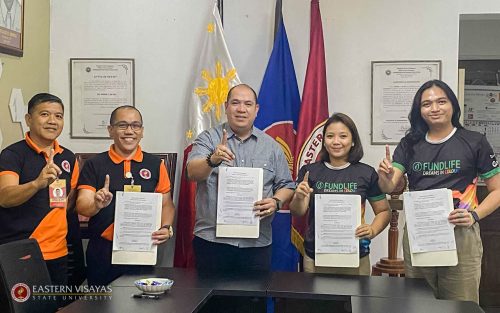
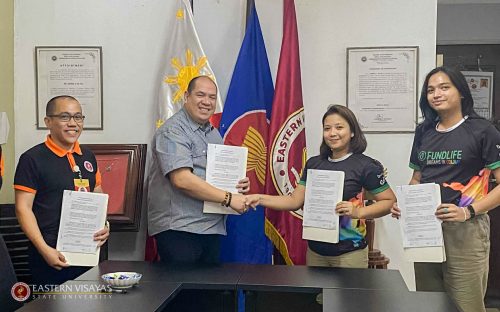
Complementing these environmental initiatives, EVSU established a partnership with FundLife International, supported by the non-profit organization Mentors Without Borders, through the Tech2Thrive: Building Future Skills through Digital Mentorship Project at EVSU–Dulag Campus. The initiative was designed to initially benefit 25 students through access to digital equipment, structured skills development, and mentorship from volunteer professionals in the technology sector. Although students participate primarily as beneficiaries rather than volunteers, the project demonstrates how EVSU’s NGO partnerships can mobilize external expertise and volunteer resources to improve educational access, digital competencies, and future employment opportunities.

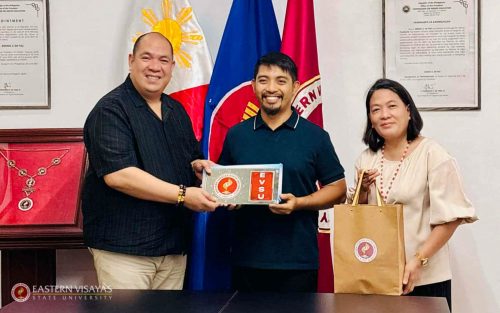
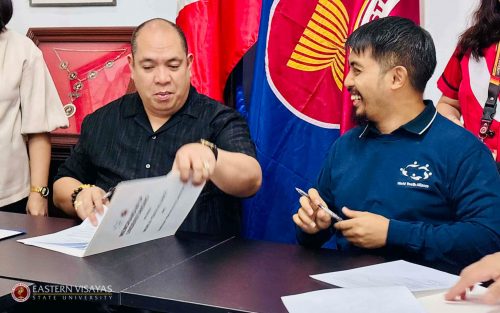
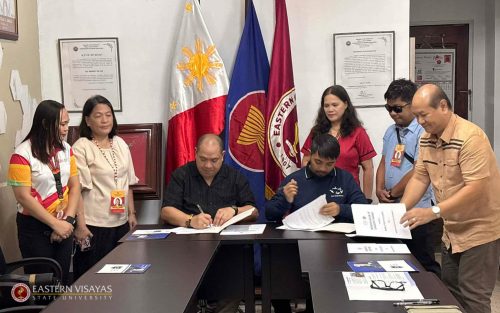
Furthermore, EVSU’s Memorandum of Understanding with the World Youth Alliance in November 2025 established another avenue for collaboration in values-based education and student engagement through the Human Dignity Curriculum. By involving the University’s Office of Student Affairs and Services in the intended implementation across campuses, the partnership provides a framework for strengthening students’ understanding of human dignity, personal development, and social responsibility.

Taken together, these initiatives demonstrate EVSU’s evolving approach to student engagement in sustainable development. Through direct participation in environmental restoration, collaboration with climate advocacy organizations, exposure to global volunteer expertise, and partnerships promoting inclusive and values-based education, the University creates opportunities for students to become active contributors to community and societal transformation. These efforts reflect EVSU’s commitment to advancing SDG 4 (Quality Education), SDG 11 (Sustainable Cities and Communities), SDG 13 (Climate Action), and SDG 17 (Partnerships for the Goals), while cultivating a university culture in which learning is complemented by civic responsibility, volunteerism, and meaningful collaboration with civil society.

Research Programmes: Connecting Academic Expertise with NGO Knowledge and Community Development

Eastern Visayas State University (EVSU) recognizes that addressing complex sustainable development challenges requires research that extends beyond conventional academic inquiry and incorporates the knowledge, experiences, and perspectives of organizations and communities directly affected by these issues. In 2025, the University strengthened its collaborative approach to research and community development by engaging with international academic institutions, non-government organizations, and community-based partners in initiatives addressing climate resilience, inclusive education, social development, and sustainable livelihoods. Through these partnerships, EVSU sought to connect academic expertise with practical community realities, promote participatory approaches to knowledge generation, and translate research and technical knowledge into solutions responsive to the needs of Eastern Visayas.

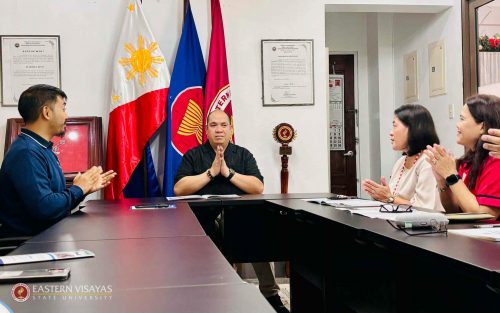
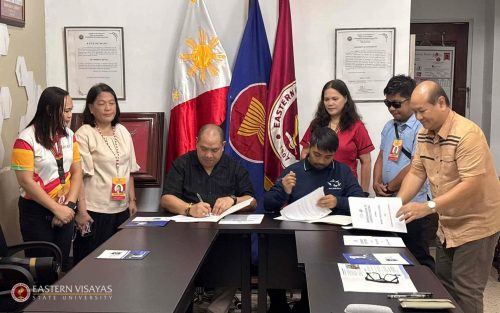
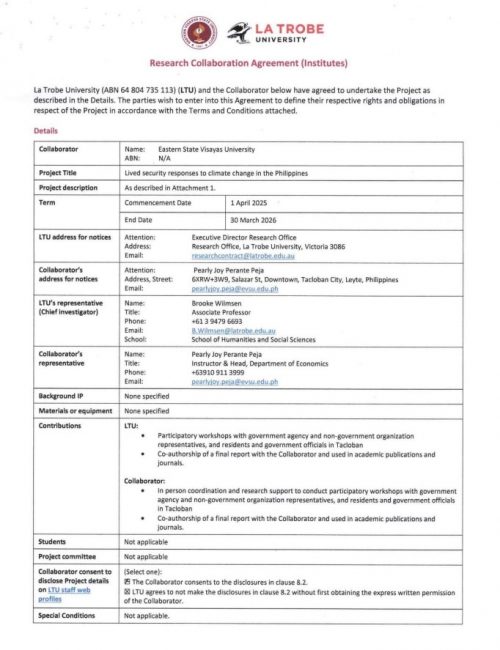
A significant example was EVSU’s research collaboration with La Trobe University of Australia through the project “Lived Security Responses to Climate Change in the Philippines.” Commencing in April 2025, the research examines how coastal populations experience and respond to government-led climate adaptation measures, including seawall construction and large-scale relocation. Beyond examining climate policies and infrastructure interventions, the project adopts a people-centered perspective by investigating how communities negotiate their everyday security, livelihoods, and future in the face of environmental change. Its participatory research design provides for workshops involving representatives of government agencies, non-government organizations, residents, and local officials in Tacloban. EVSU contributes in-person coordination and research support, while both institutions undertake responsibilities toward the preparation and co-authorship of a final research report intended for academic publication. By incorporating NGO perspectives and community experiences into the research process, the initiative recognizes the importance of diverse sources of knowledge in understanding climate vulnerability, evaluating adaptation responses, and informing more inclusive and context-sensitive development strategies.

EVSU further expanded its engagement with international civil society through its November 2025 Memorandum of Understanding with the World Youth Alliance (WYA), an international nonprofit organization promoting human dignity through education, policy, and culture. The partnership identifies the Human Dignity Curriculum as a key area of cooperation and expresses the institutions’ intention to collaborate on research concerning the curriculum and its implementation within the Philippine context. Through this arrangement, EVSU seeks to contribute its academic and institutional expertise to the examination and contextualization of an internationally developed educational framework. The involvement of the University’s Office of Student Affairs and Services in supporting implementation and student engagement also creates opportunities to connect educational practice with future research on values formation, human dignity, personal development, and inclusive learning environments.

Collectively, these initiatives reflect EVSU’s commitment to making research more participatory, socially responsive, and relevant to sustainable development. By creating platforms for academic researchers to engage with NGO representatives, civil-society practitioners, community residents, and development stakeholders, the University helps bridge the gap between scholarly knowledge and the practical challenges experienced by communities. These collaborations support the generation of context-sensitive evidence, the exchange of specialized expertise, and the development of interventions that can contribute to more resilient, inclusive, and sustainable communities. Through this approach, EVSU advances its contribution to SDG 4 (Quality Education), SDG 10 (Reduced Inequalities), SDG 11 (Sustainable Cities and Communities), SDG 13 (Climate Action), and SDG 17 (Partnerships for the Goals), affirming the role of collaborative research and knowledge exchange in achieving the Sustainable Development Goals.

Development of Educational Resources: Expanding Access to Inclusive and Relevant Learning Opportunities

EVSU also collaborates with NGOs to broaden access to educational resources, specialized learning frameworks, digital technologies, and capacity-building opportunities. These initiatives demonstrate how partnerships can combine external expertise and resources with the University’s academic and instructional capabilities to improve the accessibility, relevance, and inclusiveness of education.Through its partnership with the World Youth Alliance, EVSU established a framework for introducing the Human Dignity Curriculum, an internationally developed, values-based educational programme that promotes an understanding of human dignity, personal identity, and human excellence. The collaboration provides opportunities to access and contextualize educational materials and learning approaches that promote respect for individual worth, human rights, and social inclusion.

Similarly, the Tech2Thrive project with FundLife International and Mentors Without Borders strengthens access to digital educational resources at EVSU–Dulag Campus. Through the provision of laptops, internet connectivity, technical equipment, curriculum frameworks, structured training, and volunteer mentorship from industry professionals, the partnership seeks to strengthen students’ digital competencies and career readiness. The project initially targets 25 students and provides a structured approach to technology-enabled learning through digital infrastructure, guided capability development, and specialized professional mentorship.

The collaboration with the Climate Reality Project Philippines through Klima-Eskwela further contributes to climate education and environmental literacy by providing access to scientific knowledge, environmental learning activities, and action-oriented educational approaches. The introduction of Project Niche encourages participants to translate learning into practical campus-based environmental projects and policies.

EVSU’s partnership with Side by Side Alliance, an international NGO, through the FORGE Extension Project likewise demonstrates how technical and vocational learning resources can be extended to communities beyond the University’s enrolled student population. Through faculty-led welding instruction and competency-oriented training, community beneficiaries gain access to practical educational opportunities that can strengthen employability and livelihood prospects.

In 2025, EVSU’s School of Technology implemented the FORGE Extension Project, which provided welding training to community beneficiaries from Barangays Pitogo and Catoogan in Sta. Fe, Leyte. The project culminated on October 24, 2025, recognizing the completion of the training programme. Five beneficiaries had already earned the Welding National Certificate II (NC II), while additional participants were expected to pursue certification. The project illustrates how EVSU’s technical faculty can work with an NGO to identify community livelihood needs and deliver specialized skills training that responds to those needs. It translates academic and technical expertise into practical interventions for employment, livelihood development, and poverty reduction. 

These initiatives affirm EVSU’s commitment to making educational resources more accessible, responsive, and development-oriented through collaboration with organizations possessing specialized knowledge, technical expertise, and community development experience.

Strengthening Partnerships for Collective SDG Impact

Collectively, EVSU’s 2025 initiatives demonstrate its commitment to establishing meaningful partnerships with NGOs through student volunteerism, collaborative research opportunities, and the development and sharing of educational resources. These collaborations connect students, faculty members, researchers, community beneficiaries, and external development practitioners in addressing interconnected challenges affecting Eastern Visayas and beyond.By mobilizing student volunteers for environmental restoration and climate action, exploring collaborative research on educational frameworks and community development, and facilitating access to digital learning resources, specialized curricula, and technical training, EVSU demonstrates how university–NGO partnerships can transform shared development objectives into practical interventions.
Through these institutional collaborations, EVSU affirms its role as an engaged and socially responsive university that works alongside non-governmental organizations and civil society partners to advance inclusive education, environmental sustainability, community empowerment, and the collective achievement of the 2030 Sustainable Development Agenda.

EXPLORE OUR SDG 17 INITIATIVES & ACTIVITIES

2026202520242023
SDG 17: Initiatives for 2026
SDG 17: Initiatives for 2025
SDG 17: Initiatives for 2024
SDG 17: Initiatives for 2023

EXPLORE OUR SDG 17 RESEARCH & PUBLICATIONS

202520242023
SDG 17: Publications for 2025
SDG 17: Publications for 2024
SDG 17: Publications for 2023

SUSTAINABLE DEVELOPMENT GOALS

20252024
2025: Sustainable Development Goals
2024: Sustainable Development Goals