SDG 17 | PARTNERSHIP FOR THE GOALS
Education for SDGs Commitment to Meaningful Education
Eastern Visayas State University (EVSU) recognizes that achieving the Sustainable Development Goals (SDGs) requires more than institutional policies, sustainability programs, and isolated environmental initiatives. It requires an educational environment in which every student, regardless of academic discipline, campus affiliation, or future profession, understands the principles of sustainable development and appreciates their responsibility in addressing the interconnected social, economic, environmental, and institutional challenges facing communities. Accordingly, EVSU is committed to embedding meaningful education for sustainable development throughout the University, ensuring that the SDGs are not treated as concepts confined to specialized academic programs but as essential knowledge, values, and competencies relevant to all learners.
Anchored on the University’s institutional mandate to provide quality, inclusive, and responsive higher education, and its aspiration to become the National University for Resiliency and Climate Action, EVSU advances an educational approach that connects academic excellence with environmental stewardship, social responsibility, innovation, equity, and community resilience. This commitment underscores the University’s responsibility to provide inclusive, equitable, and high-quality education while integrating sustainability, resiliency, and climate action into instruction, research, and extension. It emphasizes outcomes-based and learner-centered pedagogies, interdisciplinary and community-responsive learning, lifelong education, and the development of graduates equipped to contribute meaningfully to sustainable development.
University-Wide Commitment to Meaningful and Relevant Education on the Sustainable Development Goals for All Students
Embedding the SDGs in the University’s Academic and Institutional Learning Framework
A central mechanism through which EVSU advances meaningful SDG education is the integration of sustainability principles into its academic curricula and instructional processes. Through curriculum-development and review mechanisms involving the Office of Curriculum and Instruction and the University Curriculum Committee under the Academic Affairs Office, the University promotes the alignment of academic programs and course syllabi with the SDGs and its institutional vision of resilience and climate action.This approach recognizes that sustainability is a cross-cutting concern that must be understood within the context of different disciplines. Students are therefore encouraged to examine how their chosen fields contribute to addressing development challenges, including poverty, inequality, food insecurity, environmental degradation, climate change, public health concerns, technological transformation, and the need for resilient communities. By connecting sustainability principles with discipline-specific knowledge and professional competencies, EVSU seeks to ensure that graduates can apply SDG-oriented perspectives in their future workplaces and communities.
The University’s sustainability literacy framework further emphasizes the development of critical thinking, systems analysis, and socio-environmental awareness through outcomes-based education and performance-oriented assessment. These competencies enable students to understand the relationships among economic development, environmental protection, social inclusion, and institutional responsibility. The framework also identifies sustainability awareness surveys and knowledge evaluations as mechanisms for assessing student understanding and strengthening the University’s educational interventions.
EVSU’s commitment is likewise reflected in its use of general education and institutional learning opportunities to introduce sustainability concepts beyond specialized degree programs. Through general education, the National Service Training Program (NSTP), and Disaster Risk Reduction (DRR) learning activities, students are provided with opportunities to understand their roles in promoting responsible citizenship, environmental protection, disaster preparedness, community welfare, and sustainable development. This broader educational approach is particularly significant because it creates pathways for sustainability learning among students from different academic backgrounds.
Making Sustainability Education Relevant Across Academic Disciplines
EVSU understands that meaningful SDG education must be contextualized according to the knowledge, skills, and responsibilities associated with different professions. Accordingly, the University’s multidisciplinary academic environment provides opportunities to connect the SDGs with practical professional applications.In Engineering and Architecture, sustainability principles are relevant to resilient infrastructure, sustainable construction, energy efficiency, technological innovation, and disaster-resilient communities. In Agriculture and Fisheries, they are connected to food security, sustainable production, biodiversity conservation, responsible resource utilization, and the protection of livelihoods dependent on natural resources. Environmental Science provides opportunities to examine climate change, ecosystem restoration, pollution prevention, and environmental governance. In Nutrition and Dietetics and other health-related disciplines, sustainability is connected to public health, nutrition security, equitable access to services, and community well-being. Meanwhile, students in Education and Human Services are encouraged to appreciate the role of inclusive learning, social protection, literacy, gender equality, and community empowerment in achieving sustainable development.
Through these disciplinary connections, EVSU reinforces the principle that the SDGs are relevant to every profession and that every graduate has a role in advancing the goals. Sustainability education is therefore not limited to the acquisition of environmental knowledge but encompasses the development of ethical judgment, social awareness, professional accountability, and the capacity to contribute to inclusive and resilient communities.
Transforming SDG Knowledge into Experiential and Action-Oriented Learning
Beyond formal instruction, EVSU strengthens students’ understanding of sustainable development through experiential activities that allow them to translate knowledge into practical action. These opportunities enable students to engage with actual development concerns, collaborate with stakeholders, and recognize how individual and collective actions contribute to achieving the SDGs.
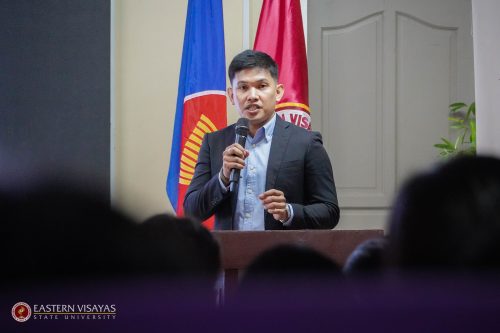
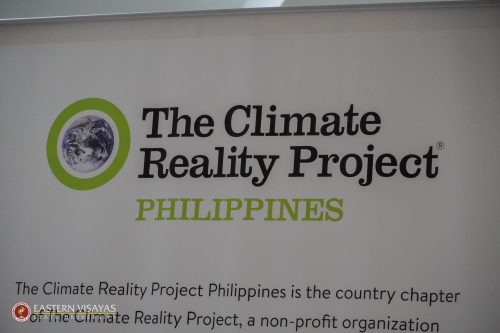
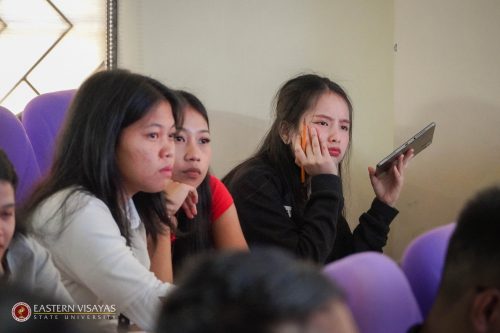
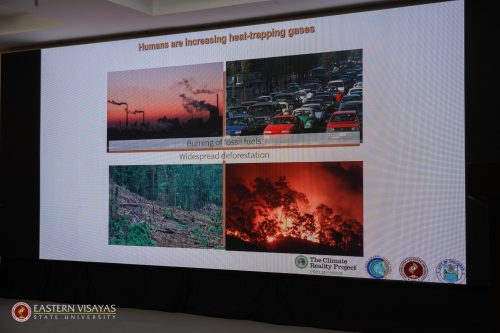
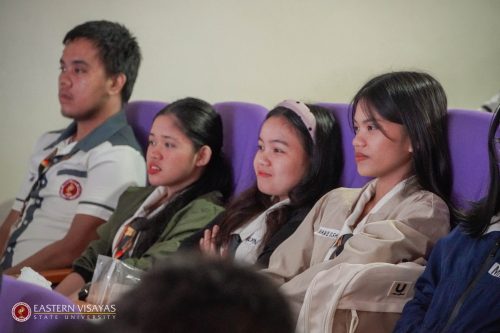
A notable example was the University’s co-hosting of Klima-Eskwela: Climate Science, Arts and Action on November 27–28, 2025, in partnership with the Climate Reality Project Philippines, the Climate Change Commission, and the City Government of Tacloban. Conducted at the ORIES Studio Room, the two-day initiative sought to strengthen youth understanding of climate science, policy, and governance while encouraging practical climate action. Discussions covered climate science, impacts and solutions, the relationship between climate change and the plastic crisis, and opportunities for youth participation through Project Niche. The latter encouraged participants to develop plastic-free projects and policies that could be implemented in their respective campuses.
The initiative exemplifies EVSU’s commitment to meaningful sustainability education because it connects scientific knowledge with environmental governance, policy awareness, innovation, and project development. Rather than treating climate change as an abstract academic topic, students were encouraged to examine its implications and develop practical responses within their own learning environments. It also demonstrated the value of partnerships with government institutions and civil society organizations in enriching students’ understanding of sustainability challenges.
EVSU further demonstrates its commitment to meaningful and practical SDG education by integrating environmental awareness and responsible resource management into the National Service Training Program–Civic Welfare Training Service (NSTP-CWTS). Recognizing that sustainability education must translate into responsible everyday practices, the University provides students with opportunities to understand environmental challenges, acquire practical knowledge, and assume an active role in promoting sustainable communities.
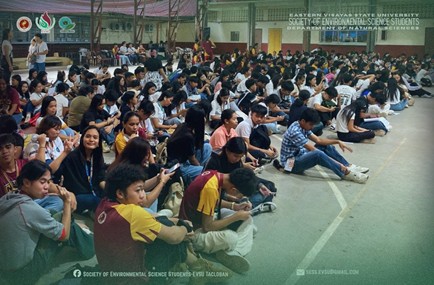
A significant initiative was the Waste Analysis and Characterization Study (WACS) Orientation for NSTP-CWTS Students, conducted on November 15, 2025, at the Inner Court of the Engineering Building, EVSU Main Campus. Organized by the University’s Pollution Control Office in partnership with the Society of Environmental Science Students, the orientation equipped NSTP-CWTS students with practical knowledge of waste generation, waste composition, and proper solid waste management.
The activity introduced participants to the principles of waste analysis and characterization, including the identification of different waste categories and the importance of proper segregation, waste reduction, reuse, recycling, and responsible disposal. It also discussed Republic Act No. 9003, or the Ecological Solid Waste Management Act of 2000, enabling students to understand the legal and institutional frameworks governing ecological solid waste management in the Philippines. In addition, the orientation provided an overview of the WACS process and its corresponding safety guidelines, explaining how waste characterization generates information that can guide appropriate and evidence-based waste management practices.
Through interactive discussions, question-and-answer sessions, and clarifications, students were encouraged to recognize their individual and collective responsibilities in reducing waste and protecting the environment. The activity concluded with a commitment signing, reinforcing their shared responsibility to practice proper waste management within the University and their respective communities.
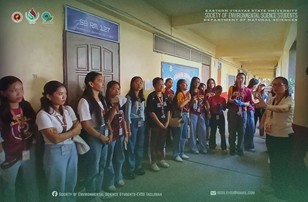
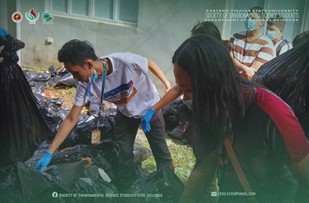
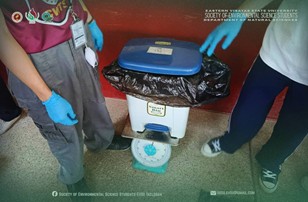
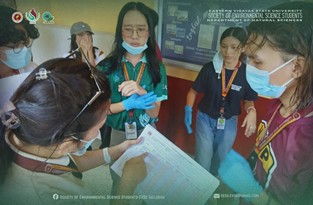
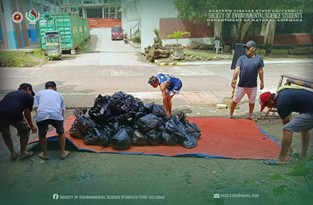
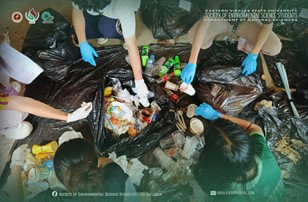
The learning process was subsequently complemented by the actual implementation of the University’s Waste Assessment and Characterization Study on November 22, 2025. Through this succeeding activity, NSTP-CWTS students participated in the practical processes of sorting, identifying, and weighing waste materials, allowing them to apply the knowledge acquired during the orientation. In partnership with the Pollution Control Office and the Society of Environmental Science Students, the students gained firsthand experience in understanding campus waste-generation patterns and the importance of reliable environmental data in developing appropriate waste-management interventions.
The two activities demonstrate a meaningful progression from environmental awareness and knowledge acquisition to practical application and responsible action. By introducing students to ecological solid waste management principles, national environmental legislation, and actual waste-characterization procedures, EVSU transforms its campus sustainability initiatives into experiential learning opportunities. More importantly, the integration of these activities into NSTP-CWTS demonstrates how sustainability education can be delivered through an institutional learning platform that extends beyond specialized environmental degree programs.
Through this hands-on engagement, students gained practical insights into waste generation, waste classification, environmental responsibility, and the importance of evidence-based waste management. The activity allowed participants to understand how consumption patterns and waste-disposal practices affect environmental quality and institutional sustainability. Complementary waste-management awareness and WACS orientation activities reinforced the importance of proper waste segregation, safety practices, and individual accountability in maintaining a sustainable campus environment. These initiatives illustrate how EVSU uses institutional operations as learning opportunities through which students can observe, analyze, and participate in addressing real sustainability challenges.
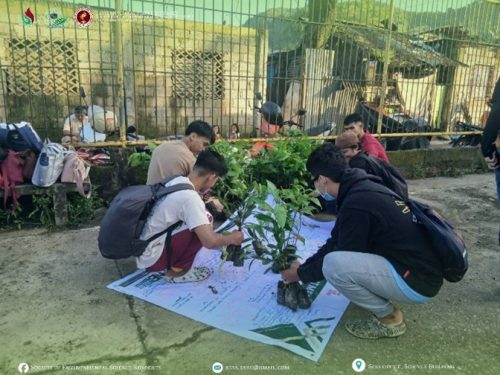
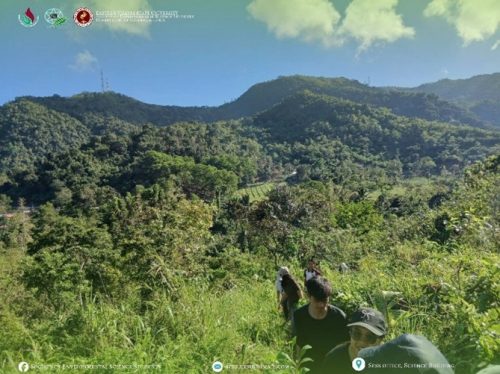
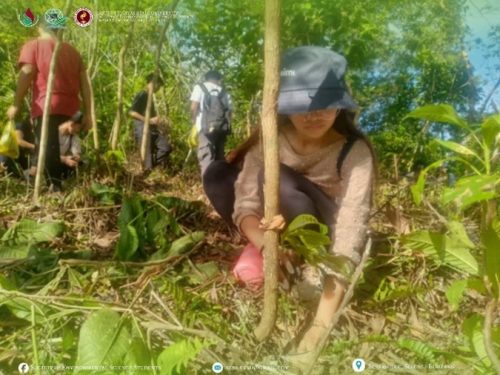
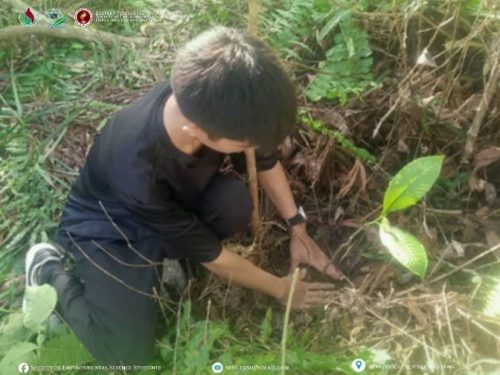
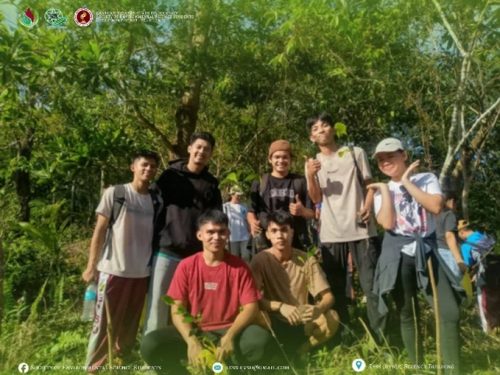
EVSU further extends sustainability learning into environmental conservation and community engagement. On November 29, 2025, fourth-year Bachelor of Science in Environmental Science students and members of the Society of Environmental Science Students participated in Sibol Han Pagkaurusa, a native tree-planting initiative in Barangay 104, Salvacion, Tacloban City. Organized under Plan International Pilipinas’ Eco Project: Ugnayan sa Klima for Resilient Communities, the activity exposed students to native species conservation, ecosystem restoration, climate resilience, and community-based environmental action. Through direct participation, students were able to connect their academic knowledge with local ecological concerns and appreciate the importance of community partnerships in protecting natural resources.
These activities collectively demonstrate EVSU’s approach to sustainability education as a combination of classroom instruction, institutional learning, practical application, and community participation. They encourage students to move beyond awareness and become active contributors to environmental protection and sustainable development.
Extending Meaningful SDG Education to Social Inclusion and Community Development
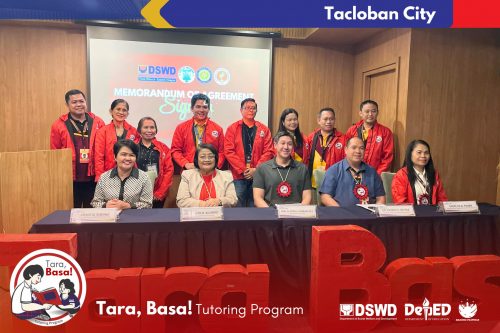
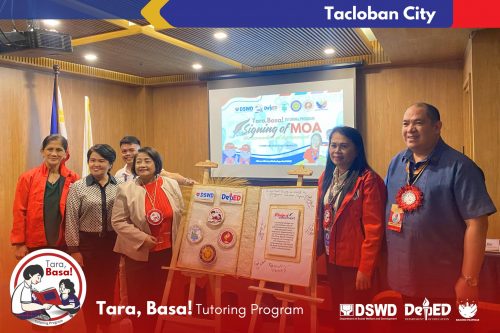


EVSU’s commitment to SDG education also recognizes that sustainability encompasses social equity, poverty reduction, quality education, digital inclusion, and economic opportunity. The University therefore promotes learning experiences that expose students to the development challenges faced by disadvantaged and underserved communities.
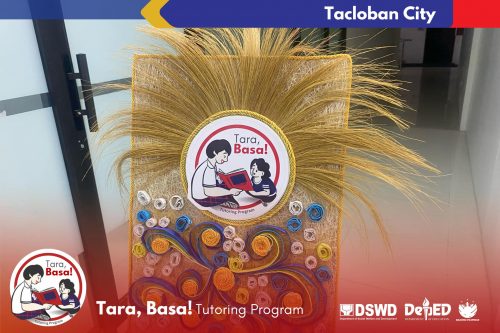
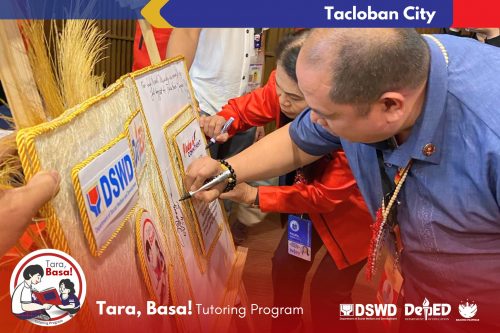
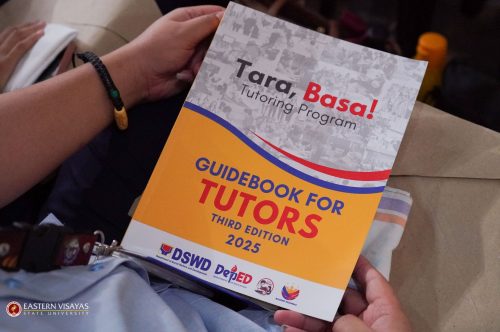
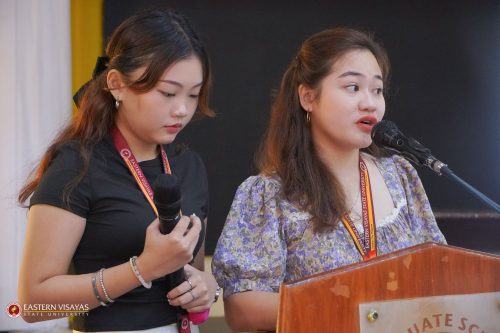
Through its participation in the Department of Social Welfare and Development’s Tara, Basa! Tutoring Program, EVSU provides opportunities for student tutors to support the foundational literacy development of disadvantaged elementary learners. Beyond the immediate educational assistance extended to beneficiaries, the initiative allows participating students to experience the social value of education, understand learning inequalities, and develop empathy, leadership, and civic responsibility. It provides a practical illustration of how future professionals can contribute to improving access to quality education and reducing educational disparities.
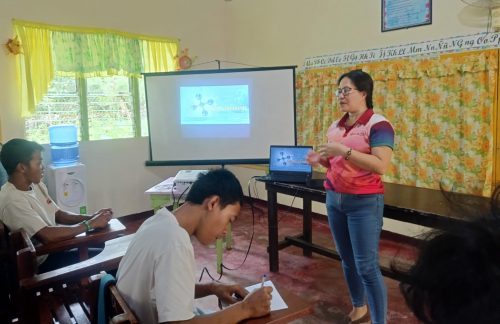
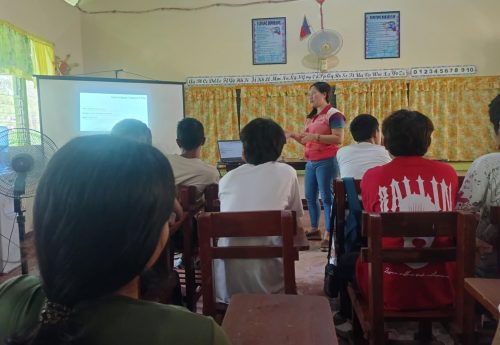
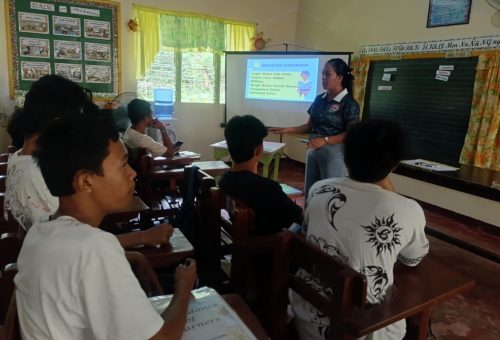
Similarly, EVSU-Carigara demonstrates its commitment to meaningful education for sustainable development through its community-based extension initiatives, particularly Project SMILE and Project READY, which engage Alternative Learning System (ALS) learners through educational support, capacity-building, and skills-development activities. These initiatives extend the University’s educational mission beyond conventional academic settings by providing learning opportunities that respond to the actual circumstances, needs, and aspirations of underserved learners. By promoting knowledge acquisition, practical competencies, personal development, and lifelong learning, the projects demonstrate how education can serve as an instrument for empowerment, social inclusion, and improved quality of life. They also provide a practical context for understanding the SDGs, particularly the importance of equitable access to quality education, reducing educational inequalities, and creating opportunities for individuals to participate meaningfully in social and economic development.
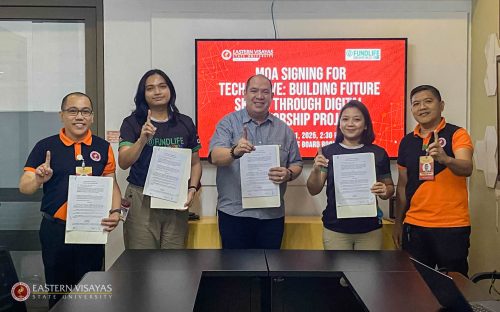
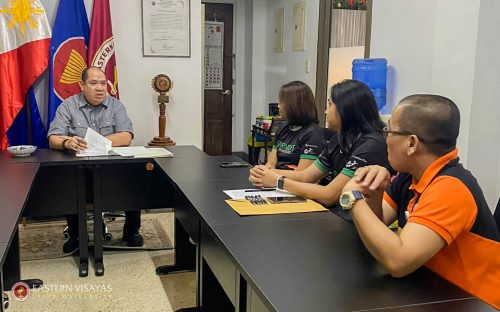
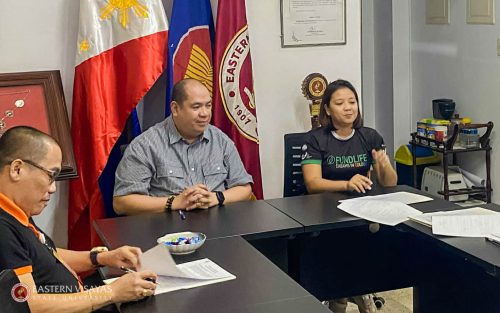
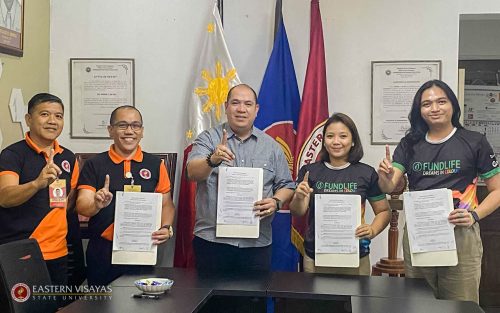
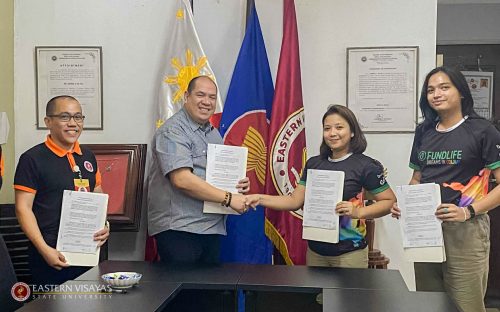
The University’s collaboration with FundLife International through the Tech2Thrive: Building Future Skills through Digital Mentorship Project further demonstrates EVSU’s commitment to meaningful and relevant education for sustainable development. By providing opportunities for digital mentorship and future-skills development, the initiative connects learning with the evolving demands of the digital economy and the changing requirements of the workplace. It reinforces the importance of equipping learners with relevant competencies, technological awareness, and the capacity to adapt to emerging opportunities and challenges. Beyond developing digital skills, the initiative highlights how education can empower individuals to improve their employability, participate in technology-driven economic activities, and contribute to innovation and inclusive development. Through this partnership, EVSU underscores the relevance of SDG education in preparing students and learners to navigate digital transformation responsibly and use their knowledge and competencies to create opportunities for themselves and their communities.
Through these engagements, EVSU demonstrates that SDG education is not restricted to environmental protection or climate action. It also involves understanding structural inequalities, supporting vulnerable populations, promoting lifelong learning, and recognizing education as a catalyst for social transformation.
Institutionalizing a Culture of Sustainability Learning for All Students
Ultimately, EVSU’s commitment to meaningful education around the SDGs is reflected in its effort to integrate sustainability into the University’s educational direction, academic processes, student-development activities, and community engagement initiatives. The combination of institutional policies, curriculum integration mechanisms, general education, NSTP, interdisciplinary learning, experiential activities, and external partnerships establishes a framework through which sustainable development becomes a shared educational concern across the University.The University’s approach recognizes that students must be equipped not only to understand the SDGs but also to identify their relevance to their chosen disciplines, assess development challenges, formulate responsible solutions, and participate in initiatives that contribute to their achievement. This requires education that is inclusive and accessible, grounded in real-world contexts, responsive to local and global concerns, and capable of developing lifelong commitment to sustainable development.
By connecting academic knowledge with professional practice, civic responsibility, environmental stewardship, social inclusion, and community resilience, Eastern Visayas State University affirms its commitment to ensuring that education for the Sustainable Development Goals is meaningful, relevant, and applicable to all students. Through this university-wide direction, EVSU continues to nurture graduates who are not only academically competent but also environmentally conscious, socially responsible, ethically grounded, and prepared to contribute to a more inclusive, resilient, and sustainable future.
EXPLORE OUR SDG 17 INITIATIVES & ACTIVITIES
EXPLORE OUR SDG 17 RESEARCH & PUBLICATIONS
SUSTAINABLE DEVELOPMENT GOALS