



SDG 3 | Good Health and Well-Being
Community Health Service Initiatives
Eastern Visayas State University (EVSU) demonstrates its commitment to advancing community health and well-being through the implementation of outreach programmes, extension initiatives, and community-based projects that promote healthy lifestyles, disease prevention, personal hygiene, proper nutrition, reproductive health, physical fitness, and psychosocial wellness. Guided by its mandate as a public higher education institution to serve not only its academic community but also the broader public, EVSU leverages its academic expertise, institutional resources, community partnerships, and student and personnel engagement to address health-related needs and contribute to improved quality of life across Eastern Visayas.
Through collaborative initiatives involving local government units, national health agencies, healthcare institutions, and community stakeholders, the University extends health education, awareness campaigns, wellness activities, and other relevant services to underserved and vulnerable populations. These initiatives reflect EVSU’s recognition that health and well-being are integral to inclusive development, educational attainment, and sustainable communities. By integrating community extension, volunteerism, and intersectoral collaboration into its public service efforts, EVSU contributes to the realization of Sustainable Development Goal 3: Good Health and Well-Being, while strengthening its role as a responsive and socially accountable institution committed to promoting healthier, safer, and more resilient communities.
Promoting Adolescent Sexual and Reproductive Health in Local Communities

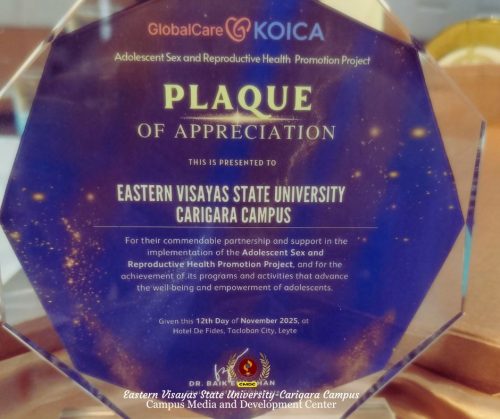
Eastern Visayas State University–Carigara Campus (EVSU-CC) demonstrates its commitment to community health promotion through its active partnership with GlobalCare Korea International Cooperation Agency (GlobalCare KOICA) in implementing the Adolescent Sex and Reproductive Health Promotion Project in Leyte. The initiative addressed growing concerns regarding adolescent pregnancy and reproductive health challenges among young people in the province, recognizing the importance of comprehensive health education, accessible youth-friendly services, and community-based interventions in promoting adolescent health and well-being.
Through this collaborative project, EVSU-CC played a crucial role in bringing adolescent sexual and reproductive health interventions beyond the traditional classroom setting and into the surrounding communities. The University supported the integration of comprehensive sexuality education and the provision of youth-friendly health services both on campus and in local communities. These interventions helped promote informed and responsible health decisions among adolescents, strengthen awareness of sexual and reproductive health and rights, and encourage young people to seek appropriate information and services concerning their health and well-being.
A key contribution of the project was its emphasis on strengthening local capacity and establishing sustainable mechanisms for adolescent health promotion. According to EVSU-CC’s official report, the project’s accomplishments included capacity-building activities for local health workers, the development of peer-education programmes, and the establishment of youth-friendly spaces for counseling and information dissemination. These components provided important avenues for improving access to adolescent health information, encouraging peer-supported learning, and creating more responsive environments in which young people could seek guidance on sensitive health concerns. By engaging local health workers and youth leaders, the initiative also strengthened the collaborative foundation for continuing reproductive health advocacy in the communities served.
The project’s achievements were formally recognized during its grand culmination activity on November 12, 2025, at Hotel de Fides in Tacloban City, held under the theme “Celebrating Milestones, Strengthening Commitments.” GlobalCare KOICA recognized EVSU-CC for its crucial partnership and support in implementing the project. The recognition acknowledged the University’s proactive role in advancing the project’s objectives and its contribution to positive outcomes in adolescent health literacy and access to necessary services. EVSU-CC was represented by Campus Director Renato E. Martija, who received a plaque of appreciation in recognition of the University’s collaborative contribution. Discussions during the culmination activity also focused on institutionalizing the project’s best practices within the University and extending its reach to more vulnerable communities in Leyte.
Beyond the completion of the project, EVSU-CC and GlobalCare KOICA reaffirmed their commitment to sustaining advocacy for adolescent health and rights. This commitment highlights the importance of continuing health education, maintaining youth-friendly support mechanisms, and strengthening partnerships among educational institutions, international development organizations, local health workers, and young people. By pursuing the sustainability and potential expansion of effective interventions, the partnership provides a foundation for addressing continuing adolescent health needs and reaching vulnerable populations more effectively.
The Adolescent Sex and Reproductive Health Promotion Project demonstrate how EVSU, through its external campus and international partnership, translates its public service mission into practical health promotion initiatives that respond to the needs of local communities. Through comprehensive sexuality education, youth-friendly health services, peer education, counseling and information dissemination, and capacity-building for local health workers, the University contributes to improving reproductive health literacy, promoting adolescent health and rights, and strengthening access to appropriate support services. The initiative directly supports Sustainable Development Goal 3: Good Health and Well-Being, particularly efforts to promote sexual and reproductive health, prevent adolescent pregnancy, and expand access to health information and services. It also reflects EVSU’s broader commitment to inclusive, collaborative, and community-responsive outreach that contributes to healthier and better-informed communities across Eastern Visayas.
Expanding Community Access to Preventive Healthcare and Medical Services
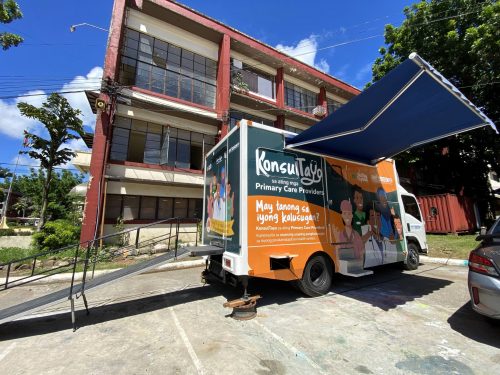
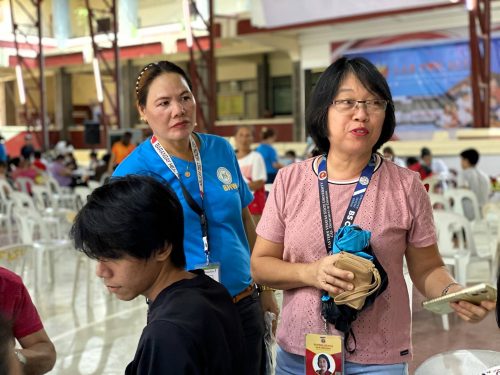
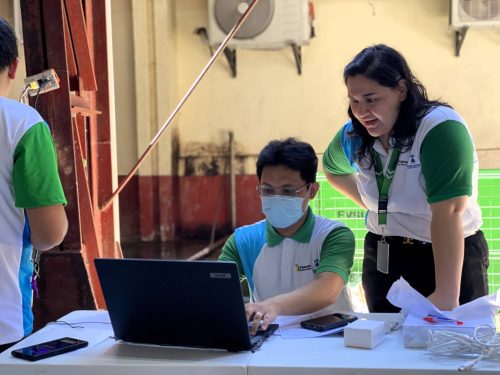
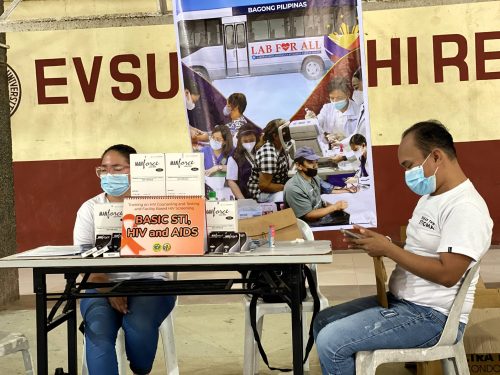
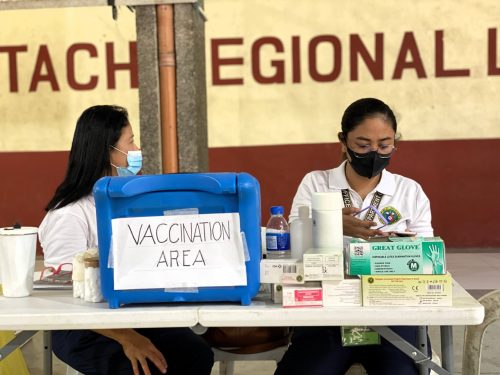
Eastern Visayas State University (EVSU) supported community health promotion through its participation in the LAB for All Free Medical and Dental Caravan held at the University’s Main Campus in Tacloban City on July 2–4, 2025. Conducted in collaboration with Tingog Party List, Eastern Visayas Medical Center, the Department of Health, the Tacloban City Health Office, and the Tacloban City Local Government Unit, the initiative brought essential healthcare services closer to residents of Tacloban City and nearby communities.
By providing a venue for the delivery of public health services, EVSU helped facilitate access to medical and dental consultations, HIV screening, vaccination, X-ray services, and PhilHealth assistance. These services support preventive healthcare, early identification of potential health concerns, health protection, and greater awareness of available healthcare resources.
The University’s involvement illustrates its commitment to working with government agencies and healthcare institutions to address community health needs. Through this collaborative initiative, EVSU contributed to making essential health services more accessible to the public and supported broader efforts to improve health-seeking behavior and well-being in Eastern Visayas. The activity reflects the University’s role as a public higher education institution that extends its resources and partnerships in support of community development and SDG 3: Good Health and Well-Being.
Promoting Physical Activity, Stress Management, and Holistic Well-Being
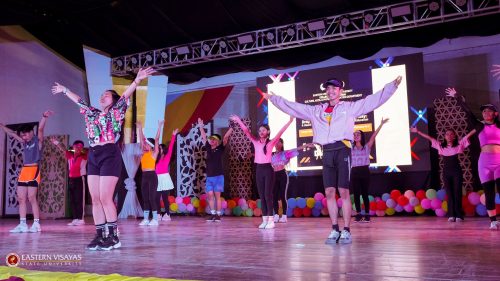
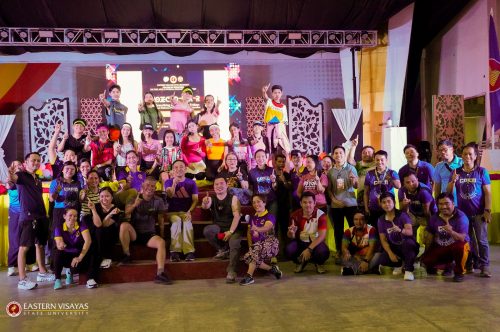
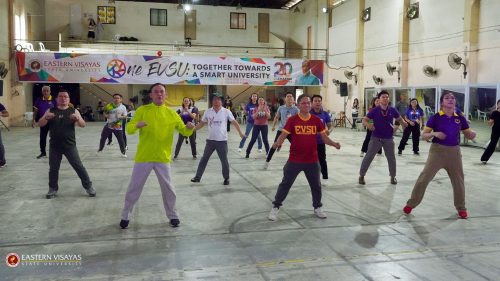
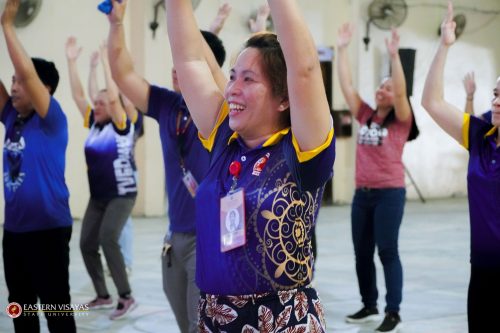

Eastern Visayas State University promotes healthy lifestyles and holistic well-being through Project DEAR (Drop Everything and Relax on Fridays), an initiative of the College of Education in collaboration with the Culture, Arts, and Physical Education Department. The initiative encourages participation in physical activities, including Zumba and light exercise, alongside relaxation and social interaction designed to support physical fitness and emotional wellness.
By integrating movement and wellness activities into university life, EVSU promotes the importance of regular exercise, stress management, and healthy routines in maintaining overall well-being. The initiative also reinforces the value of accessible physical activities as practical ways of encouraging active lifestyles and supporting mental health.
Project DEAR provides an institutional platform for promoting health-conscious behavior and demonstrating how educational institutions can use organized wellness activities to encourage healthier communities. Where extended to local residents through community sessions, open wellness activities, or student-led outreach, the initiative can further contribute to community participation in exercise and health promotion. Its documented implementation and any external community participation may be used to demonstrate EVSU’s contribution to health and well-being beyond academic instruction.
Advancing Women’s Mental Health, Self-Care, and Psychosocial Well-Being

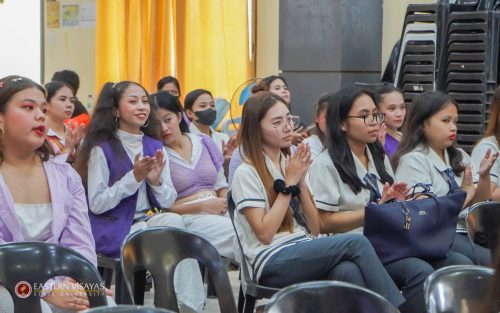
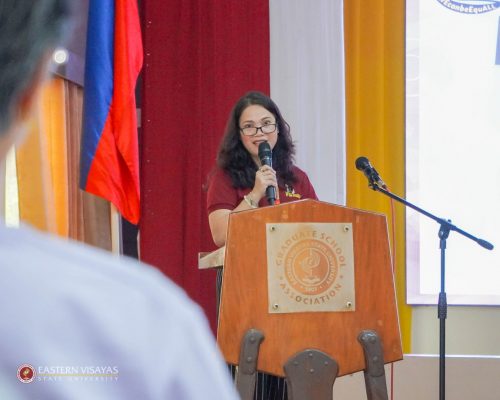
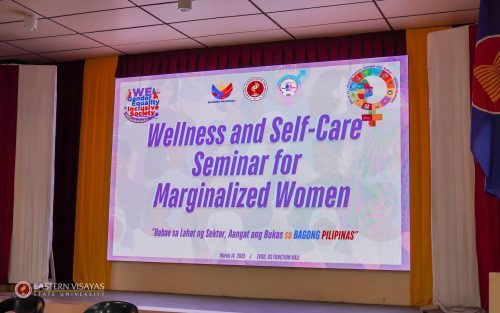
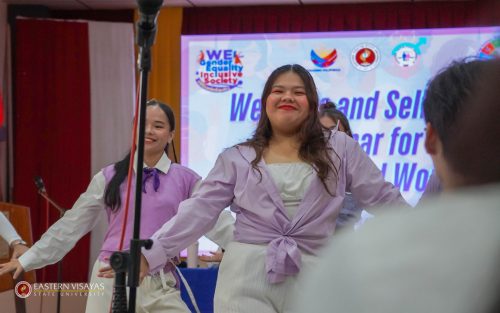
On March 14, 2025, Eastern Visayas State University (EVSU), through its Gender and Development (GAD) Office and Student Affairs and Services Office, conducted a Wellness and Self-Care Seminar for Marginalized Women in connection with the observance of Women’s Month. The initiative highlighted the importance of protecting women’s mental health, promoting emotional well-being, strengthening personal resilience, and recognizing the social and personal challenges that may affect women’s overall quality of life. Through this activity, EVSU emphasized that health and well-being extend beyond physical health and include mental, emotional, and psychosocial dimensions that require appropriate awareness, support, and responsive interventions.
The seminar provided a platform for raising awareness about self-care as an essential component of maintaining health and well-being. It emphasized the importance of recognizing personal needs, managing stress, developing healthy coping mechanisms, and seeking appropriate support when confronted with emotional or psychosocial difficulties. By encouraging participants to give attention to their own well-being, the activity reinforced the principle that caring for one’s physical and mental health is fundamental to sustaining personal functioning, healthy relationships, and meaningful participation in family, educational, professional, and community life.
The initiative also underscored the importance of recognizing the circumstances and barriers that marginalized women may experience in accessing information, support, and opportunities for personal development. Women who encounter social, economic, or other forms of disadvantage may face additional challenges affecting their emotional security, self-confidence, and overall well-being. By providing a venue for wellness advocacy and self-care awareness, EVSU highlighted the need for inclusive and gender-responsive approaches that recognize women’s diverse experiences and promote environments in which their health concerns and psychosocial needs are acknowledged.
The initiative reflects EVSU’s commitment to inclusive health promotion and gender-responsive approaches to well-being. By addressing the psychosocial dimensions of health and recognizing the needs of women who may experience barriers to support, the University contributes to broader efforts to promote mental wellness, social inclusion, and healthier communities. Its relevance to local community outreach is strongest where participation records confirm the involvement of women from outside the University and demonstrate how the activity responded to their needs.
Expanding Community Access to Healthcare Through the YAKAP Caravan
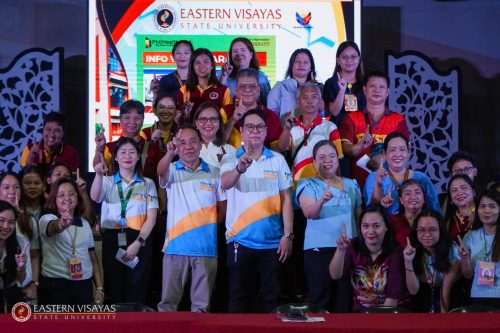
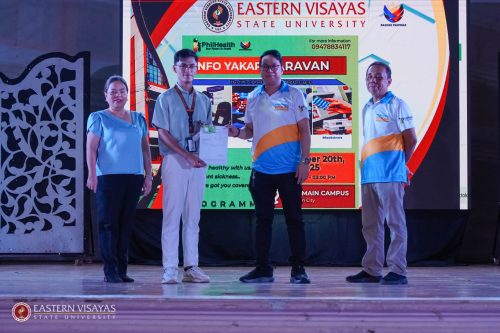
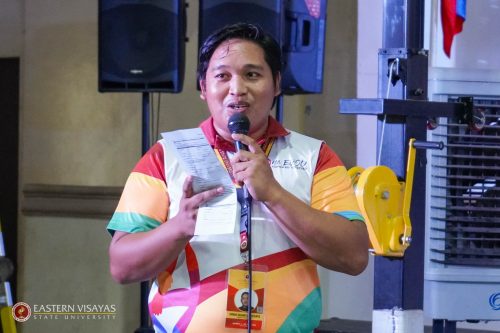
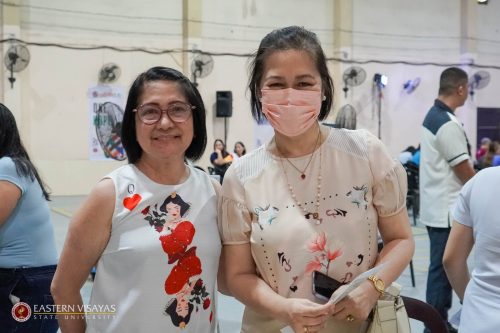
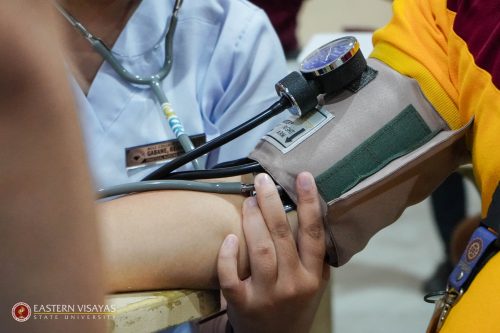
On November 20, 2025, Eastern Visayas State University (EVSU), in partnership with the Philippine Health Insurance Corporation (PhilHealth) Regional Office VIII, supported the implementation of the YAKAP Caravan, a health-related initiative aligned with the University’s commitment to promoting health awareness, improving access to healthcare resources, and supporting the well-being of its stakeholders and surrounding communities. Through this collaboration, EVSU provided an avenue for engagement with a national government agency responsible for health insurance, reinforcing the importance of connecting individuals with available healthcare services and information on health coverage.
The YAKAP Caravan represents an opportunity to strengthen public awareness of healthcare access mechanisms and encourage individuals to make informed decisions regarding their health needs. By working with PhilHealth Region VIII, EVSU supports efforts to bring information about available health programmes and assistance closer to the people who may benefit from them. Access to understandable and reliable information on health services is an important component of health promotion, as it enables individuals to identify appropriate resources, understand relevant procedures, and become more actively involved in managing their health and well-being.
The initiative also highlights the importance of collaboration between higher education institutions and government health agencies in responding to community health needs. As a public university serving Eastern Visayas, EVSU recognizes that its contribution to public health extends beyond academic instruction and research. Through partnerships and institutional engagement, the University can help facilitate connections between communities and public service providers, promote awareness of available healthcare resources, and support broader efforts to strengthen access to health-related assistance. Its collaboration with PhilHealth Region VIII reflects the value of coordinated action in advancing public health objectives and promoting a more informed approach to healthcare utilization.
EXPLORE OUR SDG 3 INITIATIVES AND PUBLICATIONS
SUSTAINABLE DEVELOPMENT GOALS



