Eastern Visayas State University (EVSU) continues to advance its vision as a transformative institution in 2025, steadfast in its commitment not only to excellence in instruction, research, and extension, but also to shaping a resilient, inclusive, and sustainable future. Anchored on its aspiration to become the National University for Resiliency and Climate Action, EVSU upholds sustainability as both a strategic priority and a shared responsibility across all sectors of the university.
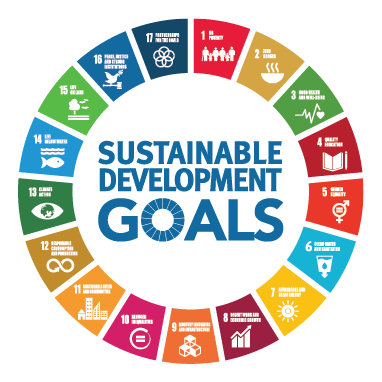
Guided by the principles of the United Nations’ 2030 Agenda for Sustainable Development, EVSU further strengthens the integration of the Sustainable Development Goals (SDGs) into its core functions. In 2025, the University deepens its SDG alignment by embedding sustainability-driven approaches in academic programs, expanding interdisciplinary research on climate and community resilience, and enhancing partnerships that address both local and global challenges. These efforts ensure that sustainability is not treated as a standalone agenda, but as a unifying framework that informs decision-making, innovation, and impact.
Building on the foundations established in previous years, EVSU continues to enhance its sustainability governance by promoting inclusive education, advancing health and well-being initiatives, strengthening environmental stewardship, supporting sustainable livelihoods, and fostering strong institutional collaborations. Through a whole-of-university approach, every initiative—whether in the classroom, in research laboratories, in communities, or within campus operations—contributes to the realization of the SDGs and the broader goal of sustainable development.
This 2025 report captures the collective efforts of the EVSU community—its students, faculty, staff, and partners—whose dedication drives meaningful and measurable change. It reflects the University’s enduring commitment to responsible leadership, ethical governance, and transformative action as it continues to serve as a catalyst for sustainable development in Eastern Visayas and beyond.
SDG 3: Good Health and Well-Being – EVSU 2025 Initiatives
Eastern Visayas State University (EVSU) demonstrates its commitment to Sustainable Development Goal 3 (Good Health and Well-Being) through institutional initiatives that promote accessible healthcare, mental health awareness, preventive health education, reproductive health, and holistic wellness. Recognizing that good health is fundamental to academic success, individual productivity, and sustainable community development, the University integrates health-related programs into its core functions of instruction, research, and extension. Through campus-based health services, community outreach activities, strategic partnerships, and academic programs, EVSU seeks to improve the physical, mental, and social well-being of its students, personnel, and partner communities across Eastern Visayas.
In 2025, EVSU strengthened its contribution to community health by supporting initiatives that brought essential medical and preventive healthcare services closer to underserved populations. One notable undertaking was its participation in the LAB for All Free Medical and Dental Caravan, held at the EVSU Main Campus in Tacloban City from July 2–4, 2025. Implemented in collaboration with Tingog Party List, Eastern Visayas Medical Center, the Department of Health, the Tacloban City Health Office, and the Tacloban City Local Government Unit, the initiative provided a venue for delivering essential healthcare services to residents of Tacloban City and nearby communities. These included medical and dental consultations, HIV screening, vaccination, X-ray services, and PhilHealth assistance. By facilitating access to these services, EVSU supported preventive healthcare, early identification of health concerns, and greater public awareness of available medical services. The University also advanced community-based health education through its participation in the Adolescent Sexual and Reproductive Health Promotion Project implemented by EVSU–Carigara Campus in partnership with GlobalCare Korea International Cooperation Agency (KOICA). The initiative promoted comprehensive sexuality education, youth-friendly health services, peer education, and capacity-building for local health workers, helping adolescents make informed and responsible decisions concerning their sexual and reproductive health.
The University likewise recognized mental health as an essential component of student welfare and academic success. Through its Guidance and Counseling Services Office (GCSO), EVSU provided free, confidential, and nonjudgmental counseling services to students across its campuses, helping reduce barriers to accessing psychosocial support. The University further strengthened its mental health promotion efforts through several developmental and awareness activities. These included the Connect & Thrive: A Foundation for Navigating College Life seminar on July 22–23, 2025, which helped incoming first-year students develop positive coping strategies and adjust to university life; the Suicide Prevention Awareness Month Webinar on September 26, 2025, which promoted awareness of suicide prevention, recognition of warning signs, and early help-seeking; and the Rekindling the Light: Finding Strength and Hope After the Fire psychosocial support activity on October 14, 2025, which provided emotional support to students affected by a fire incident in Barangay 45, Sta. Cruz. Moreover, the University conducted the Peer Facilitators’ Training and Workshop Program 2025, titled Lighting the Way: Empowering Peer Facilitators for a Dynamic Tomorrow, on November 20–21, 2025. The activity equipped student peer facilitators with foundational knowledge and practical skills in peer support, mental health awareness, self-care, and inclusive student engagement. Through these initiatives, EVSU fostered a more supportive campus environment where students are encouraged to seek assistance, develop resilience, and look after one another’s well-being.
In addition to mental health services, EVSU strengthened its commitment to sexual and reproductive health education, particularly among adolescents and young adults. Through EVSU–Burauen Campus, the University conducted a Student Orientation Seminar on Teenage Pregnancy, Reproductive Health, and Sexuality, providing students with relevant information on responsible decision-making, reproductive health, and the prevention of adolescent pregnancy. Complementing this initiative, EVSU–Carigara Campus participated in the Adolescent Sexual and Reproductive Health Promotion Project in partnership with GlobalCare KOICA, which extended comprehensive sexuality education and youth-friendly health interventions to surrounding communities. The project supported capacity-building activities for local health workers, the development of peer education programs, and the establishment of youth-friendly spaces for counseling and health information dissemination. These interventions were formally recognized during the project’s culmination activity on November 12, 2025, acknowledging EVSU–Carigara’s contribution to improving adolescent health literacy and strengthening access to appropriate reproductive health information and services. Through these efforts, the University promoted informed health decisions, responsible behavior, and greater awareness of the health concerns affecting young people.
EVSU also promoted a healthy and safe working and learning environment through institutional measures that protect the health of its academic community. The implementation of its Smoke-Free Policy across university campuses reinforced the University’s commitment to reducing exposure to secondhand smoke and preventing tobacco-related health risks. Anchored on national policies, including Executive Order No. 26, series of 2017, and Republic Act No. 9211, the policy supports the maintenance of smoke-free spaces conducive to teaching, learning, research, and community engagement. Furthermore, the University extended its mental health support framework to faculty and staff by promoting access to online and in-person counseling through the GCSO, alongside mental health awareness and employee wellness initiatives. These measures recognize that the well-being of university personnel is equally important in sustaining a healthy, inclusive, and productive institutional environment.
Beyond direct healthcare and wellness interventions, EVSU contributed to strengthening the regional health workforce through its academic programs and professional development pathways. In 2025, the University produced 220 graduates from health-related and allied disciplines, including 33 graduates in Bachelor of Science in Nutrition and Dietetics, 21 in Bachelor of Science in Chemistry, 101 in Bachelor of Physical Education, 57 in Bachelor of Science in Environmental Science, and 8 in Bachelor of Science in Chemical Engineering. These graduates contribute to various fields associated with nutrition, physical fitness, environmental health, scientific research, and occupational safety. The University also expanded its academic pathways through the offering of the Bachelor in Human Services (BHumServ) program, the first of its kind in Region VIII, designed to prepare professionals in human services, counseling, psychosocial support, and community development. Through these academic offerings, EVSU helps develop future professionals equipped to address health-related and social welfare concerns and contribute to improving the quality of life in their respective communities.
Collectively, EVSU’s 2025 initiatives demonstrate a comprehensive approach to advancing health and well-being through accessible healthcare services, mental health support, reproductive health education, preventive health measures, and the development of health-related professionals. By collaborating with government agencies, healthcare institutions, international organizations, and community stakeholders, the University extends its contribution beyond the campus and helps address the diverse health needs of communities across Eastern Visayas. These efforts reflect EVSU’s recognition that achieving good health and well-being requires not only access to medical services but also sustained investments in health education, disease prevention, psychological support, healthy environments, and competent human resources. Through its continuing commitment to instruction, research, and extension, EVSU reinforces its role as a partner in building healthier, safer, and more resilient communities, contributing to the realization of SDG 3 and the broader goal of sustainable human development.
SDG 3 in Action: EVSU’s 2025 Good Health and Well-Being Initiatives
Through its holistic approach to sustainability, Eastern Visayas State University (EVSU) demonstrates that each initiative—whether in health, education, economic development, or collaborative partnerships—contributes to a larger, integrated vision of progress aligned with the United Nations’ 2030 Agenda. By embedding the principles of the Sustainable Development Goals across research, teaching, extension, and governance, EVSU not only addresses immediate regional and national challenges but also equips future leaders to innovate responsibly, act ethically, and advocate for inclusive growth.
As EVSU moves forward, the university remains committed to tracking measurable outcomes, strengthening stakeholder engagement, and fostering transformative partnerships that accelerate the attainment of all 17 SDGs. This report reflects EVSU’s unwavering dedication to building a resilient, equitable, and sustainable future—demonstrating that collective action, guided by knowledge and ethical stewardship, can truly make a lasting impact for generations to come.