SDG 4 | QUALITY EDUCATION

Workforce Development and Skills Training Initiatives

Eastern Visayas State University (EVSU) upholds its commitment to lifelong learning, inclusive education, and sustainable workforce development by organizing and facilitating short-term vocational training programs, technical skills development activities, professional capacity-building workshops, and other non-degree learning opportunities that extend beyond its regular academic programs. As a public higher education institution serving Eastern Visayas and neighboring communities, EVSU recognizes that education is a continuing process that should remain accessible to individuals at different stages of life, regardless of whether they are enrolled in a university degree program. Through its extension services, academic units, training initiatives, and partnerships with government agencies, local government units, industry partners, nongovernmental organizations, and community-based institutions, the University translates its academic expertise and technical resources into practical learning opportunities responsive to the needs of workers, aspiring professionals, out-of-school youth, community members, and other external beneficiaries.

EVSU’s vocational training and professional development initiatives are designed to equip participants with relevant knowledge, technical competencies, workplace skills, and practical experience that can support employment, entrepreneurship, livelihood generation, and career advancement. These activities complement formal higher education by providing focused, time-bound learning experiences that address specific skills gaps and emerging community and industry needs. Through hands-on instruction, competency-based learning, knowledge-sharing sessions, and collaborative training arrangements, the University helps bridge the gap between education and employment while strengthening the capacity of individuals and communities to participate meaningfully in economic and social development.

EVSU delivers capacity-building programs through two complementary modalities:

A. Programmed Vocational and Short-Term Training Programs

These are regularly scheduled, standardized trainings organized through the University’s Technical-Vocational Education and Training (TVET) portfolio, extension services, and specialized centers.

  • Technical and vocational skills training in welding, plumbing, masonry, electrical installation, automotive servicing, and construction-related trades aligned with TESDA standards.
  • Digital skills and ICT trainings such as basic computing, office productivity tools, and digital literacy certification.
  • Entrepreneurship and livelihood training for micro and small enterprises, including food processing, handicraft production, and product development.
  • Safety and professional skills such as First Aid, Basic Life Support, occupational health and safety, disaster resilience skills, and environmental stewardship.

Programmed offerings strengthen workforce readiness by providing structured curricula, certified competencies, and nationally recognized skill qualifications.

B. Ad Hoc Executive and Community Training Events

EVSU also responds to emerging local demands by hosting on-demand and one-off training sessions, often in partnership with government agencies, NGOs, and the private sector. These include:

  • Specialized workforce upskilling aligned with industry and employment opportunities
  • Community livelihood workshops targeting displaced workers, women’s groups, and rural communities
  • Rapid skills development and entrepreneurship seminars supporting post-disaster recovery and economic resilience
  • Executive and professional development sessions in leadership, public service delivery, and community organization management

These ad hoc offerings ensure timely, agile support for local development priorities and are often provided free of charge or with minimal cost to ensure access for vulnerable groups.

FORGE Extension Project: Community-Based Welding Training for Lifelong Learning and Employability

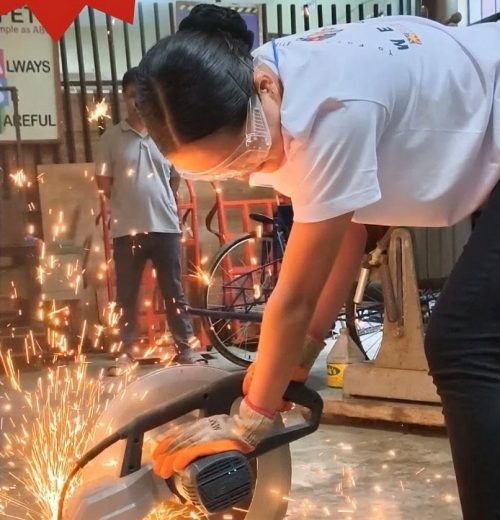
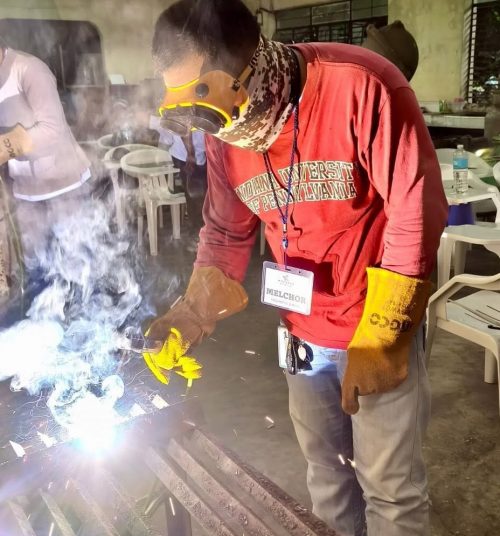
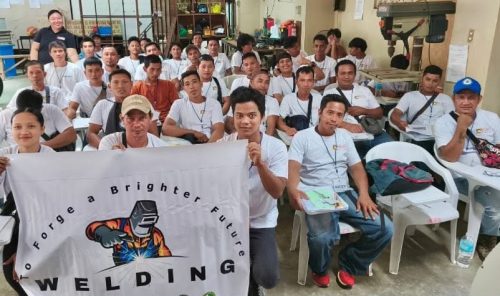
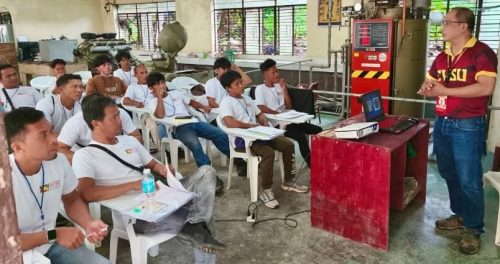
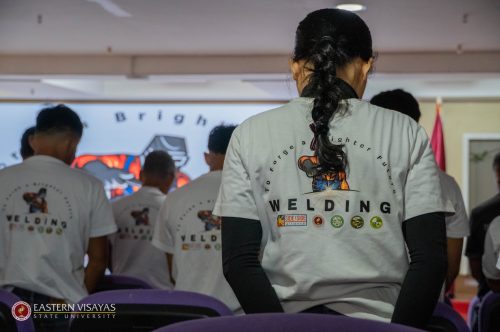
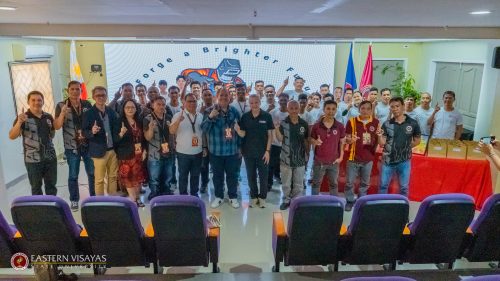
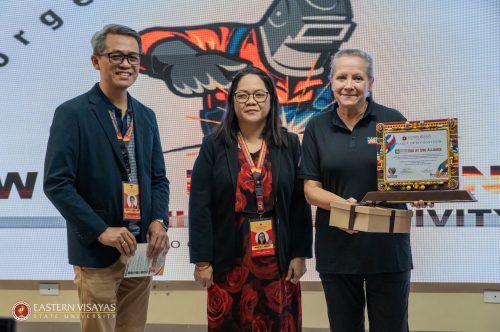
Eastern Visayas State University (EVSU), through its School of Technology and in partnership with Side-by-Side Alliance Inc., implemented the FORGE Extension Project as part of its commitment to lifelong learning, inclusive education, and community-based vocational training. On October 24, 2025, the University held the project’s culminating activity at the ORIES Studio Room, recognizing the completion of welding training by beneficiaries from Barangays Pitogo and Catoogan in Sta. Fe, Leyte. The initiative extended EVSU’s technical and educational services beyond its regular student population by equipping community members with practical welding skills relevant to employment and livelihood generation.

Throughout the training, participants developed their technical competencies under the guidance of EVSU faculty members, applying practical knowledge and skills essential to welding-related work. Each trainee received a Certificate of Achievement in recognition of their participation and accomplishments, while five beneficiaries had already earned the Welding National Certificate II (NC II), demonstrating the program’s contribution to nationally recognized technical competency development. The training provided participants with opportunities to strengthen their employability, pursue skilled work, and explore livelihood opportunities that could improve their economic circumstances.

The partnership between EVSU and Side-by-Side Alliance Inc. illustrates how collaboration between higher education and community organizations can expand access to vocational education and respond to the skills development needs of local communities. By delivering practical, employment-oriented training to beneficiaries who are not necessarily enrolled in university degree programs, the FORGE Extension Project demonstrates EVSU’s role in providing learning opportunities beyond conventional higher education and supporting the continuous development of technical competencies among the wider public.

Through initiatives such as FORGE, EVSU demonstrates that its educational mission extends beyond degree-granting instruction to encompass continuing education, community-responsive vocational training, and workforce development. The project reinforces the University’s contribution to building a skilled, productive, and resilient community in Eastern Visayas while illustrating the value of higher education institutions in making practical learning opportunities available beyond their enrolled student population.

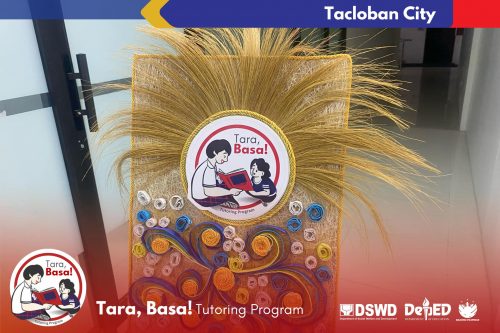
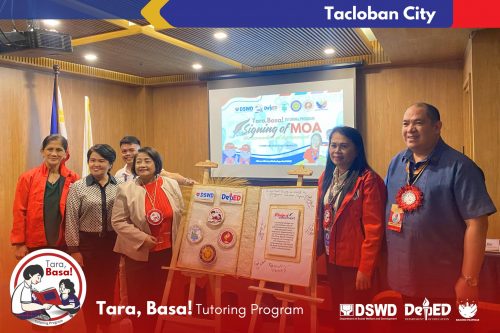
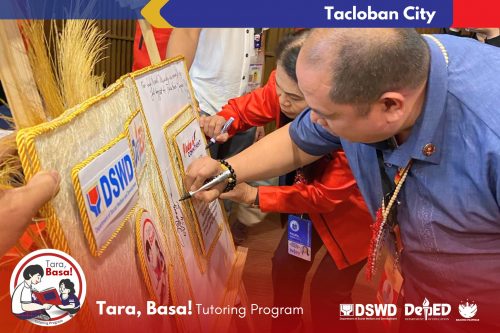
Tara, Basa! Tutoring Program: Promoting Literacy, Family Learning, and Educational Support for Low-Income Communities

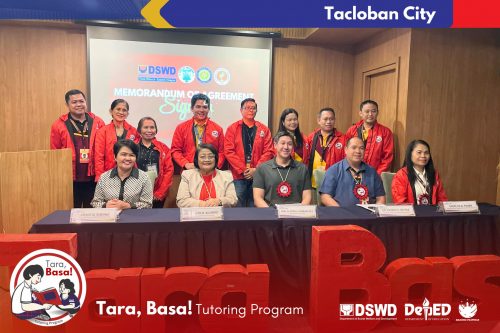
Eastern Visayas State University (EVSU), in partnership with the Department of Social Welfare and Development (DSWD), Leyte Normal University (LNU), the City Government of Tacloban, and the Department of Education (DepEd), participated in the implementation of the Tara, Basa! Tutoring Program in 2025. The program is a community-based social protection and educational assistance initiative designed to address literacy difficulties among elementary pupils while supporting college students from low-income families and strengthening the capacity of parents and guardians to support their children’s education. Its approach creates a community learning environment in which college students, elementary learners, and families benefit from educational support and skills development.

The program serves three principal beneficiary groups. First, college students from low-income families benefit from capability-building, practical teaching experience, and financial assistance through a cash-for-work arrangement. Qualified students are trained and deployed as reading tutors or Youth Development Workers (YDWs), allowing them to contribute to community education while receiving assistance that can help meet their educational expenses. Second, struggling or non-reading elementary pupils from disadvantaged households receive structured reading tutorials designed to strengthen their literacy skills and help them overcome barriers to learning. Third, the parents and guardians of participating pupils benefit from Nanay-Tatay Teacher sessions, which equip them with knowledge and practical approaches to child development, effective parenting, child protection, and supporting reading and learning at home. The program recognizes parents and guardians as children’s first teachers and encourages their active involvement in their children’s educational progress.

As part of the program’s 2025 implementation, EVSU hosted a five-day capability-building training at its Auditorium from March 31 to April 4, in collaboration with DSWD and partner institutions. The training equipped participants to conduct reading tutorials for struggling or non-reading elementary pupils and facilitate learning sessions for parents and guardians. Following the training, the student-beneficiaries were scheduled for a 20-day deployment from May 19 to June 14, 2025, during which they would deliver tutorial and parenting-support sessions.

Through the Tara, Basa! Tutoring Program, EVSU contributes to lifelong learning by supporting the development of college students’ teaching and community-engagement competencies while helping children improve their literacy and enabling parents to become more effective partners in education. The program demonstrates EVSU’s provision of structured, short-term capability-building activities beyond conventional degree instruction. It also illustrates how university facilities, faculty expertise, and inter-agency partnerships can support educational services for disadvantaged communities

Training in Mangrove Crab Culture: Advancing Public Vocational Training and Lifelong Learning

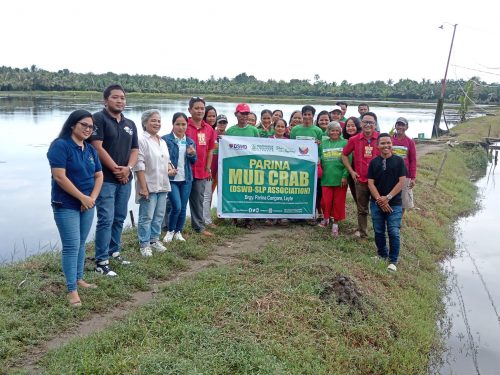
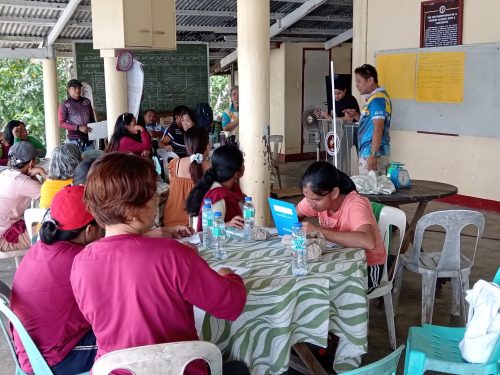
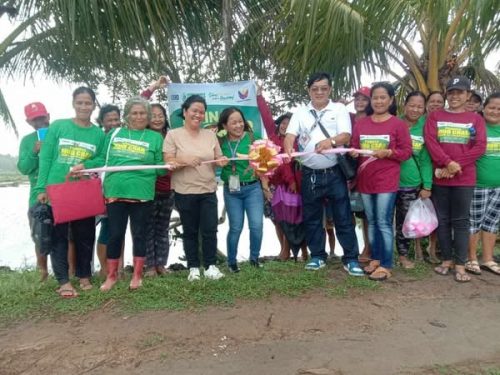
On January 31, 2025, Eastern Visayas State University–Carigara Campus (EVSU-CC), through its Fisheries Department, conducted a community-based vocational training activity entitled “Training in Mangrove Crab Culture” at the EVSU-CC Aquafarm in Barangay Parina, Carigara, Leyte. Implemented in collaboration with the Carigara Municipal Agriculture Office, the Bureau of Fisheries and Aquatic Resources (BFAR) Region VIII, and the Department of Social Welfare and Development (DSWD), the initiative was designed to strengthen the technical knowledge and livelihood capabilities of beneficiaries of the DSWD Sustainable Livelihood Program and local fisherfolk.

The training provided participants with practical knowledge and skills in crab biology, sustainable mangrove crab culture, crab fattening, and pond and pen management. Conducted under the University’s Capacity Advancement and Training for Community Harvesters (CATCH) in Fisheries project, the activity demonstrated EVSU’s commitment to extending educational opportunities beyond its regular academic programs by delivering specialized, skills-based learning to community members and aspiring livelihood practitioners.

Through this initiative, EVSU utilized its facilities, faculty expertise, and partnerships with government agencies to provide non-degree learning opportunities that support sustainable aquaculture, livelihood development, and local economic resilience. The accompanying Mud Crab Culture Project further sought to strengthen the capacities of two fisherfolk organizations in Barangay Parina, equipping their members with knowledge applicable to fisheries-based livelihood activities.

This initiative contributes to the University’s commitment to lifelong learning and community-responsive education by translating its academic and technical expertise into practical training for external beneficiaries. It demonstrates how EVSU supports vocational skills development and creates opportunities for individuals outside its regular student population to acquire knowledge relevant to employment, self-employment, and sustainable livelihoods.

Digital Skills Training for Community Beneficiaries: Advancing Vocational Training and Lifelong Learning

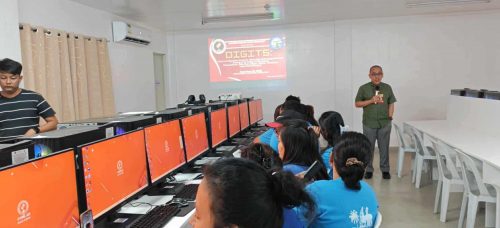
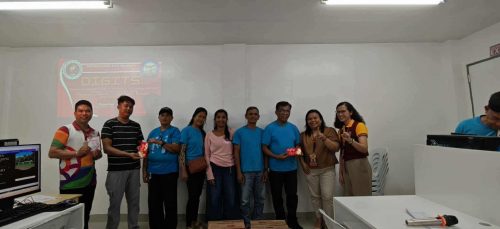
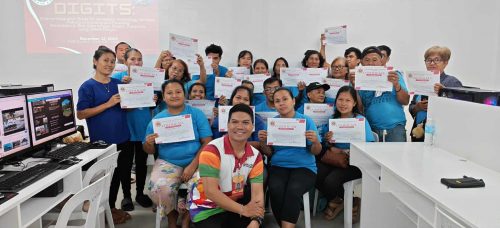
On September 30, 2025, Eastern Visayas State University–Dulag Campus (EVSU-Dulag), through its Bachelor of Science in Information Technology (BSIT) Department, successfully conducted a community extension training entitled “Training on Managing PowerPoint Slides and Multi-Media Presentations” under the DIGITS (Diverse Integration Guide for Immediate Technology Services) Project. The initiative was undertaken in partnership with the Nagkaurusa nga Sabangnon Katilingban Service Cooperative (NASAKASECO) of Sabang Daguitan Surf Camp, Dulag, Leyte.

The training aimed to strengthen participants’ practical information and communication technology (ICT) competencies, particularly in preparing and managing PowerPoint presentations and multimedia materials. By extending the expertise of its IT faculty beyond regular classroom instruction, EVSU-Dulag provided a non-degree learning opportunity designed to enhance the digital capabilities of community partners and support the effective use of technology in workplace, cooperative, and livelihood-related activities.

Through the DIGITS Project, EVSU demonstrated its commitment to accessible, community-responsive education by sharing technical knowledge and practical digital skills with beneficiaries outside its regular academic programs. The initiative illustrates the University’s role in promoting lifelong learning and developing competencies that can be applied to professional tasks, community activities, and potential livelihood opportunities.

This activity contributes to EVSU’s efforts to extend vocational and skills-based learning beyond its enrolled student population through community partnerships and extension services. It reflects the University’s commitment to making relevant digital education available to external beneficiaries and strengthening the technological capacity of the communities it serves.

EXPLORE OUR SDG 4 INITIATIVES & ACTIVITIES

2026202520242023
SDG 4: Initiatives for 2026
SDG 4: Initiatives for 2025
SDG 4: Initiatives for 2024
SDG 4: Initiatives for 2023

EXPLORE OUR SDG 4 RESEARCH & PUBLICATIONS

202520242023
SDG 4: Publications for 2025
SDG 4: Publications for 2024
SDG 4: Publications for 2023

SUSTAINABLE DEVELOPMENT GOALS

20252024
2025: Sustainable Development Goals
2024: Sustainable Development Goals