
SDG 7 | AFFORDABLE AND CLEAN ENERGY
Institutional Support for Government Energy Policies
Eastern Visayas State University (EVSU) recognizes its institutional responsibility as a state university to support the government in advancing policies, programs, and development strategies that promote clean energy, renewable energy adoption, and energy-efficient technologies. As a higher education institution with a mandate to undertake research, technological innovation, instruction, and extension, EVSU contributes to the development of an informed and technically capable policy environment by generating scientific evidence, developing locally responsive technological solutions, disseminating research findings, and participating in collaborative platforms that advance sustainable energy development.
Through its research and development initiatives in 2025, the University strengthened its role as a knowledge-generating institution capable of providing scientific and technical inputs relevant to government priorities on energy sustainability. These initiatives demonstrate how university-based research can support the identification of alternative energy resources, the evaluation of emerging technologies, and the development of practical solutions that may be considered in the formulation and implementation of public policies.
Participating in Collaborative Sustainability Planning and Science-Based Policy Development Discussions
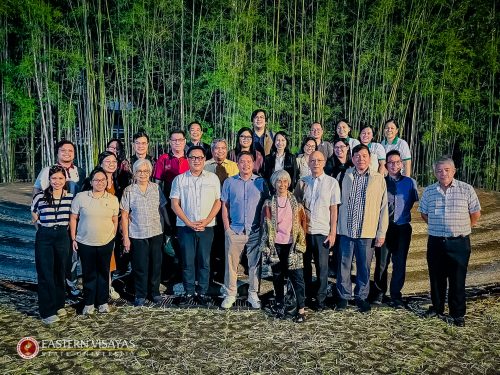
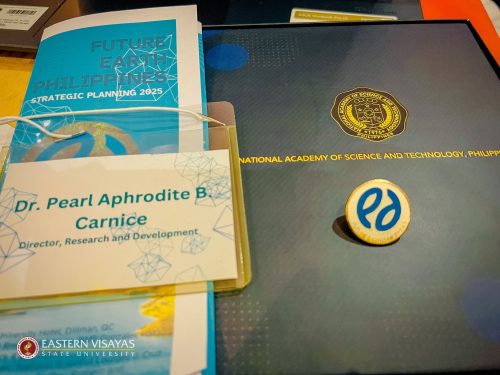
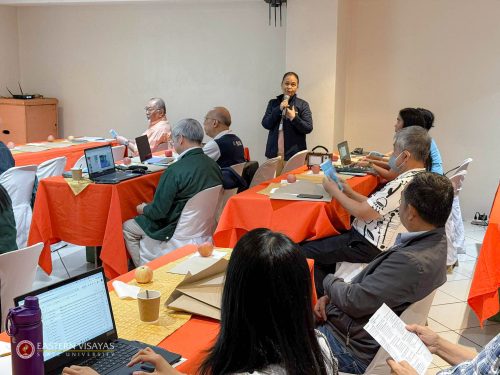
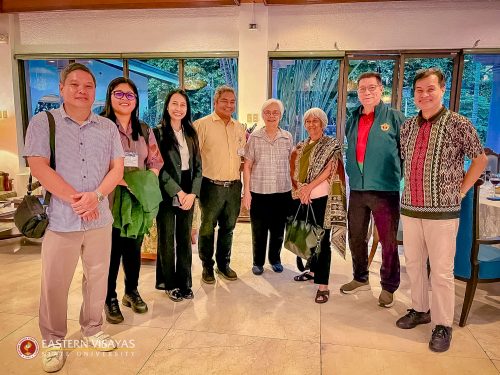
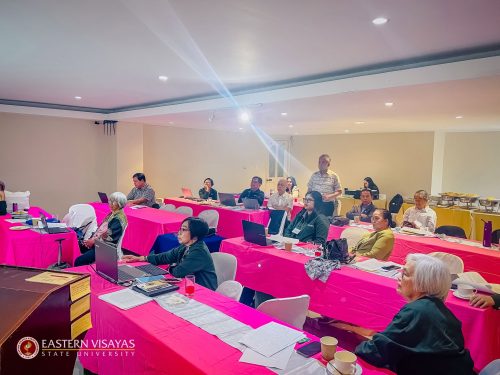
EVSU also strengthens its contribution to sustainability-oriented policy development through participation in collaborative research and development networks. In March 2025, the University participated in the Future Earth Philippines Strategic Planning Sessions, held on March 4–5, 2025, at the University Hotel in Diliman, Quezon City. Represented by its Research and Development Office, headed by Dr. Pearl Aphrodite B. Carnice, EVSU shared institutional developments and updates concerning its progress as an SDG Action Network Pilot Hub.
The strategic planning activity provided a platform for universities, researchers, and sustainability stakeholders to exchange institutional experiences, strengthen collaborative relationships, and identify approaches for addressing interconnected environmental and development challenges. Through its participation, EVSU reinforced its engagement in science-based sustainability initiatives and contributed its institutional perspectives to a broader network working toward the achievement of the Sustainable Development Goals.
This engagement is relevant to clean energy policy development because the transition toward sustainable energy systems requires coordinated action among academic institutions, government agencies, research organizations, and other development partners. Universities play an important role in supplying scientific information, evaluating technological alternatives, and identifying locally appropriate interventions that can guide public decision-making.
By participating in such collaborative platforms, EVSU strengthens the institutional link between academic research and broader development priorities. These partnerships provide opportunities for translating research findings into practical recommendations and for ensuring that sustainability considerations, including renewable energy development and energy efficiency, are reflected in regional and national development discussions.
Contributing to Regional Research Agenda-Setting and Policy Coordination through EVCIEERD and RRDIC
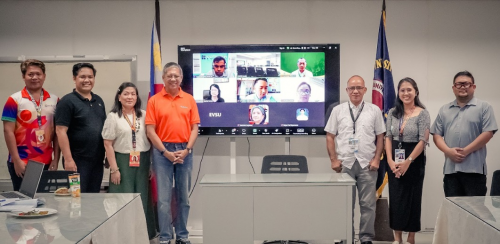
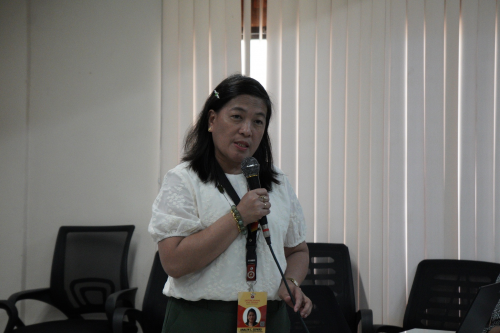
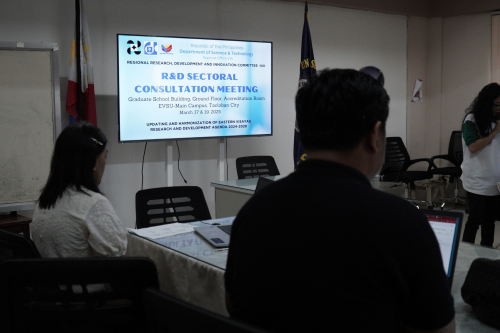
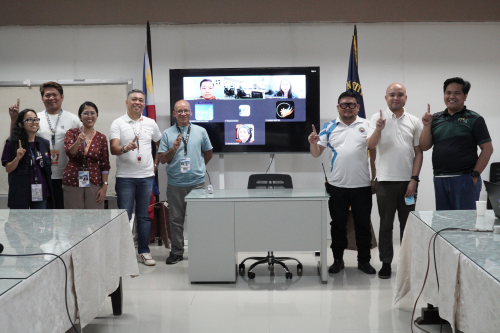
EVSU’s commitment to supporting government policy development in clean energy and energy-efficient technologies was further demonstrated through its active participation in the Regional Research Development and Innovation Committee (RRDIC) Sectoral Consultation Meeting held at the University on March 17 and 19, 2025. During the consultation, Dr. Analyn C. Españo presented the priority agenda and accomplishments of the Eastern Visayas Consortium for Industry, Energy, and Emerging Research and Development (EVCIEERD) as part of the regional initiative to update and harmonize the Eastern Visayas Research and Development Agenda for 2024–2028.
This engagement provided an important institutional avenue for communicating the Consortium’s research priorities, presenting its accomplishments, and contributing to the identification of research and development directions responsive to the needs and development priorities of Eastern Visayas. Through its participation in EVCIEERD, EVSU helped bring industry, energy, and emerging technology concerns into the region’s broader research and innovation planning process.
Of particular significance is the Consortium’s focus on industry and energy research, which provides a framework for identifying technological opportunities, addressing regional energy challenges, and strengthening research initiatives that support sustainable industrial and economic development. By presenting EVCIEERD’s priority agenda and accomplishments before the RRDIC, EVSU contributed to the communication and coordination of research priorities with regional stakeholders involved in science, technology, research, and development planning.
The University’s participation is particularly relevant to the indicator because the Eastern Visayas Research and Development Agenda serves as a regional framework for identifying and harmonizing research priorities that can guide institutional collaboration, resource allocation, and the implementation of research and innovation initiatives. By participating in the consultation, EVSU helped ensure that industry and energy-related research concerns were represented in discussions concerning the region’s research and development directions.
Furthermore, this engagement demonstrates how EVSU’s participation in EVCIEERD extends its contribution to energy sustainability beyond campus-based initiatives and individual research projects. Through the Consortium, the University becomes part of a broader regional mechanism for consolidating research capabilities, communicating sectoral priorities, and coordinating with government and other development stakeholders. This provides an avenue through which university-generated knowledge and research priorities can contribute to regional planning and support the development of responsive policies and programs in energy, industry, and emerging technologies.
Through this initiative, EVSU reinforces its role as a regional academic and research partner in government-led development planning. Its participation demonstrates an institutional effort to connect research priorities in industry and energy with regional policy discussions, helping strengthen the relationship between scientific research, government planning, and the advancement of sustainable energy and technological innovation.
Generating Scientific Evidence for Alternative and Renewable Energy Development through Biodiesel Research
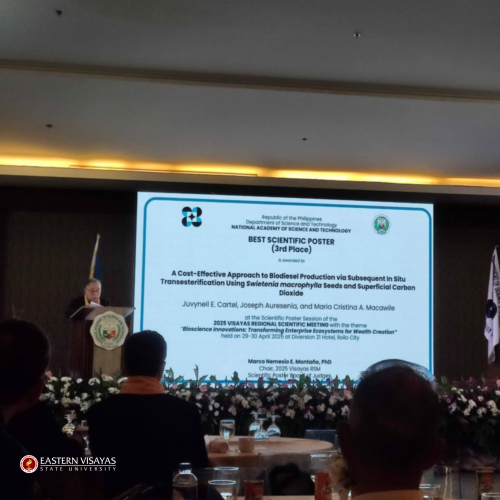
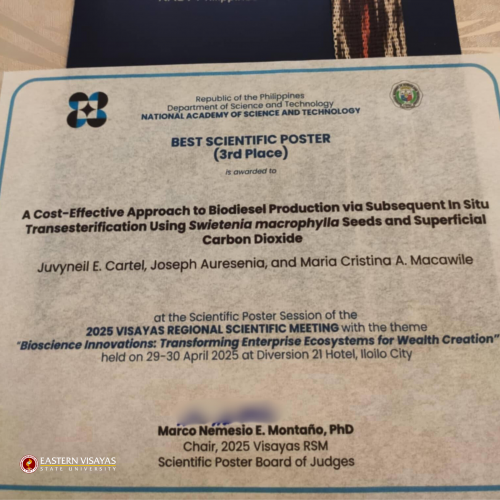
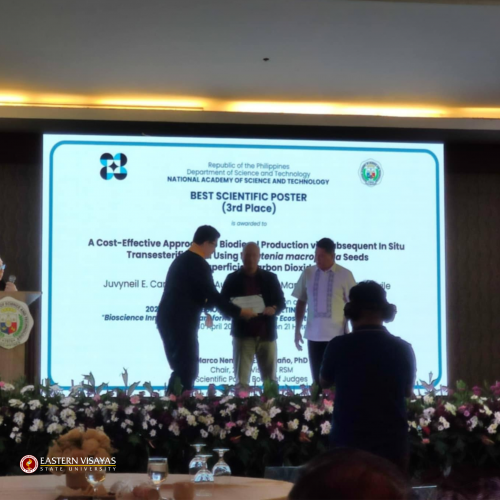
One of EVSU’s significant contributions to clean energy research in 2025 was its participation in the development and dissemination of alternative fuel technologies through the study titled A Cost-Effective Approach to Biodiesel Production via Subsequent In Situ Transesterification Using Swietenia macrophylla Seeds and Superficial Carbon Dioxide. The research was presented by Engr. Juvyneil E. Cartel at the 2025 Visayas Regional Scientific Meeting organized by the National Academy of Science and Technology (NAST), in partnership with the Department of Science and Technology (DOST), where it received third place in the scientific poster competition.
The study explored a potentially cost-effective method of producing biodiesel using mahogany seeds as an alternative feedstock. By examining the utilization of locally available biological resources for renewable fuel production, the research contributes to the scientific understanding of alternative energy sources and the potential diversification of the country’s fuel supply. It also highlights opportunities for developing locally appropriate renewable energy technologies that may reduce dependence on conventional fossil fuels and support the transition toward more sustainable energy systems.
Beyond its scientific contribution, the research provides knowledge that can inform government priorities concerning alternative fuel development, renewable energy research investments, technology commercialization, and the utilization of indigenous resources. Its presentation in a regional scientific platform involving a national science agency also facilitated the dissemination of research findings to a broader community of researchers, technical experts, and development stakeholders. Such knowledge-sharing activities help establish a scientific basis upon which government institutions may assess the feasibility, applicability, and potential policy implications of emerging renewable fuel technologies.
Through this initiative, EVSU demonstrates its capacity to contribute research-based evidence that may assist government agencies in identifying alternative energy opportunities, supporting locally developed technologies, and strengthening the research and innovation components of renewable energy policies.
Advancing Solar-Powered Technological Innovations for Sustainable and Energy-Efficient Applications
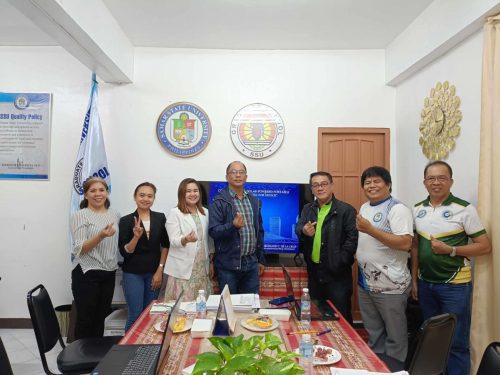
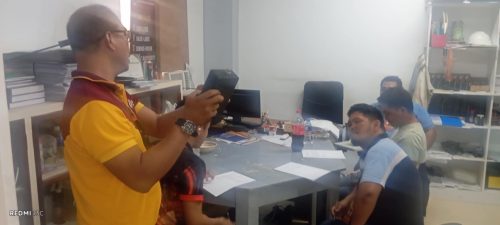
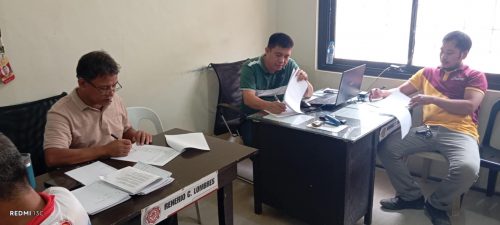
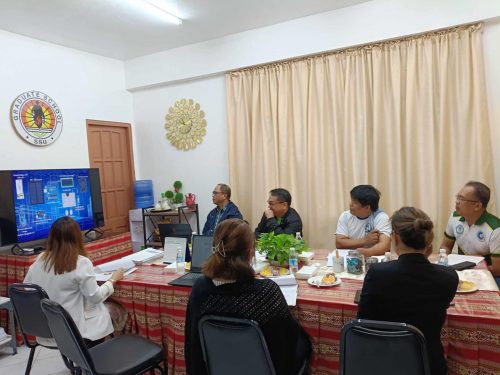
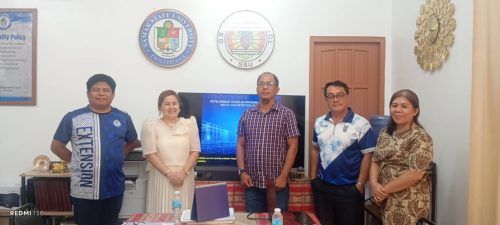
EVSU further strengthened its contribution to clean energy technology development through the research of Prof. Ferdinand C. de la Cruz titled Evaluation of Performance of the Developed Solar-Powered Portable Multi-Gas Detector Device, published in the October–December 2025 issue of the International Journal of Open-access, Interdisciplinary and New Educational Discoveries.
The research evaluated a portable multi-gas detection device powered by solar energy and designed to detect hazardous gases, including carbon monoxide, methane, and hydrogen sulfide. Its application demonstrates the potential of integrating renewable energy into essential monitoring equipment, particularly in environments where reliable electricity access may be limited. By utilizing solar power, the developed technology presents an alternative to conventional electricity-dependent equipment and illustrates the practical application of clean energy in environmental monitoring, industrial safety, and occupational health protection.
The study underwent expert validation involving specialists in Electronics, Engineering, and Industrial Technology, providing an additional technical basis for assessing the functionality, reliability, and applicability of the developed device. Its findings contribute to the growing body of research on renewable energy-powered equipment and demonstrate how locally developed technologies can respond to practical challenges in public safety and environmental protection.
From a policy development perspective, this research offers relevant technical insights that may support government agencies in evaluating the adoption of solar-powered technologies in public facilities, industrial environments, and remote communities. It also provides an example of how renewable energy applications can be integrated into government-supported technological innovation programs and public service delivery systems.
Through the publication and dissemination of this research, EVSU contributes technical knowledge that can inform discussions on renewable energy utilization, sustainable technology adoption, and the development of appropriate standards and support mechanisms for locally developed clean energy technologies.
Eastern Visayas State University remains committed to strengthening its role as a research and development partner of the government in advancing clean energy, renewable energy utilization, and energy-efficient technological innovations. The University recognizes that its responsibility extends beyond producing scientific publications and developing technologies; it also includes making research knowledge accessible, engaging relevant government and development stakeholders, and providing technical perspectives that can support the formulation and implementation of responsive energy policies and programs.
Moving forward, EVSU seeks to further strengthen its engagement with national government agencies, local government units, research consortia, and industry partners through collaborative research, technical knowledge-sharing activities, policy-oriented consultations, and the dissemination of evidence-based recommendations. By continuously developing its research capabilities and translating scientific findings into practical development applications, the University aims to contribute to a more informed, coordinated, and sustainable approach to energy governance.
Through these institutional efforts, EVSU affirms its commitment to serving as a knowledge and innovation partner of the government, contributing to the advancement of clean energy policies, the adoption of energy-efficient technologies, and the achievement of a sustainable and resilient energy future for Eastern Visayas and the Philippines.
EXPLORE OUR SDG 7 INITIATIVES & ACTIVITIESS
EXPLORE OUR SDG 7 RESEARCH & PUBLICATIONS
SUSTAINABLE DEVELOPMENT GOALS