
SDG 7 | AFFORDABLE AND CLEAN ENERGY
Plans for Upgrading Existing Buildings to Higher Energy Efficiency Standards
Eastern Visayas State University (EVSU) continuously pursues the improvement, modernization, and upgrading of its existing campus buildings and facilities to enhance energy efficiency, reduce electricity consumption, and promote more sustainable campus operations. Recognizing that existing buildings account for a substantial portion of institutional energy use, the University considers energy-efficiency improvements an important component of its long-term infrastructure development, facilities management, and environmental sustainability strategies. Through planned facility improvements, equipment modernization, and the integration of energy conservation measures, EVSU aims to progressively improve the energy performance of its existing infrastructure while ensuring that its buildings remain functional, safe, comfortable, and responsive to the evolving needs of the academic community.
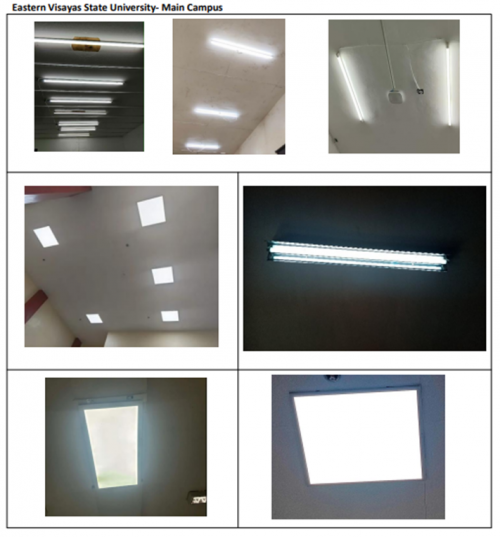
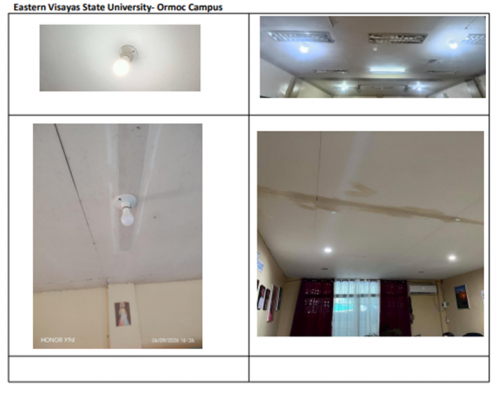
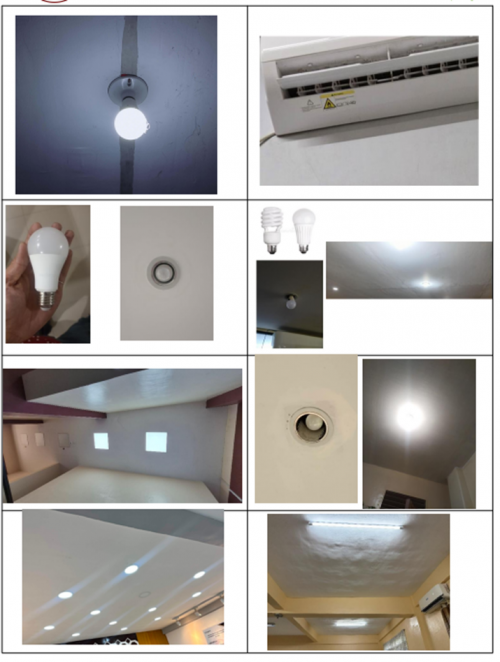
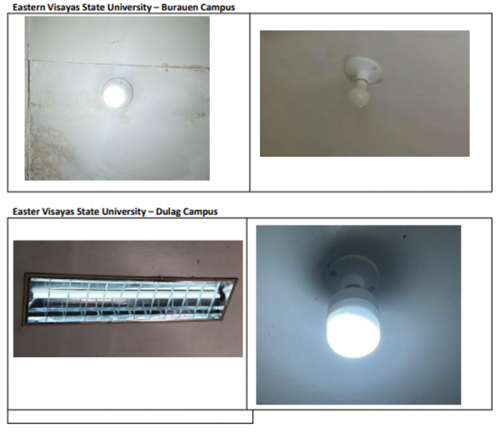
The University’s upgrading initiatives encompass the improvement and replacement of conventional lighting systems with energy-efficient LED fixtures, the enhancement of natural ventilation and daylight utilization, and the modernization of air-conditioning and ventilation systems through the adoption of more energy-efficient equipment. These interventions are intended to reduce unnecessary electricity consumption while maintaining appropriate indoor environmental conditions in classrooms, laboratories, offices, libraries, and other institutional facilities. The University also recognizes the importance of replacing outdated and energy-intensive electrical appliances and equipment with more efficient alternatives, incorporating smart controls and energy-management technologies where appropriate, and improving the operational efficiency of building electrical systems.
In addition to equipment and building system improvements, EVSU considers opportunities to enhance the energy performance of existing buildings through building envelope improvements, including appropriate shading, improved insulation where feasible, and architectural modifications that maximize natural lighting and ventilation while minimizing heat gain. These measures are particularly relevant in the University’s tropical operating environment, where building orientation, solar exposure, ventilation, and cooling requirements significantly influence electricity consumption. By integrating climate-responsive design considerations into building rehabilitation and upgrading activities, the University seeks to reduce dependence on mechanical cooling and improve the overall energy performance of its facilities.