
SDG 8 | Decent Work and Economic Growth

EVSU’s Institutional Policy and Initiatives on Ending Workplace Discrimination

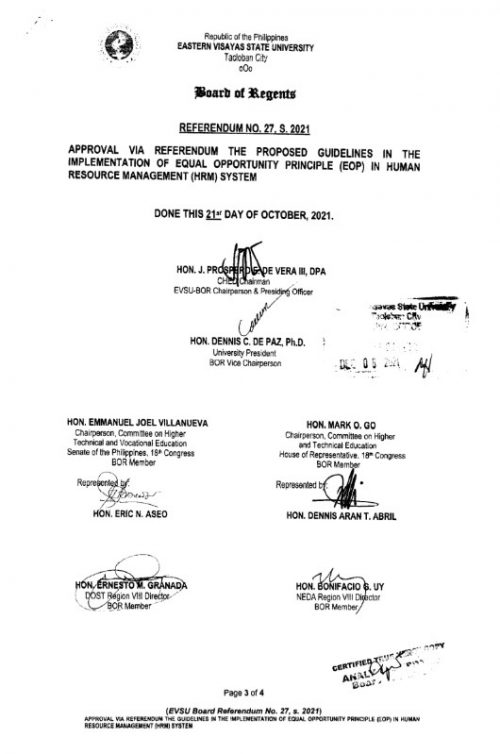
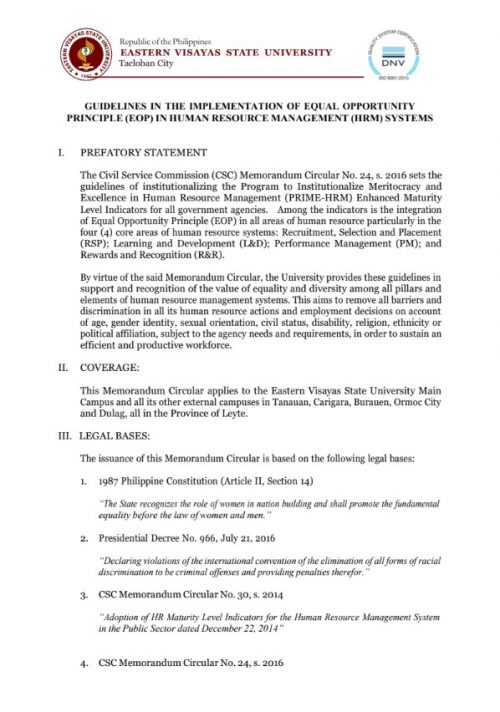
Eastern Visayas State University (EVSU) upholds its commitment to establishing an inclusive, equitable, and discrimination-free working environment through its institutional Equal Opportunity Principle (EOP), Gender and Development (GAD) policies, human resource management practices, and mechanisms for preventing and addressing workplace harassment and discrimination. Recognizing that every employee deserves equal treatment, dignity, and respect regardless of personal circumstances or characteristics, the University promotes an organizational culture where employment opportunities, professional development, career advancement, and participation in institutional activities are guided by merit, competence, fairness, and equal opportunity.

The University’s commitment is anchored on the 1987 Philippine Constitution, the Labor Code of the Philippines, Republic Act No. 9710 (Magna Carta of Women), and the 2017 Revised EVSU University Code, particularly Article 88, Section 344, as cited in its institutional Equal Opportunity Principle. Through this framework, EVSU upholds the principle that individuals should not be subjected to unequal treatment or exclusion in employment and workplace participation on the basis of religion, gender, age, sexual orientation, disability, ethnicity, or social background. These commitments extend to both existing employees and prospective applicants, reinforcing the University’s responsibility to maintain fairness throughout the employment lifecycle. 
Promoting Merit-Based Recruitment, Selection, and Career Advancement

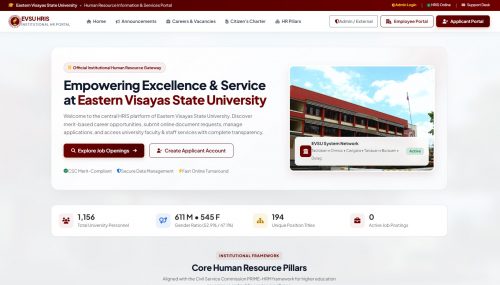
In operationalizing this policy, EVSU promotes merit-based and competency-driven recruitment, selection, placement, promotion, and retention practices. Through its human resource management systems and Online Job Application Portal, the University provides applicants with an accessible platform for applying for teaching and non-teaching positions. Employment decisions are guided by established qualifications, competencies, and position requirements rather than personal characteristics unrelated to job performance. These practices support equal access to employment opportunities and help ensure that recruitment and career advancement are conducted transparently and equitably. The University’s commitment to transparent and merit-based human resource management is further reinforced by its PRIME-HRM Level II recognition.

Institutional Safeguards and Mechanisms Against Workplace Harassment and Discrimination

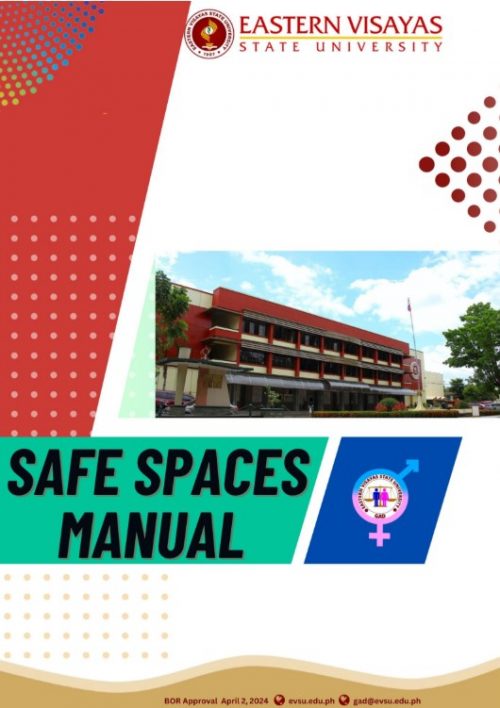
EVSU also strengthens workplace protection through the implementation of its Safe Spaces Manual, which provides institutional guidelines for preventing, addressing, and responding to sexual harassment and gender-based misconduct. The manual covers faculty members, non-teaching personnel, administrators, students, and other members of the University community. It establishes preventive measures, reporting procedures, complaint-handling processes, investigation protocols, and accountability mechanisms to ensure that incidents of harassment and gender-based discrimination are addressed appropriately. It also emphasizes confidentiality, protection of the rights of parties involved, and observance of due process. Furthermore, the manual provides for the orientation of newly hired faculty and non-teaching personnel, together with regular refresher activities to strengthen awareness of acceptable workplace conduct and institutional responsibilities.

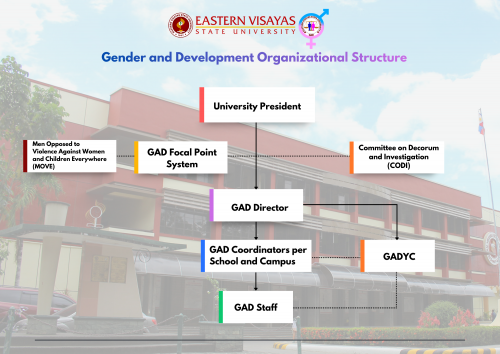
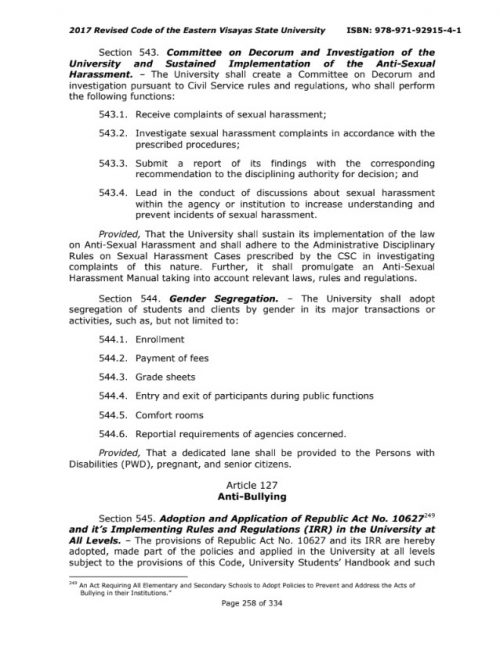
To ensure that these policies are supported by functioning institutional mechanisms, EVSU maintains its Gender and Development (GAD) Office and Committee on Decorum and Investigation (CODI) as identified in Chapter 48, Article 126, Section 543, page 258 of the 2017 Revised University Code. The GAD Office facilitates the integration of gender equality and responsiveness into university policies, programs, projects, and administrative operations. It also coordinates gender sensitivity activities, capacity-building initiatives, and monitoring of gender mainstreaming efforts across university units. Meanwhile, CODI serves as an institutional mechanism for receiving and investigating complaints involving sexual harassment and gender-based misconduct, and for recommending appropriate administrative action in accordance with applicable rules and procedures. Through these mechanisms, EVSU provides institutional channels for addressing workplace concerns and promoting accountability, fairness, and respect within the University.

Building a Discrimination-Free Workplace through Gender Equality and Anti-Sexual Harassment Awareness

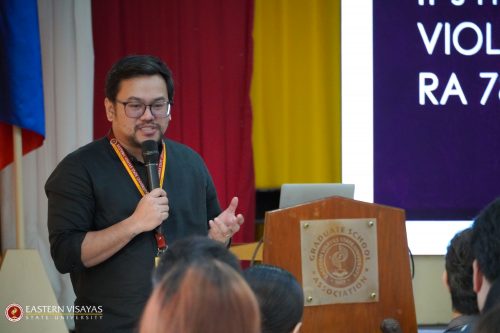
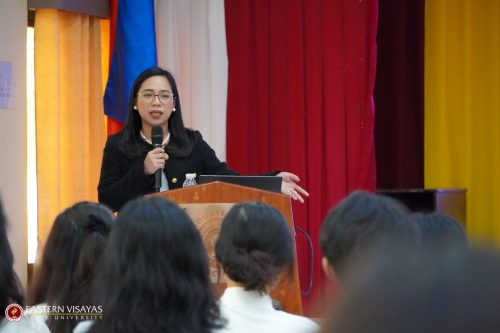
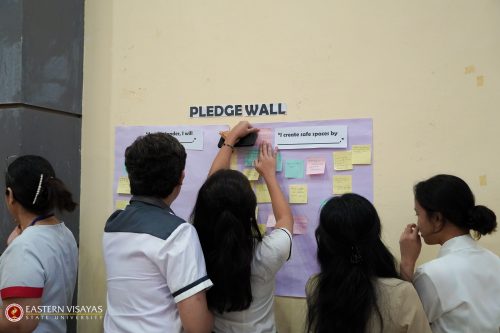
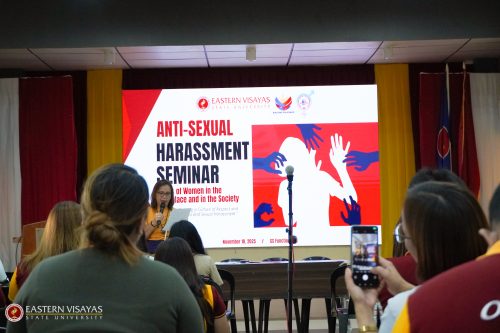
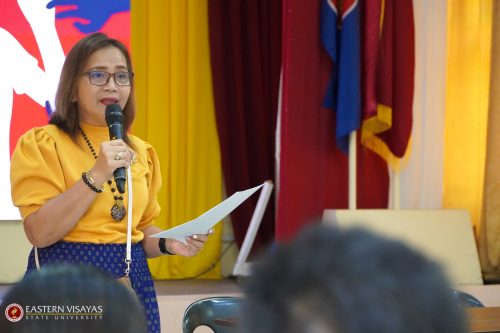
The University’s commitment was further demonstrated through its November 18, 2025 Anti-Sexual Harassment Seminar, conducted at the Graduate School Function Hall as part of its continuing Gender and Development initiatives. Carrying the theme “Building a Culture of Respect and Accountability to End Sexual Harassment,” the activity brought together members of the University community to strengthen awareness and understanding of legal protections and institutional responsibilities concerning sexual harassment and gender-based misconduct. Facilitated by Atty. Jann Claudine M. Amago-Hernandez and Atty. Rodolph B. Hernandez, Jr., Head of the EVSU Legal Office, the seminar discussed Republic Act No. 7877 (Anti-Sexual Harassment Act of 1995) and Republic Act No. 11313 (Safe Spaces Act or Bawal Bastos Law). Through discussions of legal provisions, reporting responsibilities, appropriate workplace behavior, and institutional accountability, the activity reinforced the importance of maintaining professional relationships founded on dignity, mutual respect, and gender sensitivity.

Beyond compliance with existing legal requirements, EVSU recognizes that ending workplace discrimination requires sustained institutional commitment, awareness, and the consistent application of fair employment practices. By integrating equal opportunity principles into human resource management, strengthening safeguards against harassment, maintaining complaint-handling mechanisms, and conducting awareness and capacity-building activities, the University seeks to create an environment where faculty members and non-teaching personnel can perform their responsibilities, develop professionally, and participate in university affairs without fear of discrimination, harassment, or exclusion.

Through these institutional policies and initiatives, Eastern Visayas State University demonstrates its commitment to ending workplace discrimination and advancing equal employment opportunities for all, regardless of religion, sexuality, gender, age, disability, ethnicity, or social background. These efforts contribute to a safe, respectful, inclusive, and equitable workplace consistent with the University’s commitment to decent work, gender equality, social justice, and the Sustainable Development Goals, particularly SDG 5 (Gender Equality), SDG 8 (Decent Work and Economic Growth), and SDG 10 (Reduced Inequalities).

EXPLORE OUR SDG 8 INITIATIVES & ACTIVITIES

2026202520242023
SDG 8: Initiatives for 2026
SDG 8: Initiatives for 2025
SDG 8: Initiatives for 2024
SDG 8: Initiatives for 2023

EXPLORE OUR SDG 8 RESEARCH & PUBLICATIONS

202520242023
SDG 8: Publications for 2025
SDG 8: Publications for 2024
SDG 8: Publications for 2023

SUSTAINABLE DEVELOPMENT GOALS

20252024
2025: Sustainable Development Goals
2024: Sustainable Development Goals