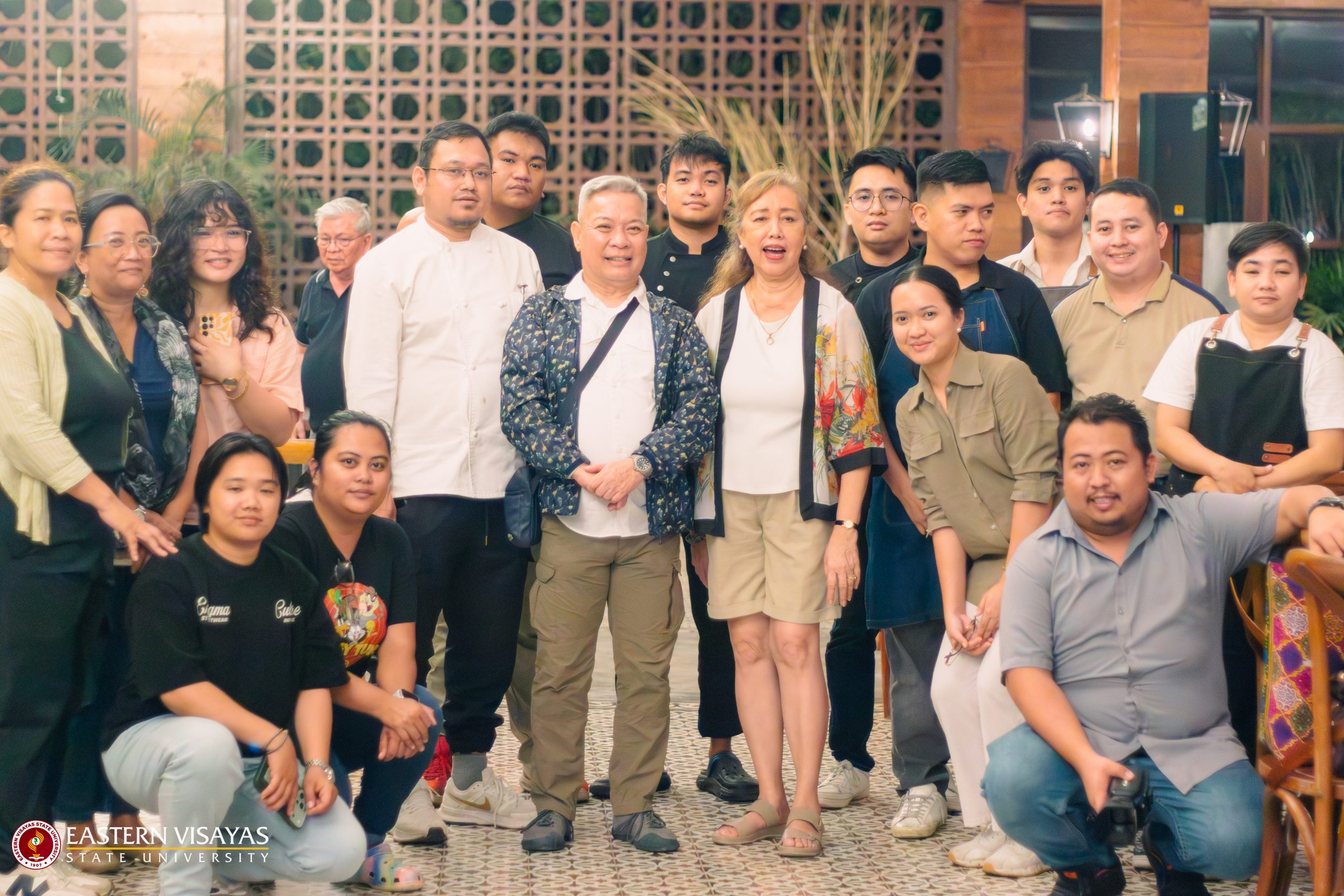

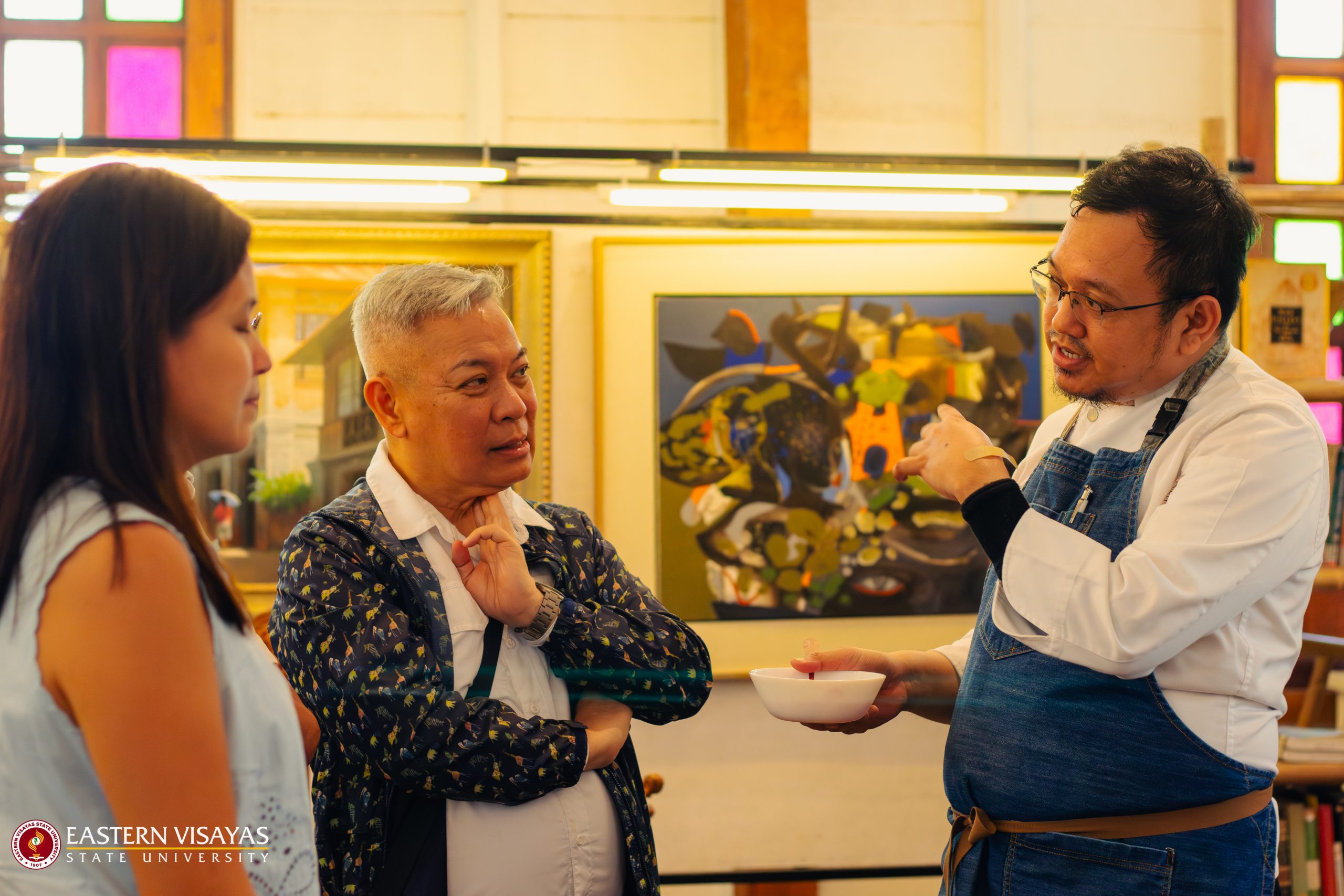
EVSU continues to champion local culture and history, recently playing a pivotal role in the proposed Leyte Cultural Heritage Hub project. Held on March 22 to 23, 2026, the Leyte Heritage Tour served as a preliminary showcase to pitch the ambitious cultural initiative to officials of the National Commission for Culture and the Arts (NCCA).
The proposed program, spearheaded by the Leyte-Samar Heritage Society, Inc. (LSHSI) in partnership with the Office of the Third District of Leyte under Hon. Anna Veloso-Tuazon and Leyte Board Member Hon. Marie Kathryn Veloso-Kabigting, aims to establish a heritage hub focused on history, gastronomy, and wellbeing. Recognizing EVSU’s pioneering strides in heritage education, research, and community service under the leadership of University President Dr. Dennis C. de Paz, the organizers tapped the university as a primary collaborative partner.
EVSU’s contribution to the project was multifaceted, ensuring that the rich history of Leyte was both beautifully documented and masterfully tasted.
EVSU’s Technical Expertise in Action
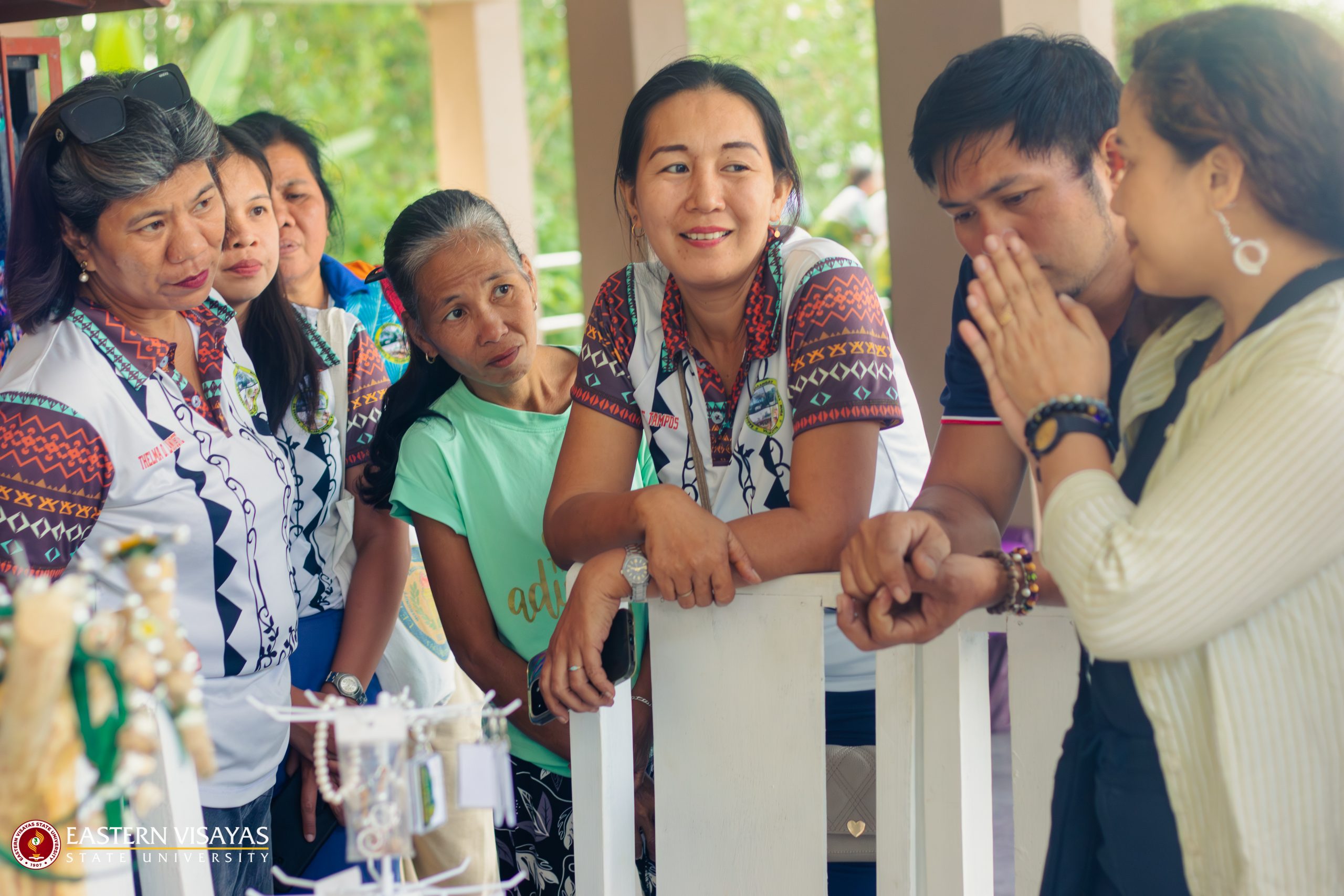
To ensure the seamless capturing of the heritage tour—which spanned historic and scenic sites across Villaba, Carigara, San Miguel, and Burauen—EVSU’s University Multimedia and Development Center (UMDC) served on the crucial project documentation team. They were tasked with chronicling the visit of Dr. Zerrudo and other officials.
A Gastronomic Journey with Chef Mark Sabayan
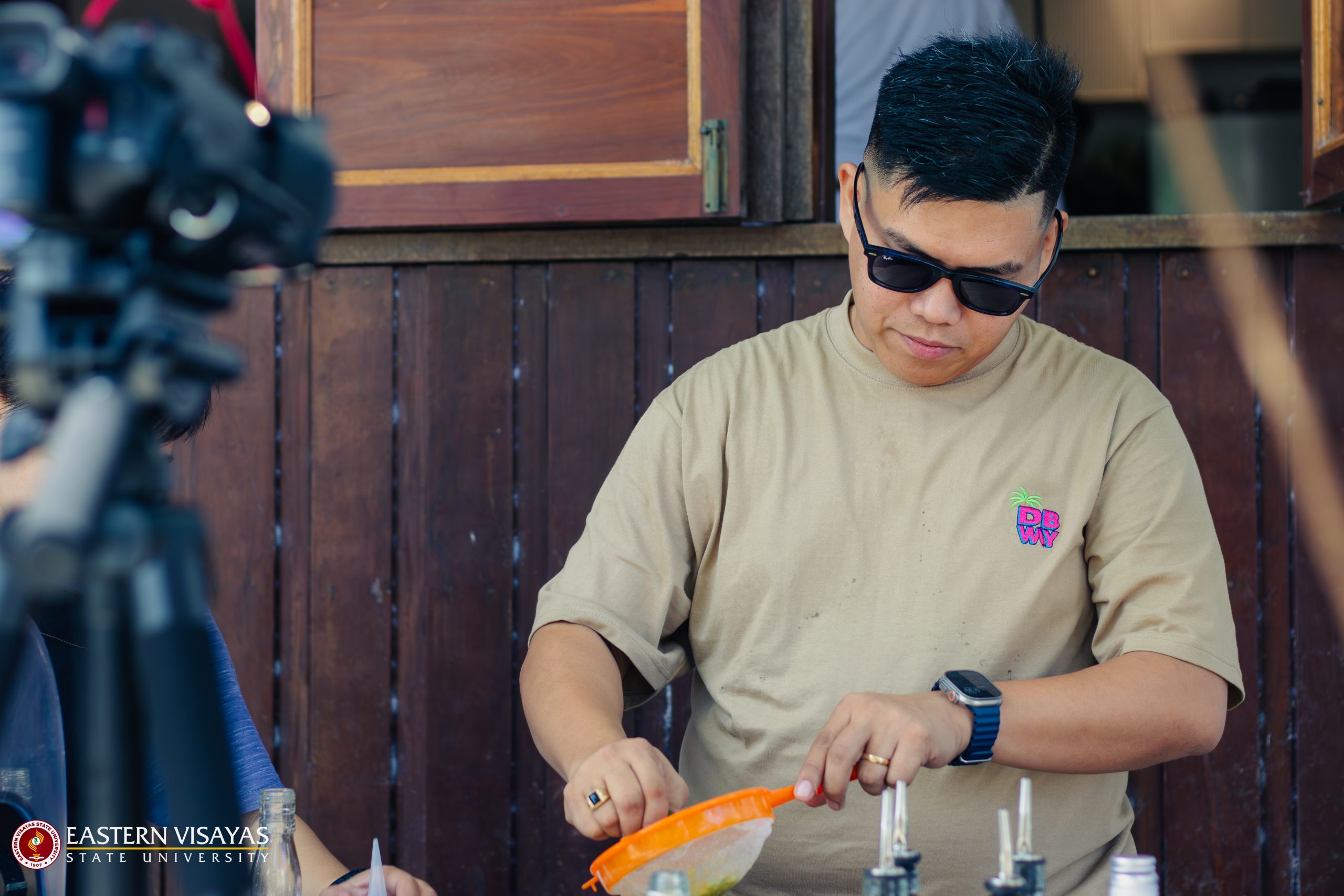
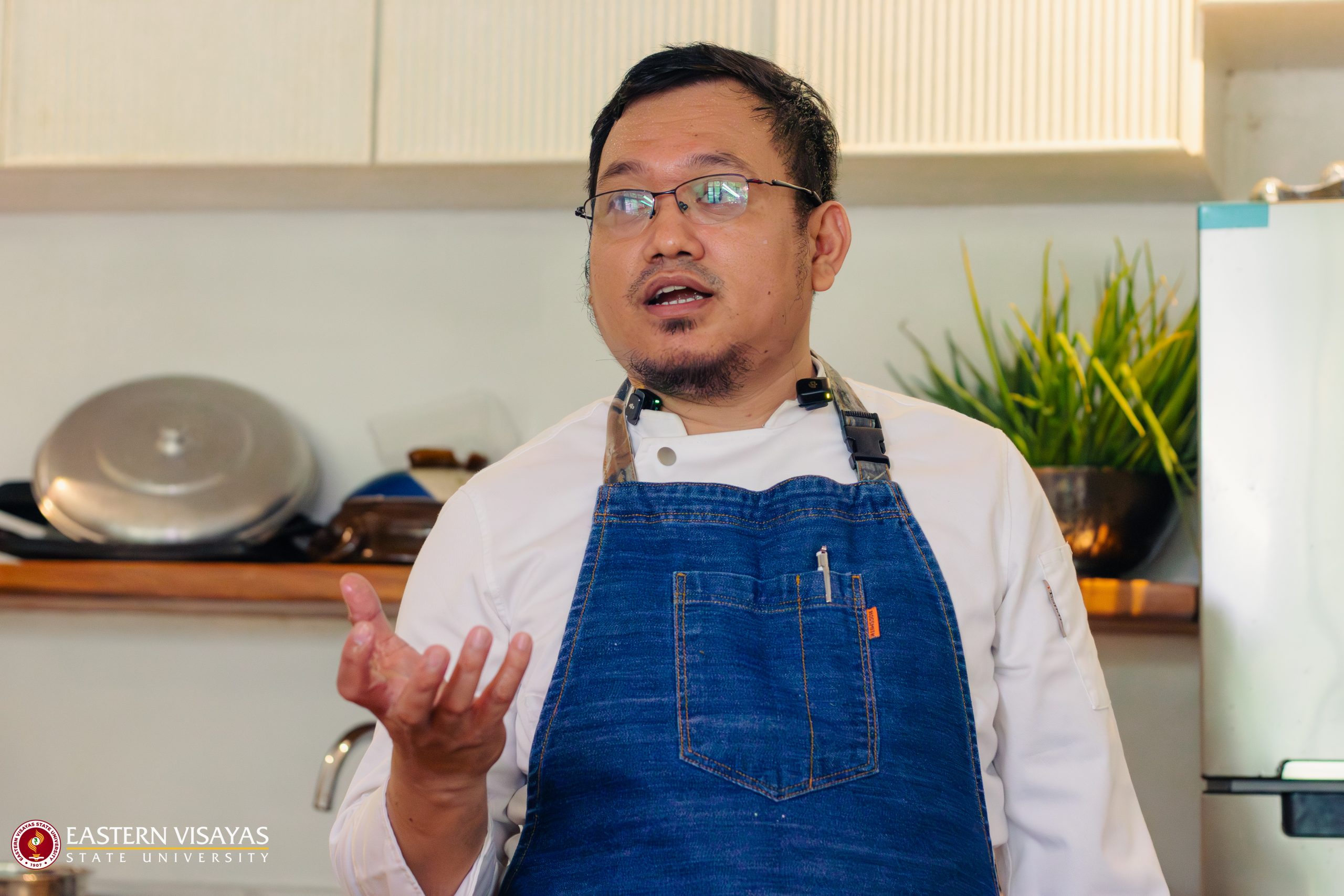
One of the major highlights of the heritage tour was the culinary exhibition led by Chef Mark Reynan Sabayan, an esteemed faculty member of EVSU’s Hotel, Restaurant, and Tourism department. Chef Sabayan took charge of preparing the heritage meals, including a historic lunch at the house of Lolo Inting Veloso, a former WWII-era Mayor of Villaba, and a heritage dinner at The Farm in Guinciaman, San Miguel.
Chef Sabayan’s menu was a masterclass in culinary heritage, utilizing traditional techniques and hyper-local ingredients.
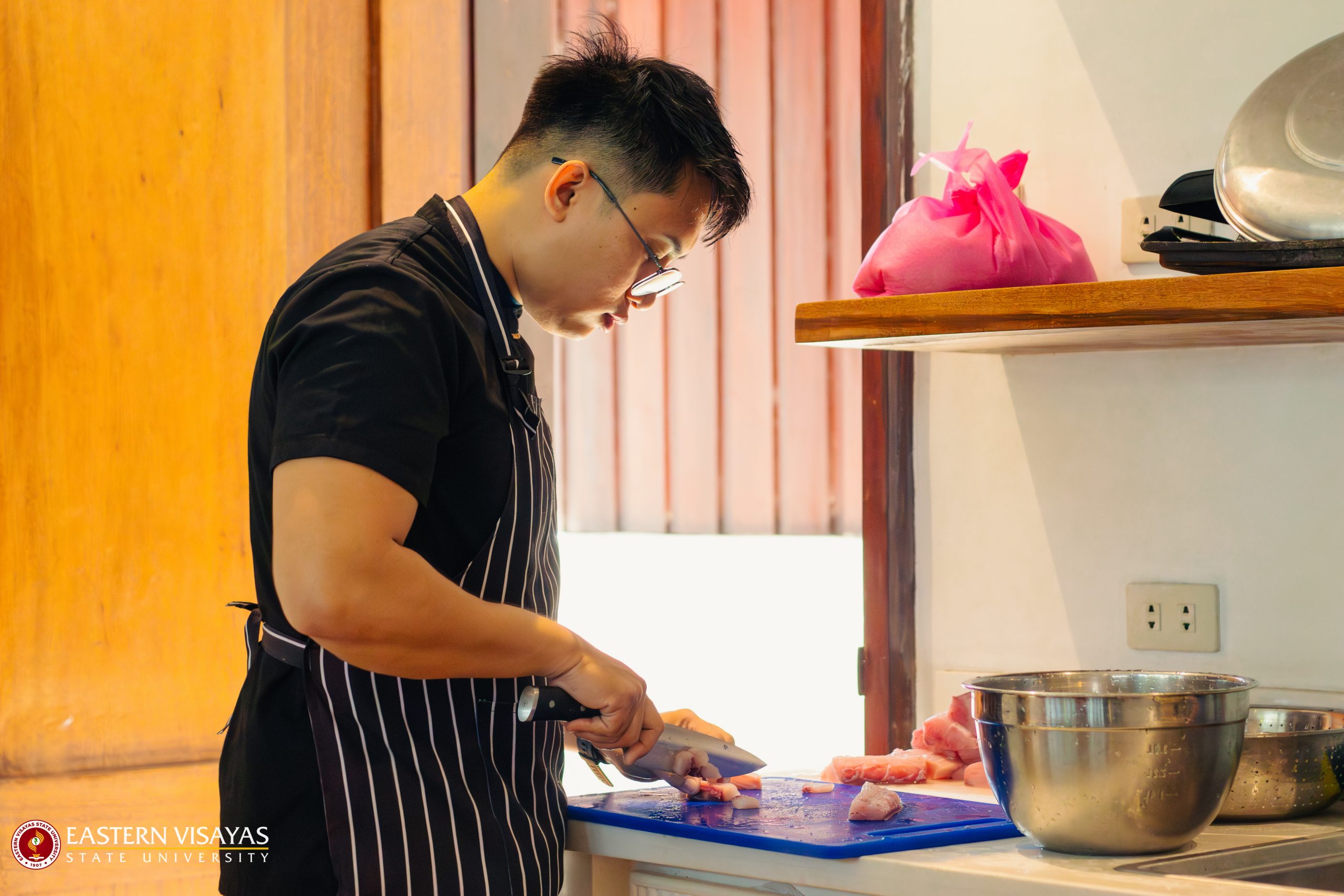
Chef Sabayan demonstrated expert precision by denaturing fish meat with vinegar in a stainless-steel bowl to prevent discoloration. He showcased a specialized technique of gently heating the coconut milk (hatok) with aromatics—without letting it boil—to draw out the oils and create a rich, creamy, and shiny texture.
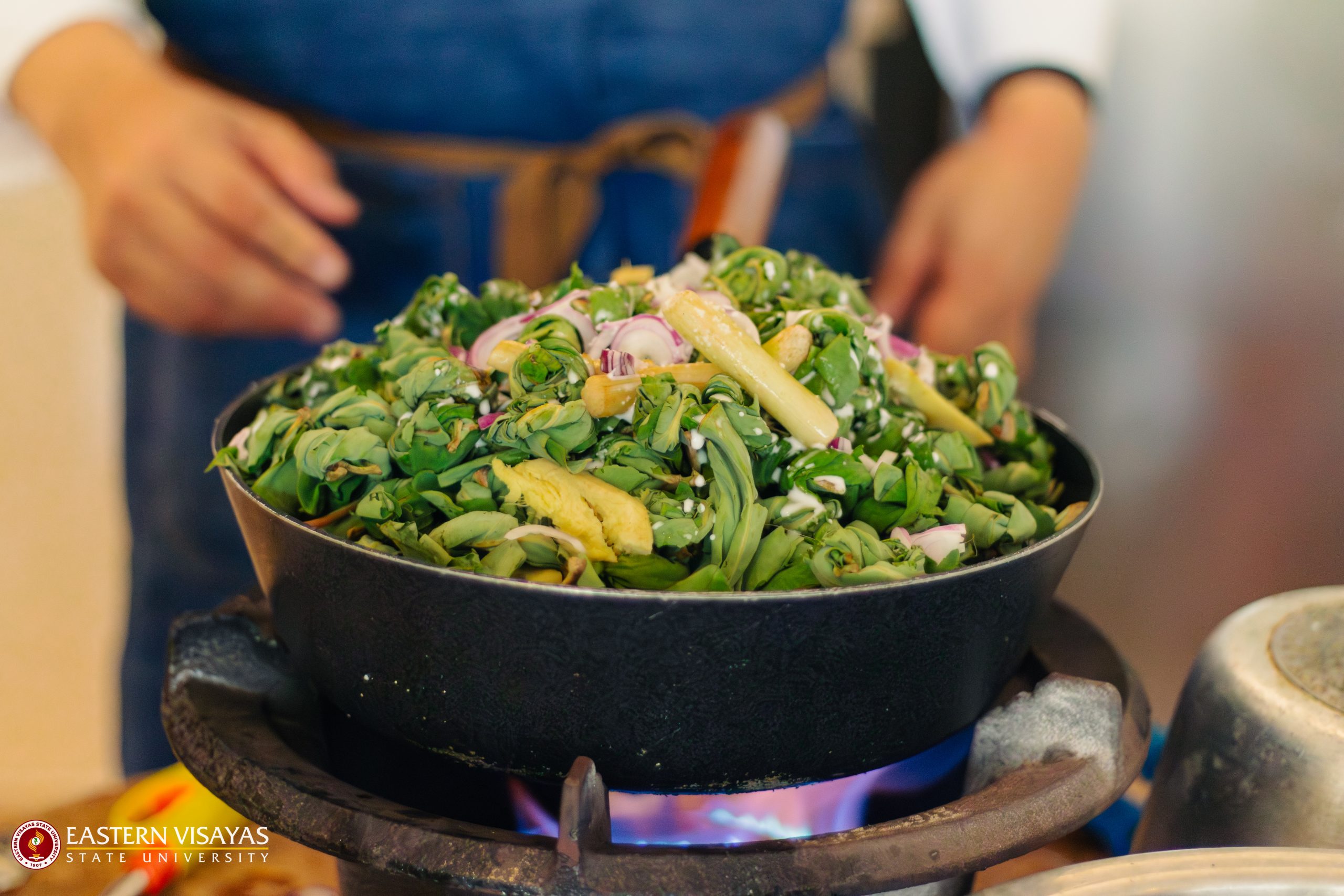
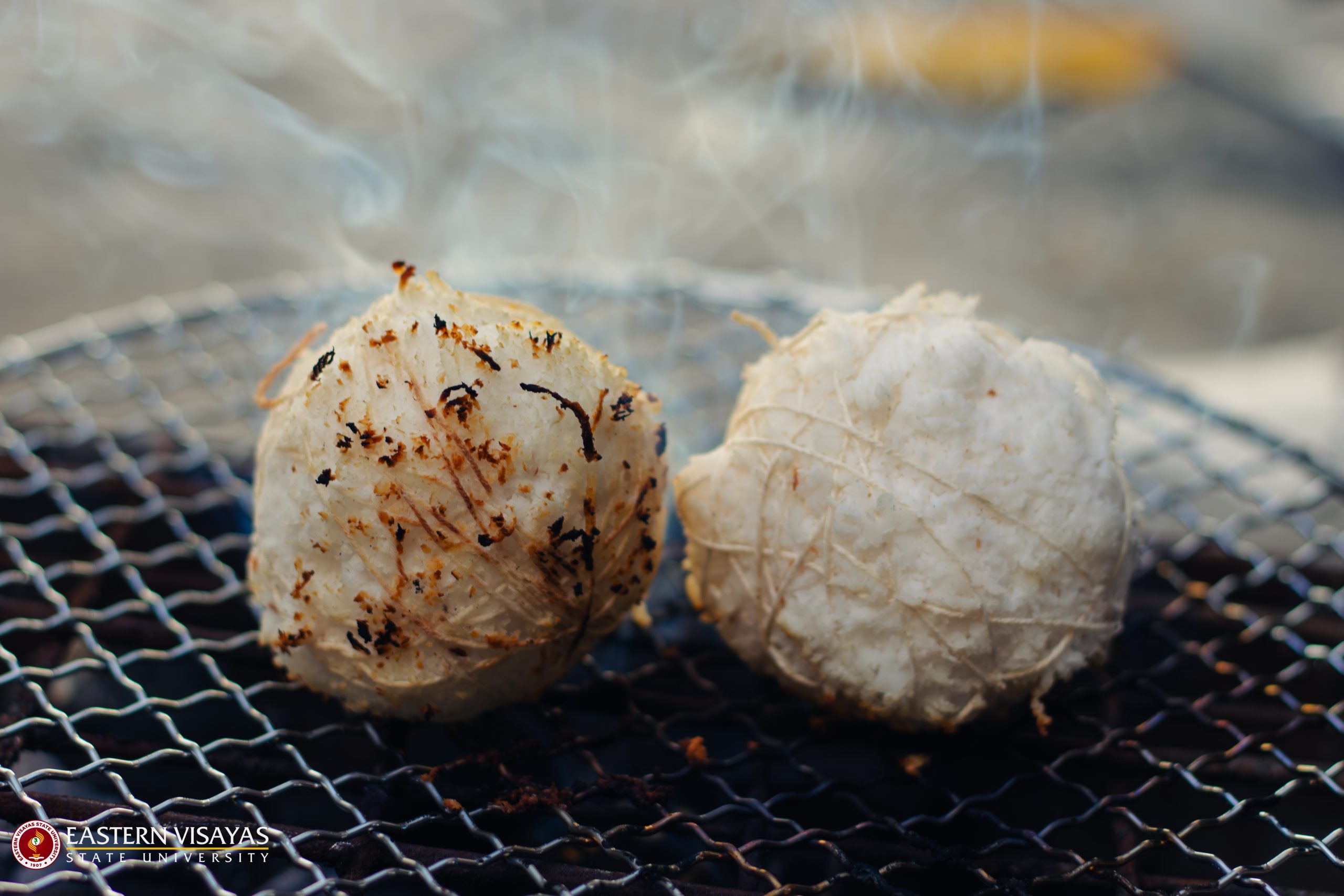
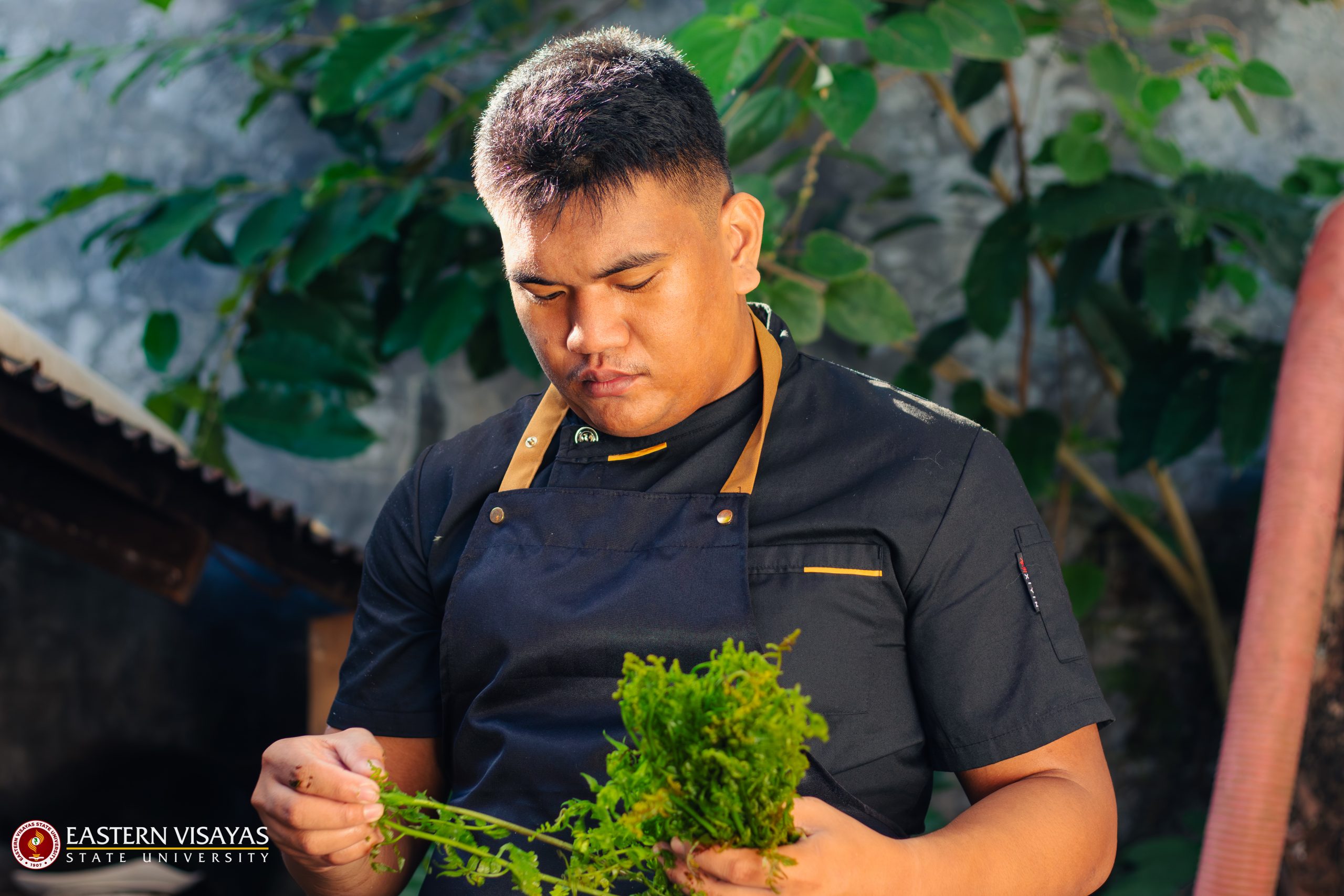
For the Kinarabo nga Pako, he meticulously blanched local ferns (Fiddlehead fern) to retain their vibrant green color and incorporated charred coconut meat molded into balls. He noted that the use of charred coconut is a traditional technique found in Southern Asian countries and parts of the Philippines like Sulu.
Ensuring the Humba stayed true to its Leyte roots, the dish featured fried meat, peanuts roasted in coconut oil, banana blossoms, and star anise. Notably, Chef Sabayan eschewed the Cebuano practice of using pineapple juice, opting instead to sweeten the dish traditionally with kalamay.
The meals championed local produce, featuring Jaguar rice planted in Matag-ob, Camiguin red rice, and a variety of local shellfish like bukawil (Dog Conch), saang (Spider shell), and susu (nail shell).
Through the meticulous documentation by its technical experts and the phenomenal culinary storytelling of Chef Mark Sabayan, EVSU has proven once again that it is not just an institution of academic learning, but a vital guardian of Eastern Visayas’ cultural soul.
This article is aligned with Sustainable Development Goals (SDG) 11: Sustainable Cities and Communities; and SDG 17: Partnerships for the goals
via KB Santos | UMDC