
When disaster strikes, food can quickly become scarce. Communities may lose access to markets, farms may be damaged, and families may have to rely on whatever resources remain within reach.
But what if some of those resources are growing right outside our homes?
Did you know that some flowers are edible?
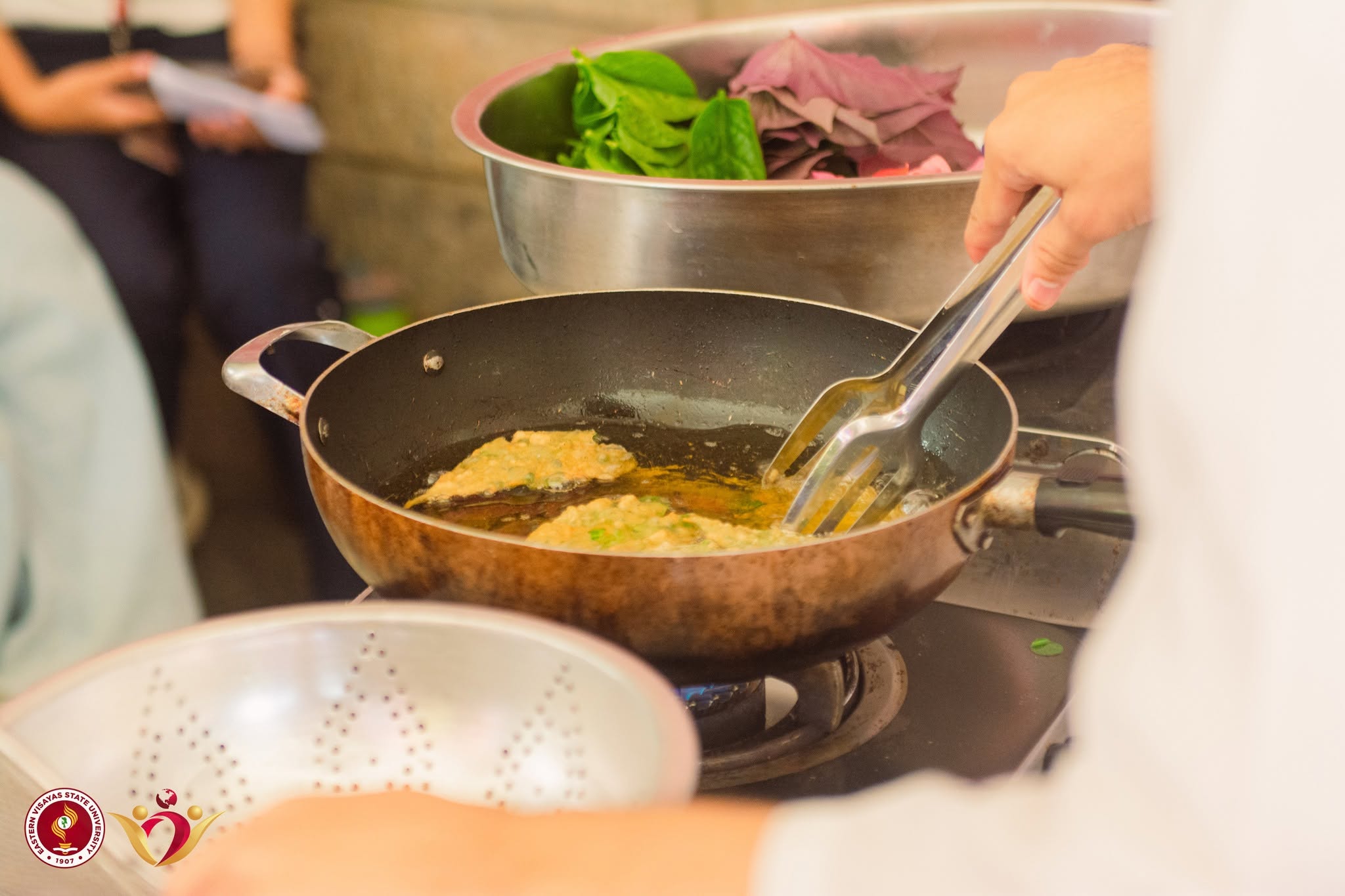
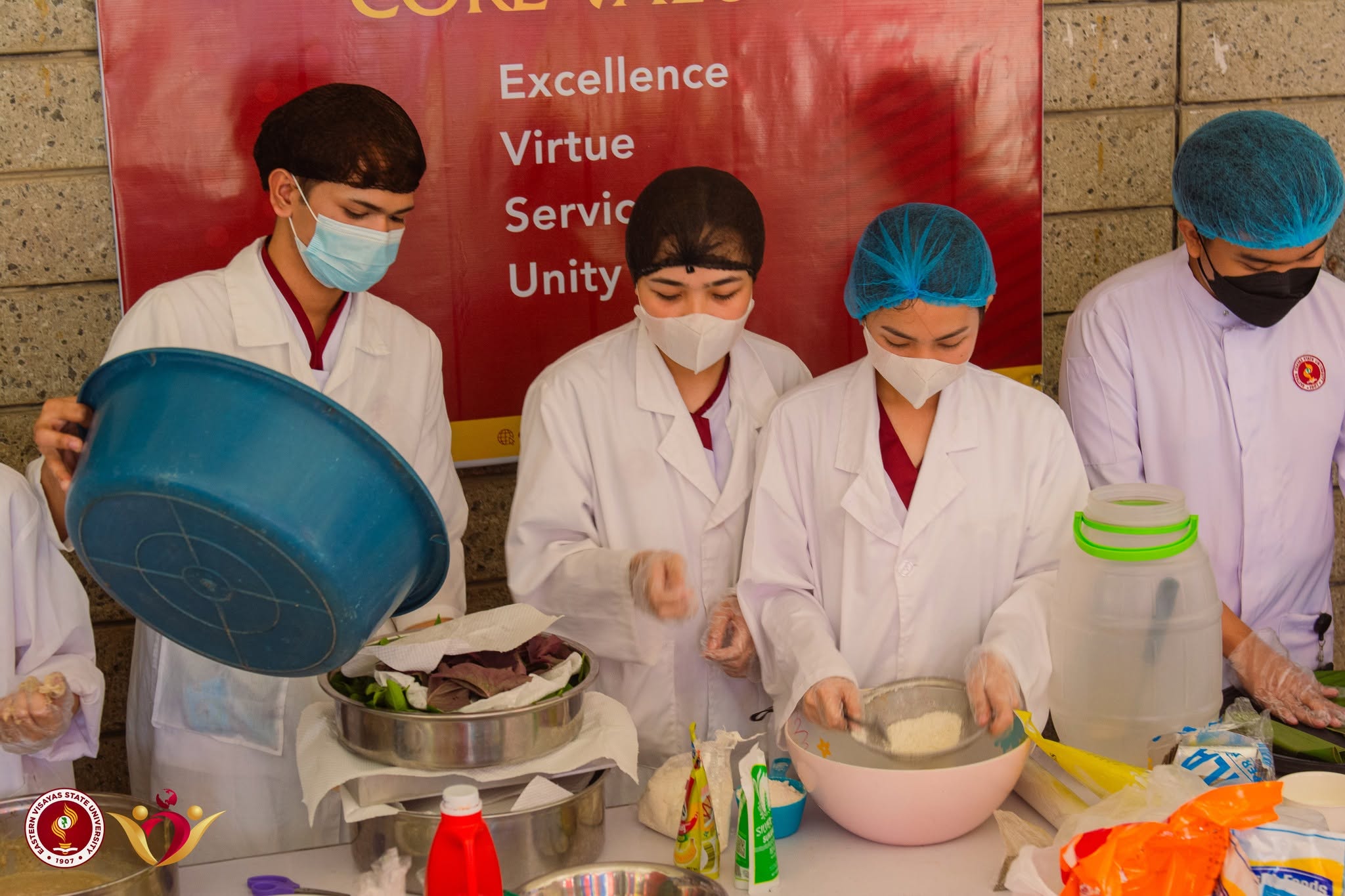
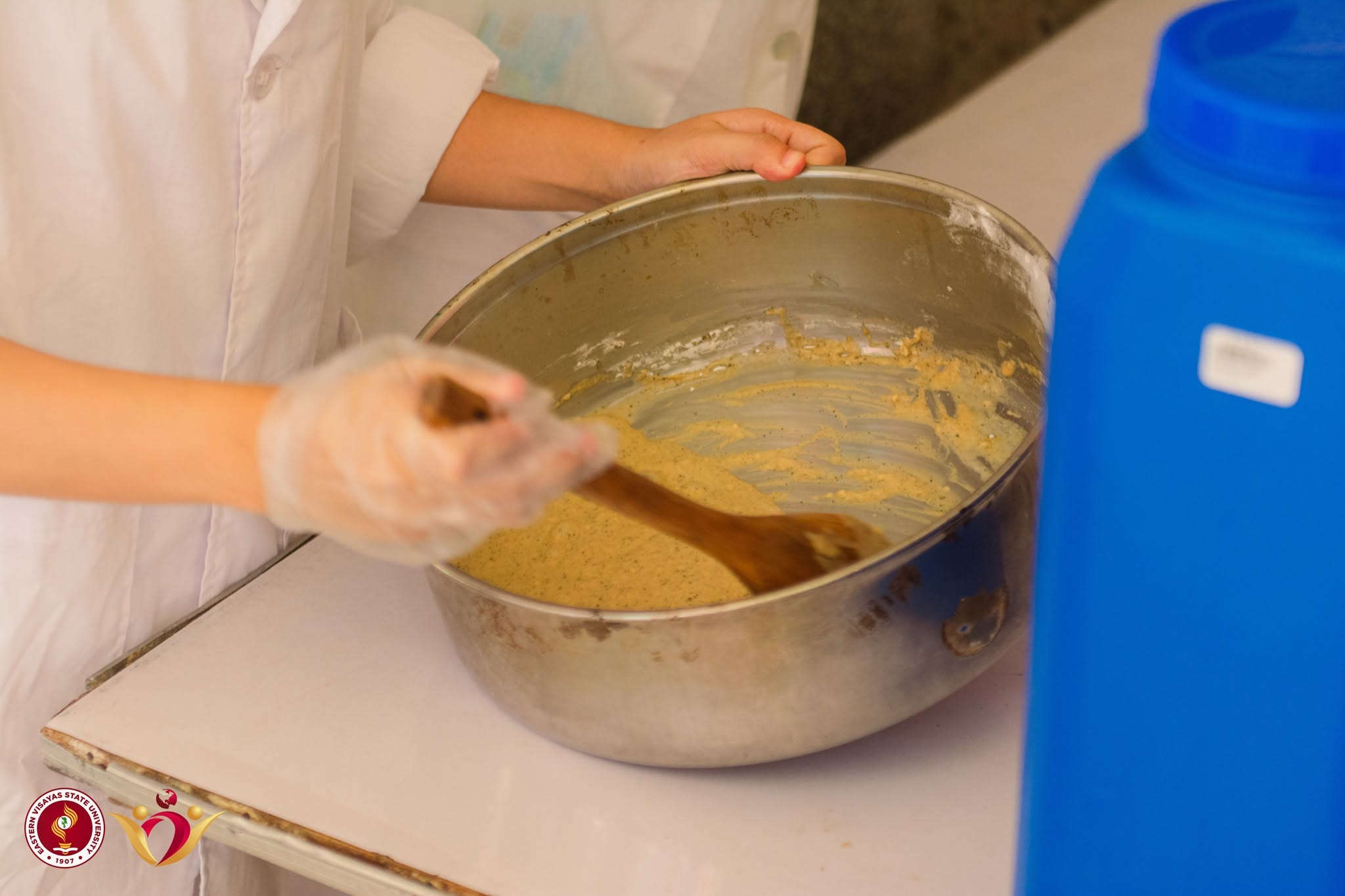
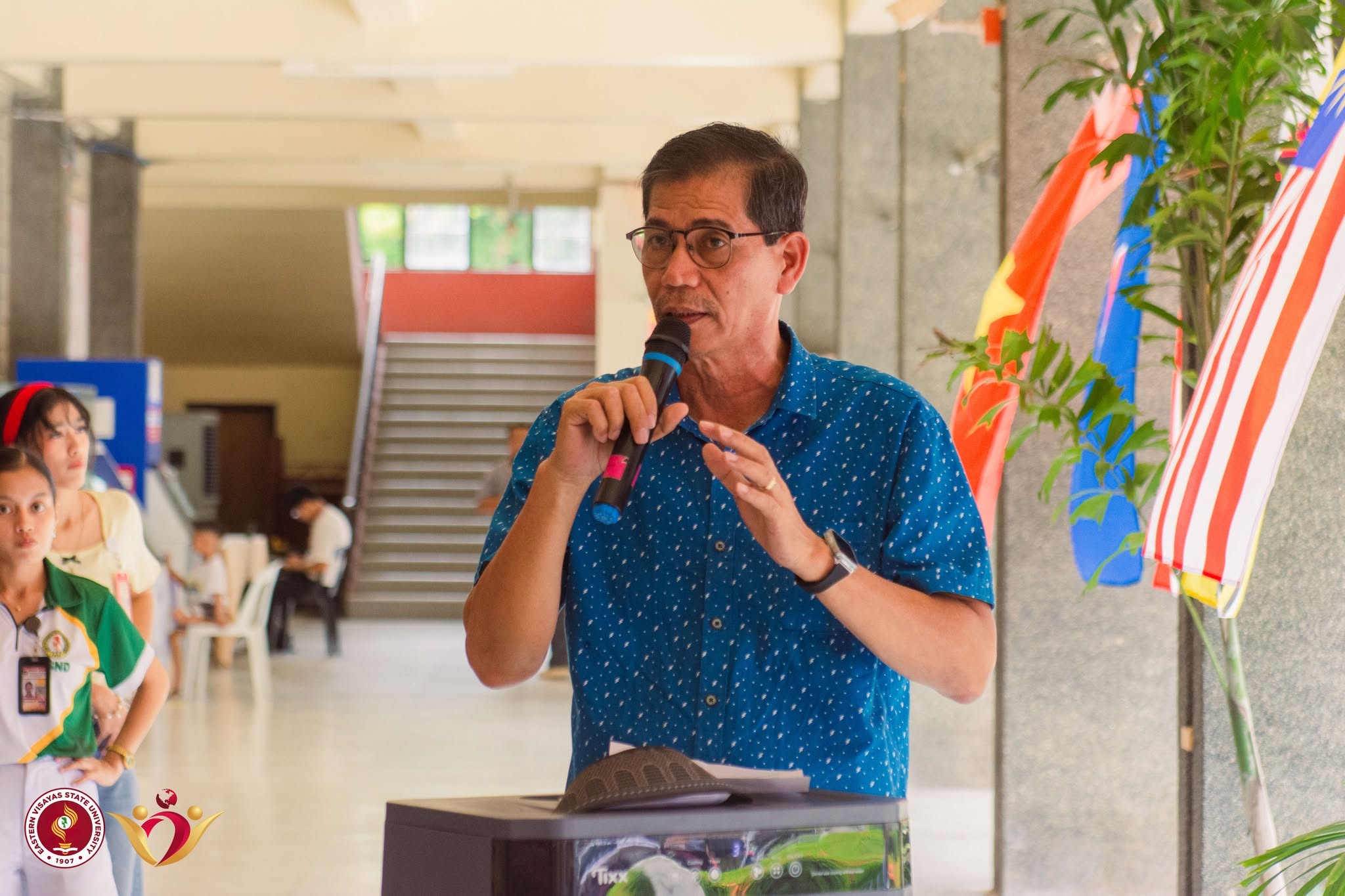
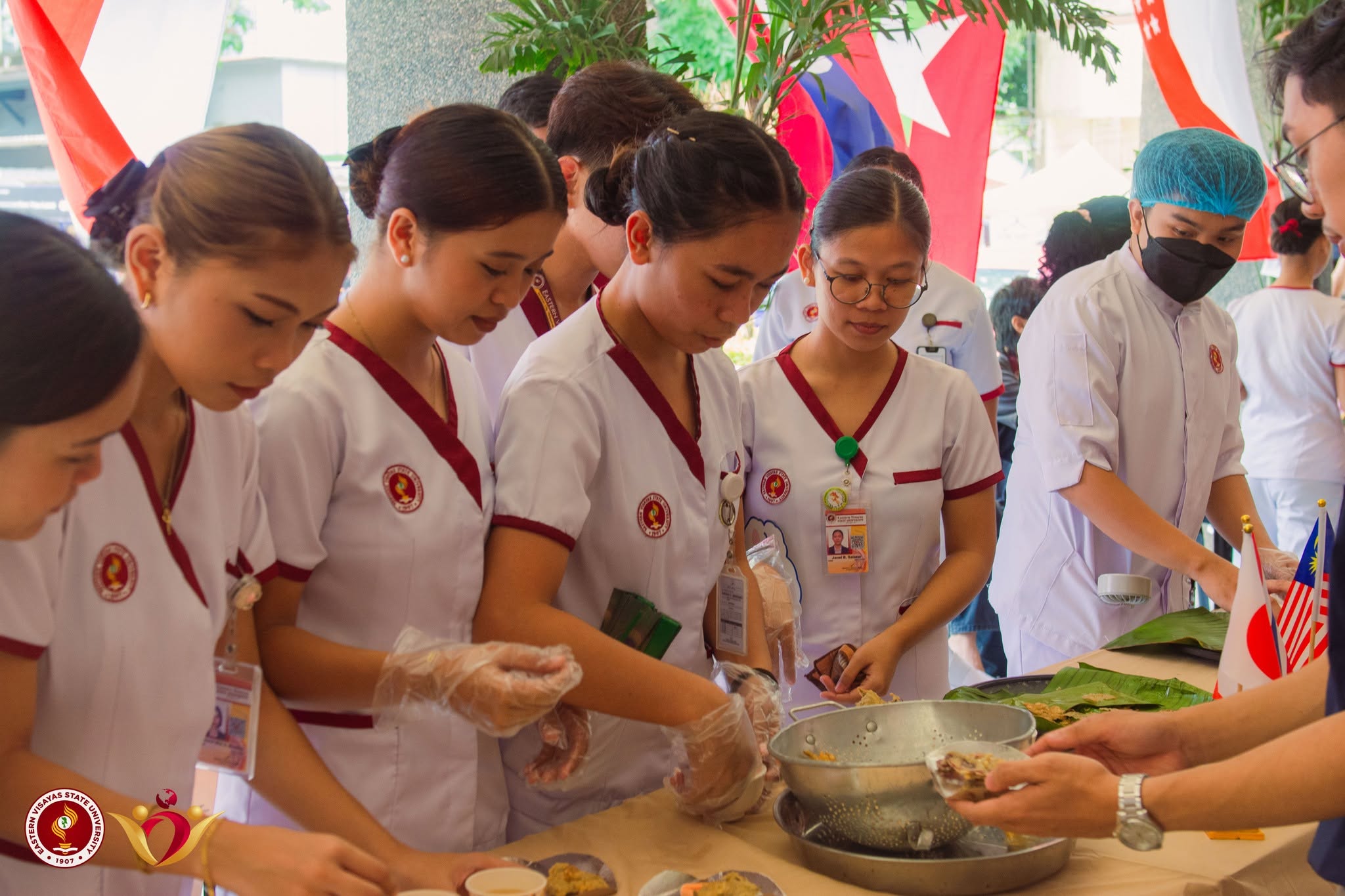
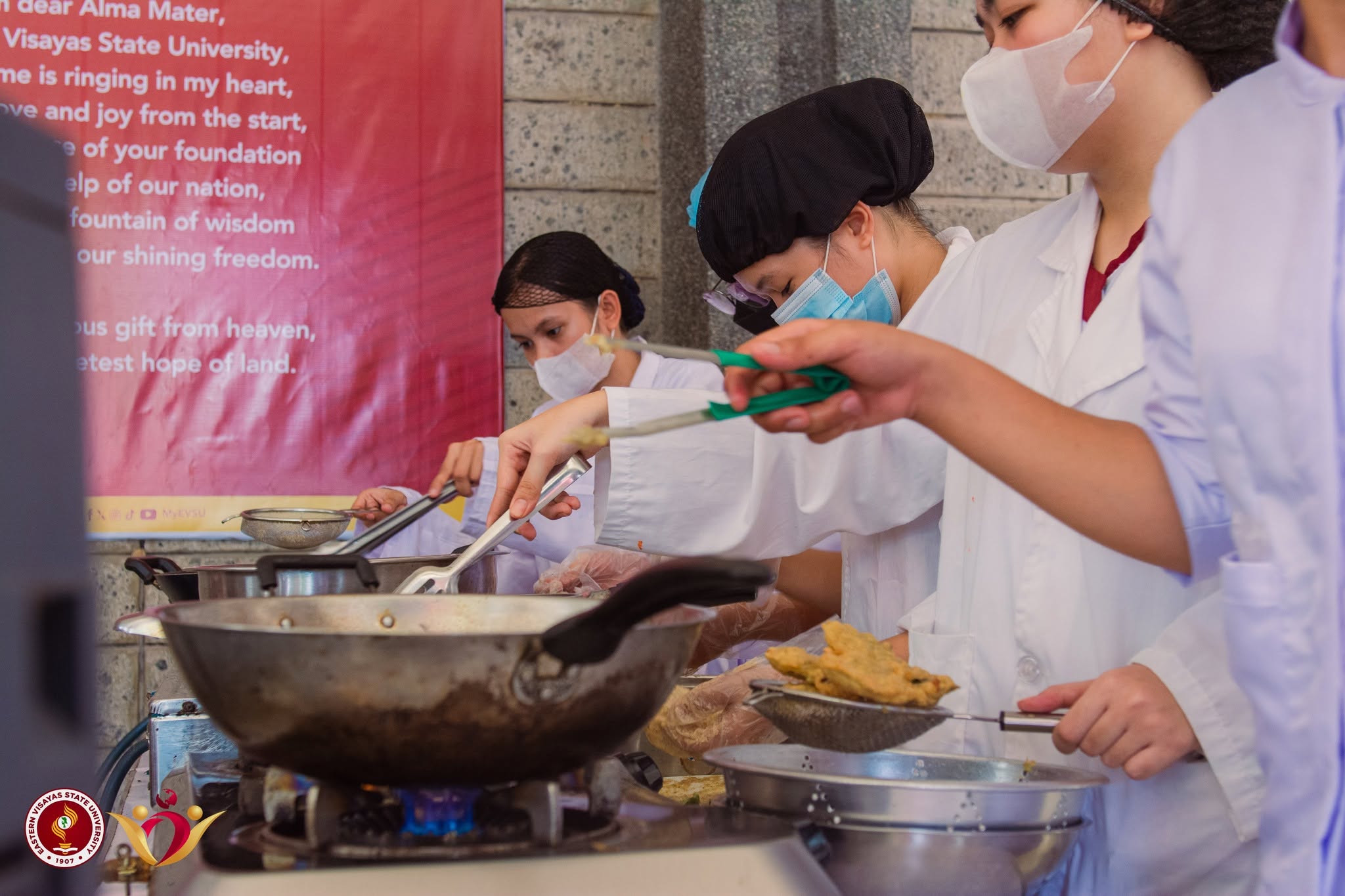
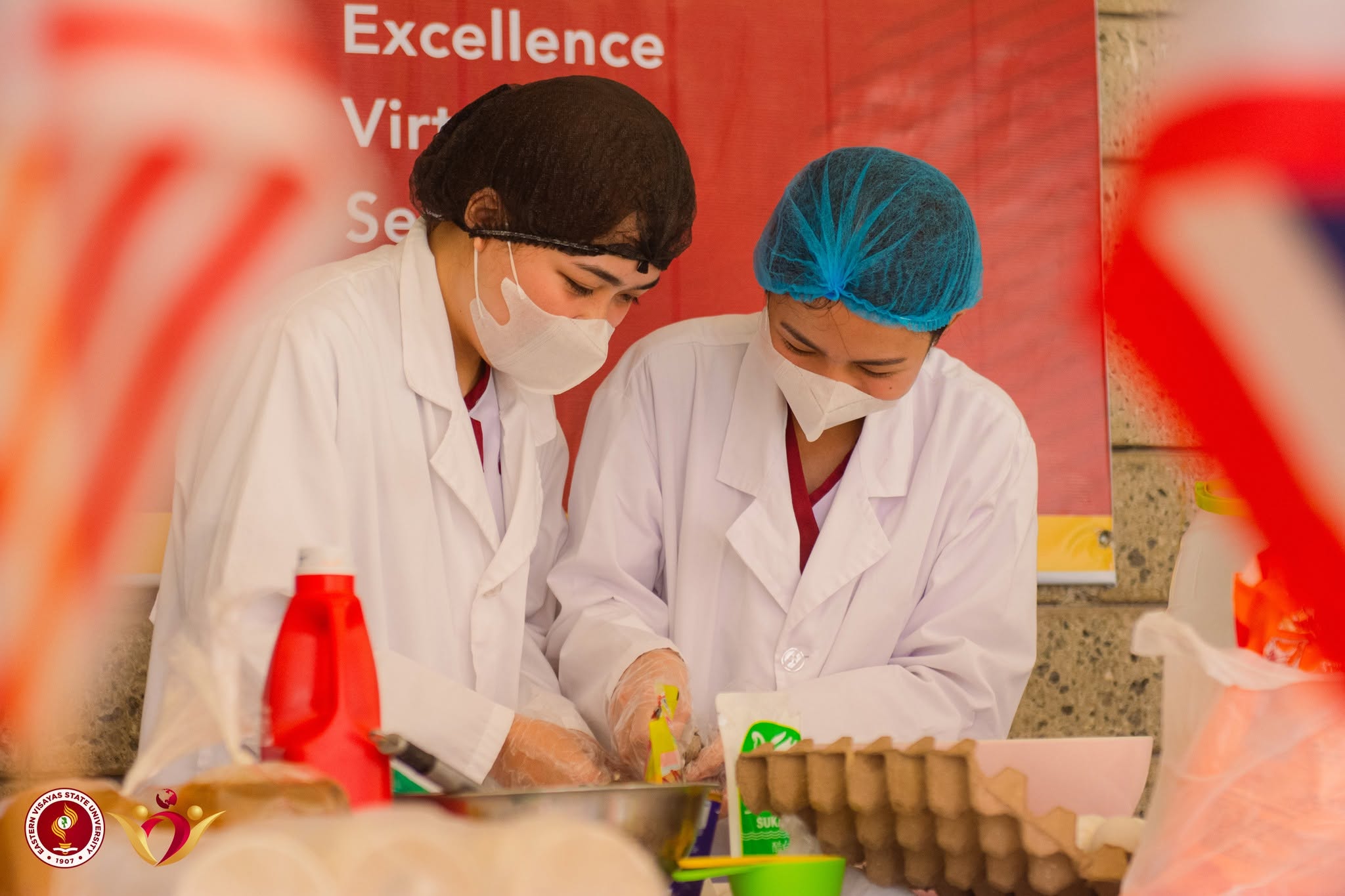
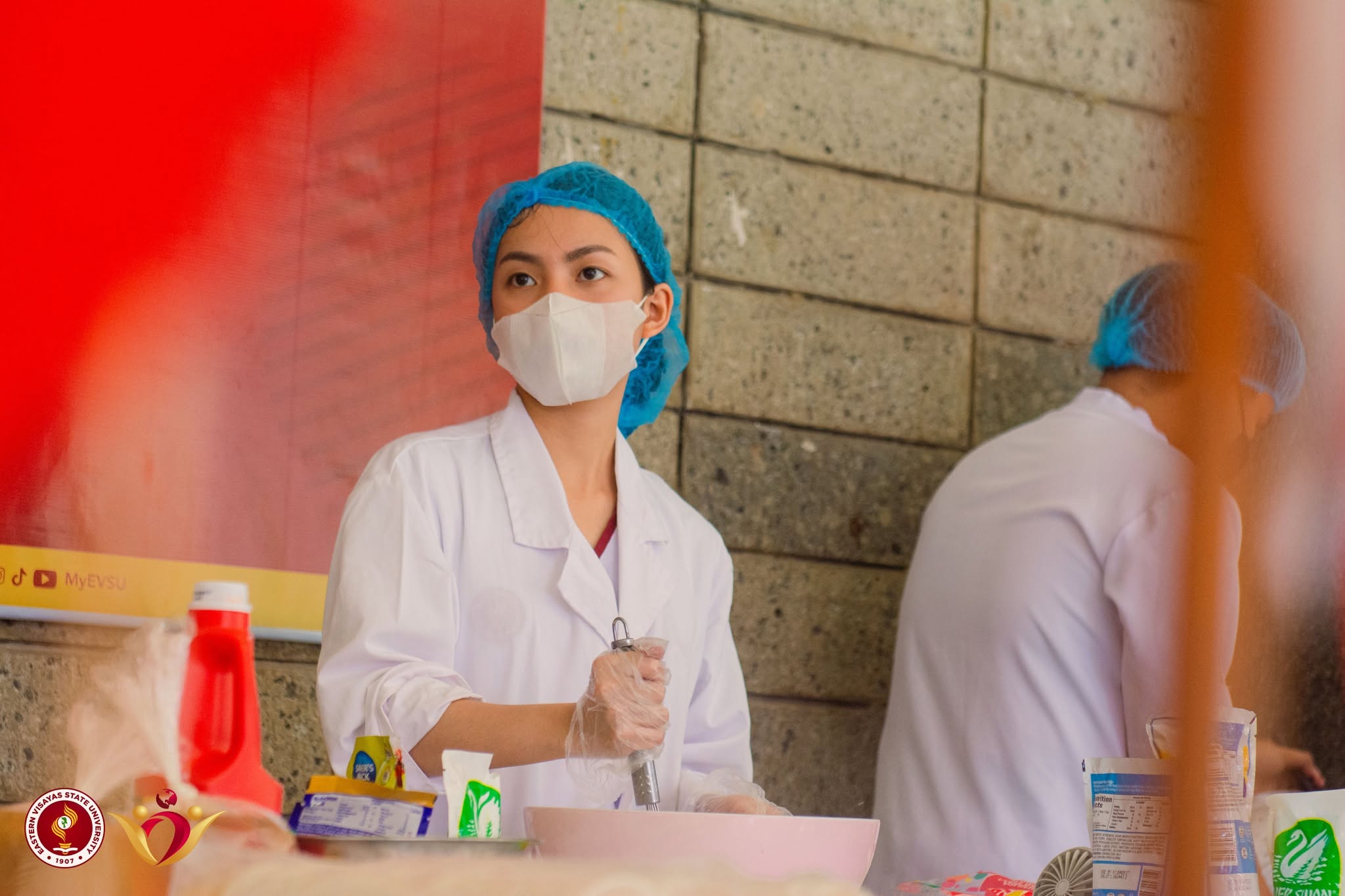
This was the intriguing idea behind “Blooming Resilience: An ASEAN-Inspired Cooking Demonstration on Edible Flowers as Post-Disaster Food,” one of the featured activities of the ASEAN Food Expo.
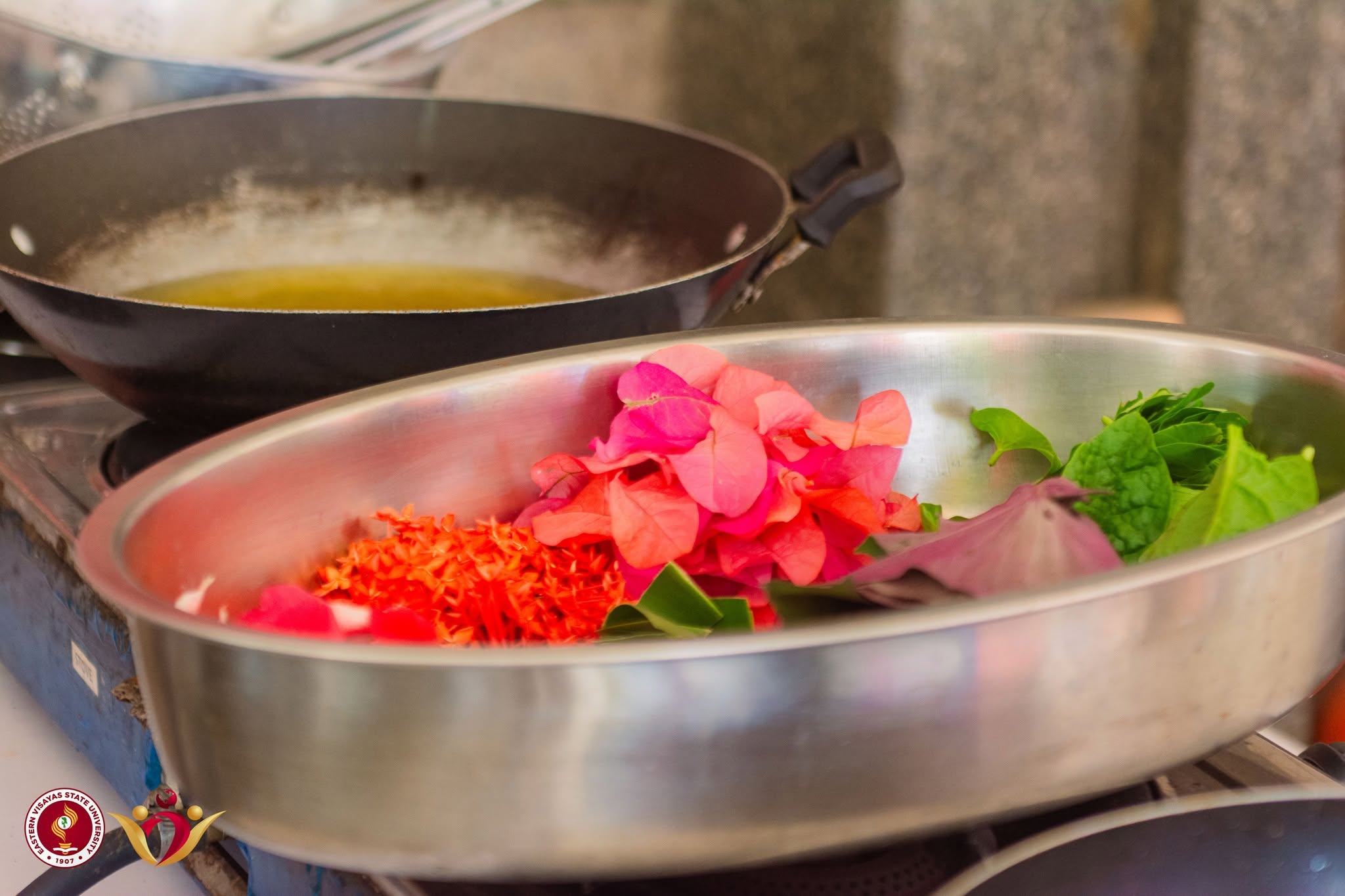
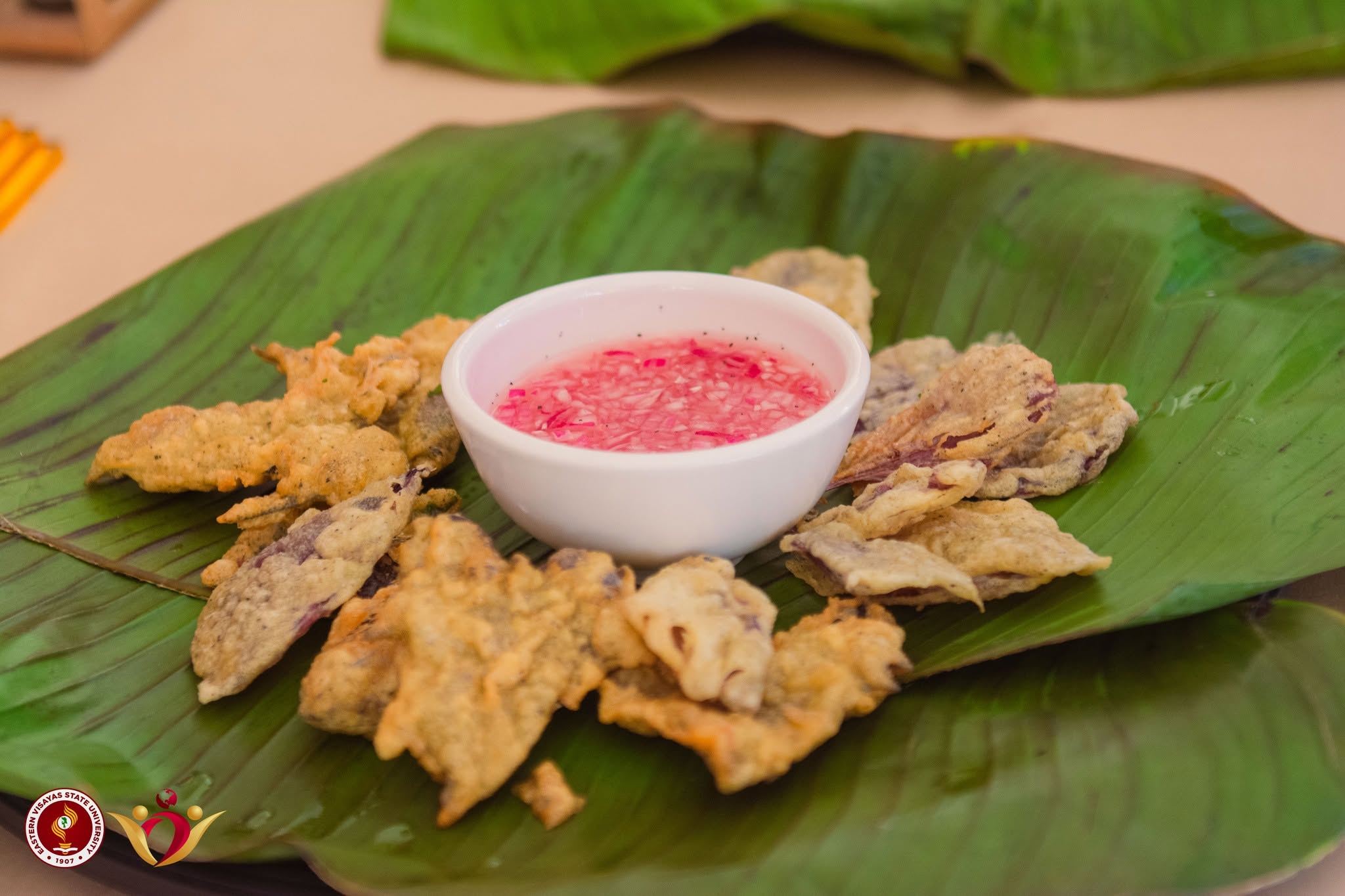
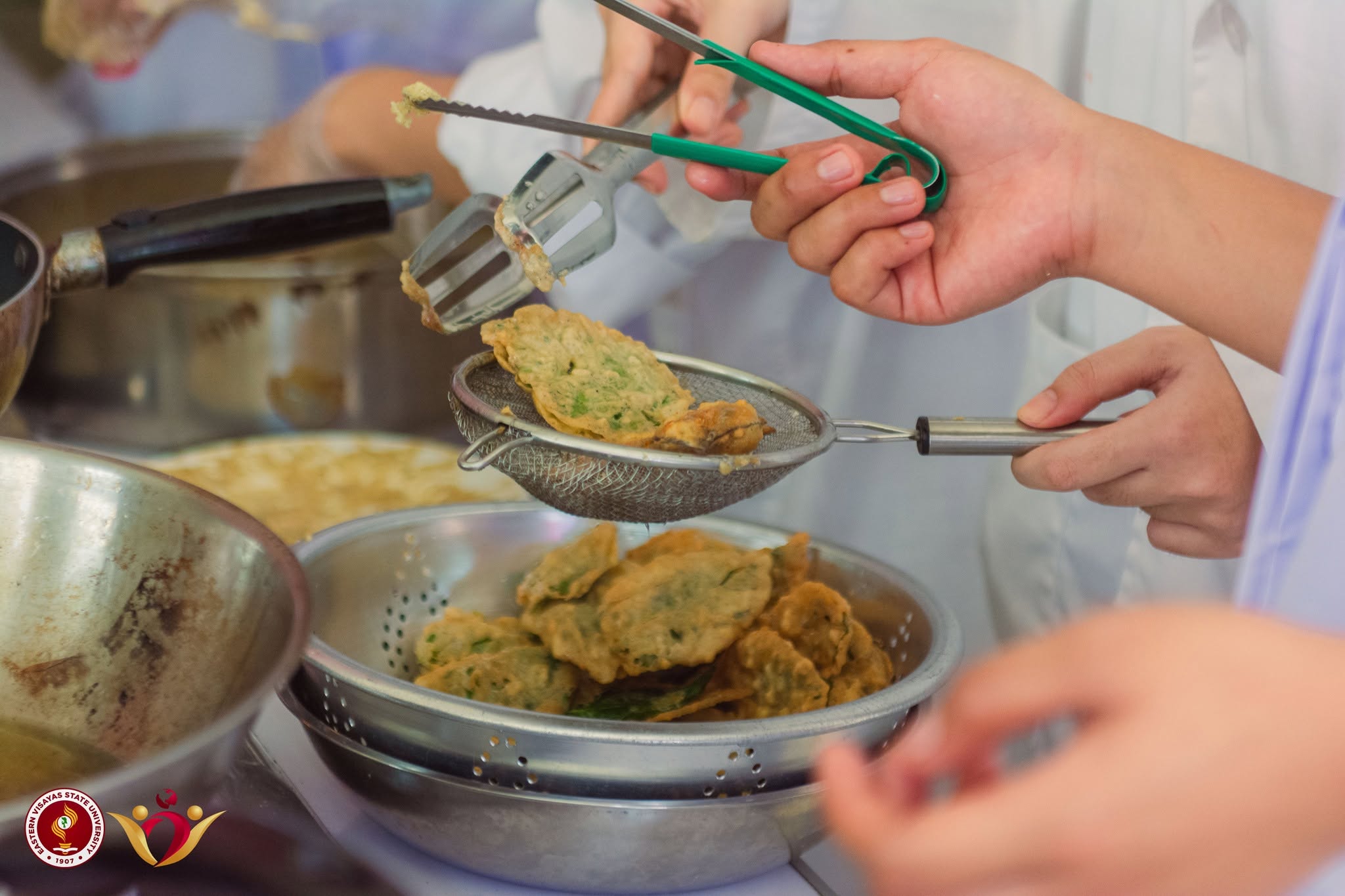
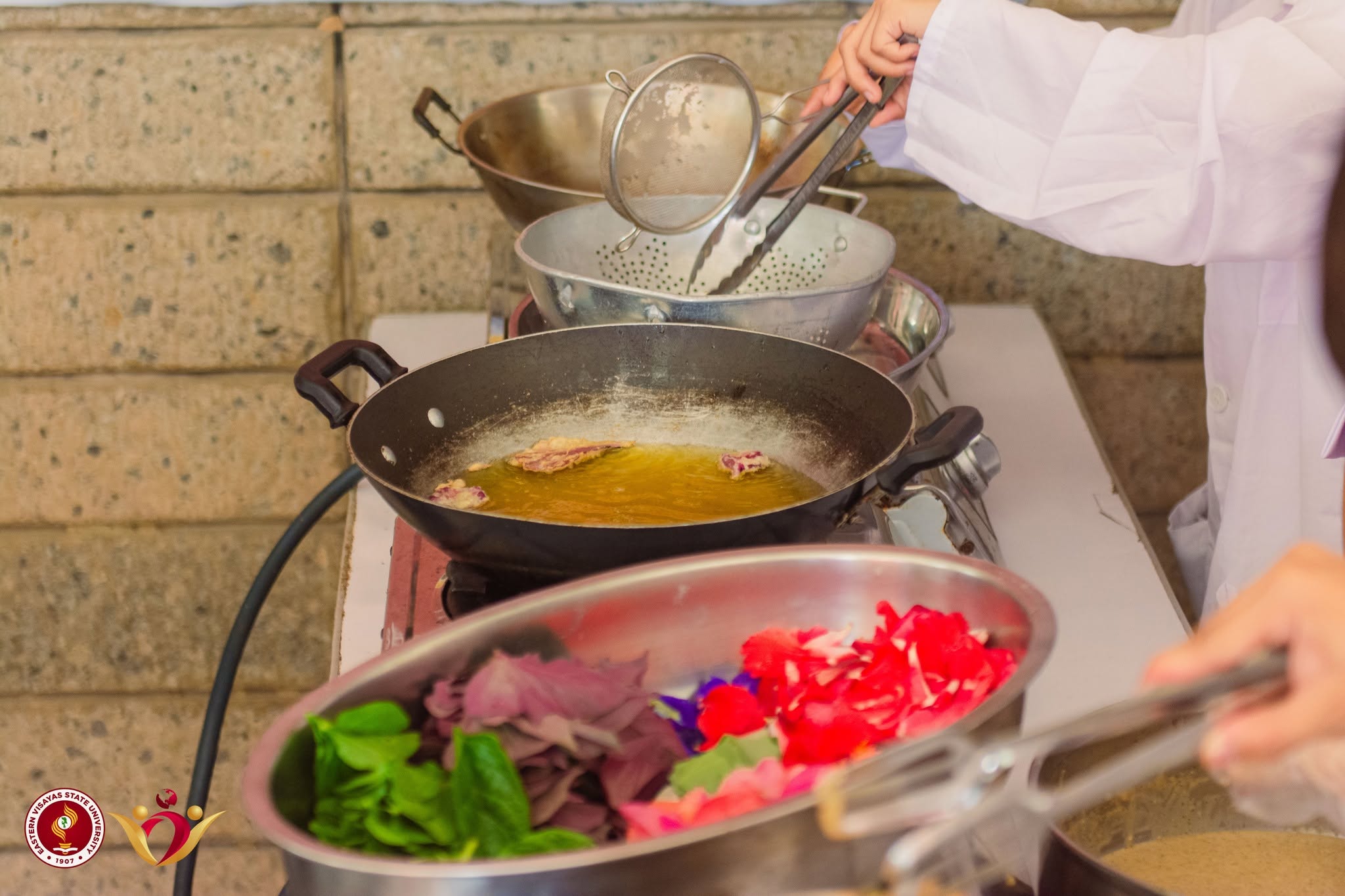
The innovative cooking demonstration spearheaded by the Society of Student Nutritionist-Dietitians, explored how plants that are commonly found in local surroundings—and some of which are remarkably resilient—can be transformed into food and beverages. More than a culinary exercise, it presented a practical lesson in resourcefulness, sustainability, and preparedness for communities facing the aftermath of disasters.
Among the plants showcased were Bougainville, Santan, gumamela, blue ternate, and kangkong, demonstrating that familiar plants can have uses beyond their ornamental or traditional purposes. The activity also featured tea made from talbos, offering a simple example of how readily available plant parts can be turned into a beverage.
The demonstration carries particular significance in disaster-prone communities, where access to conventional food sources can be disrupted. By exploring safe and appropriate alternative food resources, communities can expand their knowledge of what may be available around them while strengthening their capacity to respond to food challenges.
This spirit of resilience strongly echoes the work of the National University for Resiliency and Climate Action (NURCA) of Eastern Visayas State University (EVSU), which promotes resilience, climate action, and innovative approaches to addressing challenges faced by communities.
Through NURCA, EVSU recognizes that resilience is not simply about recovering after a disaster. It is also about preparing communities, harnessing local knowledge, finding innovative solutions, and making the most of available resources.
“Blooming Resilience” brought these ideas to the kitchen.
The cooking demonstration showed how traditional knowledge, creativity, and locally available resources can intersect to support food sustainability and community resilience. In a post-disaster setting, knowing what resources are available—and knowing how they can be safely and responsibly utilized—can become an important part of preparedness.
Of course, not every flower or plant is edible, and proper identification and food-safety knowledge are essential before consuming any wild or unfamiliar plant. The demonstration therefore served not only as an invitation to look at flowers differently, but also as a reminder to learn, verify, and use local resources responsibly.
Ultimately, the ASEAN Food Expo offered more than a showcase of culinary creativity. It opened a conversation about food security, sustainability, preparedness, and resilience.
And perhaps the most memorable lesson was this:
Sometimes, resilience is already growing around us.
It may be in a garden, a backyard, or a plant we have passed by countless times without realizing its potential.
With knowledge and creativity, even something as delicate as a flower can become a symbol of survival—and a reminder that after disaster, new possibilities can bloom.
Via JFRuedas | UMDC
This article is aligned with Sustainable Development Goal (SDG) 01: SDG 02: Zero Hunger; SDG 04: Quality Education; SDG 09: Industry, Innovation, Technology and Infrastructure; SDG 11: Sustainable Cities and Communities; SDG 12: Responsible Consumption and Production; SDG 13: Climate Action; and SDG 17: Partnerships for the Goals