Sustainable Development Goal 4
Policy Statement
In reference to the Enhanced Basic Education Act (R.A. 10533), the Universal Access to Quality Tertiary Education Act (R.A. 10931), and Commission on Higher Education (CHED) Memorandum Orders integrating the Sustainable Development Goals in higher education, Eastern Visayas State University (EVSU) reaffirms its mandate to provide accessible, inclusive, equitable, and high-quality education that nurtures globally competitive and socially responsible graduates.
To operationalize this commitment, EVSU shall endeavor to:
Ensure Access and Equity
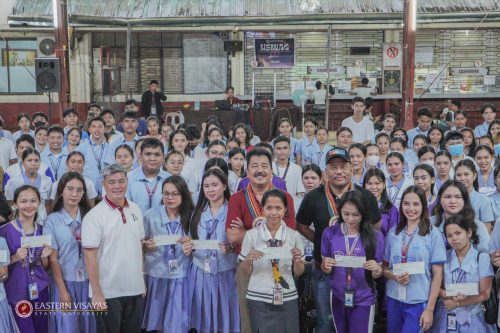
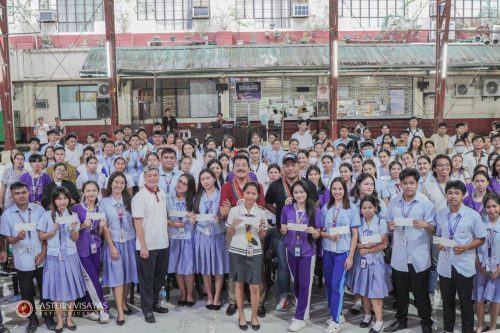
By upholding policies and programs that expand opportunities for disadvantaged, marginalized, and vulnerable learners, guaranteeing that no student is left behind.
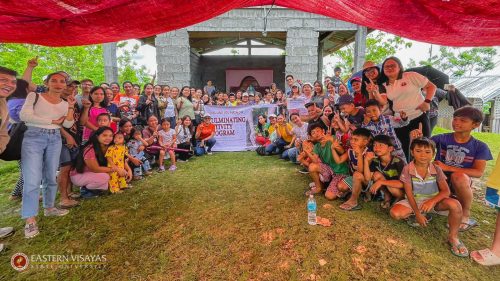
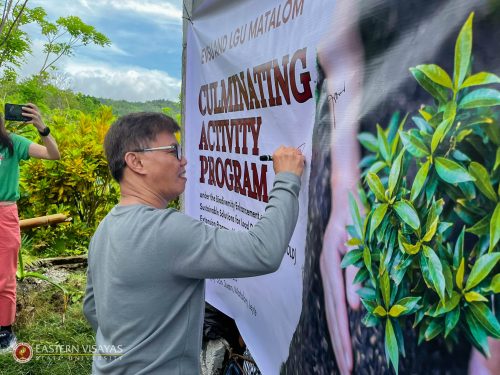
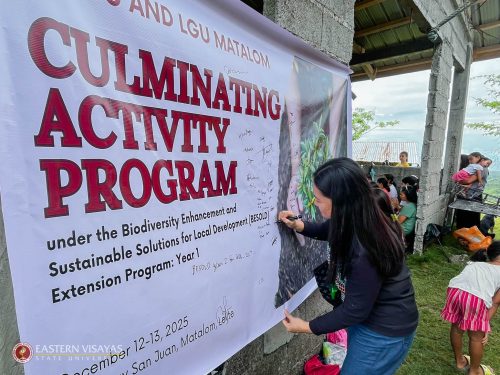
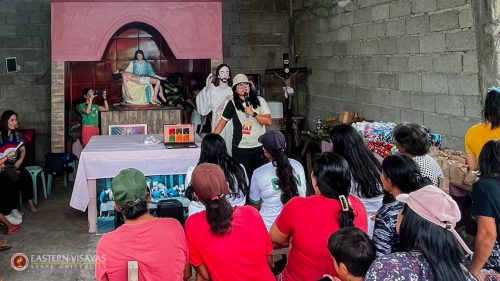
Integrate Sustainability, Resiliency, and Climate Action
Across academic programs, research, and extension initiatives to prepare graduates as leaders in addressing global and local development challenges.
Advance Academic Excellence and Innovation
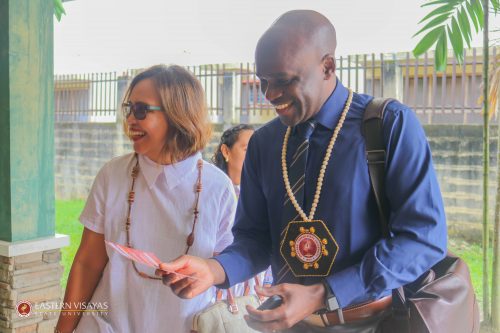
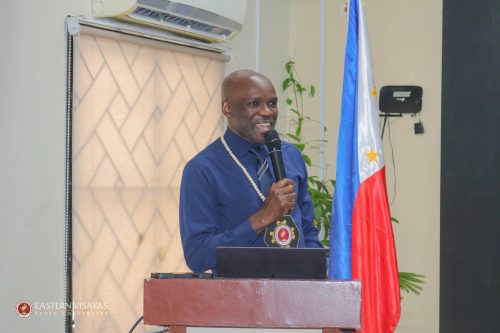
By adopting outcomes-based and learner-centered pedagogies, digital learning platforms, flexible learning modalities, and global best practices in teaching and research.
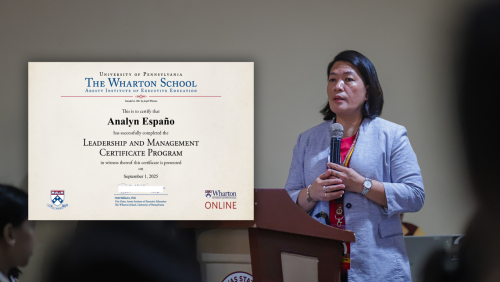
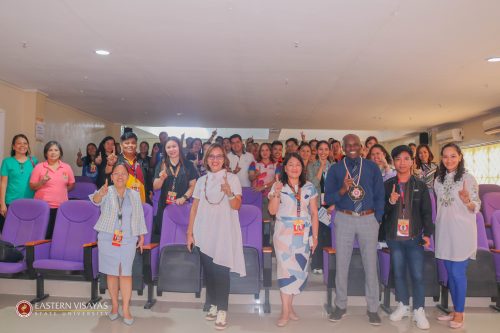
Strengthen Faculty Development and Academic Leadership
Through continuous training, advanced studies, international linkages, and professional development programs.
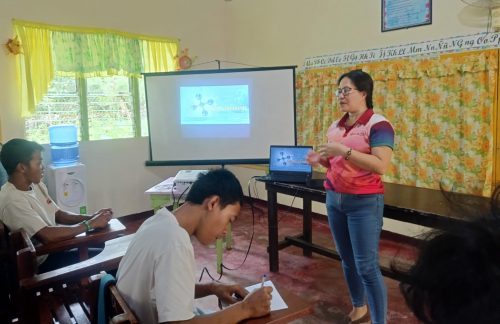
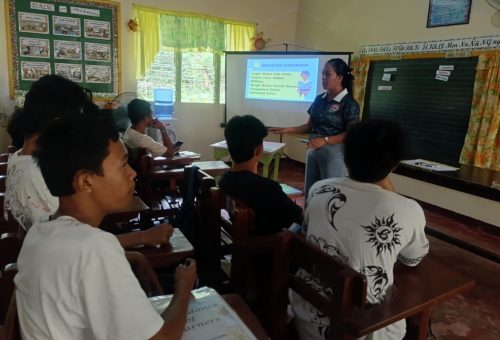
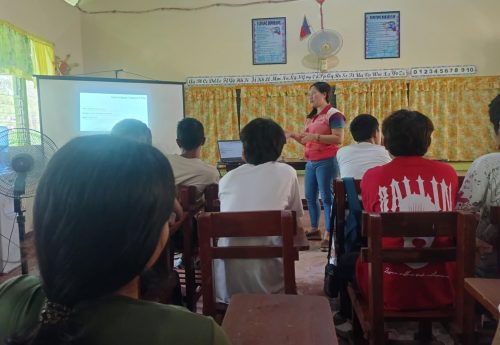
Promote Lifelong Learning
By supporting continuing education, technical-vocational programs, micro-credentials, and alternative learning pathways for diverse learners and professionals.



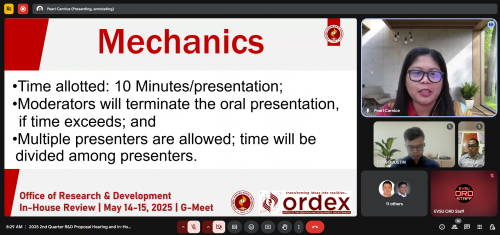
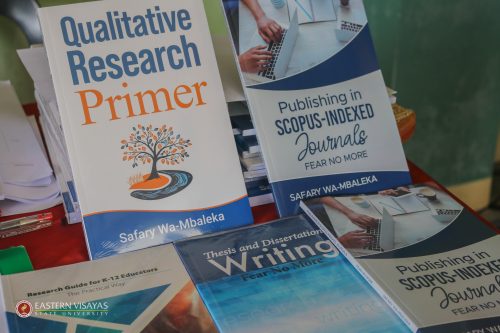
Foster research and knowledge production
That generates innovative, interdisciplinary, and community-responsive solutions aligned with national development priorities and the UN SDGs.

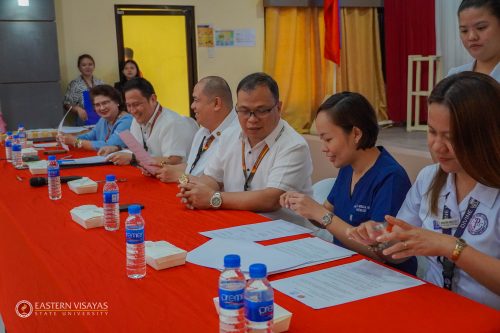
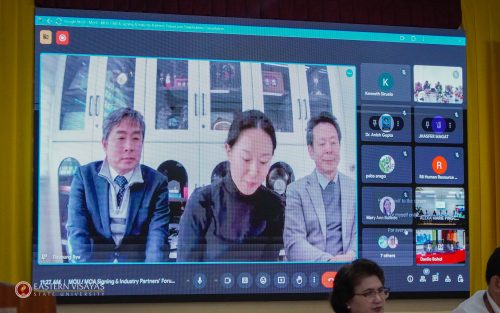
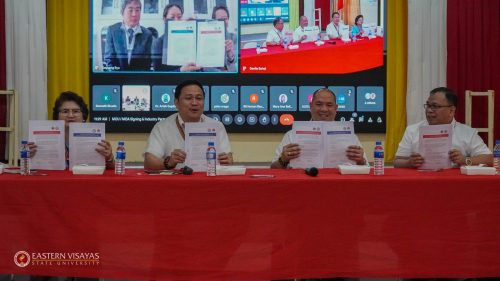
Build Global Partnerships
With academic institutions, industries, and international organizations to enhance student mobility, faculty exchanges, collaborative research, and cross-cultural learning opportunities.
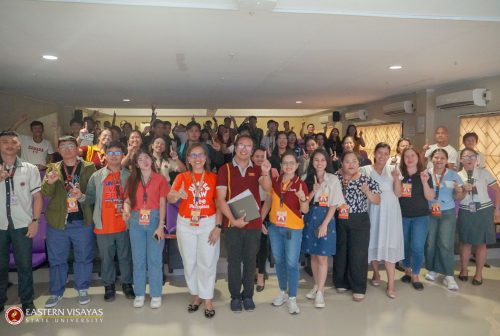
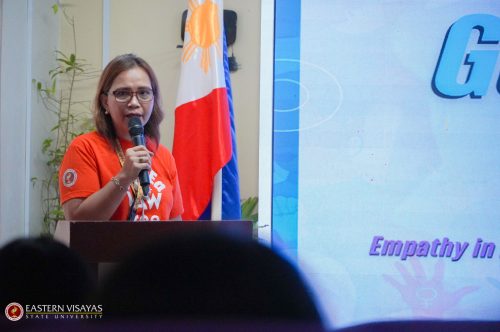
Institutionalize inclusive learning environments
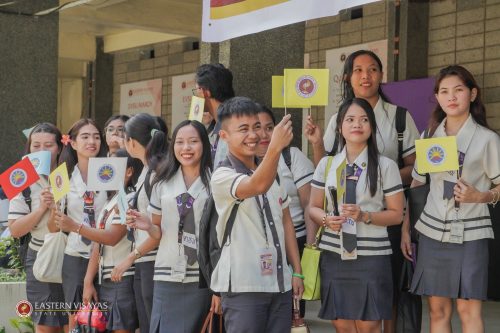
That embrace cultural diversity, gender sensitivity, and the needs of persons with disabilities (PWDs) and indigenous peoples.
Through these commitments, EVSU envisions itself as a leading model of quality, inclusive, and sustainable higher education that empowers graduates to be agents of transformation and resilience in the Eastern Visayas region and beyond.
Proportion of Graduates with Teaching Qualification
Academic Contributions to Teacher Education and Graduate Outcomes
Eastern Visayas State University (EVSU) remains steadfast in its commitment to preparing competent, professionally qualified, and service-oriented educators who contribute to advancing quality, inclusive, and equitable education in the Philippines. Through its diverse teacher education programs, including Elementary Education, Secondary Education, Technology and Livelihood Education, Technical-Vocational Teacher Education, Culture and Arts Education, and Physical Education, the University develops future educators equipped with the pedagogical competencies, subject-specific knowledge, and practical teaching skills necessary to respond to the evolving needs of learners and the basic education sector.
Guided by the standards and policies of the Commission on Higher Education (CHED) and the applicable professional requirements of the Professional Regulation Commission (PRC), EVSU’s teacher education programs integrate theoretical instruction, competency-based learning, and supervised teaching internships. Through practice teaching in partner public and private schools, pre-service teachers gain practical classroom experience and develop essential competencies in instructional planning, teaching strategies, learner assessment, classroom management, and inclusive, learner-centered education. These experiences help bridge academic preparation and professional practice, enabling graduates to apply their knowledge and skills in diverse educational settings.
The University’s teacher education programs address a broad spectrum of learning needs, ranging from foundational literacy and numeracy in elementary education to specialized subject instruction, technical-vocational and livelihood competencies, physical education, and culture and arts education. This breadth of academic offerings reinforces EVSU’s contribution to developing a diverse pool of prospective educators capable of supporting holistic learner development and responding to the varied instructional demands of primary and secondary education and related learning environments.
EVSU further strengthens the quality and relevance of its teacher preparation through outcomes-based education, periodic curriculum review, and the continuous enhancement of instructional resources, teaching laboratories, and learning facilities. Collaboration with the Department of Education (DepEd), partner schools, and other education stakeholders helps align academic preparation and teaching practice with the requirements of basic education, emerging pedagogical approaches, and the changing needs of the teaching profession. These quality assurance and collaboration mechanisms support the University’s continuing efforts to improve teacher preparation and produce graduates who are responsive to the demands of contemporary education.
The University’s sustained commitment is reflected in its graduate data for 2023–2025. During this period, EVSU consistently produced more than 1,200 graduates annually with relevant qualifications for teaching, underscoring the continuing contribution of its teacher education programs to the development of the teaching workforce. In S.Y. 2024 -2025, EVSU recorded 1,429 graduates with relevant teaching qualifications out of 4,484 total graduates, equivalent to 31.9% of the University’s total graduating population. This represents an increase of 192 teaching-qualified graduates and a 2.8-percentage-point improvement in their proportion relative to the previous year, surpassing the 2023 proportion by 0.5 percentage points.
The 2025 results demonstrate a recovery in both the number and proportion of graduates with teaching qualifications, highlighting the continued significance of teacher education within EVSU’s academic offerings. Moreover, the increase in graduate numbers across all six reported teacher education programs between 2024 and 2025 reflects a broad-based improvement in the University’s production of prospective educators rather than growth concentrated in a single program. These outcomes reinforce EVSU’s role in preparing future teachers across diverse disciplines and educational contexts.
| PROGRAM / CATEGORY | S.Y. 2022-2023 | S.Y. 2023-2024 | S.Y. 2024-2025 | S.Y. 2025-2026 |
|---|---|---|---|---|
| Number of Graduates across campuses | 4,567 | 4,258 | 4,484 | – |
| Total Number of graduates with relevant qualifications for teaching | 1,433 | 1,237 | 1,429 | – |
| Bachelor of Science in Elementary Education | 226 | 228 | 251 | – |
| Bachelor of Science in Secondary Education | 543 | 412 | 503 | – |
| Bachelor of Technology and Livelihood Education | 188 | 133 | 149 | – |
| Bachelor of Technical-Vocational Teacher Education | 248 | 185 | 228 | – |
| Bachelor of Culture and Arts Education | 46 | 49 | 58 | – |
| Bachelor of Physical Education | 182 | 230 | 240 | – |
| Proportion of Graduates with Teaching qualifications | 31.4% | 29.1% | 31.9% | – |
EVSU ensures program relevance through the following:
- CHED-aligned Curriculum based on Outcomes-Based Education (OBE)
- Compliance with Professional Regulation Commission (PRC) standards
- Extensive Teaching Practicum in public and private schools under DepEd partnerships
- Academic and pedagogical formation built on learner-centered, inclusive, and technologically enhanced practices
- Competency development aligned to K to 12 program requirements
Through these sustained efforts, EVSU reaffirms its role in strengthening the education sector in Eastern Visayas and beyond by preparing future educators who are professionally competent, ethically grounded, inclusive in their teaching practices, and responsive to the diverse learning needs of Filipino learners. The University’s commitment to quality teacher education supports the development of a capable teaching workforce and contributes to expanding access to equitable, inclusive, and quality education for all. These mechanisms guarantee that graduates are not only qualified but are also well-prepared for the realities of classroom teaching, including literacy and numeracy challenges, digital learning transitions, and diverse learner needs.