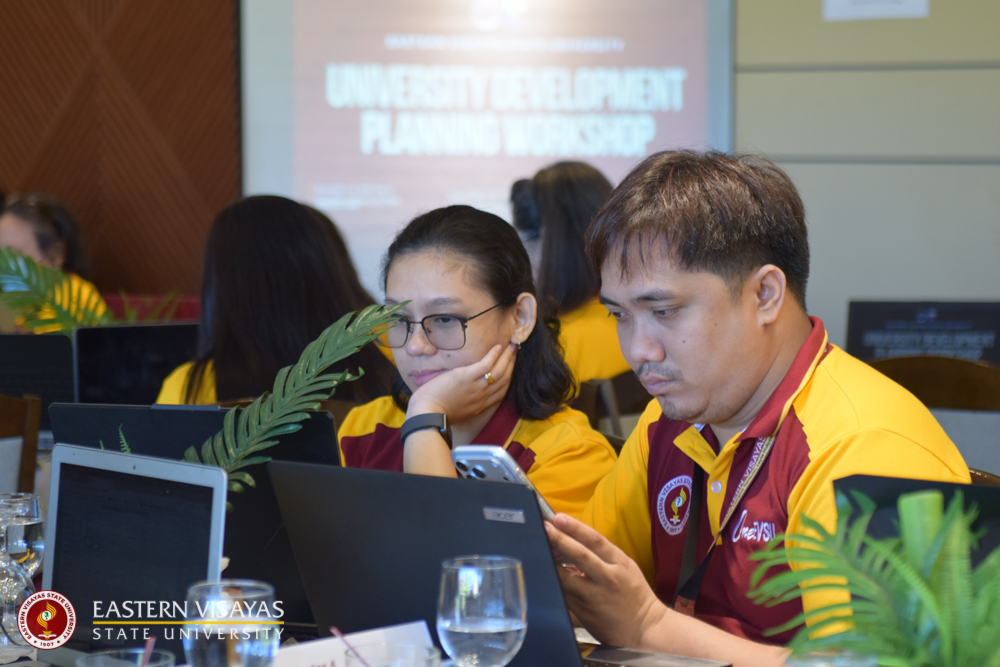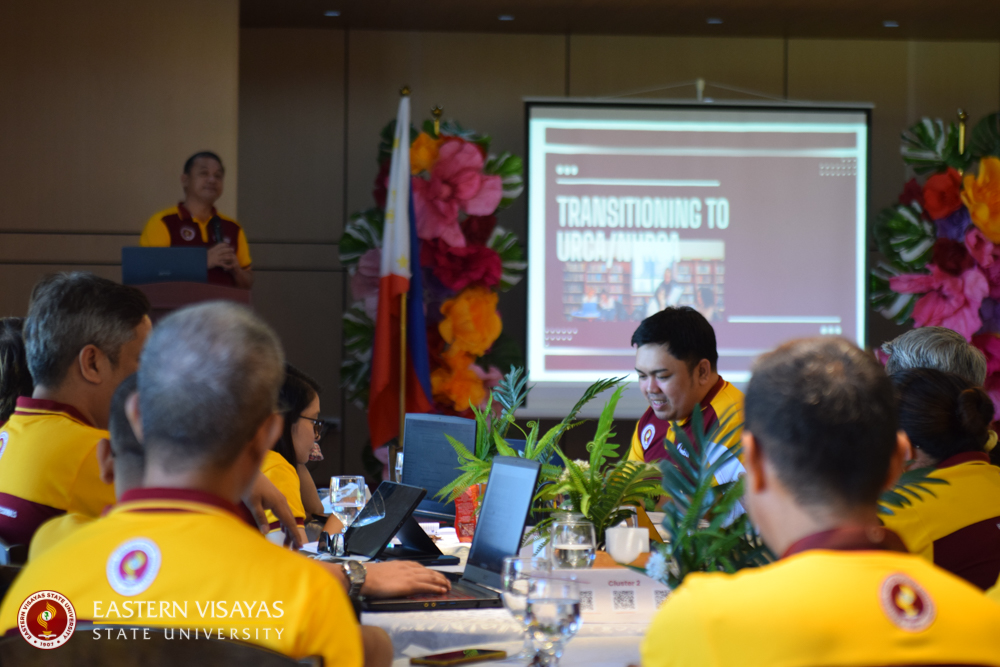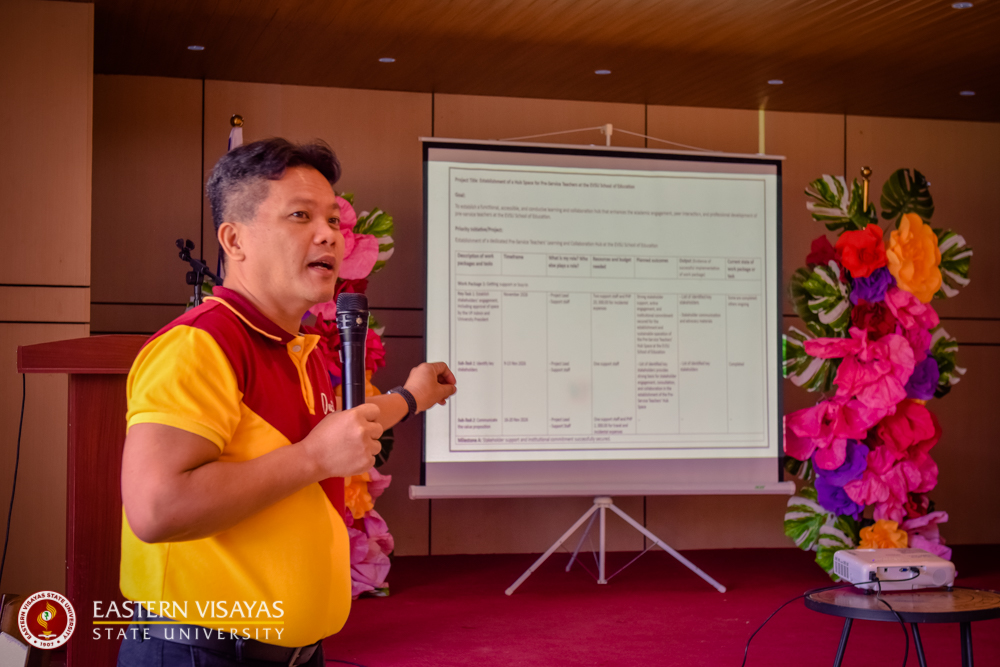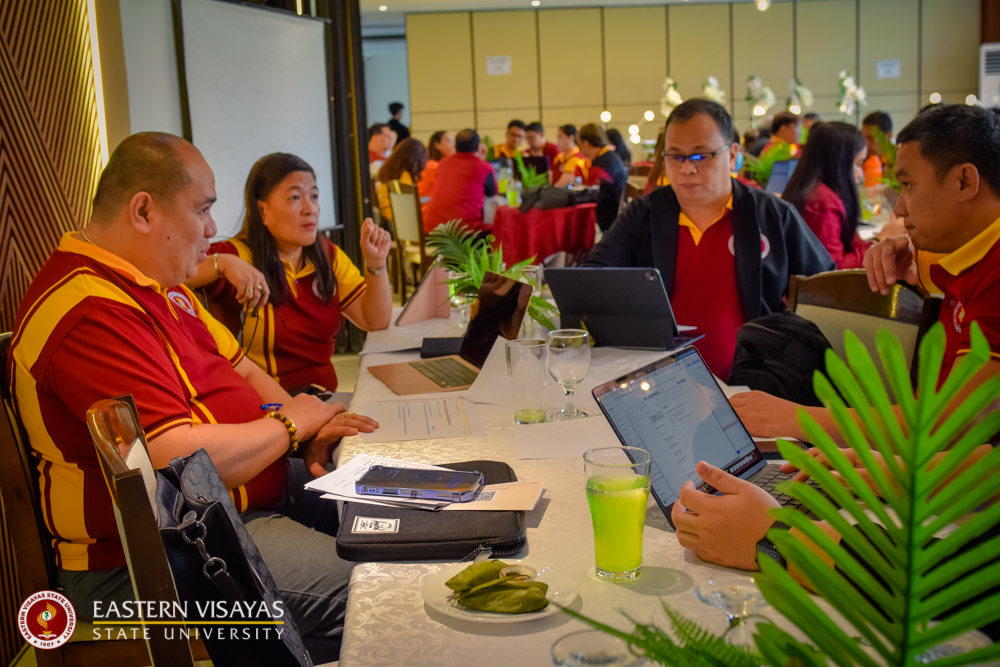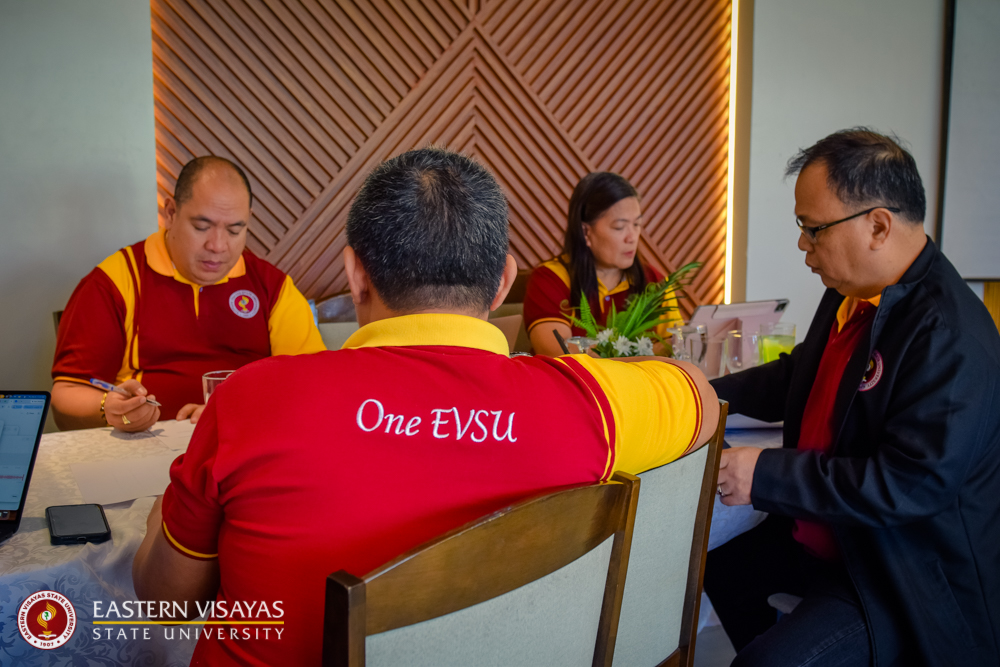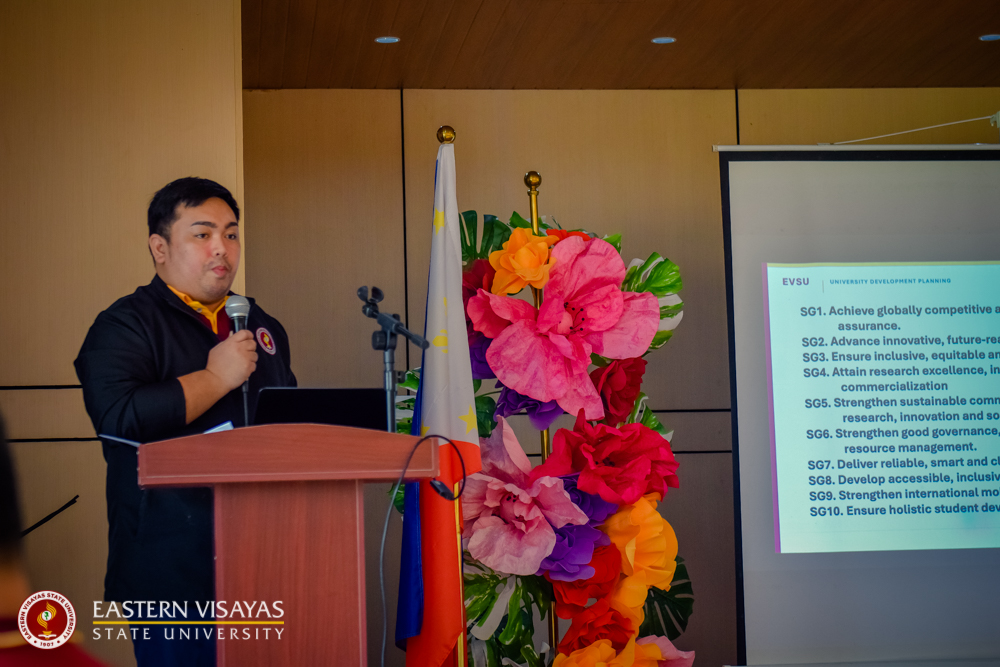

What will Eastern Visayas State University (EVSU) look like in the years ahead? And what must the university do today to turn its vision of becoming a National University for Resiliency and Climate Action (NURCA) into reality?
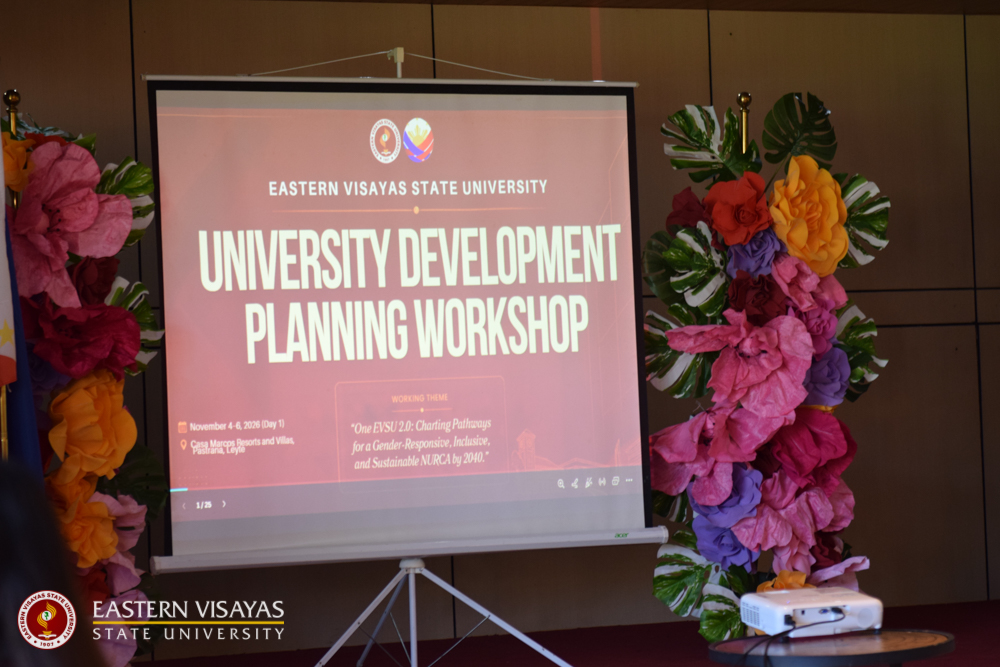
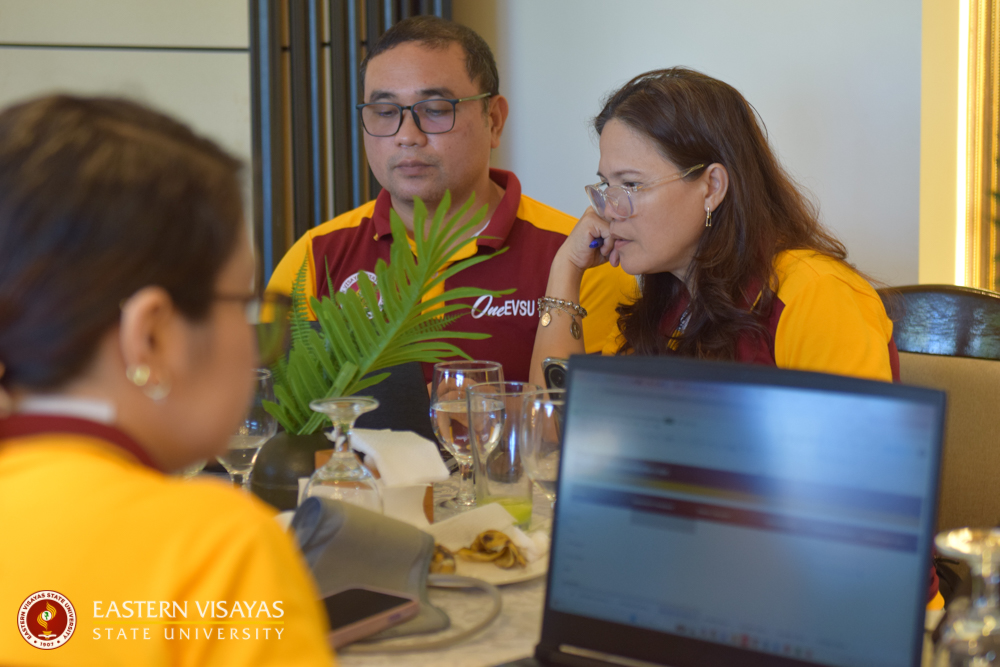
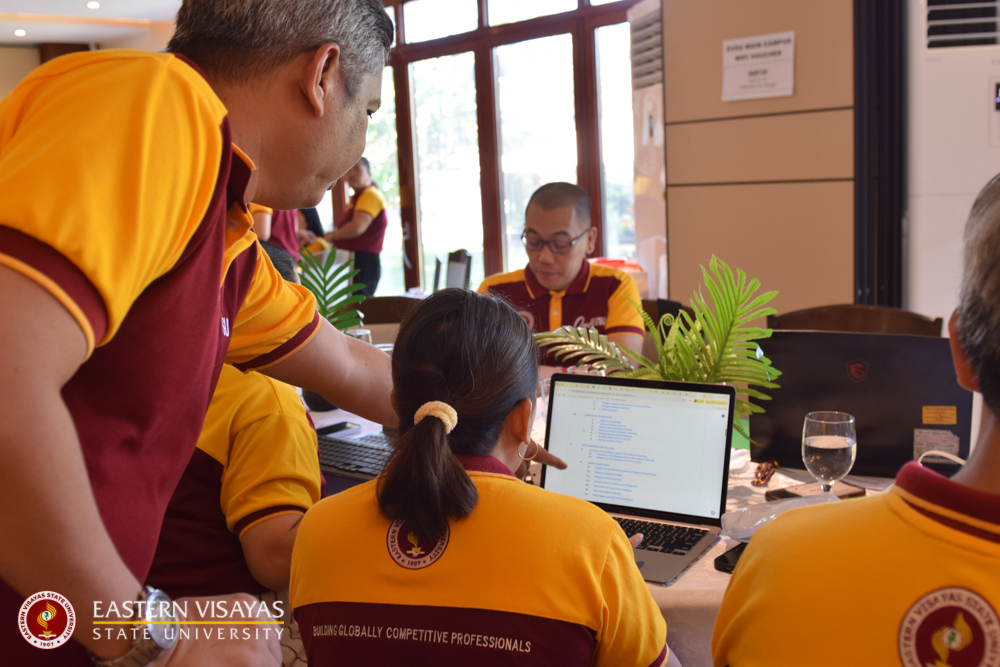
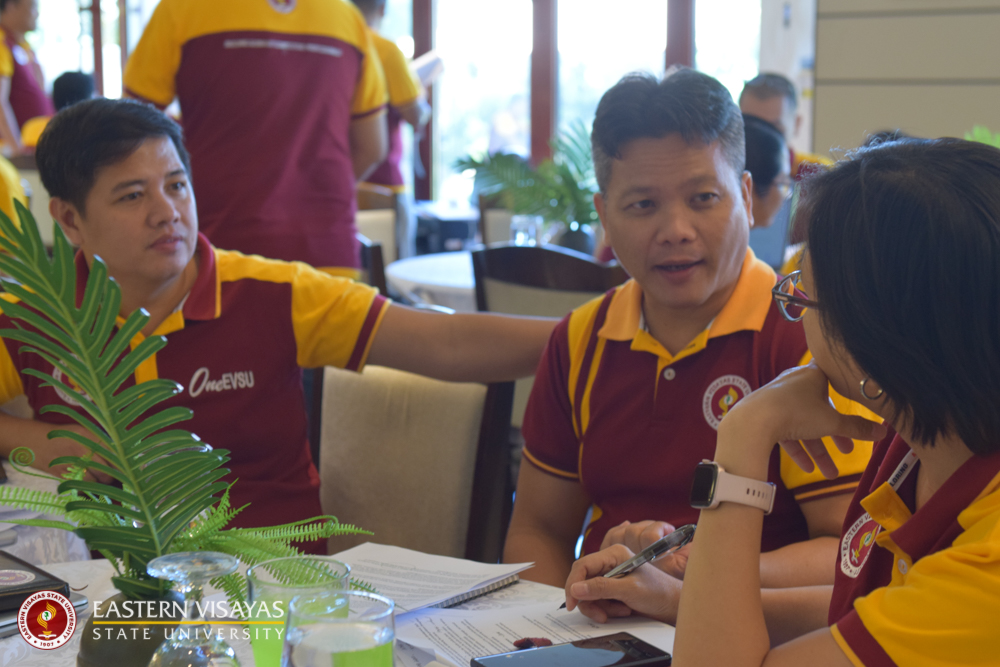
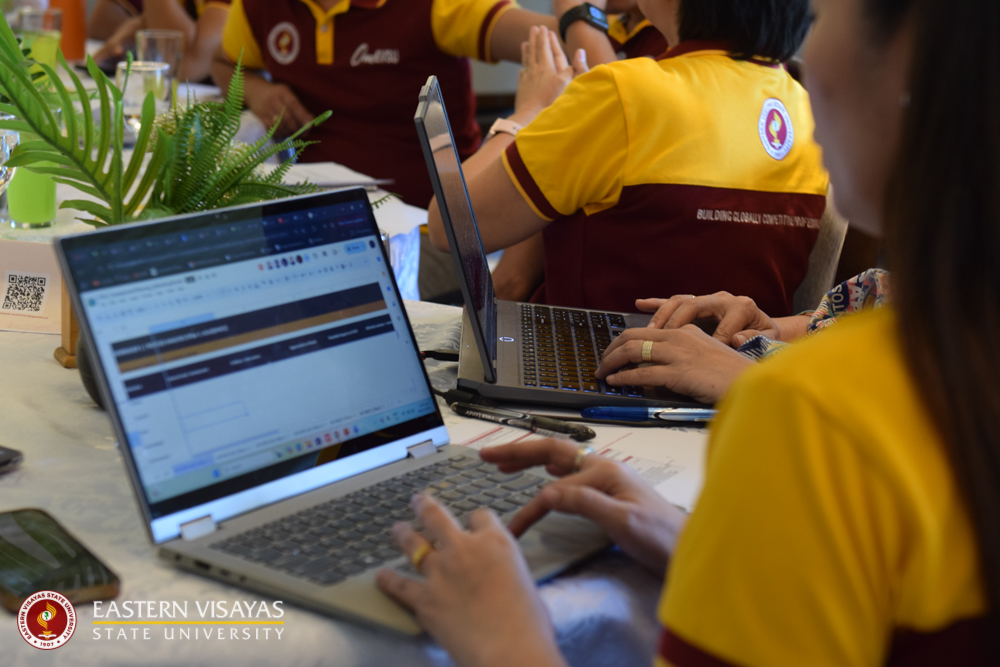
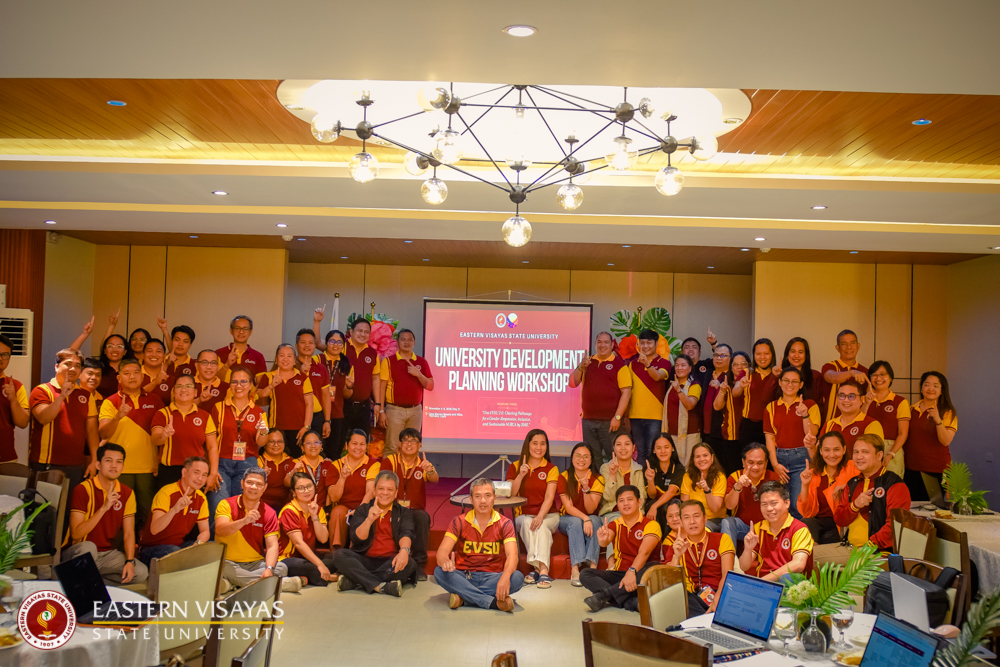
These questions guided the university’s three-day University Development Planning Workshop held on November 4–6, 2026, under the theme, “One EVSU 2.0: Charting Pathways for a Gender-Responsive, Inclusive, and Sustainable NURCA by 2040.”
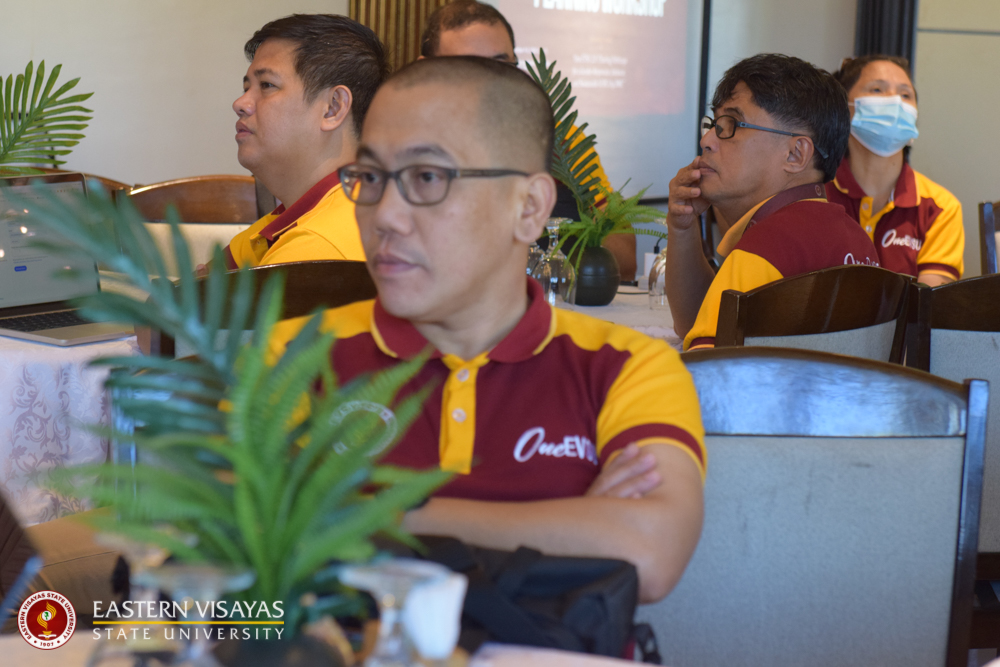
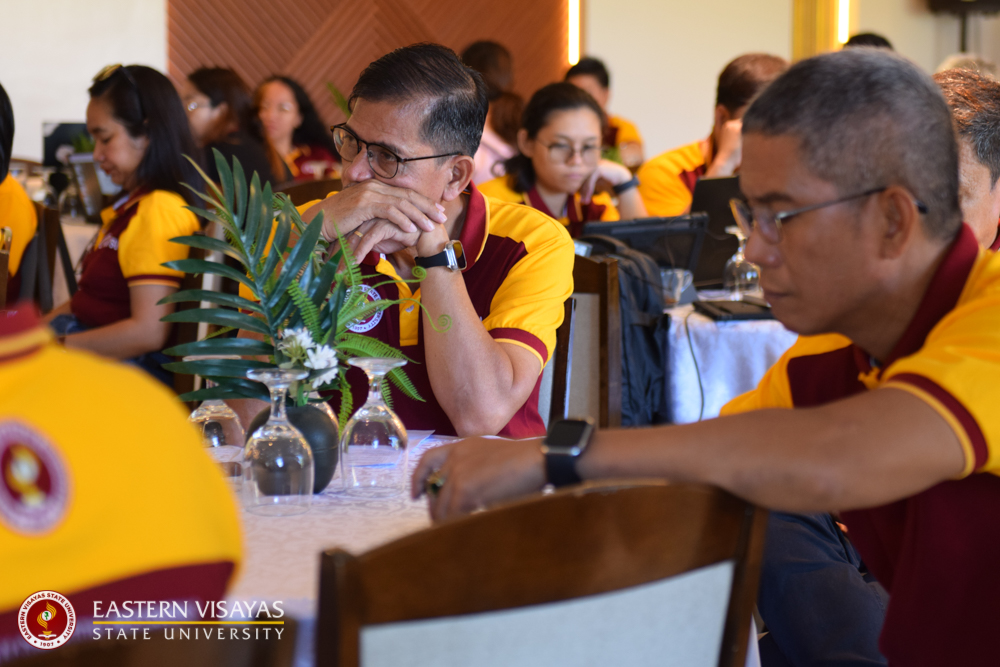
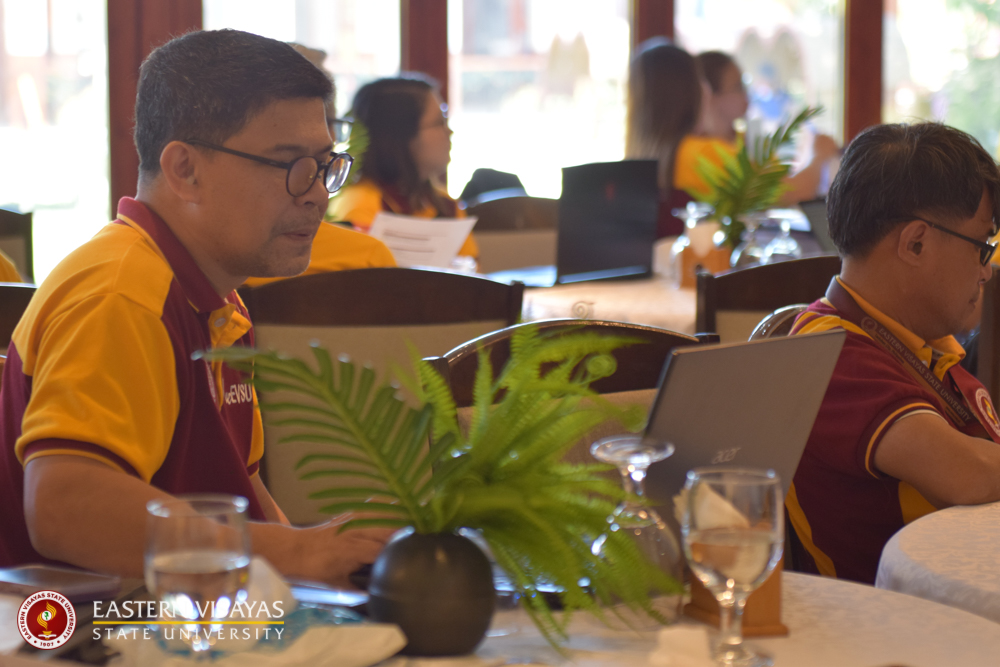
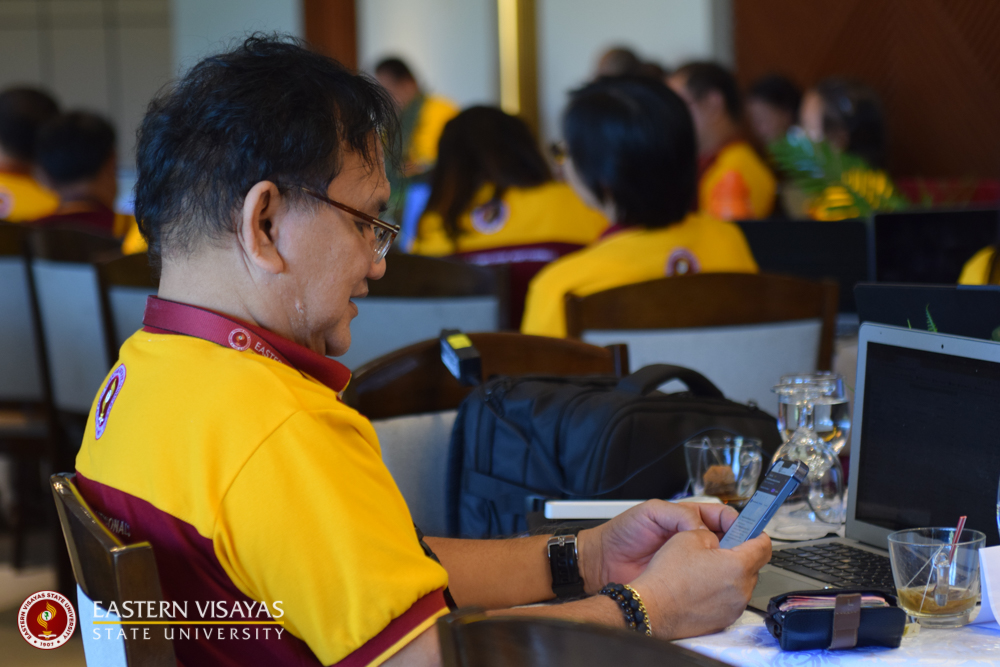
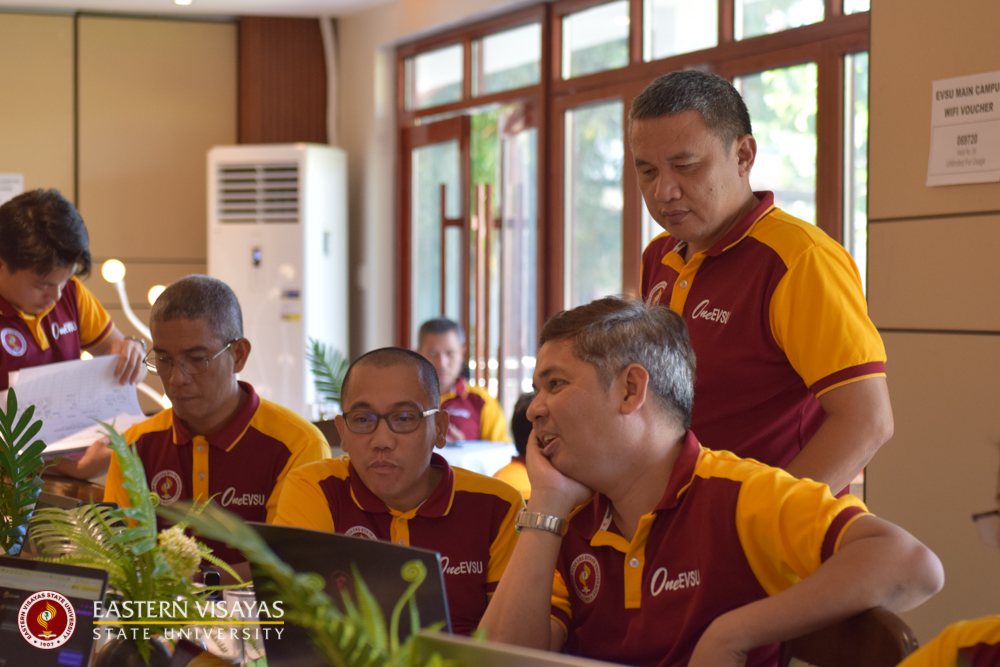
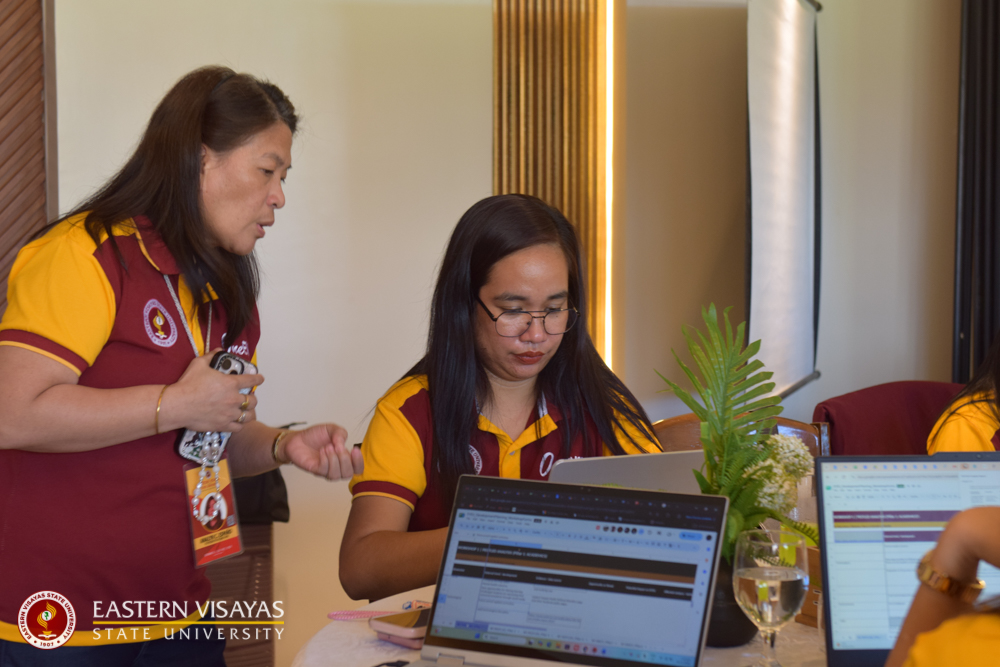
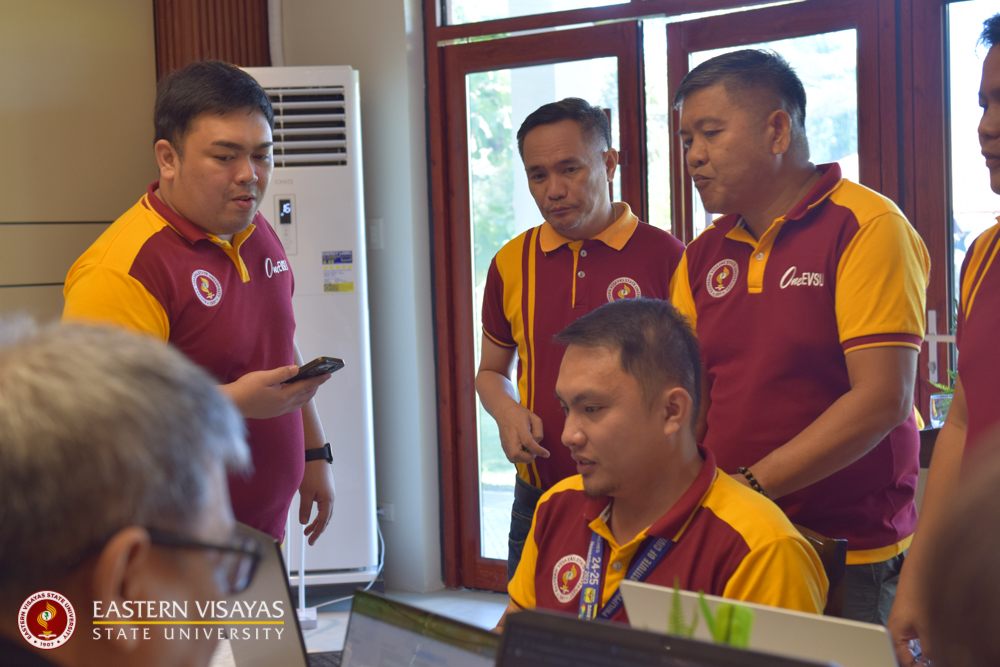
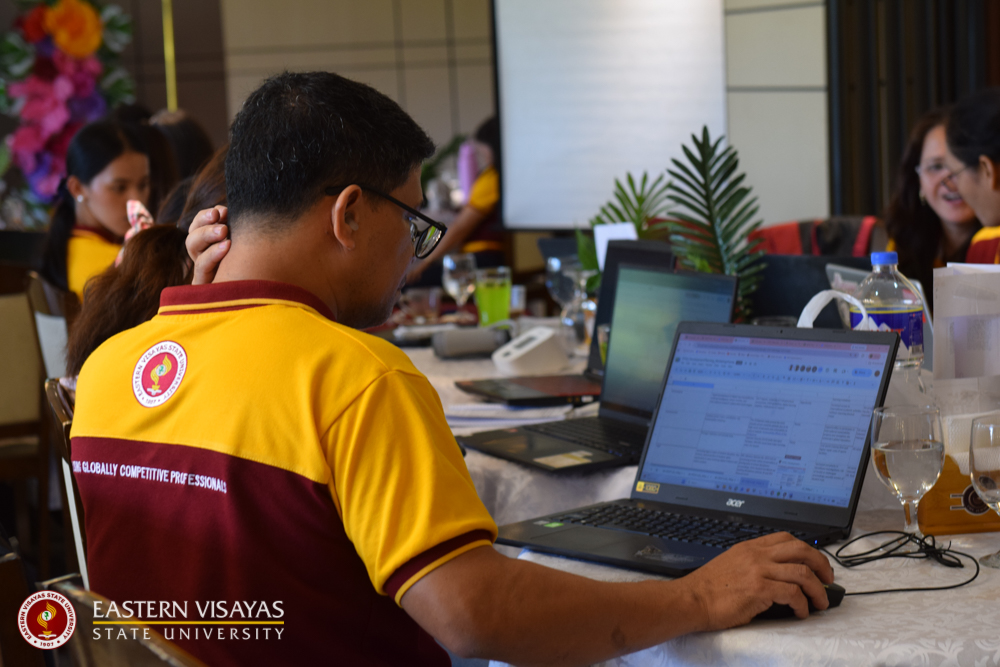
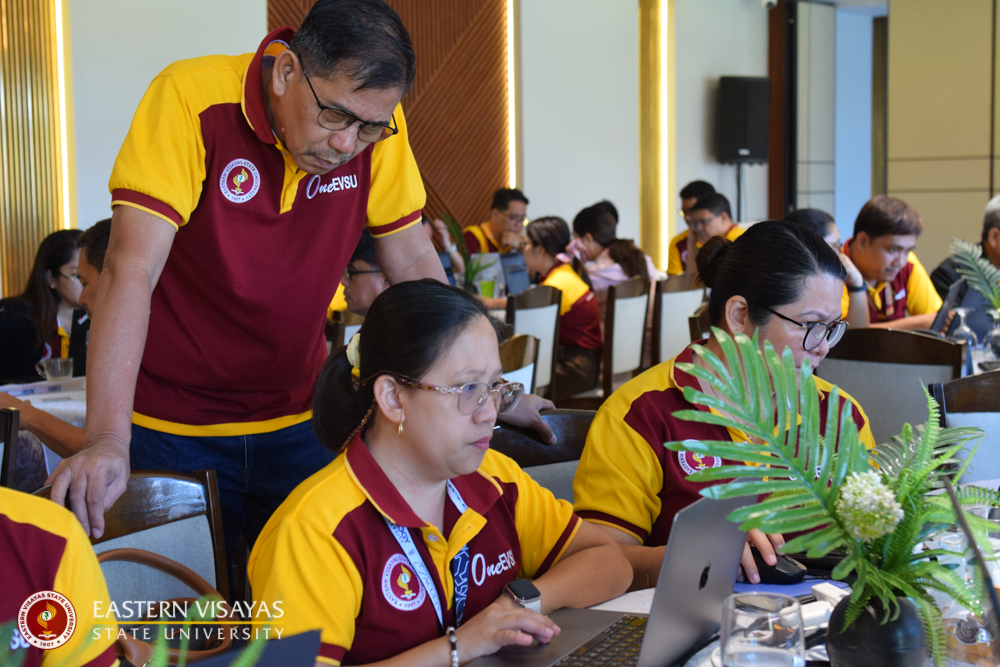
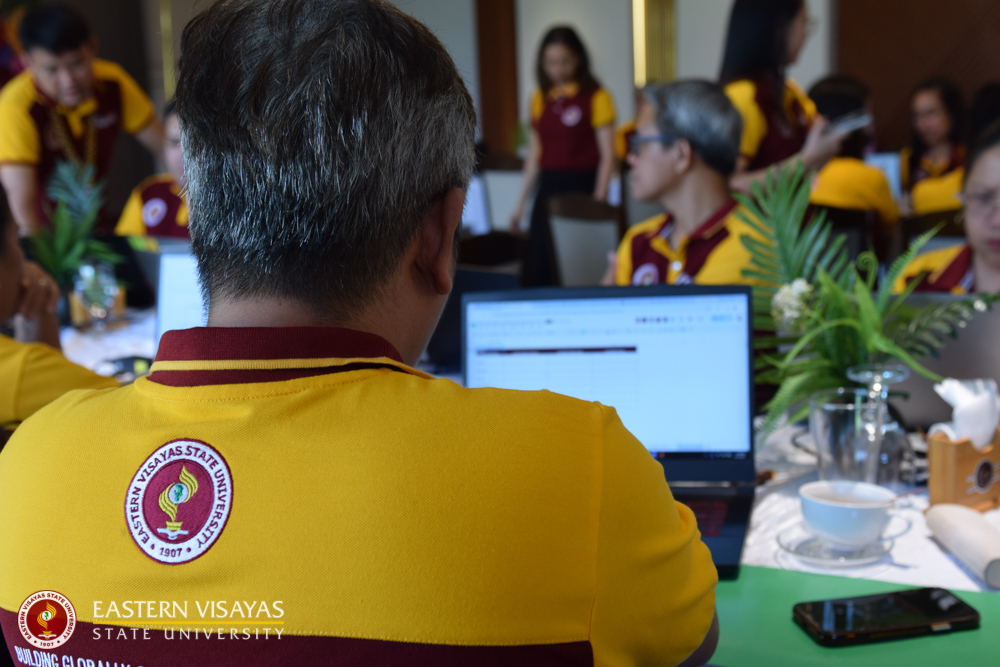
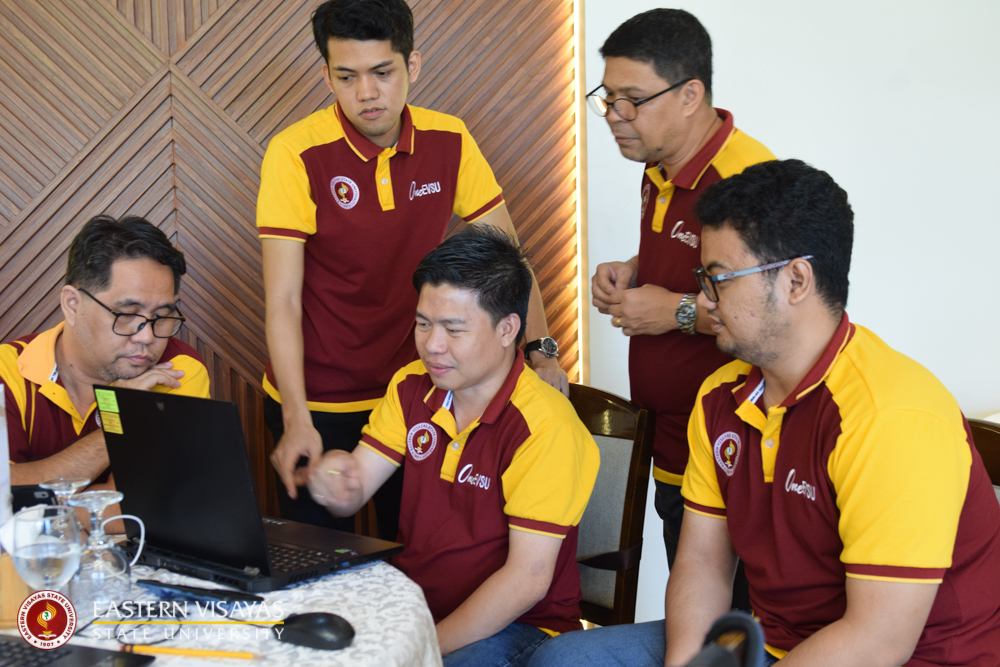
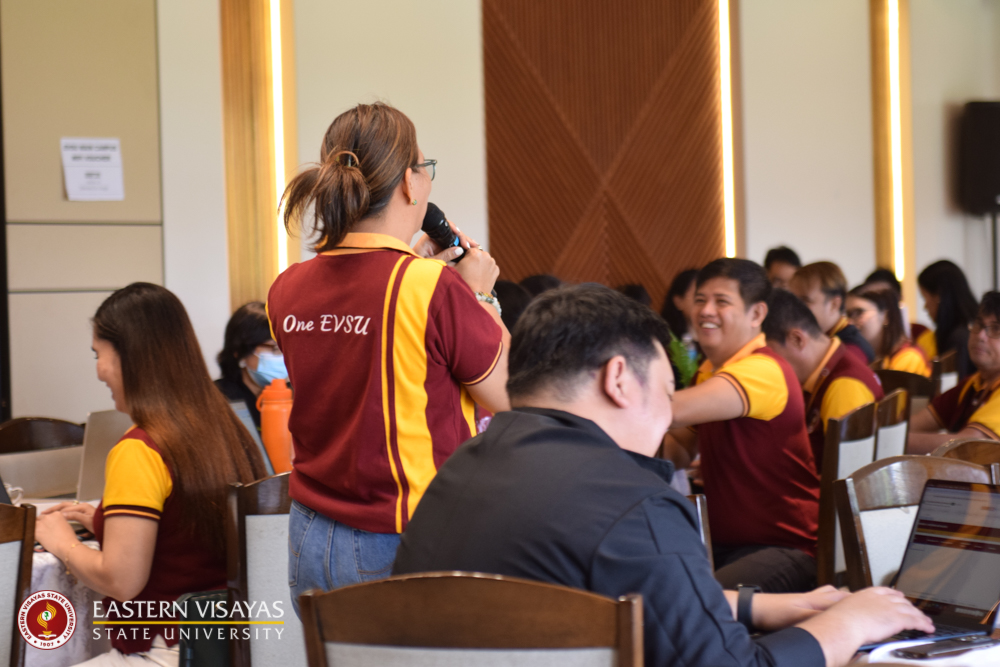
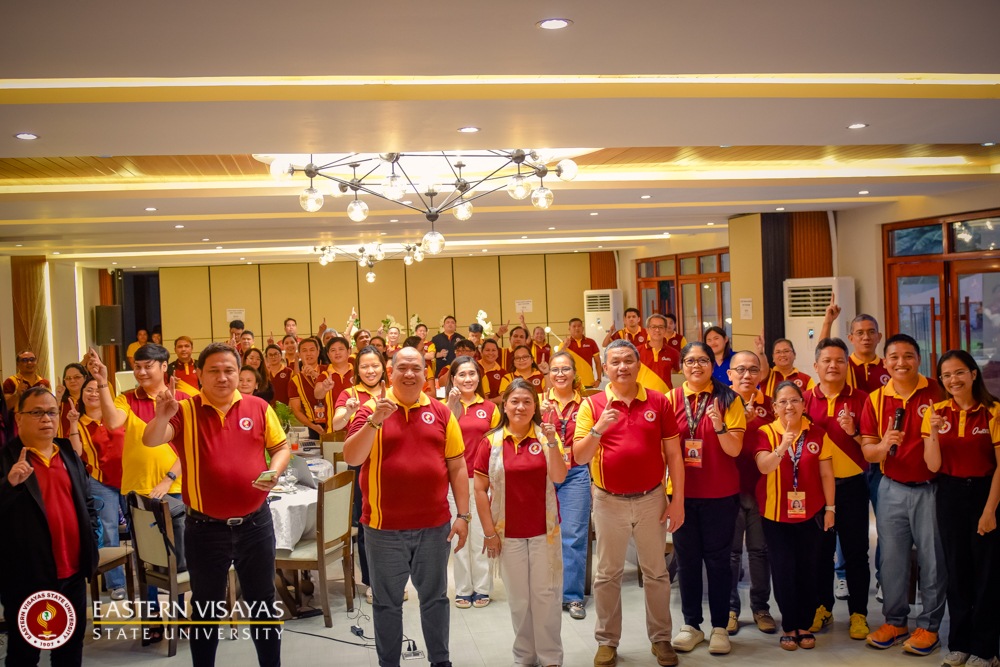
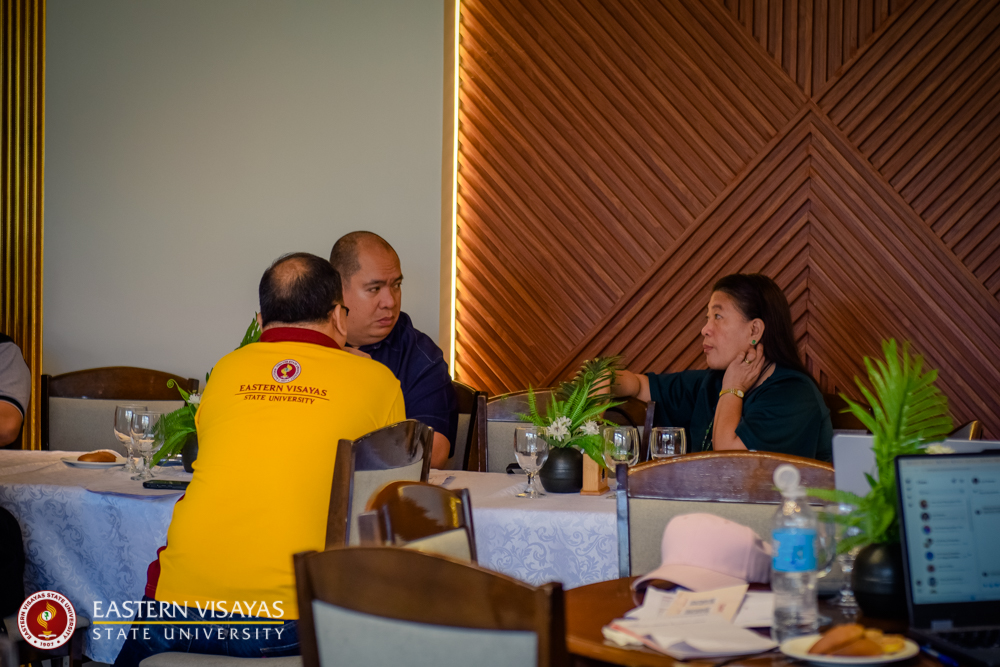
The workshop brought together university officials, academic units, external campuses, administrative support offices, and other stakeholders to assess EVSU’s current institutional standing, define its desired future, and establish strategic priorities that will shape its long-term development.
More than a planning exercise, the gathering provided an opportunity for the university community to reflect on where EVSU stands, where it intends to go, and how every sector can contribute to achieving its shared aspirations.
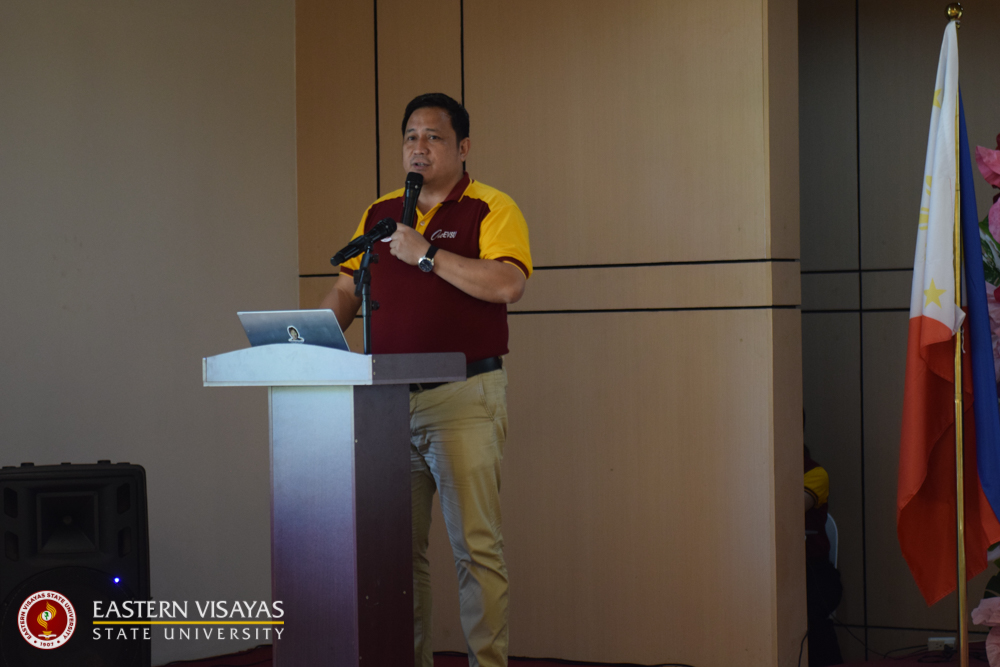
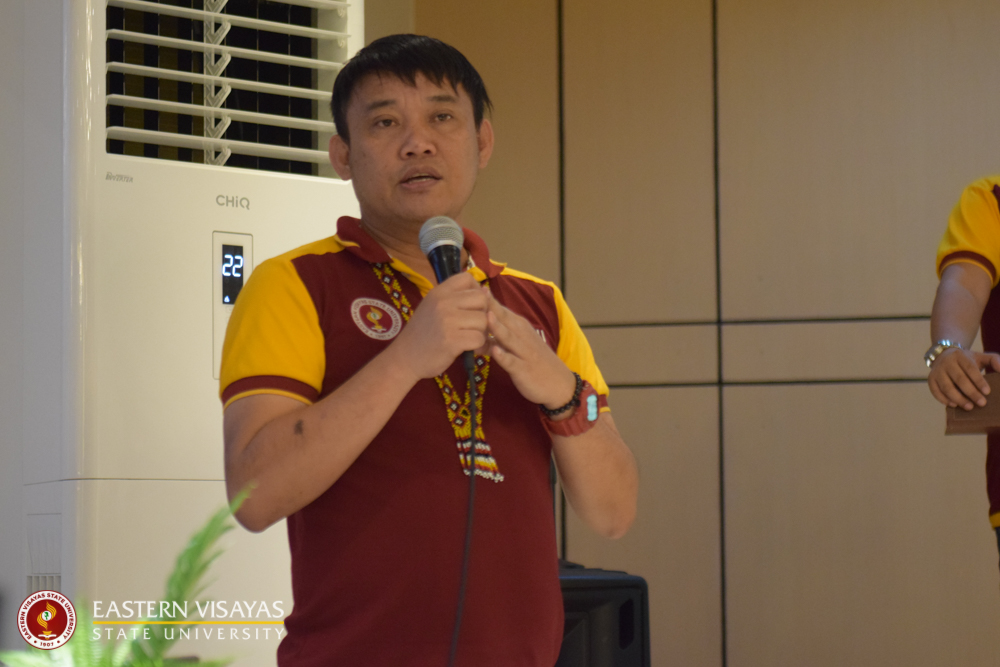
In his welcome message, Vice President for Student Affairs, Internationalization and External Affairs Dr. Benedicto T. Militante Jr. emphasized the importance of collective participation in shaping the university’s future.
“We gather to deliberately shape the future of EVSU as we advance our collective transformation into the National University for Resiliency and Climate Action – NURCA,” he said.
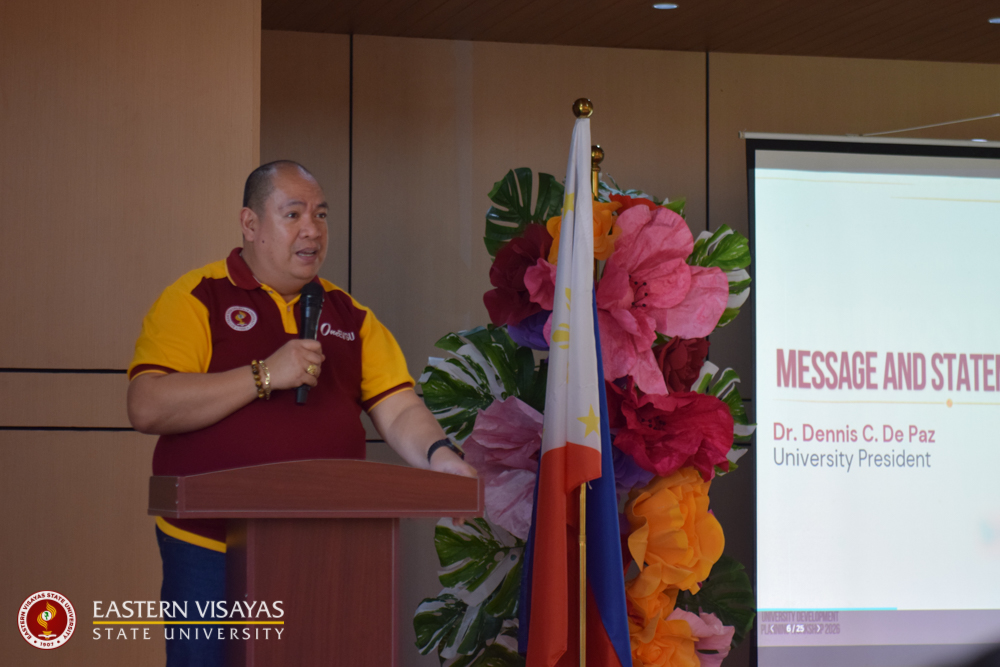
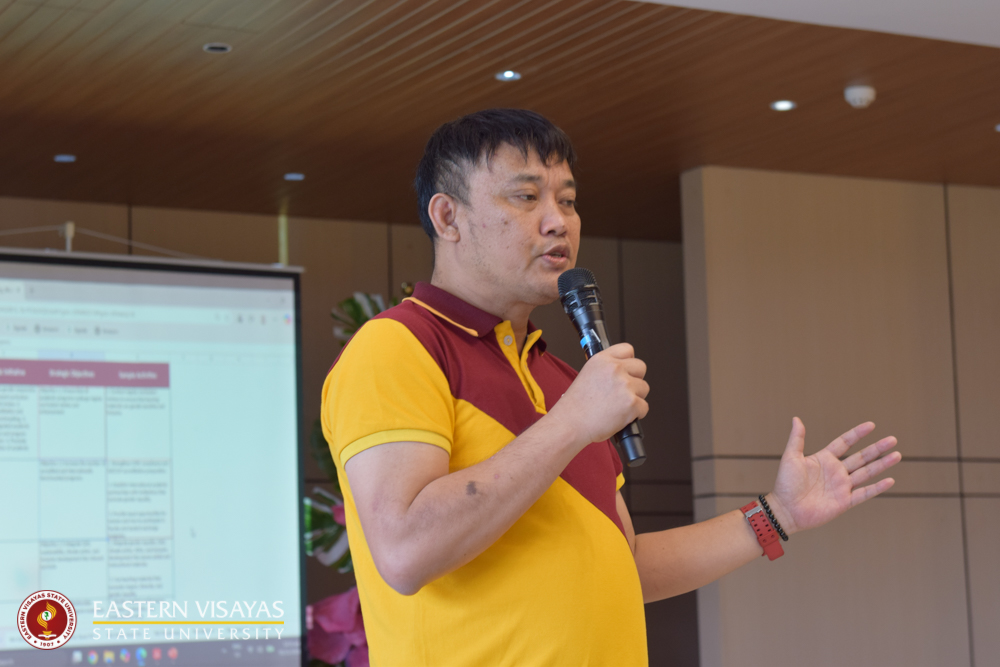
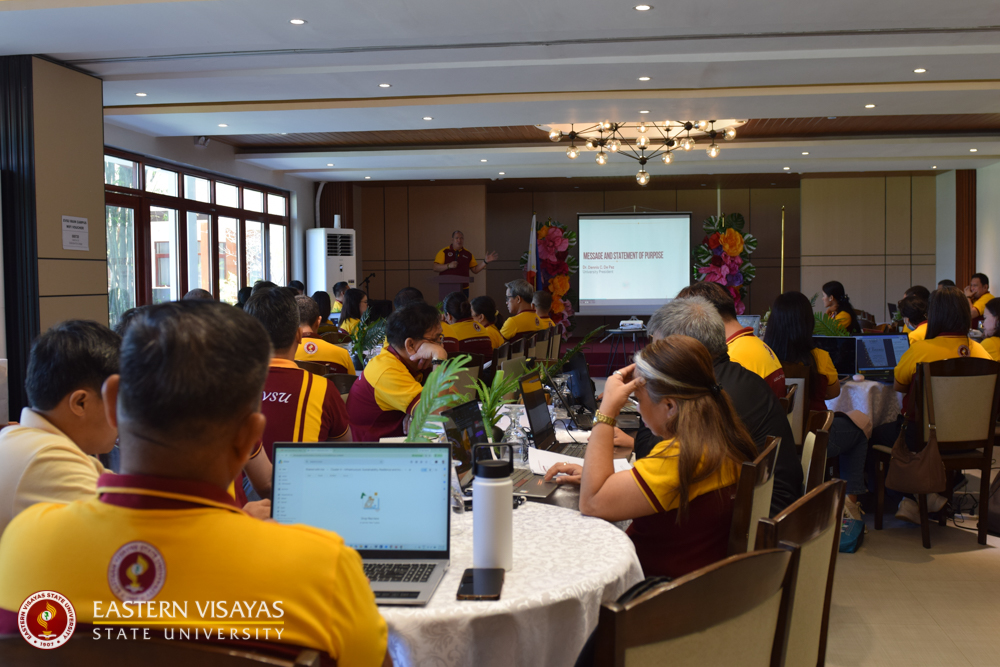
University President Dr. Dennis C. De Paz, in his message and statement of purpose, emphasized that the university’s transformation is a shared responsibility that calls for the commitment and participation of the entire institution.
“The work begins here, the responsibility belongs to us, and the legacy will be shared by all of us. Let us build an EVSU that our present generation will be proud to serve, that our future generation will be grateful to inherit, and that the nation will be proud to recognize,” President De Paz said.
From institutional vision to collective action
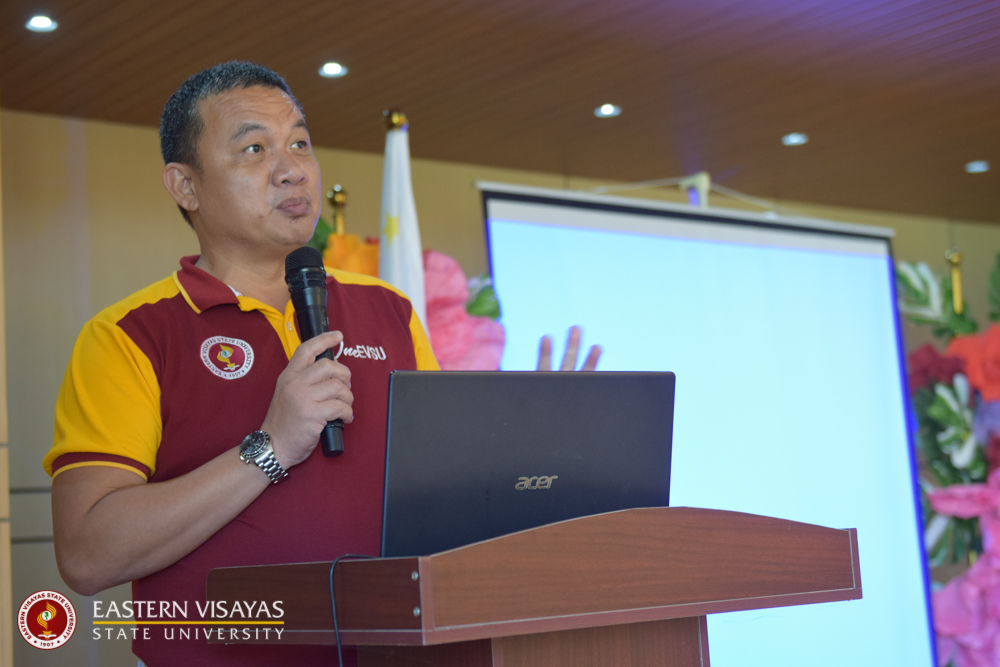
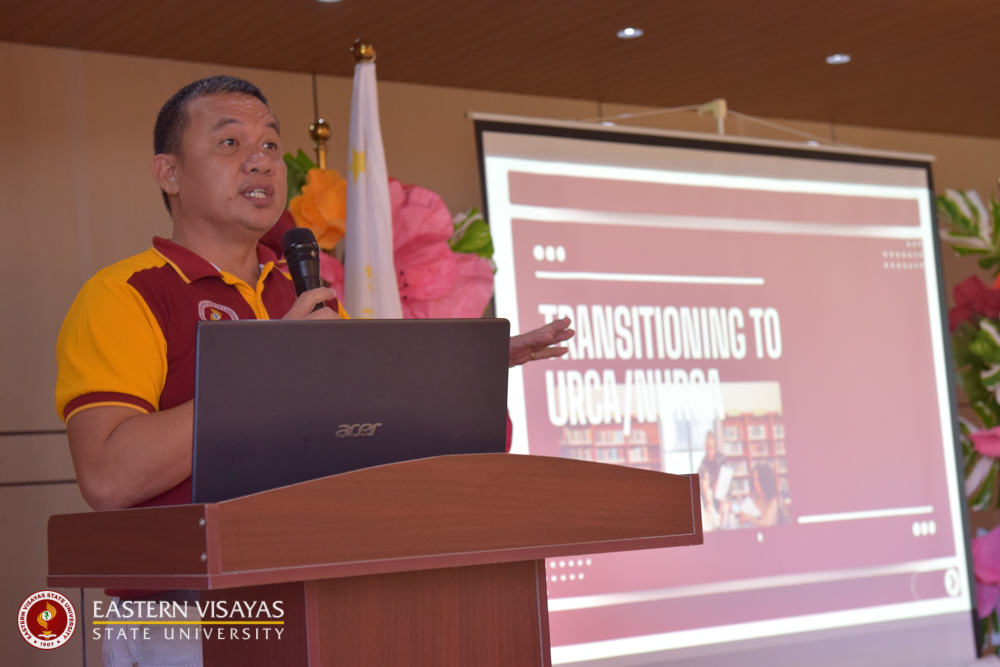
One of the highlights of the first day was the presentation of Vice President for Research, Innovation and Extension Services Dr. Sheldon Ives Agaton on the future of universities and EVSU’s transformation from a state university into a national university.
Challenging participants to look beyond the aspiration of gaining national university status, Dr. Agaton raised a fundamental question: “Can our university transition to NURCA?”
He emphasized that achieving this goal requires more than institutional plans and targets. It calls for the collective commitment of the university community.
“Let us work together to achieve our targets,” he urged, stressing the importance of translating the university’s vision into concrete actions and measurable outcomes.
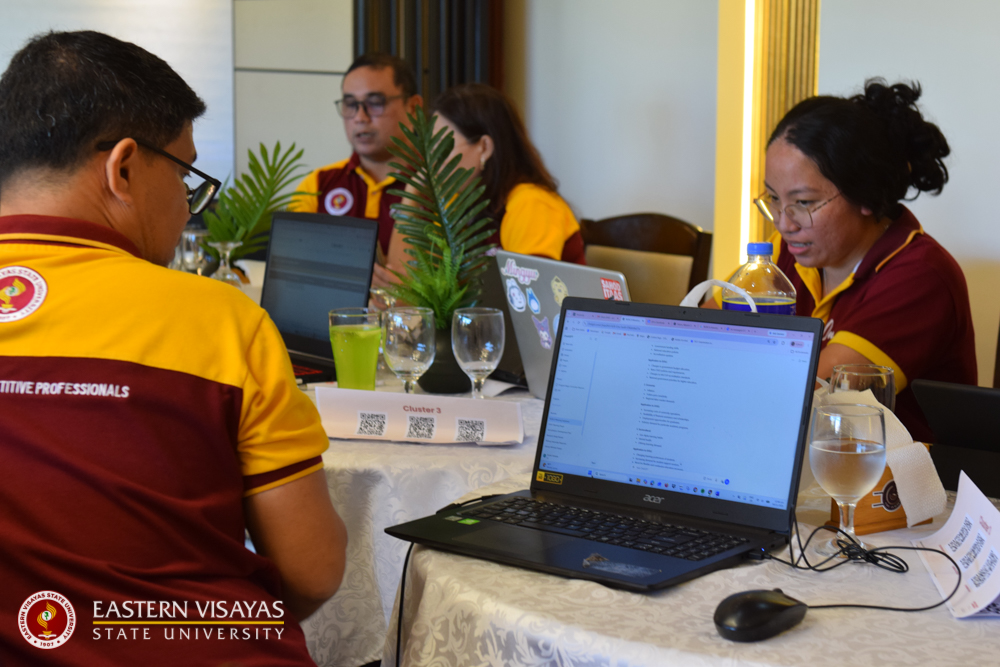
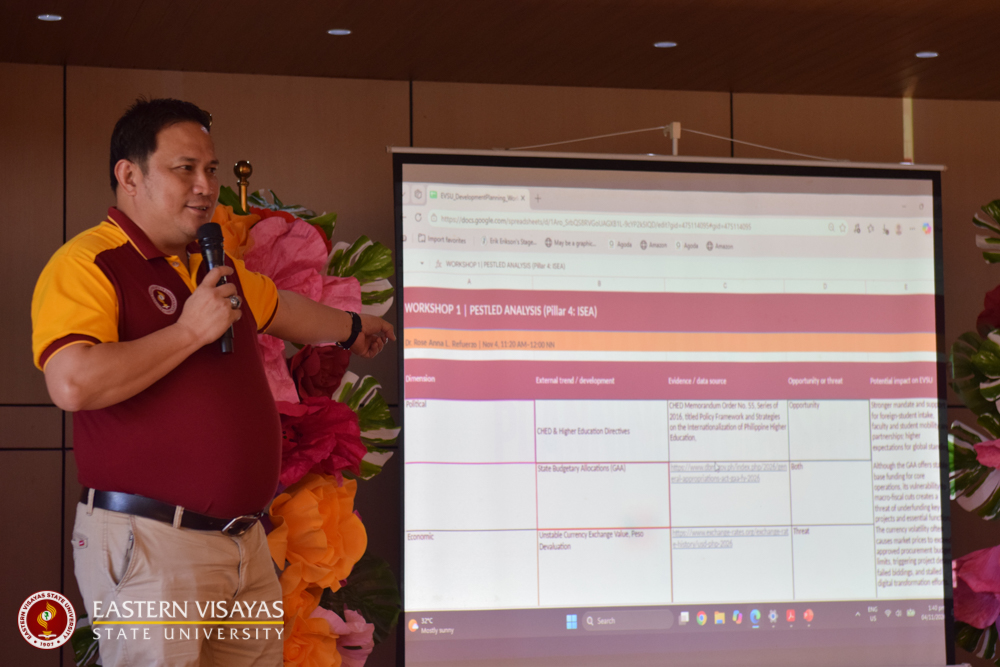
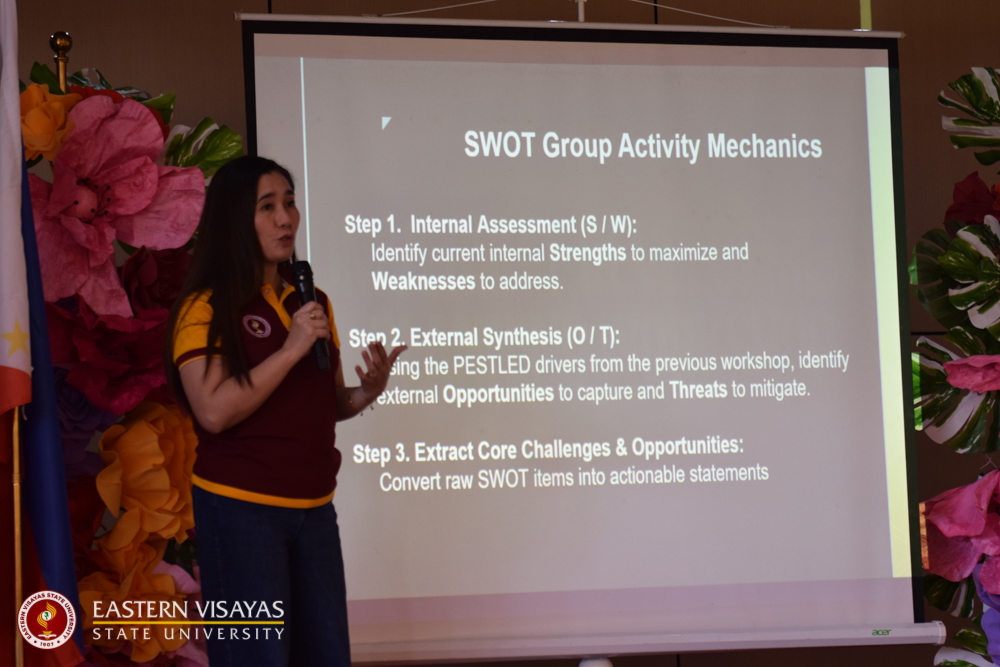
The first day also featured a series of workshops designed to establish the university’s strategic direction. Tanauan Campus Director Dr. Rose Anna L. Refuerzo facilitated the PESTELD analysis, SWOT, and TOWS exercises, providing participants with an opportunity to examine internal and external factors that may influence EVSU’s development.
Research Office Director Prof. Bernard Nino Membrebe led the envisioning of EVSU 2036 and the framing of its vision, mission, and core values for NURCA, focusing on reimagining the university’s identity as a national institution for resiliency and climate action.
Meanwhile, External Affairs Director Dr. Pearl Aphrodite B. Carnice facilitated the discussion on strategic breakthroughs and priority transformation agenda, identifying key areas where the university must focus its efforts.
Turning strategic goals into measurable results
On the second day, discussions shifted toward translating the university’s strategic direction into concrete programs, investments, and implementation mechanisms.
Vice President for Administration, Finance and Auxiliary Services Dr. Danilo B. Pulma opened the sessions with a talk on “From Strategic Goals to Flagship PPAs, KPIs, Investment Programming and Resource Mobilization,” highlighting the importance of aligning institutional priorities with the resources and support needed to carry them out.
This was followed by the fourth workshop on developing the Five Strategic Goal Framework and Flagship Programs, Projects, and Activities (PPAs), incorporating Gender and Development (GAD) and quality assurance frameworks, facilitated by GAD Office Director Dr. Glenda B. Tupaz.
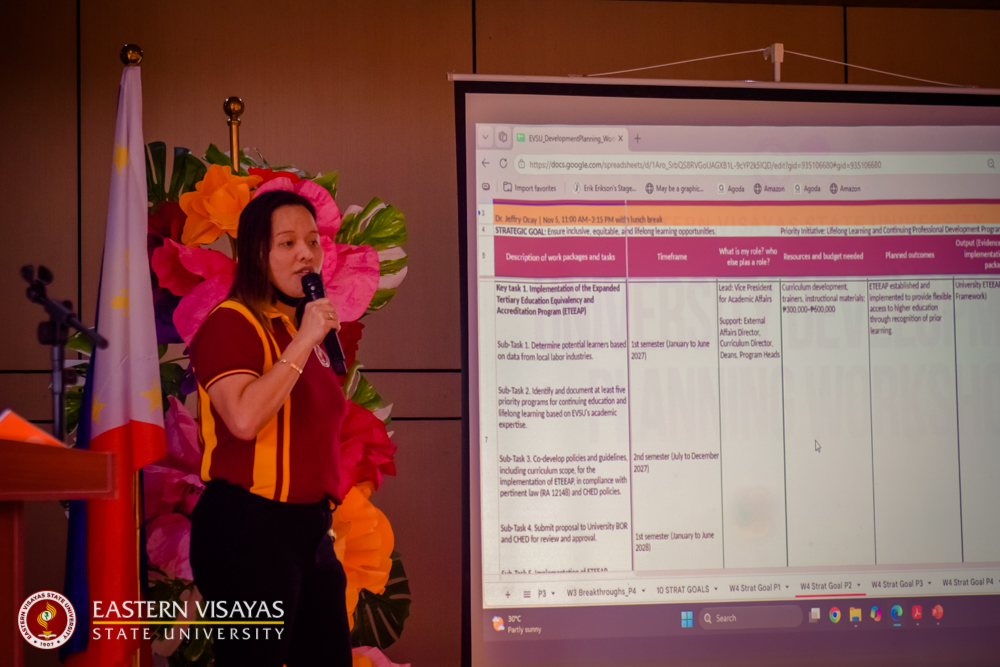
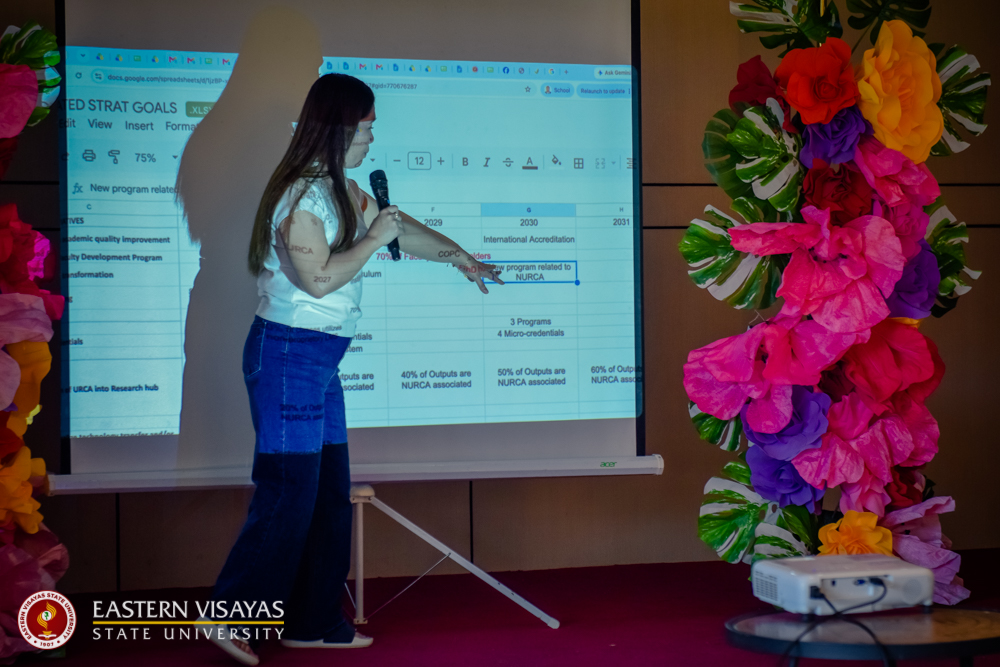
The succeeding session focused on building the 2027–2036 implementation roadmap and identifying investment priorities for programs, projects, and flagship initiatives. Led by Dr. Jeffry V. Ocay, Head of the Learning Institute for Environment, the workshop allowed groups to present their proposed roadmaps and outline the initiatives that will support EVSU’s long-term transformation.
Another key discussion centered on establishing a governance system that would make the NURCA vision an integral part of the university’s operations.
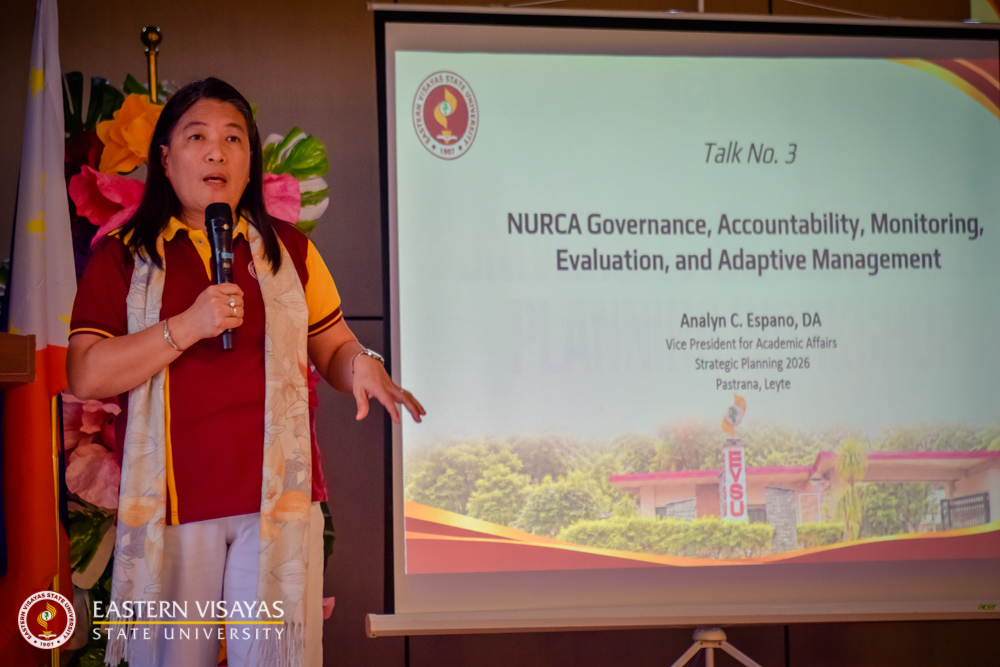
In her talk on “NURCA Governance, Accountability, Monitoring, Evaluation, and Adaptive Management,” Vice President for Academic Affairs Dr. Analyn C. España discussed five interconnected functions that will guide EVSU in aligning its decisions, resources, and responsibilities with its goals for resilience and climate action.
“If we would like to really do something for us to achieve NURCA, then our university and governance must be aligned,” Dr. España emphasized.
She stressed that resilience must be embedded across all university functions, with the goal of establishing resilient campuses and ensuring continuity of services even amid disruptions and challenges.
She also underscored the need to regularly assess whether planned activities are being implemented and whether the university is on track toward its intended outcomes.
Through monitoring and evaluation, EVSU must be able to determine whether it is making progress, achieving results, and learning from its experiences to improve its strategies and interventions.
Her discussion highlighted that becoming NURCA is not simply about introducing new programs or initiatives. It also means building an institution whose governance, resource allocation, service delivery, and decision-making processes consistently reflect its commitment to resilience and climate action.
Putting plans into action
On the third day, the respective offices of the university’s vice presidents were tasked to develop their three-year strategic development plans, translating the broader institutional direction into specific office-level commitments, priorities, and deliverables.
This exercise reinforced the importance of ensuring that university-wide goals are reflected in the plans and actual work of individual offices, making institutional transformation a shared and coordinated undertaking.
Ultimately, the three-day workshop emphasized that EVSU’s journey toward NURCA cannot rest on a vision statement alone. It must be supported by clear priorities, strategic investments, measurable targets, accountable leadership, and sustained collaboration across all campuses and offices.
As EVSU moves toward its 2040 aspiration, One EVSU 2.0 serves as a call for the entire university community to move in one direction—not only toward becoming a national university, but toward building an institution capable of responding to challenges, sustaining its services, and creating lasting impact for its students, communities, and future generations.
The path to NURCA begins with a shared vision, but it is through collective action that EVSU will make it happen.
The initiative also supports the United Nations Sustainable Development Goals (SDGs), particularly SDG 4 (Quality Education), SDG 5 (Gender Equality), SDG 9 (Industry, Innovation and Infrastructure), SDG 13 (Climate Action), SDG 16 (Peace, Justice and Strong Institutions), and SDG 17 (Partnerships for the Goals) through its commitment to inclusive planning, institutional resilience, responsive governance, and collaborative development.
Via | JFRuedas