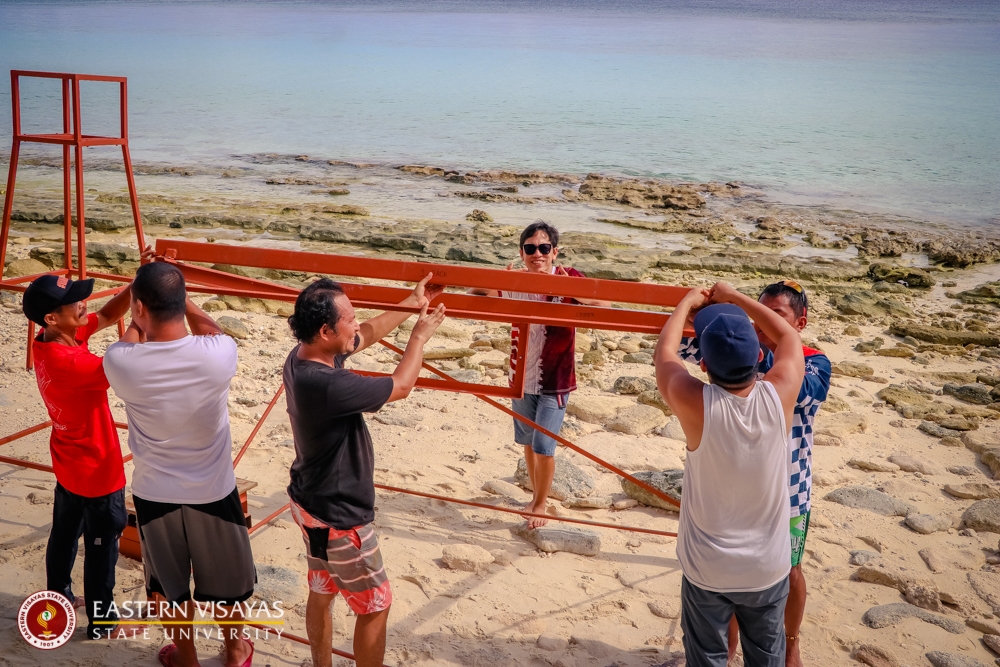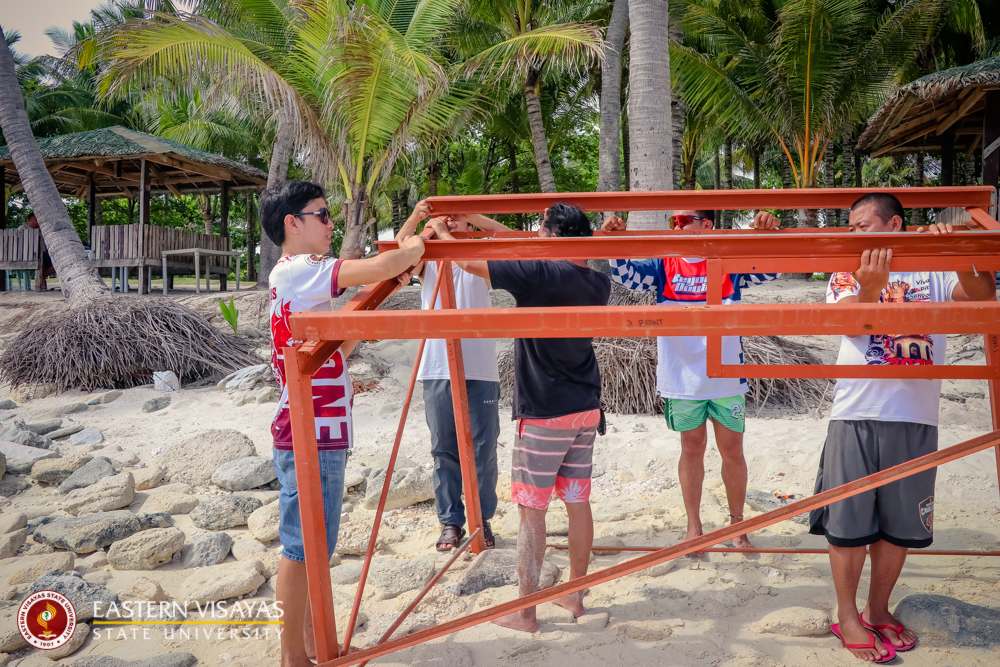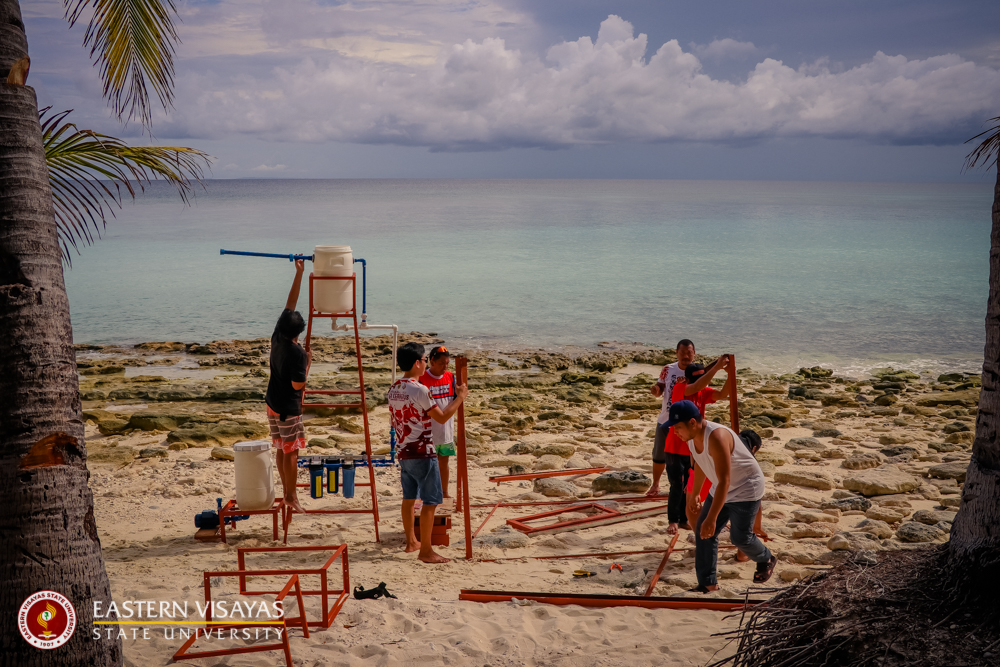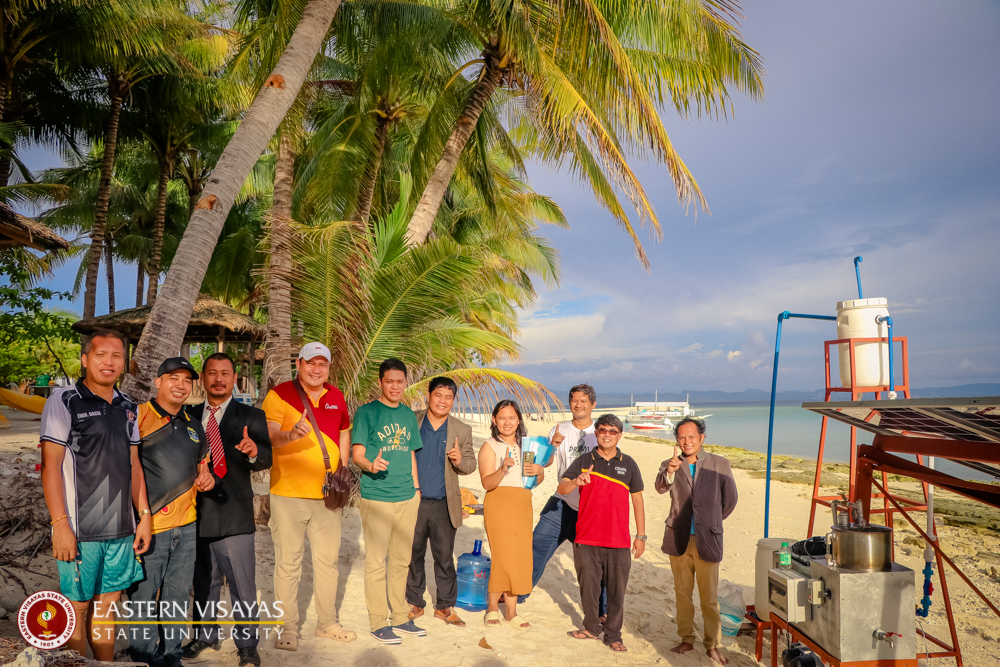
KALANGGAMAN ISLAND, PALOMPON, LEYTE — The Eastern Visayas State University (EVSU), through its Master of Engineering program, has developed three interconnected engineering prototypes combining seawater desalination, filtration technology, and solar energy to explore a more sustainable approach to freshwater production for island communities.
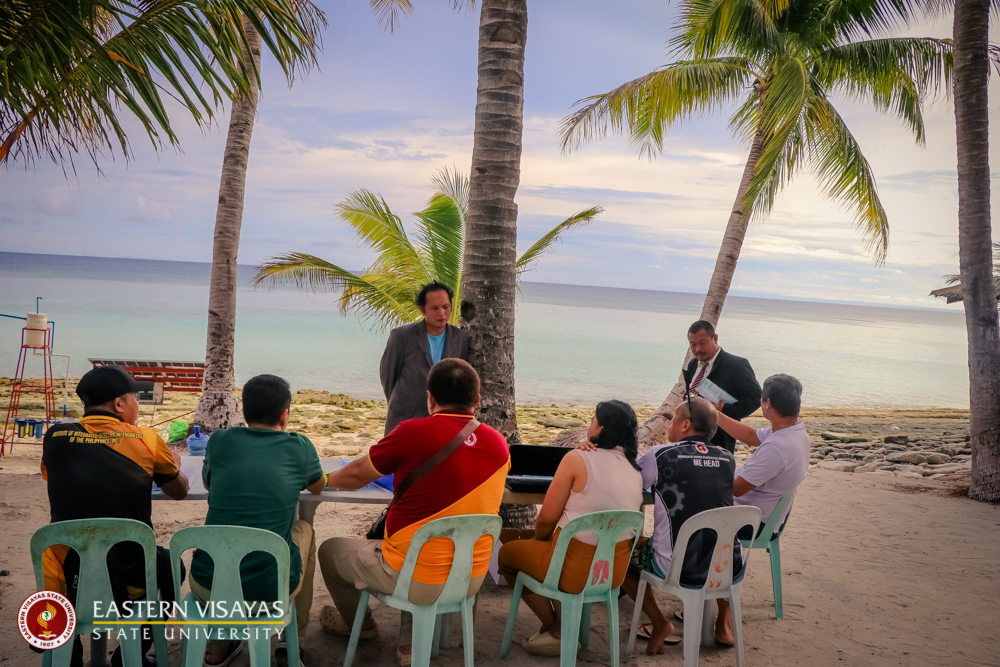
Presented during the candidates’ final research defense in Kalanggaman Island, the projects aim to develop an alternative water treatment solution for geographically isolated communities with limited access to freshwater resources.
The three studies are: “Development of Filtration System for Desalination Plant” by Engr. Edrinal Estobañes; “Development of a Desalination Machine for Remote Islands” by Engr. Julius Codilla; and “Development of a Solar Power System for Desalination Plant in Kalanggaman Island” by Engr. Jomar Navarro.
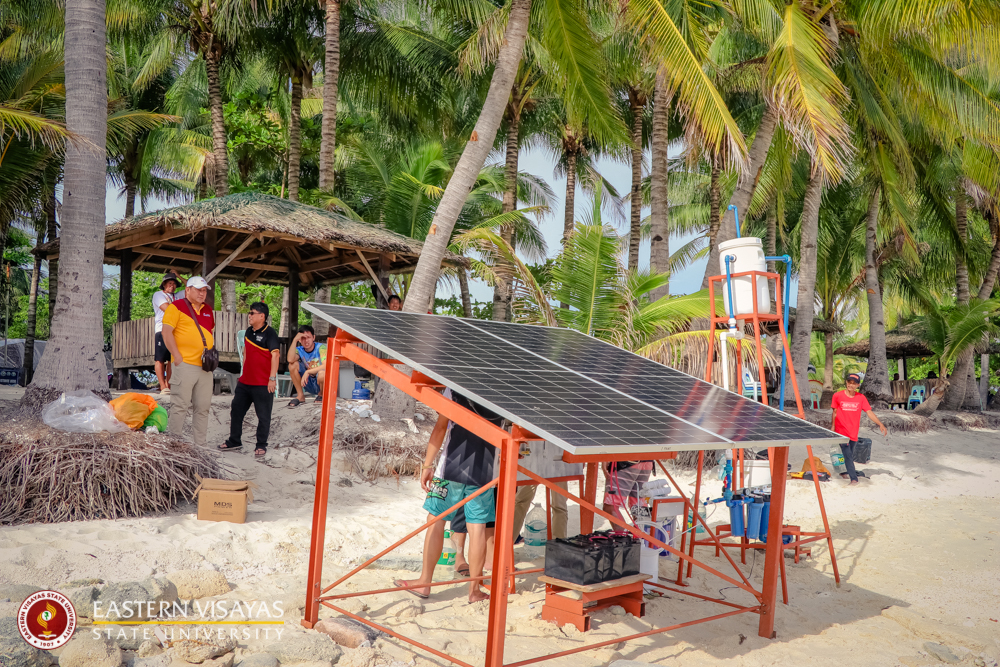
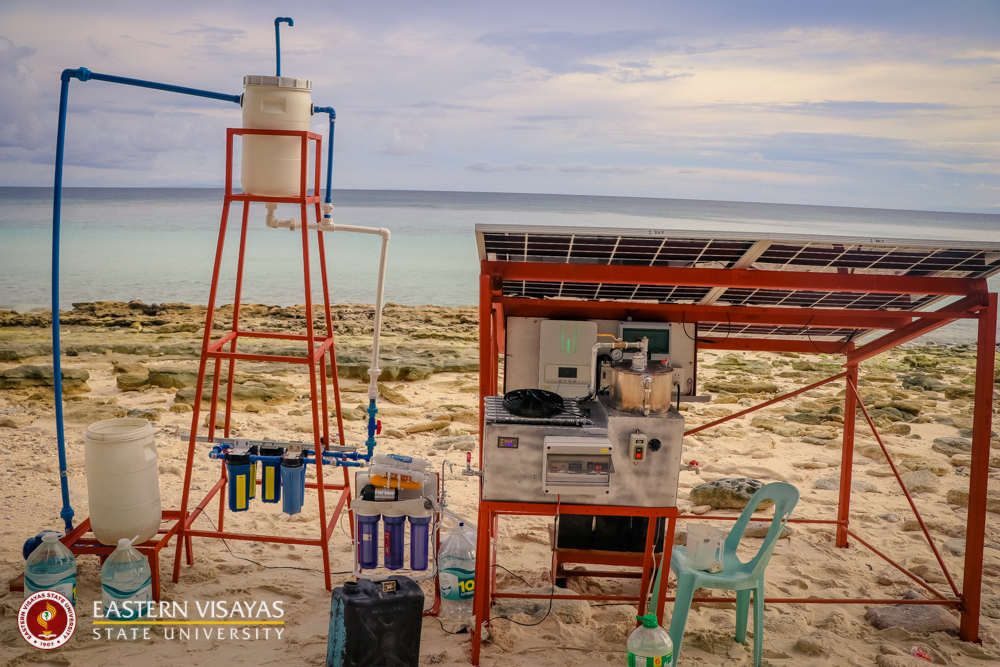
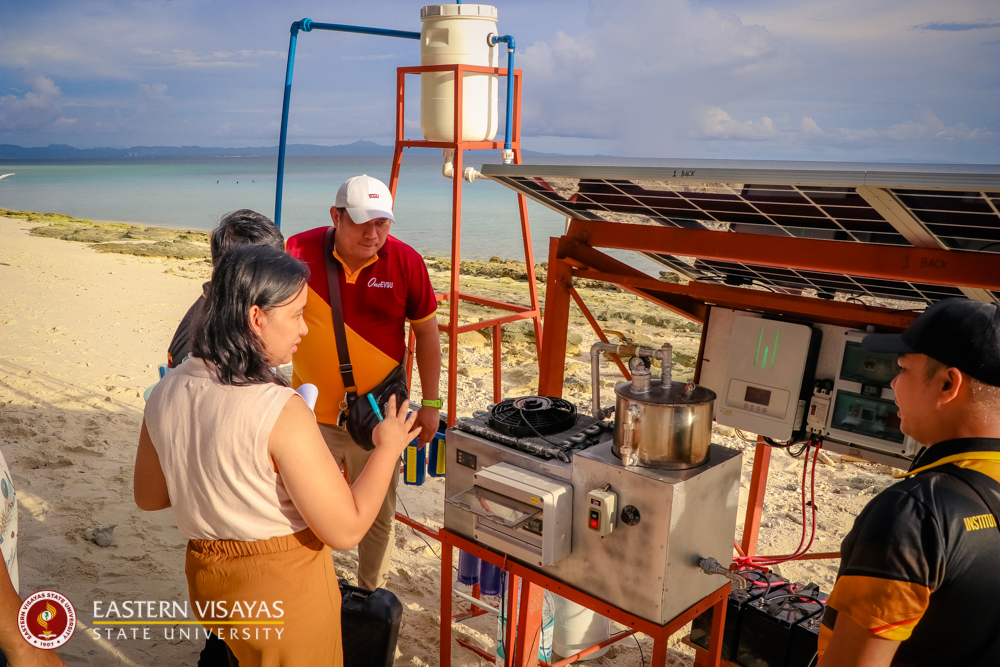
Designed to complement one another, the technologies address three essential components of water production: the desalination machine processes seawater to reduce its salt content, the filtration system provides an additional treatment stage, and the solar power system harnesses renewable energy to operate the facility.
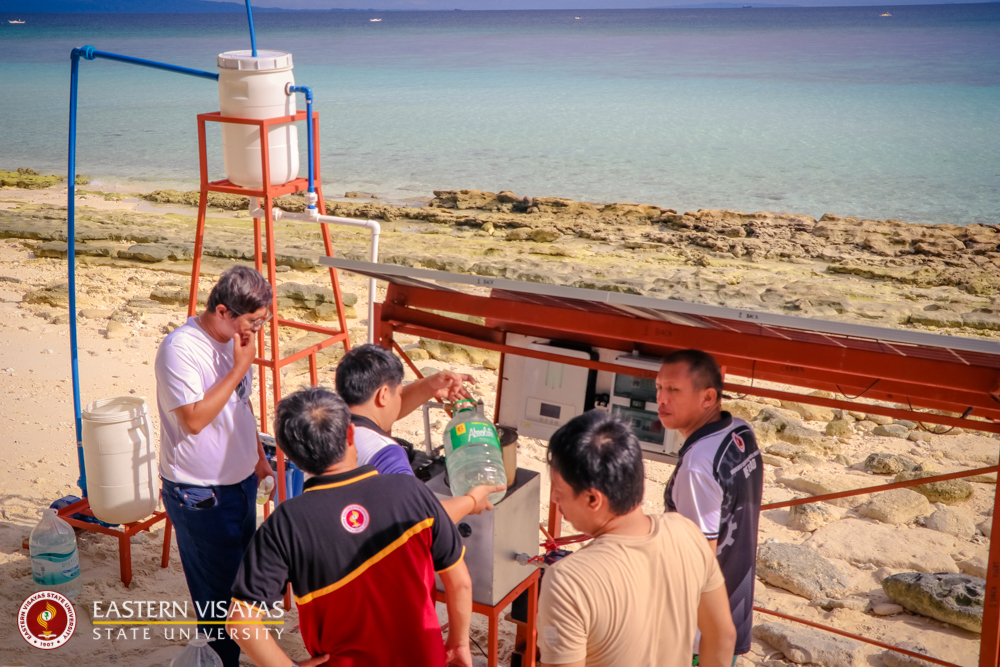
The developed desalination machine is already operational and can produce approximately one gallon of freshwater per hour. Although its current capacity is limited due to budget constraints, the working prototype provides a foundation for further improvements in production capacity and system efficiency.
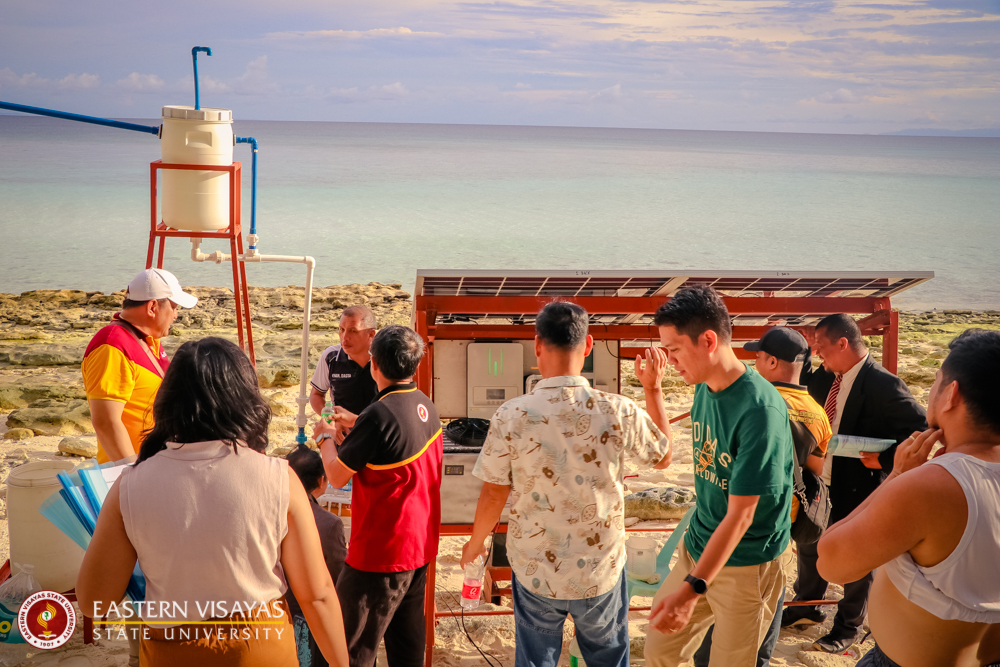
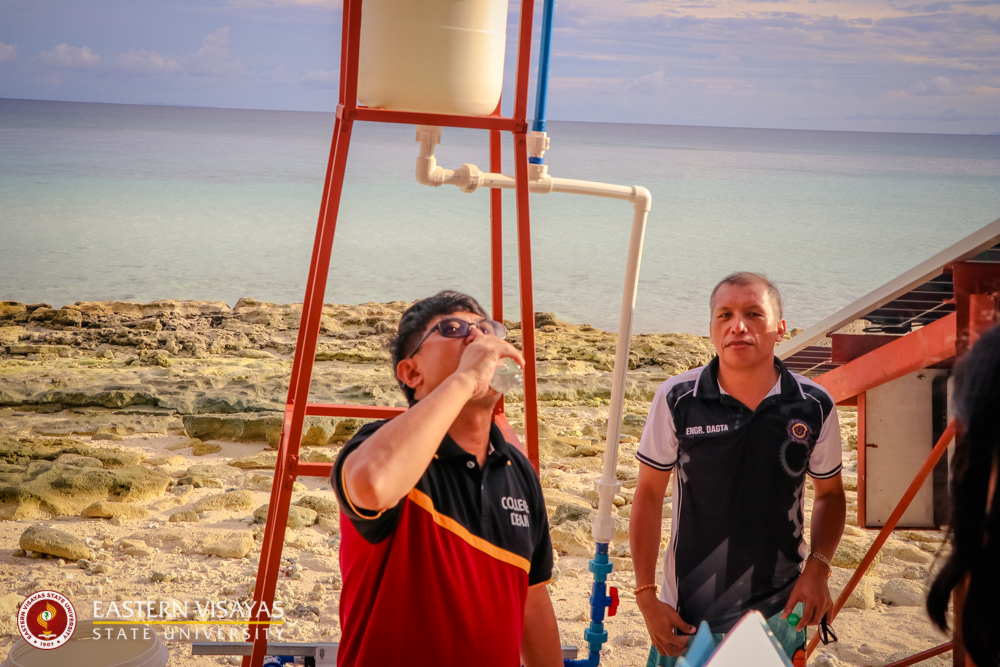
During the final defense, the candidates demonstrated and tested their prototypes, allowing the panel to assess their functionality and identify areas for further development. Additional water-quality testing and validation will be necessary to establish whether the water produced meets Philippine drinking-water standards before it can be considered safe for regular consumption.
Addressing an island community’s needs
The choice of Kalanggaman Island as the research site highlights the practical importance of the projects. A popular tourist destination in Palompon, Leyte, the island welcomes visitors throughout the year, adding to the water requirements of tourism workers, residents, and other stakeholders.
However, Kalanggaman Island has no established source of potable water and is not connected to the mainland electric grid. These conditions highlight the need for alternative freshwater production technologies that can operate using locally available resources and renewable energy.
If further developed and validated, the integrated system could provide a supplementary freshwater source for the island and other geographically isolated communities facing similar challenges. Its use of solar energy also offers an alternative to conventional power sources.
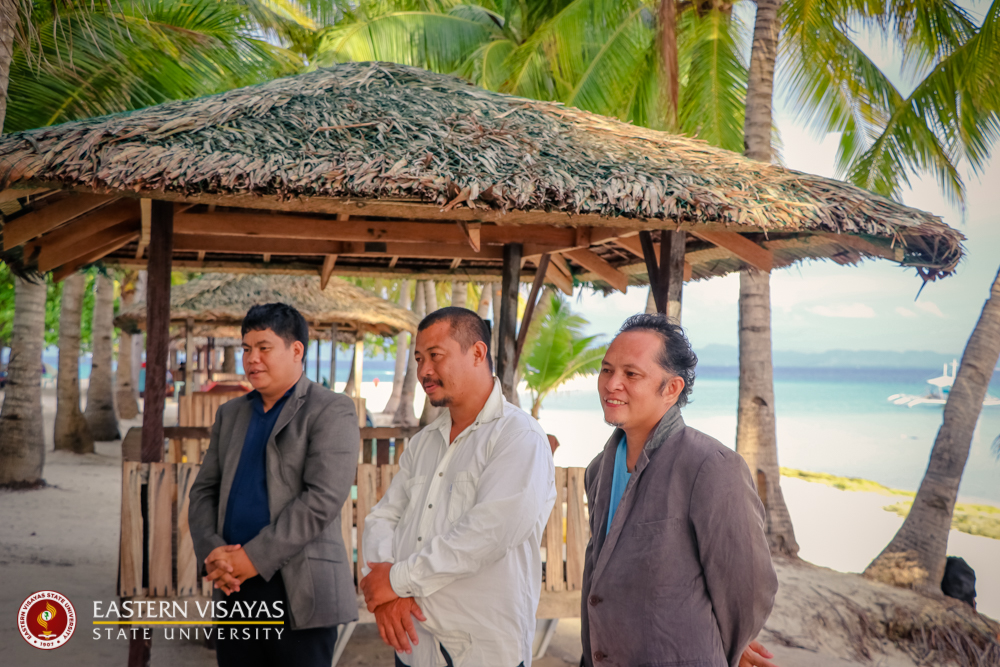
The final defense was chaired by Dr. Benedicto Militante, with Engr. Jay Gabriel Jimenez, Engr. Albert Azacrraga, and Engr. Gil M. Dagta serving as panel members. Dr. Vinyl H. Oquiño served as research adviser to the three candidates.
Through these projects, EVSU demonstrates how graduate-level research can extend beyond academic requirements to address actual community concerns. The initiative reflects the University’s three mandates in instruction, research, and extension, translating engineering knowledge into innovations that can contribute to sustainable community development.
This article is aligned with Sustainable Development Goals (SDG) 01: No Poverty; SDG 03: Good Health and Well-being; SDG 04: Quality Education; SDG 06: Clean Water and Sanitation; SDG 09: Industry, Innovation, and Infrastructure; SDG 11: Sustainable Cities and Communities; SDG 13: Climate Action; and SDG 17: Partnerships for the Goals
Via | JFRuedas
Photos: Christian Layon/SoE