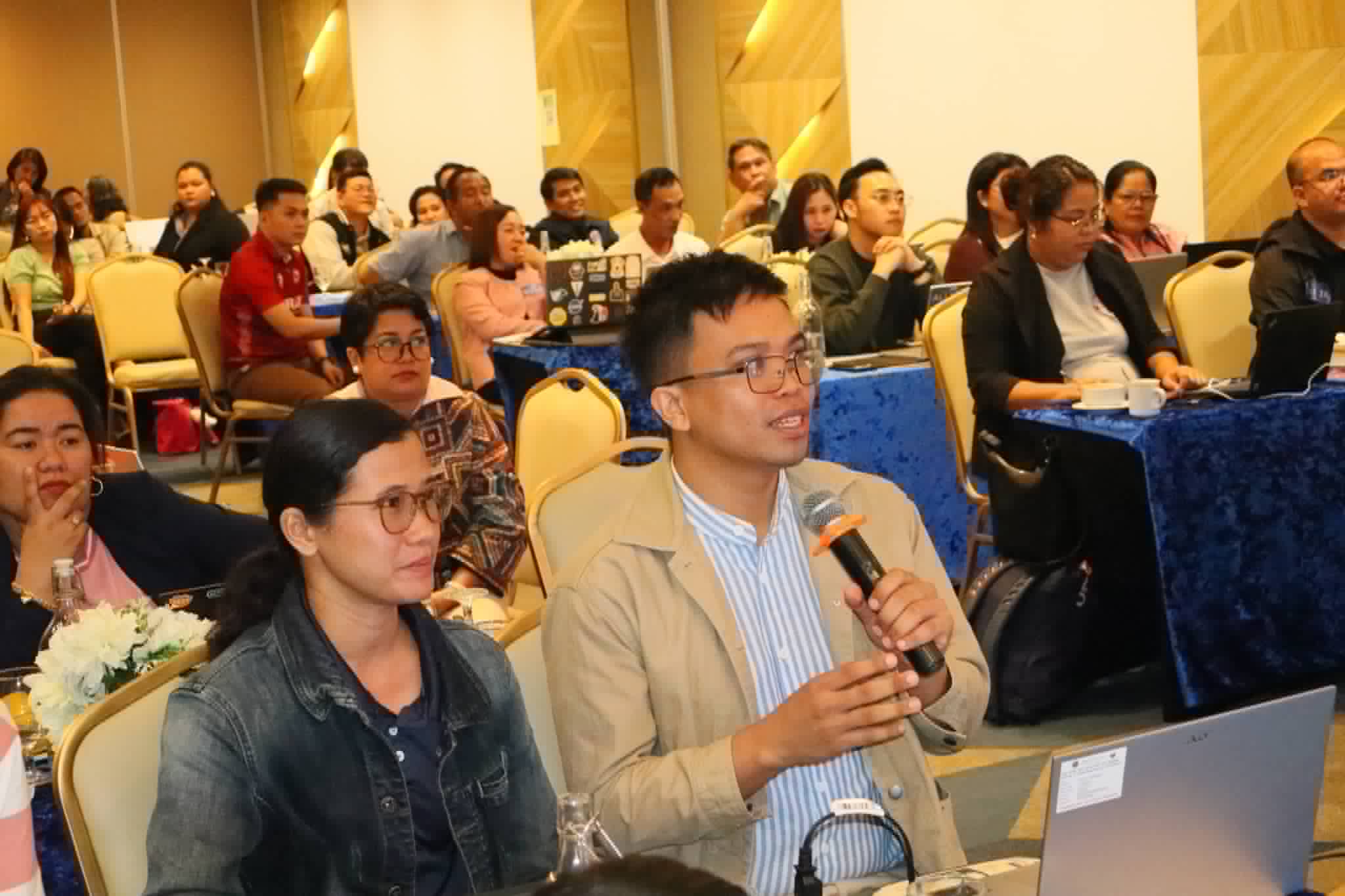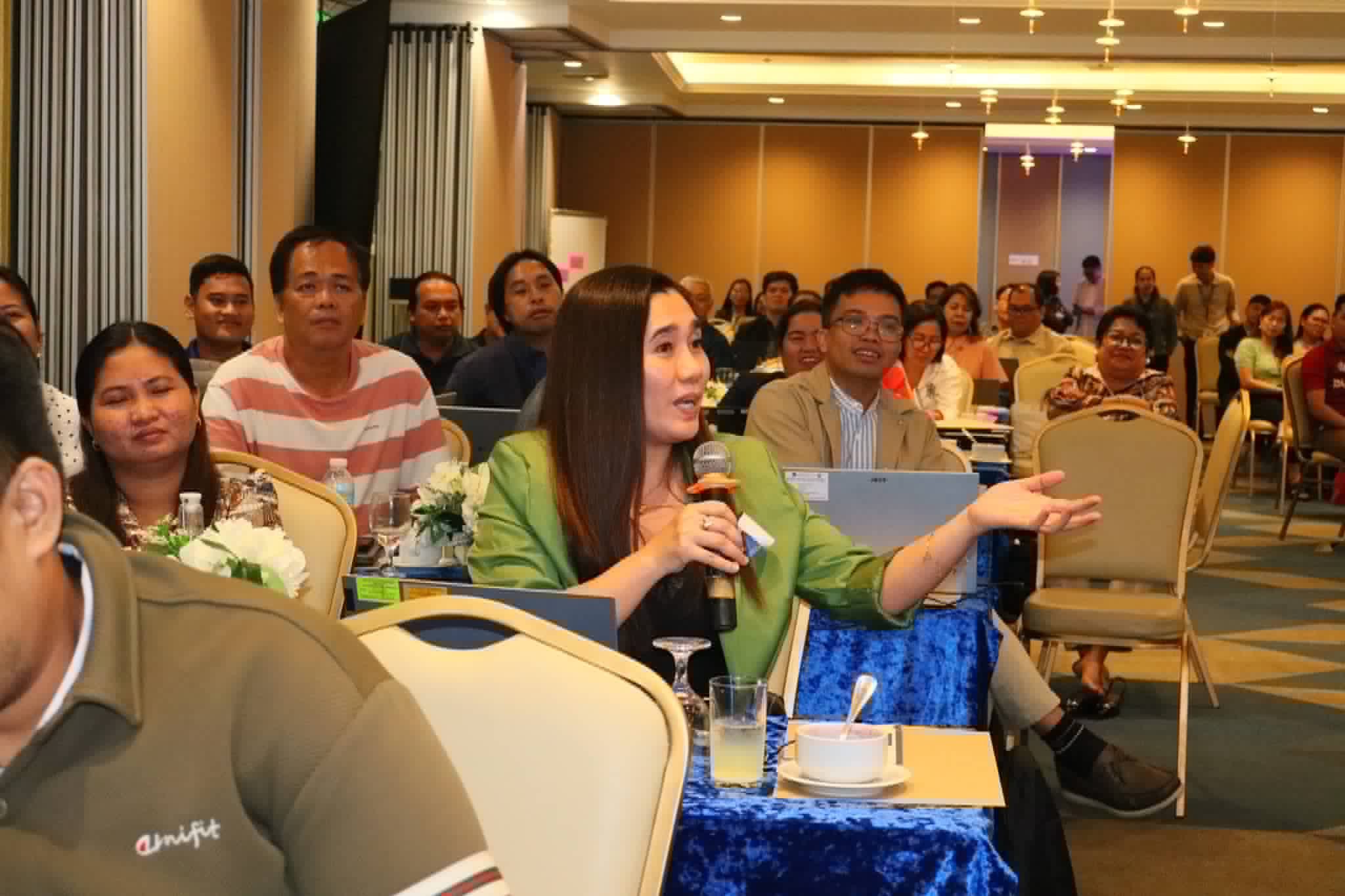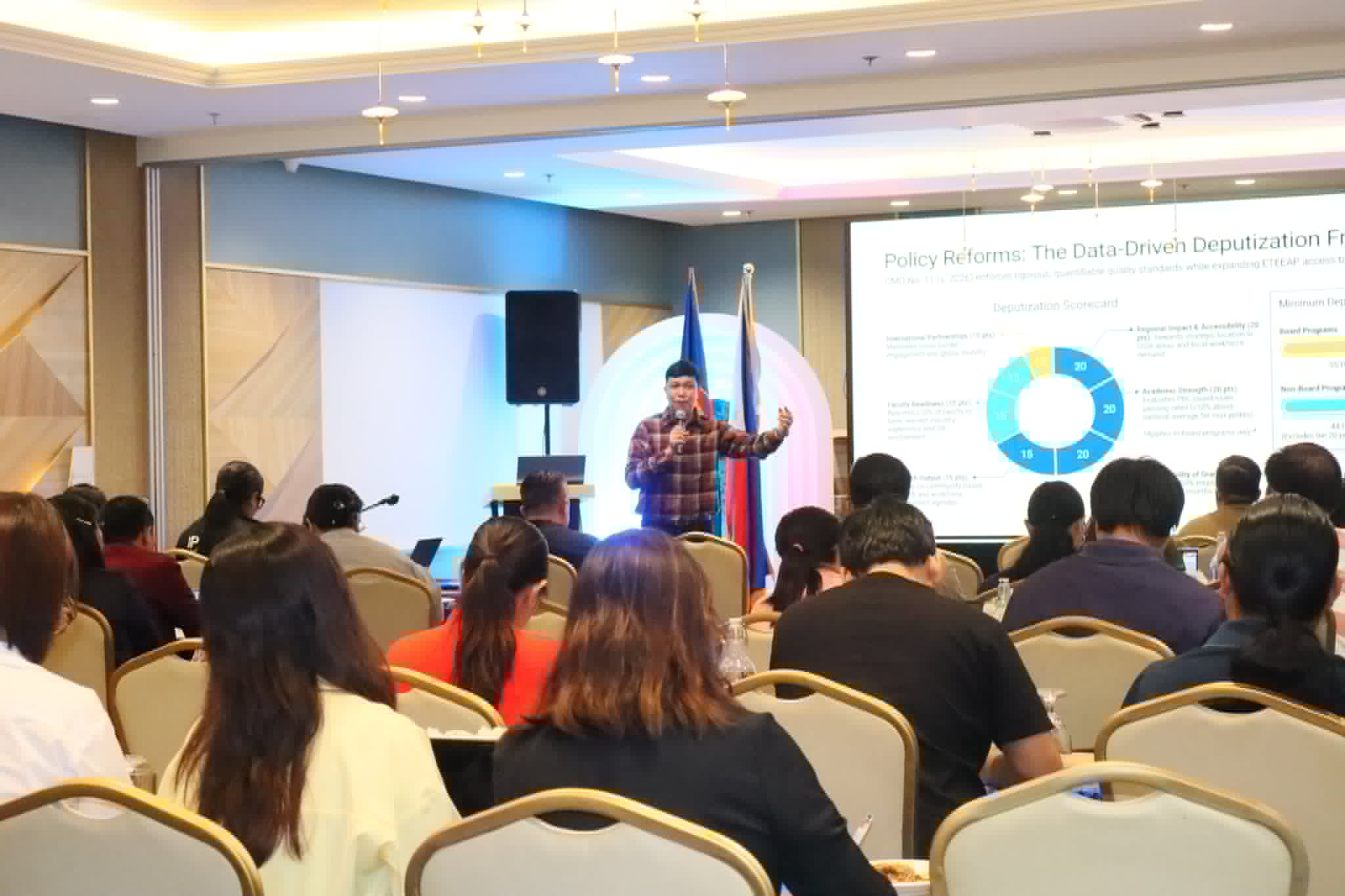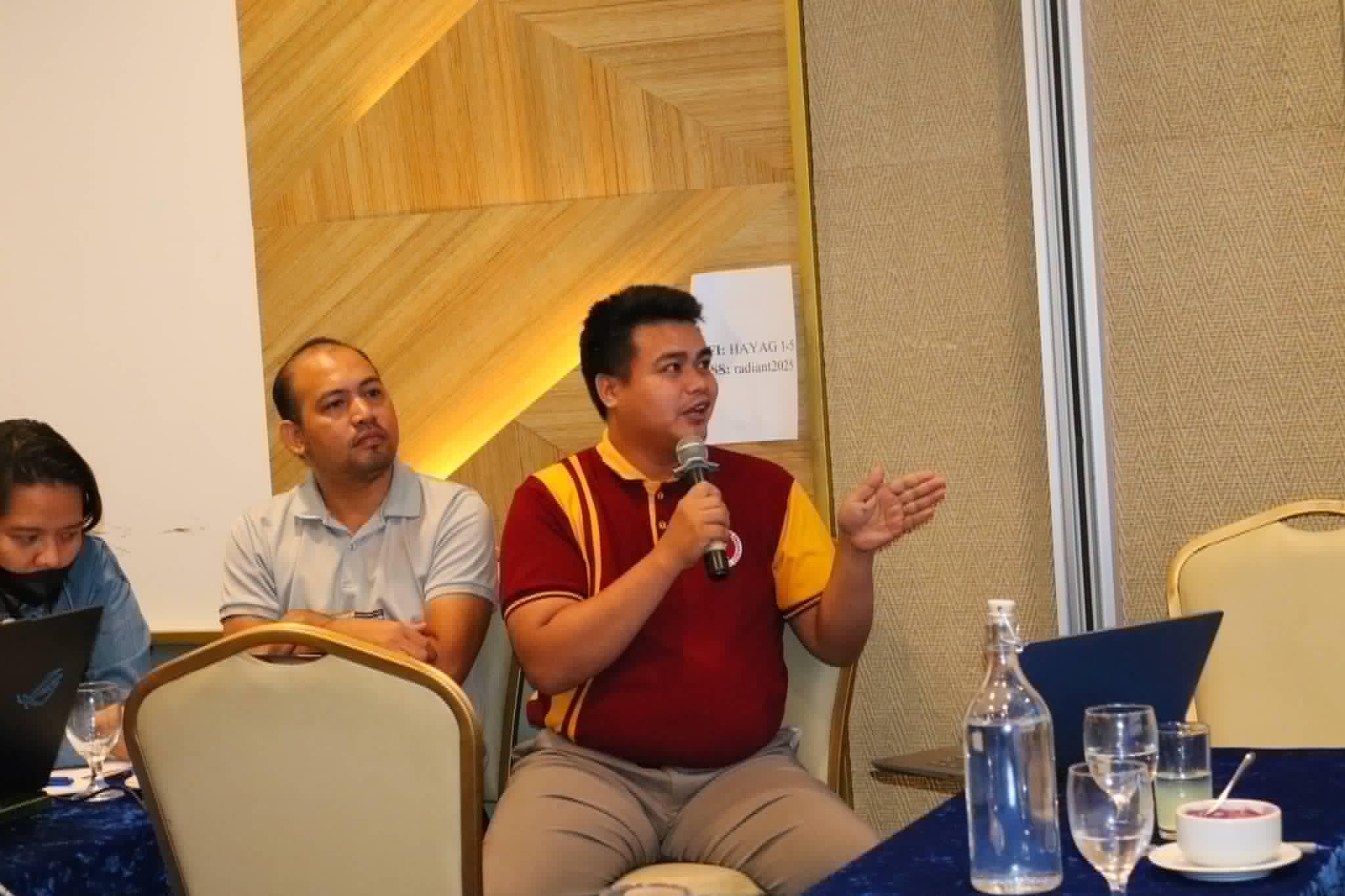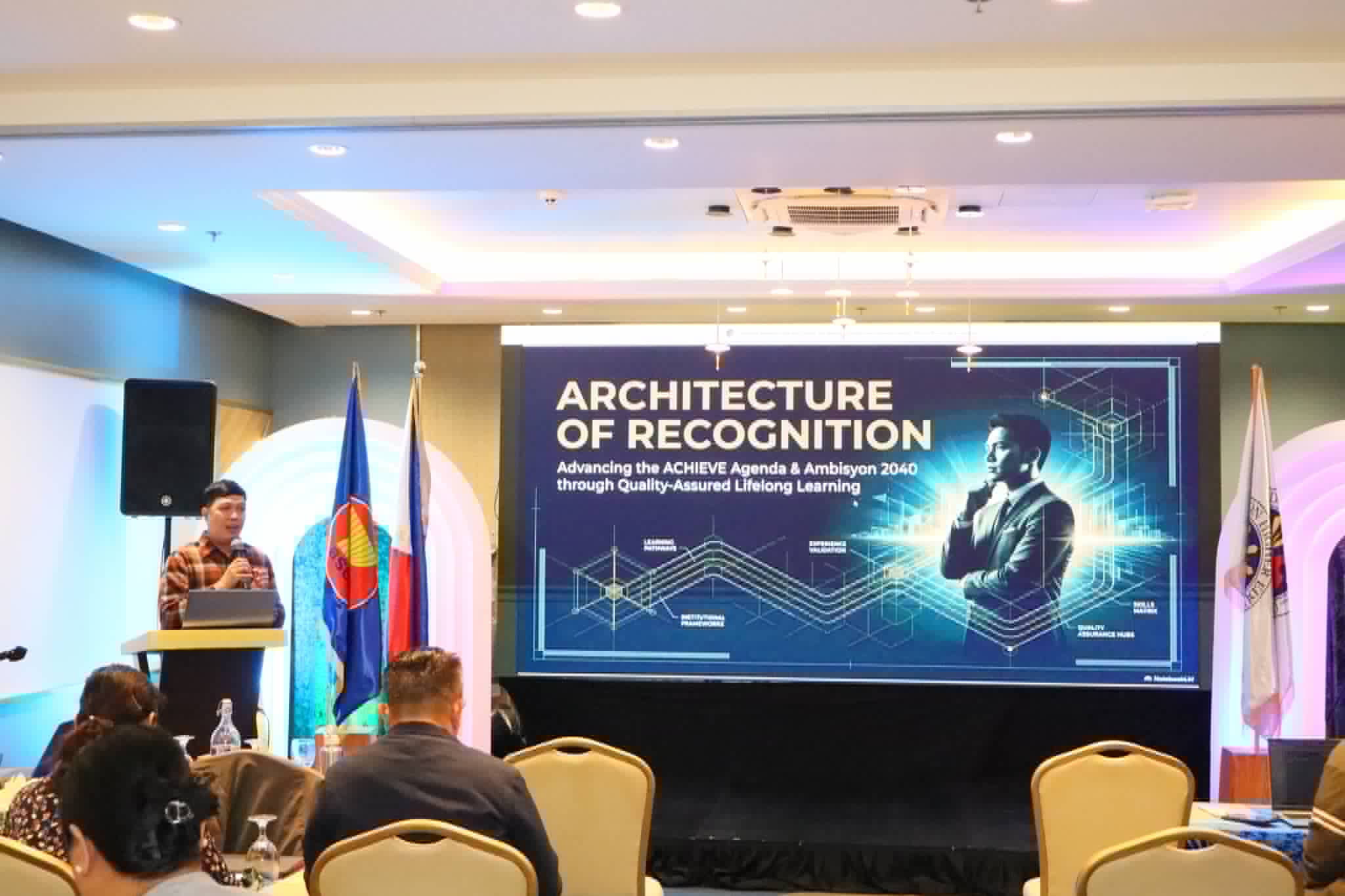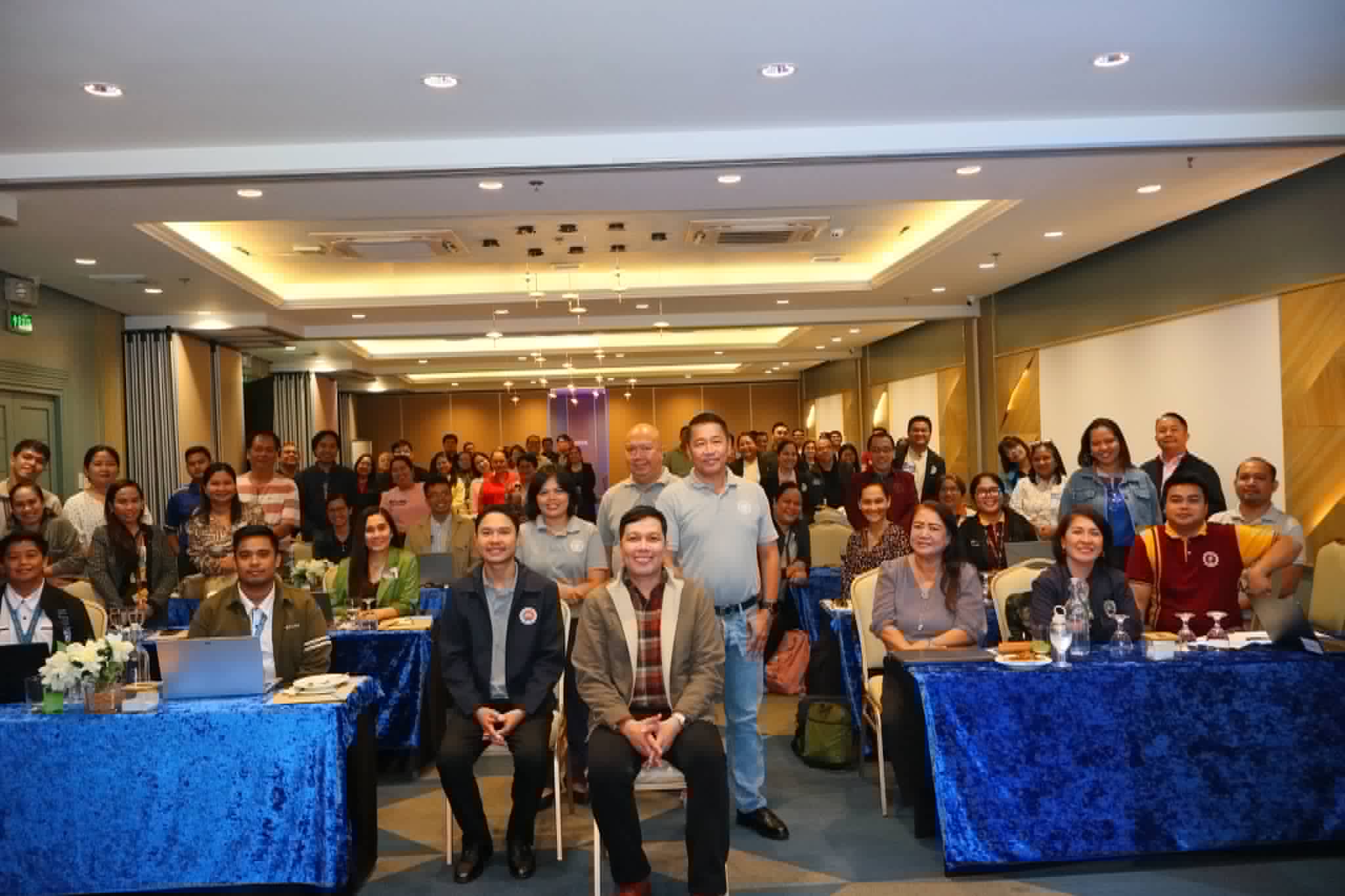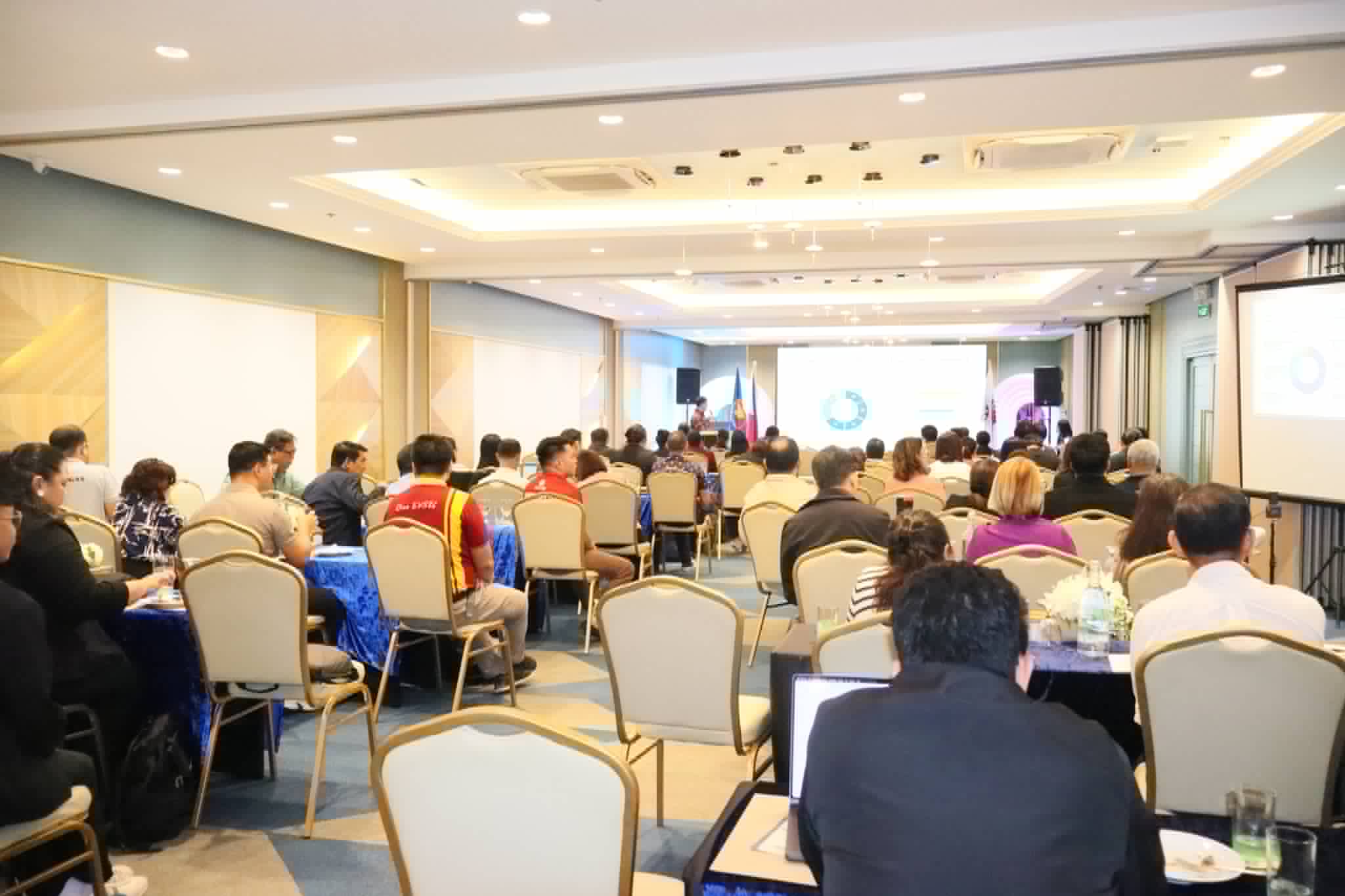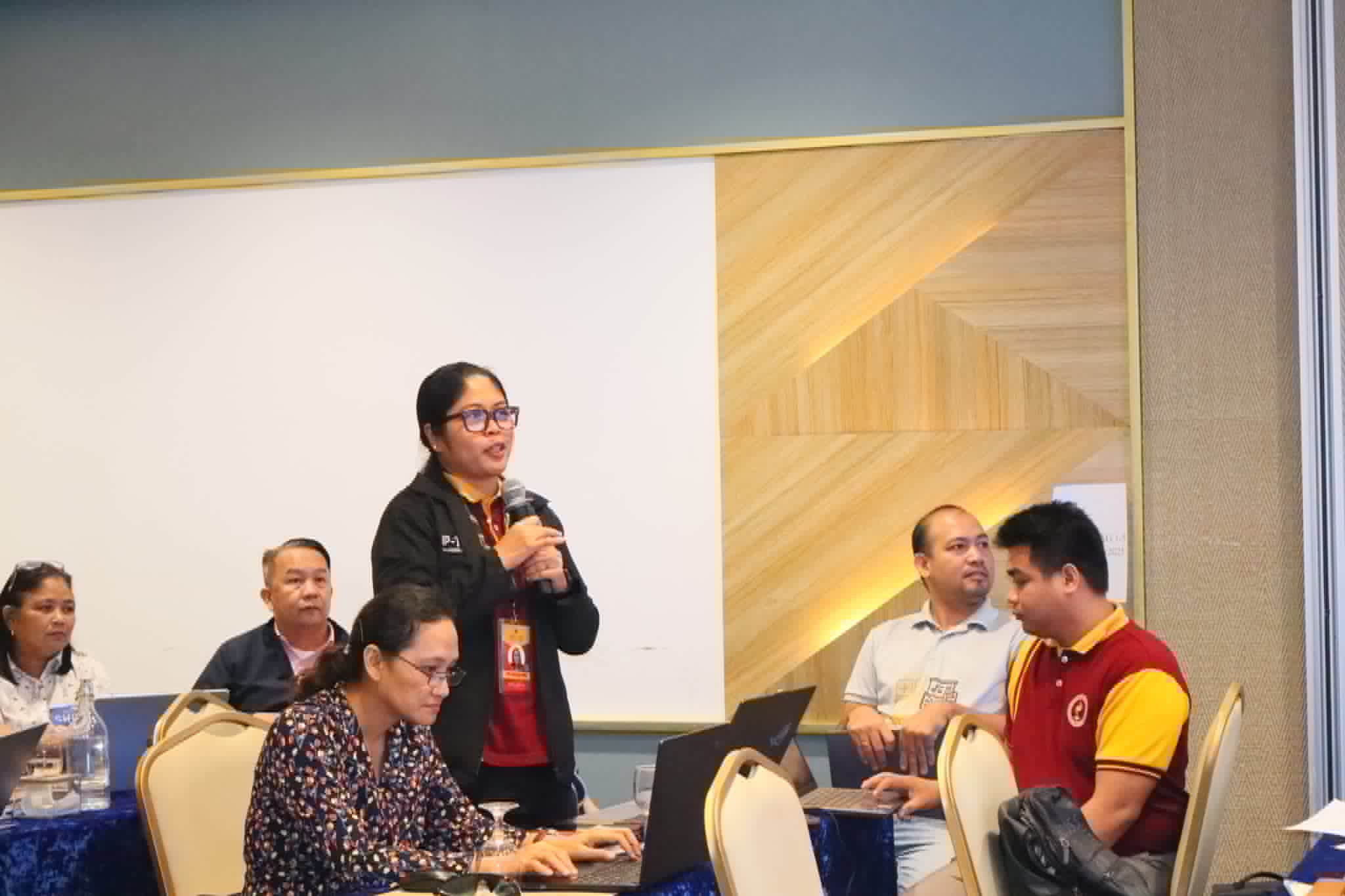
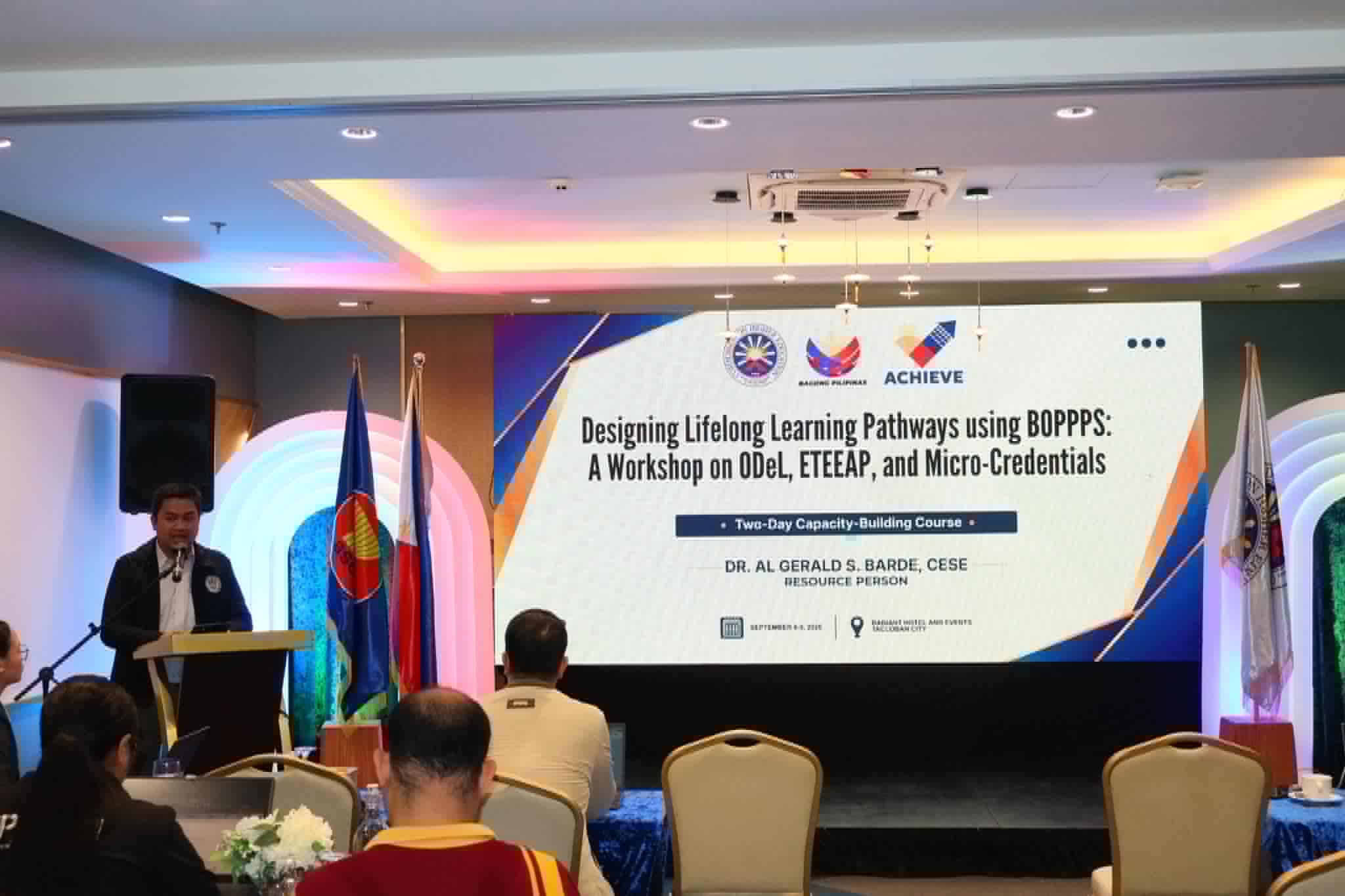
The Commission on Higher Education Regional Office 8 held a Seminar-Workshop on Lifelong Learning Pathways, Curriculum Unbundling, and BOPPPS Instructional Design on September 8 to 9, 2026, at the Radiant Hotel, Tacloban City. The resource speaker was Dr. Al Gerald S. Barde, CESE, Education Supervisor II of CHED Regional Office 1.
The sessions covered three linked policy areas.
ODeL. Anchored on CMO No. 12, series of 2025, this session framed Open Distance eLearning as a full program delivery system, not just online teaching. It requires governance and policy support, self-instructional materials, designed learner interaction, credible assessment, faculty trained in ODeL pedagogy, learner support services, and functioning technology infrastructure. Participants completed a traffic-light readiness scan across six domains: governance and policy support, LMS and technology, learning materials, faculty capability, learner support, and quality assurance. A second activity had them peer-review a sample ODeL module against six quality criteria, and a third had them walk through an LMS as a learner would, testing access, navigation, activities, assessment, and feedback.
ETEEAP. Anchored on CMO No. 11, series of 2025, this session centered on one distinction: ETEEAP recognition is based on demonstrated competence, not years of experience. Experience is treated as a source of evidence, and the decision must rest on what the applicant can actually show against a defined standard. Participants mapped program competencies before reviewing any applicant, rated a sample nursing portfolio using a 1 to 4 rubric, drafted structured interview questions designed to validate claims against evidence, and outlined an authentic performance assessment. The session closed with a decision framework: evidence status determines whether the outcome is equivalency credit, additional validation, further assessment, or competency enrichment.
Curriculum Unbundling and Micro-Credentials. This session introduced a five-step process for converting a parent course into a micro-credential: conduct a competency audit, define micro-learning blocks, align assessment with mastery, rewrite the content for a professional audience, then format and issue the credential.
Meanwhile, Eastern Visayas State University-Main Campus sent four representatives: Dr. Valentine Blez L. Lampayan, Director, Curriculum and Instructional Materials Development, Prof. Stephen Paul G. Cajigas, Head, Curriculum Development Office, Dr. Pearl Aphrodite B. Carnice, Director, External Affairs, and Mr. Jacob Genobiagon, Program Coordinator, Bachelor of Arts in English Language
The composition of the delegation covers curriculum development, ODeL delivery, external affairs, and one specific undergraduate program, the Bachelor of Arts in English Language, which is scheduled for ASEAN University Network Quality Assurance (AUN-QA) accreditation in the near future. The frameworks presented, particularly the evidence-based readiness scans, competency mapping tools, and assessment design steps requires verifiable learning outcomes, traceable assessment methods, and an active quality assurance process rather than a one-time compliance exercise.
EVSU’s participation was framed around the university’s institutional mantra of producing globally competitive professionals, with the university positioning its curriculum and quality assurance practices to meet current national ang global trajectories in flexible learning, credential recognition, and program accreditation.
via Jacob Genobiagon
Photo Courtesy: CHED Regional Office 8
This article is aligned with Sustainable Development Goals (SDG) 4: Quality Education; SDG 9: Industry, Innovation, Technology, and Infrastructure; SDG 17: Partnerships for the goals