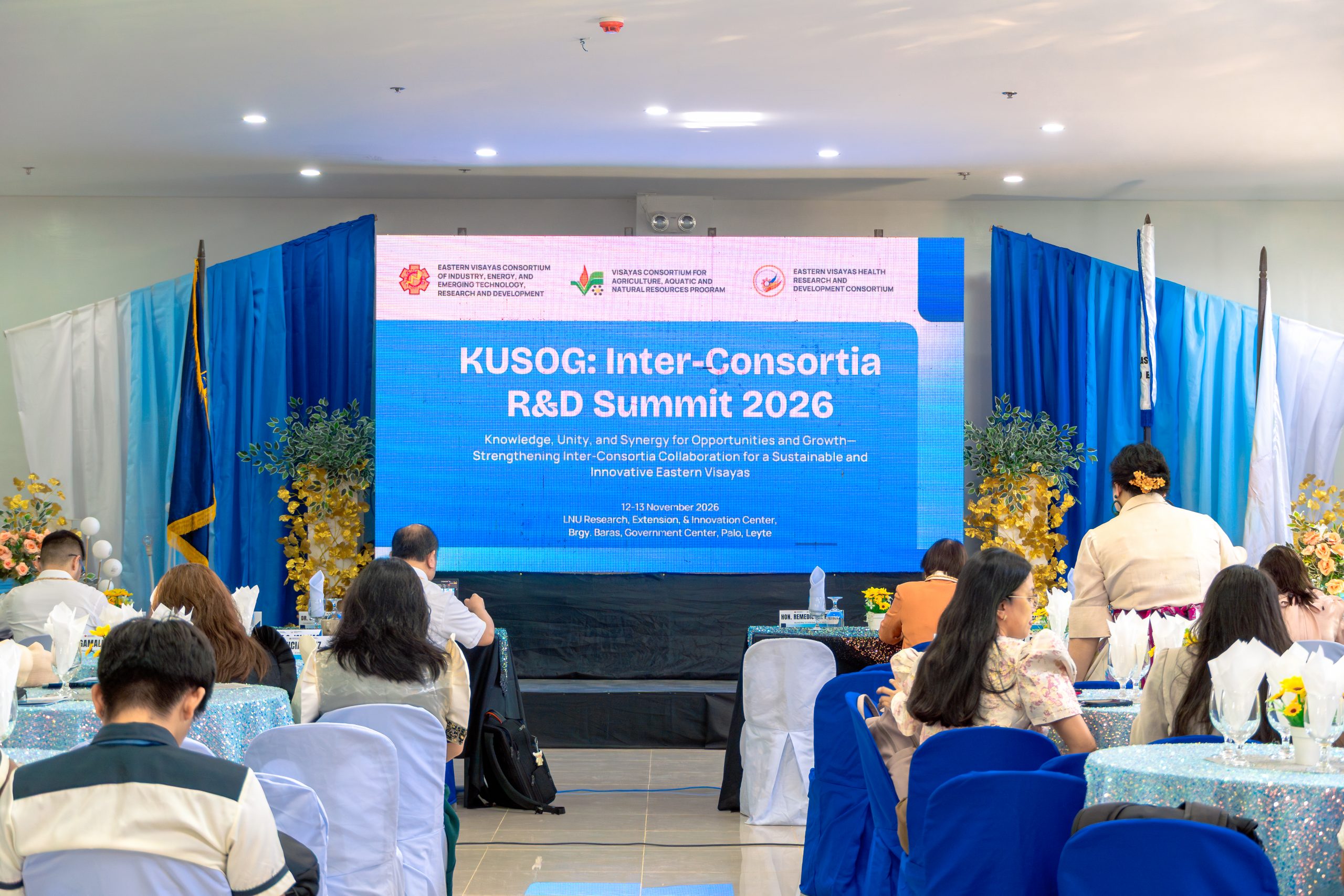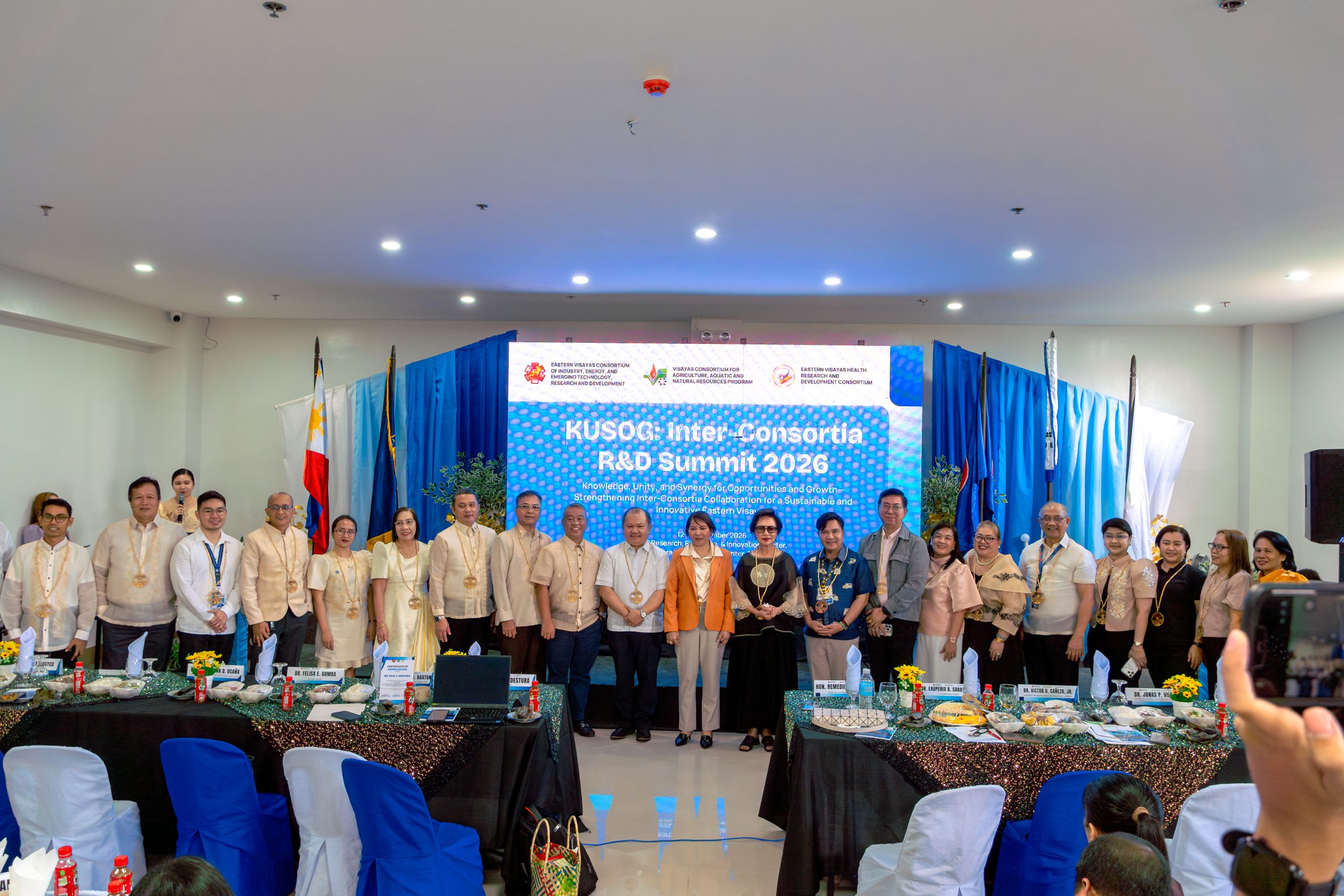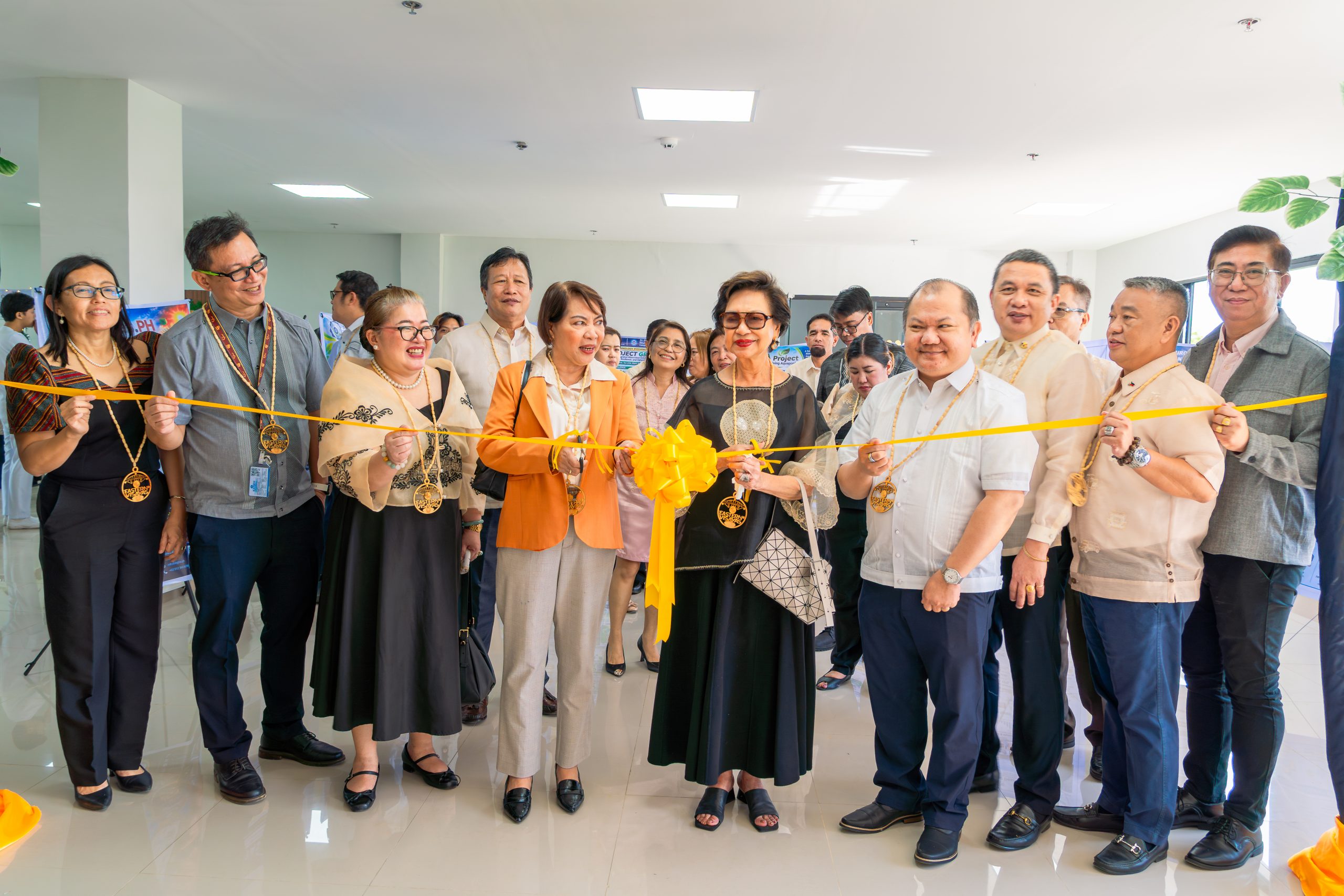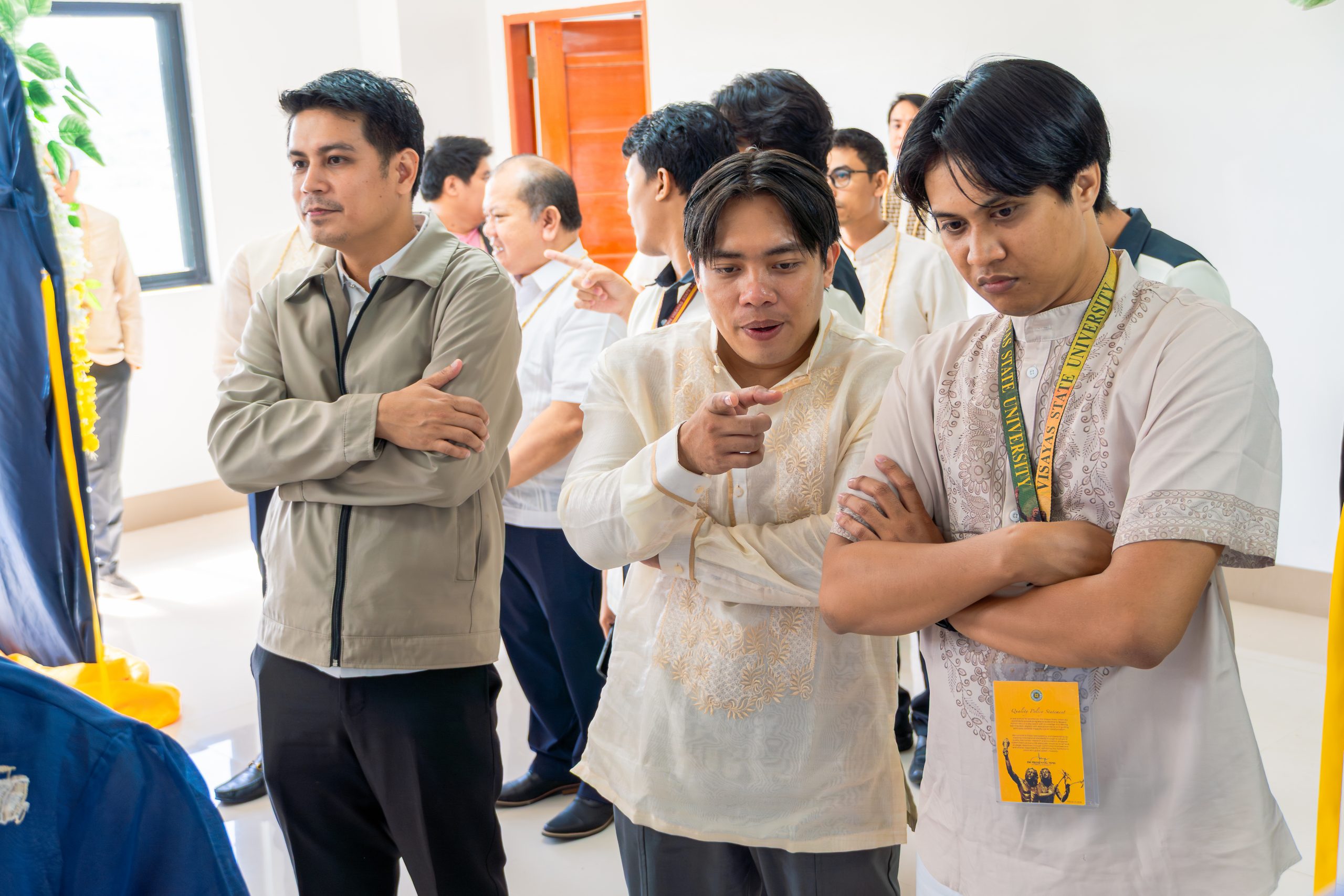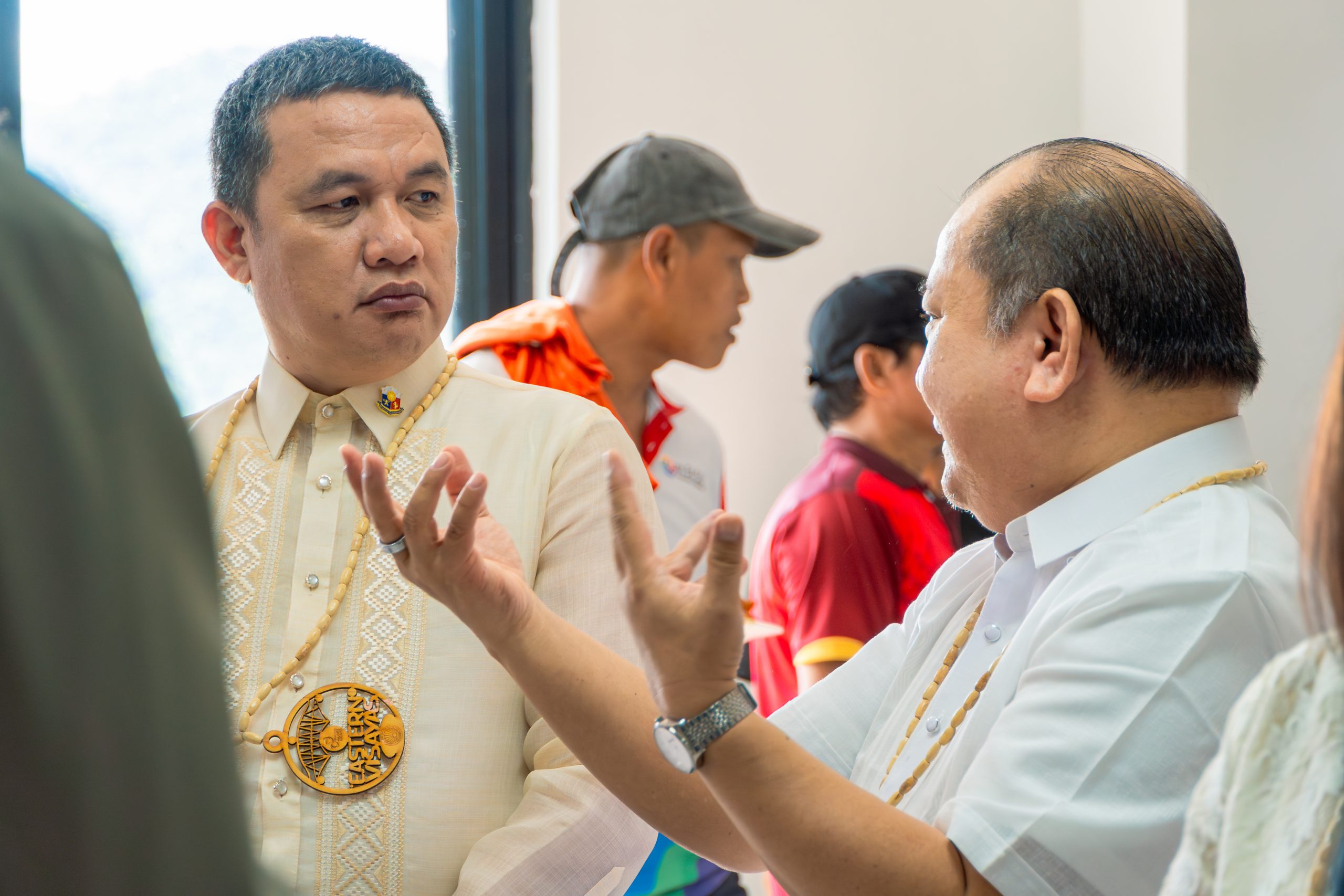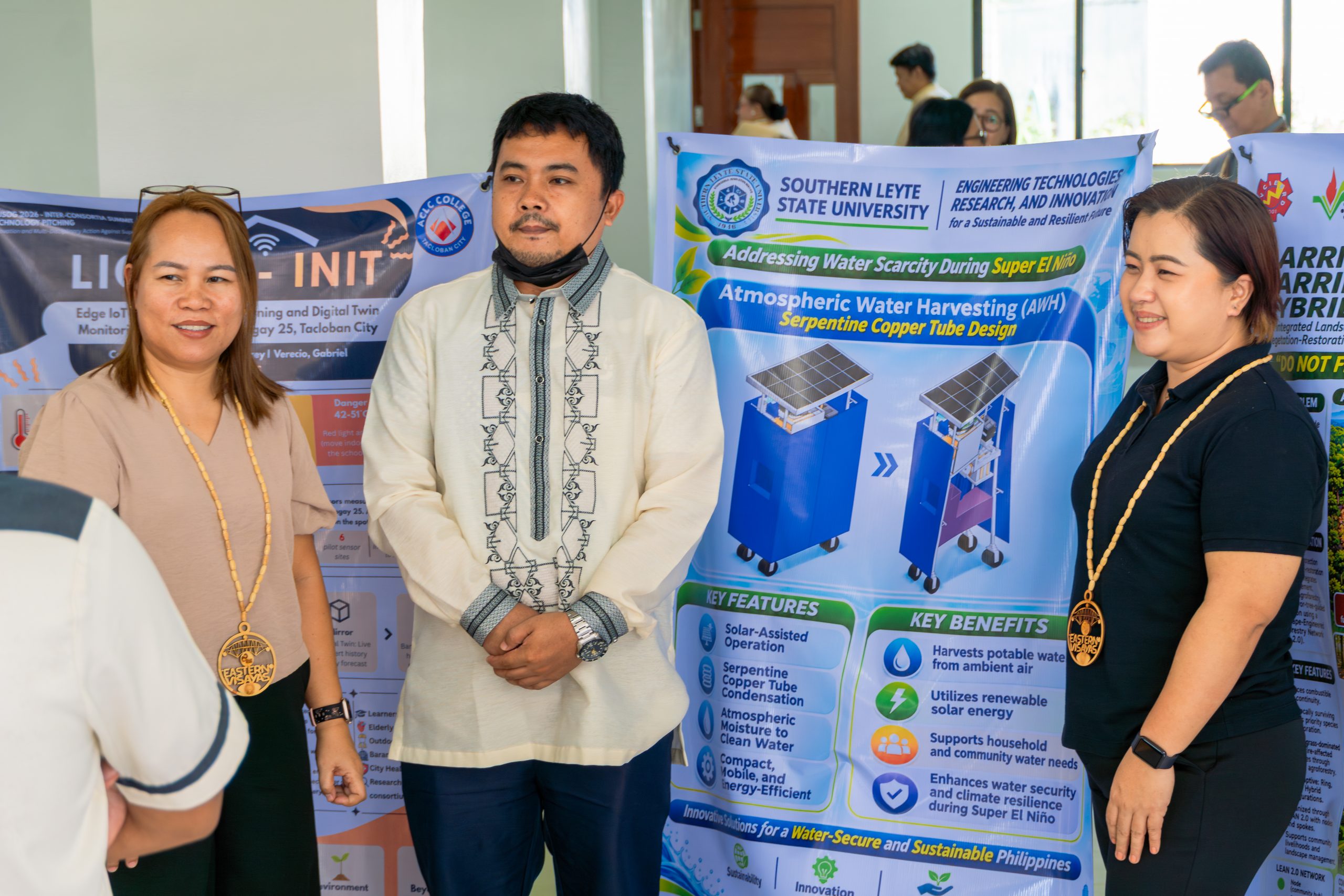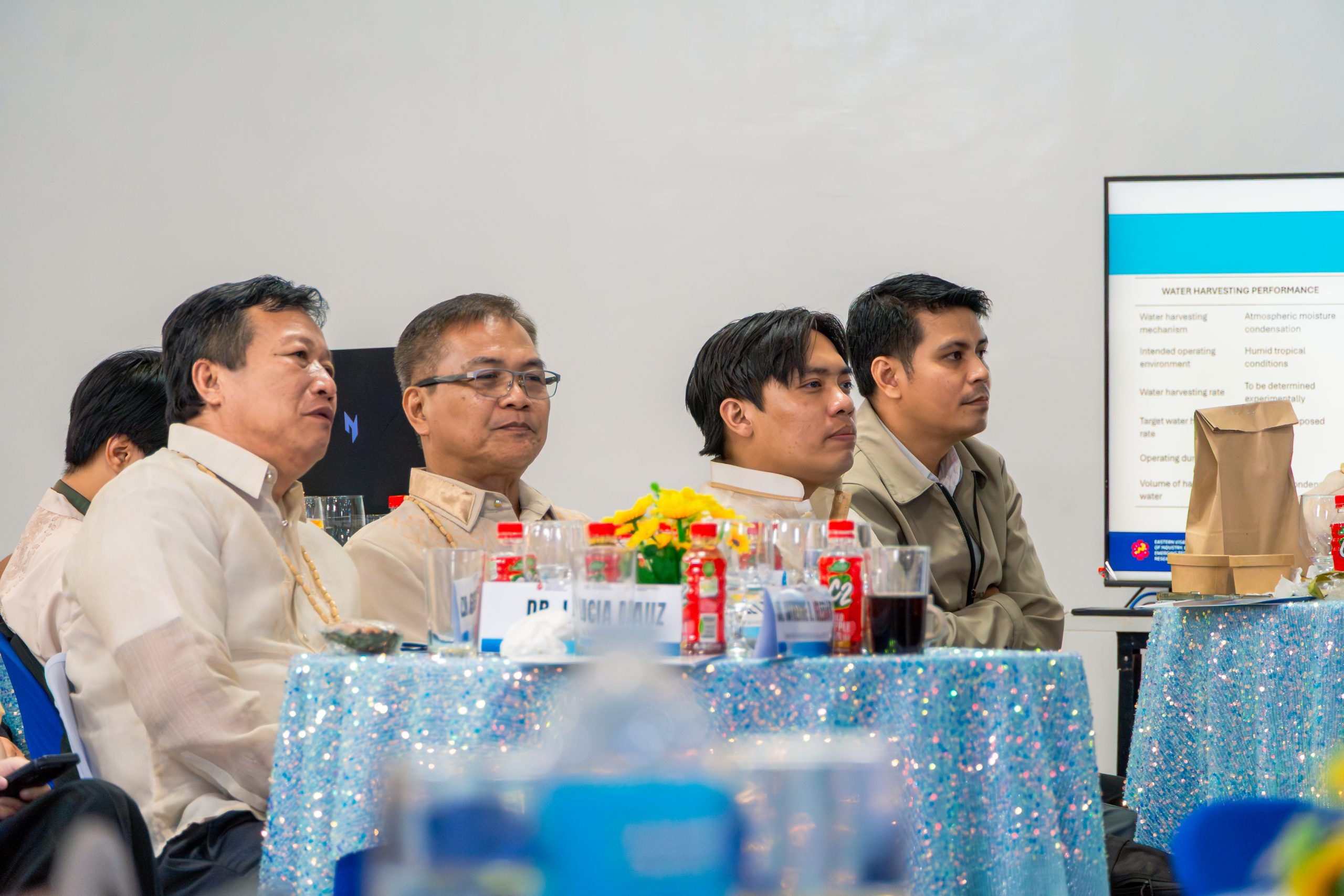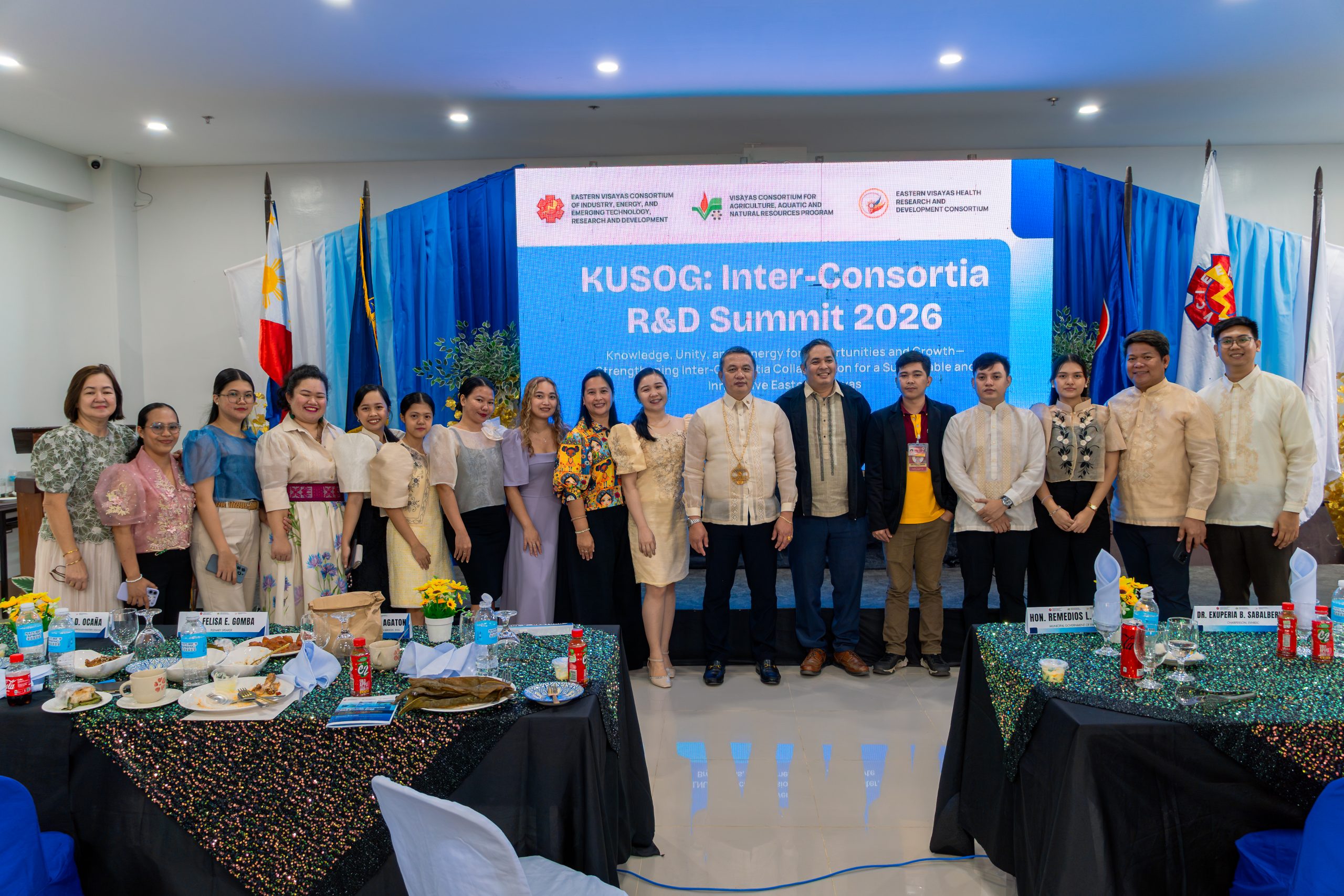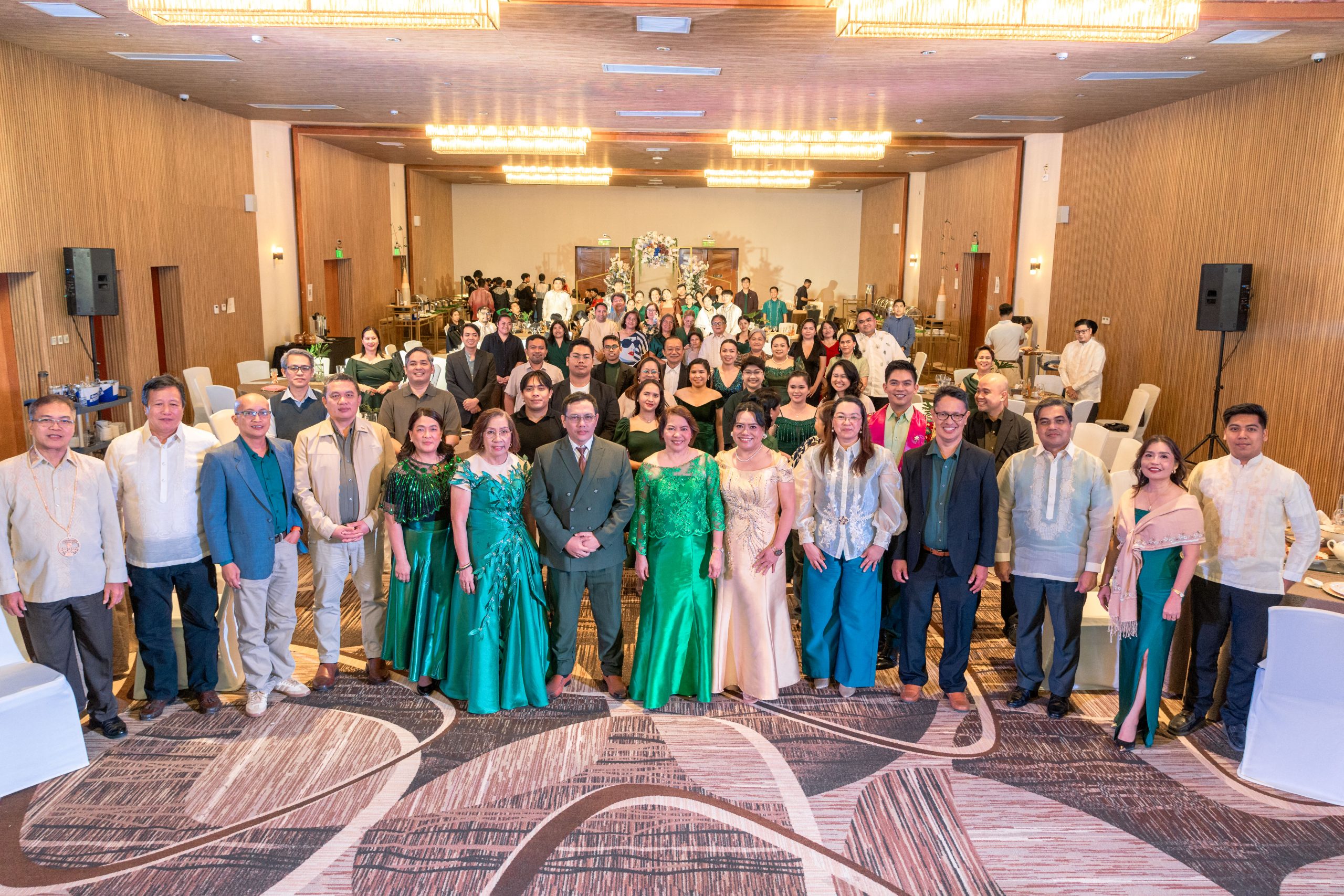
Three regional research consortia formally pledged to work together at the KUSOG: Inter-Consortia R&D Summit 2026. The Eastern Visayas Health Research and Development Consortium (EVHRDC), the Eastern Visayas Consortium for Industry, Energy and Emerging Technology Research and Development (EVCIEERD), and the Visayas Consortium for Agriculture, Aquatic and Natural Resources Program (ViCARP) adopted a joint declaration, the Manifesto of Unity and Complementarity, on November 12, 2026. The round table discussion was held at the Leyte Normal University Research, Extension and Innovation Center in Palo, Leyte, and the signing took place at The Tropics in Palo, Leyte.
Heads and representatives of member institutions signed it on the first day of the summit, after an afternoon round table. Signatories included state universities, colleges, and national and regional government agencies. Technical working group (TWG) members and consortium officials also took part.
The Manifesto starts from the point that the consortia’s strength lies “not in making our institutions identical, but in making our distinct capabilities complementary.” The three bodies have different mandates, institutional arrangements, expertise and resources. They still serve the same region and follow the Eastern Visayas Harmonized Research and Development Agenda 2022–2028.
The document acknowledges that collaboration already exists. It also points to room to improve coordination, make better use of limited resources, close capability gaps and turn research investments into measurable outcomes.
The signatories affirmed five commitments: unity of purpose, complementarity of capabilities, responsibly share expertise, research facilities, knowledge, technologies and institutional practices, coordination for greater impact, institutionalization of collaboration, and shared accountability. The signatories also recognized the need for an interim coordinating structure to steer these commitments.
The Manifesto states that it does not create a new legal entity, authorize financial obligations, transfer institutional authority, or supersede existing laws, policies and governance arrangements. Specific undertakings remain subject to the necessary approvals and agreements.
Moderated by Dr. Jonas P. Villas, Vice President for Research, Innovation, Extension and Internationalization of Leyte Normal University, the round table preceded the signing. Participants described it as a chance to say plainly where coordination falls short. Some key exchanges being distinct but coordinated, addressing gaps, and establishing practical steps toward the realization of their core mandates.
Meanwhile, Dr. Sheldon Ives G. Agaton, TWG Chair of EVCIEERD and Vice President for Research, Innovation and Extension Services of EVSU, contributed to the discussion on how funds would be handled. He pointed out that if the consortia move toward closer convergence, the management of funds, including liquidation, may possibly become an issue. He argued that there must be a clear procedure for it. His point fed into the wider conversation about who holds responsibility when funds are shared across consortia, and how a lead institution and clear obligations strengthen accountability.
A five-step path outlined during the session runs from endorsement and ratification by each consortium, to designating representatives and drafting terms of reference, to formal institutional approval, and finally operationalization and review. Executive committees and boards of the three consortia are expected to select the representatives for the interim body.
Dr. Agripino Limpiado Jr. and Dr. Roel Sabang each stressed that, whatever their sector, the consortia’s end goal is to help communities. Prof. Raquel Cecilia S. Chua of ACLC College of Tacloban urged the group to simply begin, while others shared that spirit as they signed.
The Manifesto closes with the pledge: “This is our shared purpose. This is our collective commitment. This is KUSOG.
This article is aligned with Sustainable Development Goals (SDG) 04: Quality Education; SDG 09: Industry, Innovation, Technology, and Infrastructure; and SDG 17: Partnerships for the goals
via Jacob Genobiagon