
A cleaner campus begins with simple actions, and for students of Eastern Visayas State University (EVSU), learning to care for the environment meant getting involved firsthand.
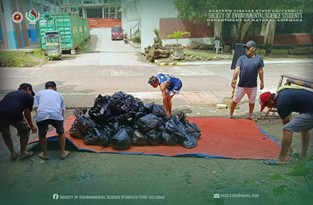
Putting their knowledge into practice, National Service Training Program–Civic Welfare Training Service (NSTP-CWTS) students participated in the Waste Assessment and Characterization Study (WACS) implementation on November 22, 2025, at the Science Building, EVSU Main Campus. The activity was organized by the Pollution Control Office in partnership with the Society of Environmental Science Students.
More than an environmental awareness activity, the initiative gave students the opportunity to understand the university’s waste-generation patterns through actual waste assessment. It also aimed to gather baseline data that would help the Pollution Control Office monitor waste consumption and identify areas for improved waste-management practices.
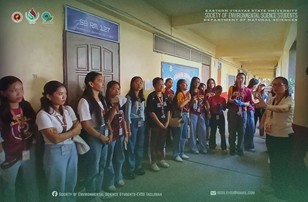
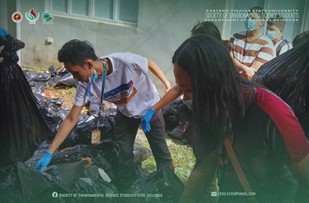
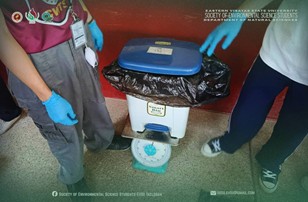
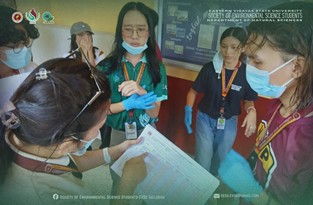
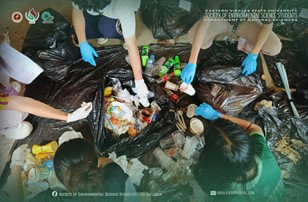
After a brief orientation, students were assigned to specific areas and tasks, where they took part in sorting, identifying, and weighing collected waste. They also recorded the gathered data on designated checklists before bringing the sorted waste to the designated pick-up area.
Through this hands-on activity, students saw that proper waste management goes beyond simply throwing waste into the right bins. It involves understanding the kind and amount of waste generated, making responsible choices, and recognizing how everyday habits affect the environment.
The activity also highlighted the importance of student involvement in building a cleaner and more sustainable university. By taking part in the process, NSTP-CWTS students were reminded that environmental responsibility is not just a lesson to learn but a commitment to practice.
Ultimately, the initiative reinforced a simple but meaningful message: caring for the environment starts with individual responsibility, but its impact becomes greater when everyone takes part.
JFRuedas | Via BS-EnS
This article is aligned with Sustainable Development Goals (SDG) 04: Quality Education; SDG 11: Sustainable Cities and Communities; SDG 13″ Climate Action, and SDG 17: Partnerships for the Goals