SDG 17 | PARTNERSHIP FOR THE GOALS
EVSU’s Dedicated Educational Outreach Activities for the Wider Community
Eastern Visayas State University (EVSU) recognizes that its responsibility as a public higher education institution extends beyond providing quality tertiary education to its enrolled students. As an institution committed to inclusive development, lifelong learning, community empowerment, and regional transformation, EVSU actively extends its educational resources, academic expertise, research outputs, and technical capabilities to the wider community through structured extension programs, community-based learning initiatives, literacy interventions, technical-vocational training, digital literacy activities, environmental education, cultural learning, and capacity-building programs.
Guided by its mandate to contribute to the development of Eastern Visayas, the University institutionalizes educational outreach through its Extension Services Office, Office of Research, Innovation, and Extension Services, academic schools, departments, and external campuses. These offices and academic units work with local government units, national government agencies, public schools, community organizations, cooperatives, livelihood associations, and other development partners to identify community learning needs and implement appropriate educational interventions. Through this collaborative approach, EVSU makes its academic expertise and institutional resources available to individuals and groups who may have limited access to formal education, specialized training, and continuing learning opportunities.
EVSU’s educational outreach encompasses both formal and non-formal learning activities, recognizing that education takes place not only within conventional classrooms but also through community engagement, practical skills development, experiential learning, public lectures, digital knowledge-sharing, cultural education, and technology transfer. Its initiatives serve diverse external beneficiaries, including elementary schoolchildren, out-of-school youth, adult learners, parents and guardians, public school teachers, persons deprived of liberty, farmers, fisherfolk, women in urban poor communities, livelihood beneficiaries, and members of local community organizations.
Expanding Access to Foundational Literacy, Numeracy, and Inclusive Education
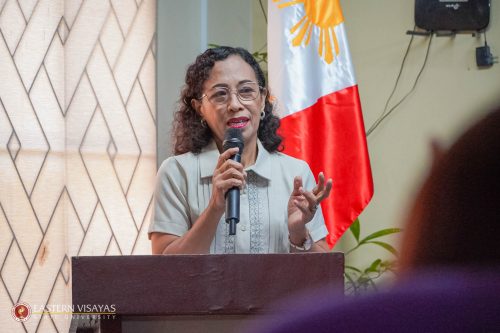
EVSU actively contributes to addressing educational inequalities through initiatives that provide learning assistance to children and individuals who have limited access to educational opportunities. In 2025, the University implemented and supported several literacy-focused initiatives that extended its educational expertise to public schools, alternative learning communities, and underserved elementary learners.
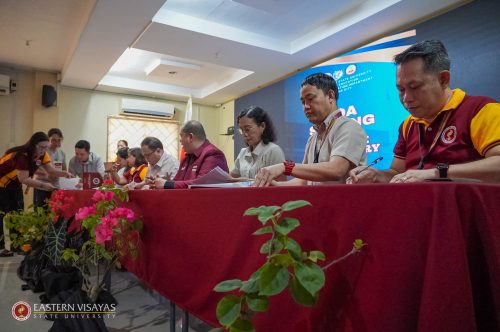
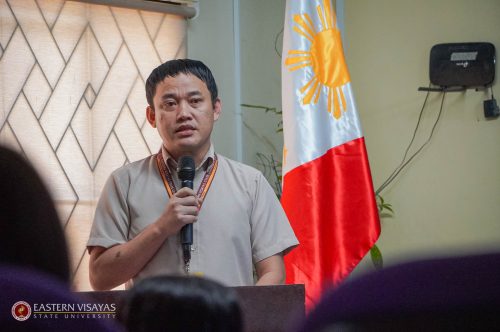
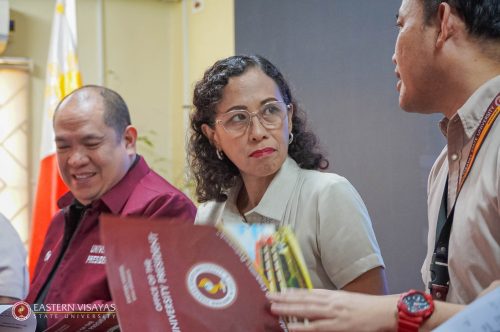
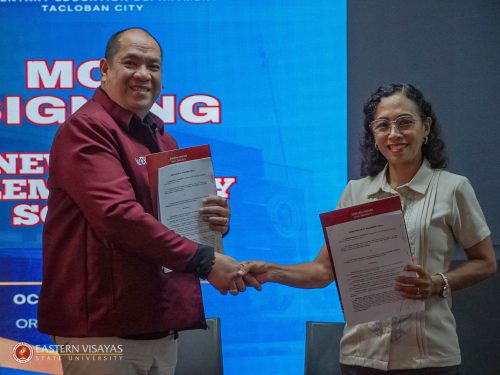
One notable initiative was Project L.I.G.H.T. (Literacy, Innovation, Growth, and Holistic Teaching), implemented through the University’s School of Education and Elementary Education Department. On October 22, 2025, EVSU formalized a partnership with New Hope Elementary School under the Department of Education’s Tacloban City Division to advance foundational literacy and numeracy among elementary learners. The initiative provides for the establishment of a school-based Reading Hub, reading and numeracy interventions facilitated by EVSU Elementary Education students, and continuing capacity-building activities for public school teachers. Through this partnership, EVSU extends its instructional expertise, teaching resources, and academic support to the public education sector, contributing to efforts to improve foundational learning and promote inclusive educational practices among young learners.
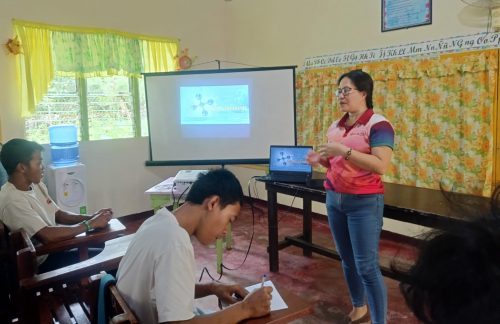
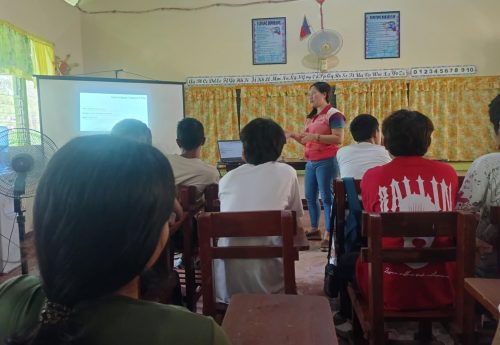
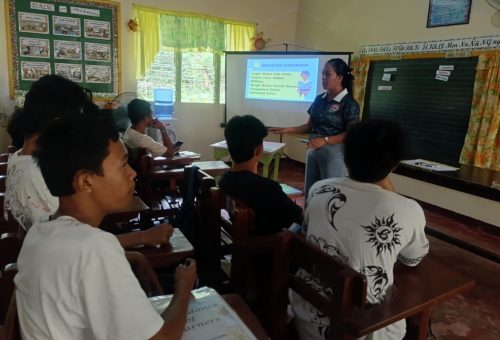
The University’s commitment to alternative and continuing education was also demonstrated through Project SMILE and Project READY, implemented by EVSU–Carigara Campus through its Education Department on January 17, 2025, at Barugo I Central School in Barugo, Leyte. These projects were implemented under Program EMPOWERED (Empowering Education in Collaboration with Empowering ALS Learners Through E-BE-Cs Program), which promotes the enhancement of basic education through community-based learning and skills training. The initiatives extended educational assistance to Alternative Learning System (ALS) learners, particularly out-of-school youth and adults who seek opportunities to continue their education and develop practical competencies. By engaging learners outside conventional school settings, EVSU supports alternative educational pathways and recognizes the importance of lifelong learning for individuals who have experienced barriers to formal education.
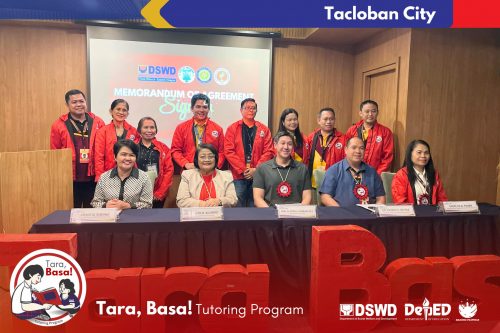
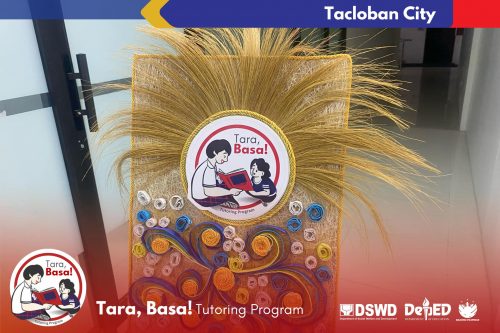
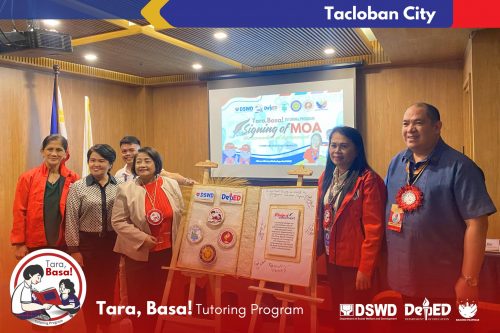
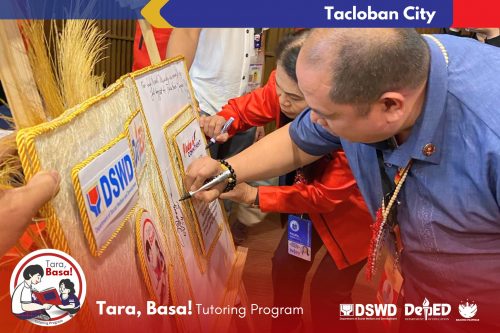
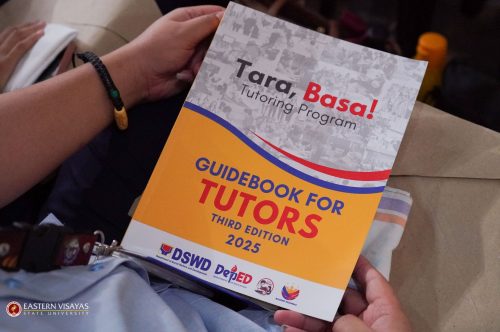
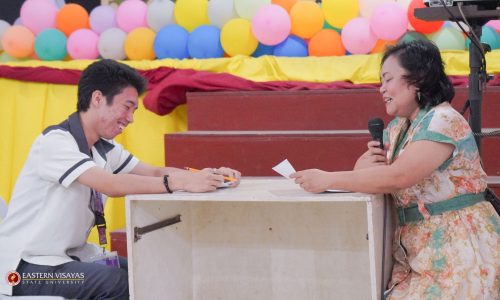
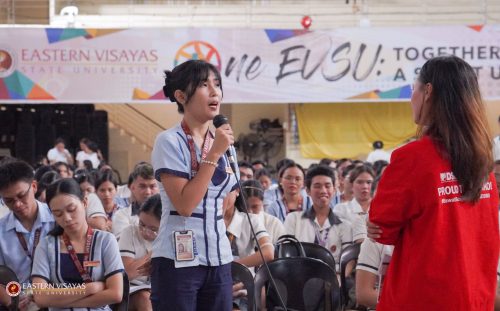
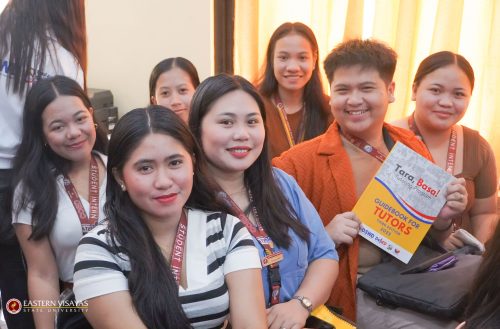
EVSU also participated in the DSWD Tara, Basa! Tutoring Program, which mobilized university students to support foundational reading development among disadvantaged elementary pupils. Through collaboration with DSWD and DepEd, the University prepared student tutors and Youth Development Workers through capability-building activities before their deployment to partner elementary schools. At the main campus, EVSU conducted a five-day training from March 31 to April 4, 2025, to equip student participants with the instructional competencies and responsibilities required to deliver effective reading tutorials and facilitate educational sessions for parents and guardians.
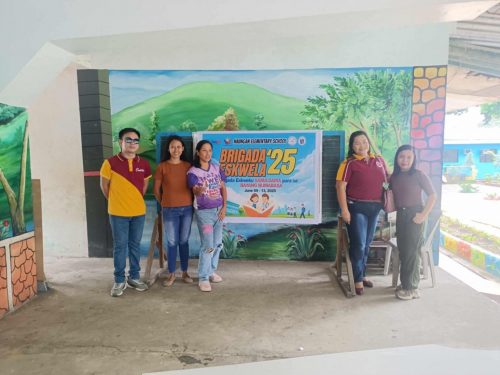
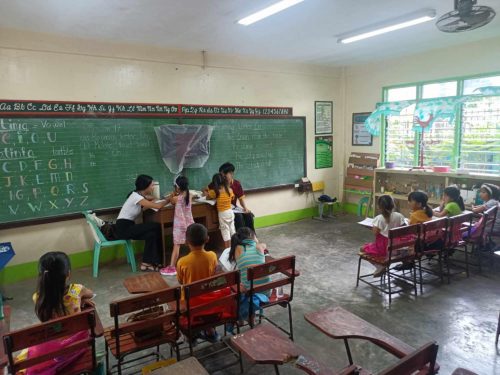
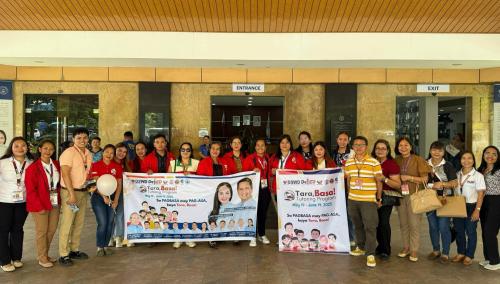
The initiative was also implemented extensively through EVSU–Ormoc Campus. From May 19 to June 13, 2025, the campus mobilized 242 student tutors from its Teacher Education Department to provide intensive one-on-one and small-group reading tutorials to Grade 1 pupils across various elementary schools in Ormoc City. Complementing the tutoring activities were the Nanay-Tatay sessions, which encouraged parents to become active partners in their children’s literacy development and provided guidance on supporting learning at home. The program concluded with simultaneous culmination activities in participating elementary schools. This initiative illustrates the University’s capacity to mobilize its human and academic resources on a substantial scale to address literacy gaps among children outside its formal student population.
Through these literacy and alternative education initiatives, EVSU contributes to improving foundational competencies, supporting teachers and parents, and providing educational opportunities to individuals who may otherwise have limited access to supplementary learning assistance.
Promoting Adult Education, Reintegration, and Inclusive Learning for Marginalized Groups
EVSU recognizes that educational opportunities should remain accessible to individuals regardless of their social circumstances, age, or previous educational experiences. Accordingly, the University extends its educational programs to marginalized populations, including adult learners and persons deprived of liberty.
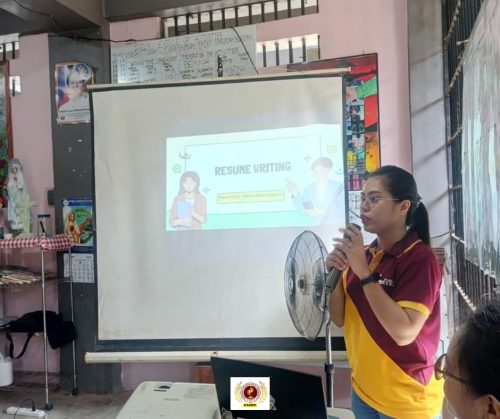
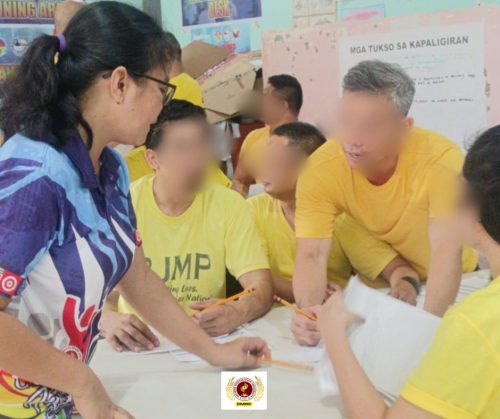
A significant example is the Literacy, Integration, Fitness, and Empowerment (LIFE) Project, implemented by EVSU–Carigara Campus under its HOPE (Holistic Outreach for Personal Empowerment) Program. On May 23, 2025, the University’s Extension Services Office conducted a specialized learning session entitled “Writing with Purpose: Crafting Effective Workplace Documents” for persons deprived of liberty at the Bureau of Jail Management and Penology Carigara District Jail.
The workshop focused on developing practical workplace communication and writing competencies, particularly the preparation of professional resumes and workplace documents. By providing relevant knowledge and employability-related skills to PDLs, EVSU contributed to their personal development, confidence-building, and preparation for eventual social and economic reintegration. This initiative reflects the University’s recognition that access to education and skills development can play an important role in creating second-chance learning opportunities for individuals facing social and economic barriers.
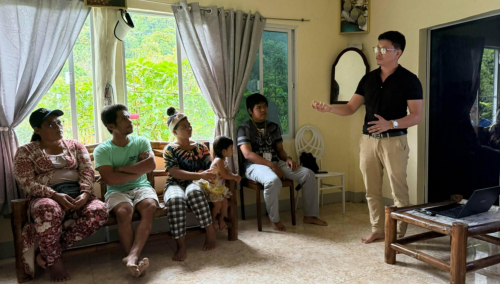
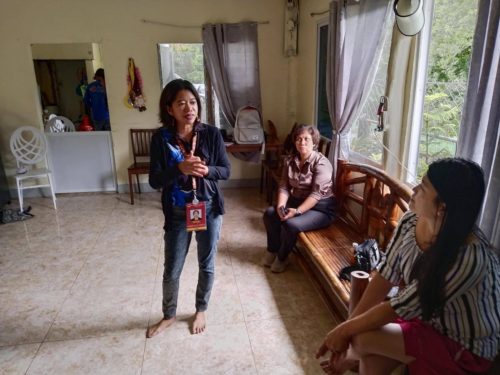
In addition, Eastern Visayas State University–Ormoc Campus (EVSU-OC) also continues to develop community-based learning initiatives that respond to the educational and livelihood needs of local residents. Its activities in Barangay Danao demonstrate an integrated approach to adult and community education, combining practical skills training, agricultural knowledge transfer, and consultations for learning interventions that support families and adult learners.
As part of this commitment, EVSU-OC launched its inaugural Hydroponics Project, providing local farmers with opportunities to learn modern and resource-efficient agricultural practices. The training was led by Prof. Allan Reynaldo Mabitad, Head of the Technology Department, with Prof. Arneil Pepito as facilitator. Participants gained practical knowledge of hydroponic systems, nutrient management, and the economic benefits of soil-less farming. By introducing alternative agricultural techniques that make efficient use of limited land and water resources, the initiative sought to equip farmers with additional competencies that could improve their livelihoods, strengthen household food security, and support community-level economic resilience.
Complementing the agricultural training, EVSU-OC conducted stakeholder consultations with parents, barangay representatives, and Department of Education (DepEd) representatives to identify further learning needs and develop responsive community education interventions. Among the proposed initiatives was MaReHTes (Managing Reading at Home and Teaching Strategies), led by Prof. Georgina Orbita, which aims to equip parents with practical strategies and tools to support their children’s literacy development at home. Another identified intervention was Adult Literacy on Business Mathematics, led by Prof. Beatrice D. Mabitad, which seeks to strengthen the basic financial literacy and business mathematics competencies of community members. These competencies are particularly relevant to adults involved in household budgeting, small-scale livelihood activities, and other income-generating endeavors.
The consultations reflect EVSU-OC’s recognition that adult education encompasses more than basic literacy. It also involves providing individuals with functional knowledge and practical skills that enable them to make informed decisions, improve their economic circumstances, support their families, and participate more effectively in community development. By engaging parents, farmers, and other local stakeholders in identifying learning priorities, the University promotes an inclusive and needs-based approach to lifelong learning.
Through these efforts, EVSU-OC extends the University’s educational resources to community members whose learning needs may not be adequately addressed through conventional formal education. The activities also establish opportunities for sustained collaboration with local government, barangay officials, DepEd, and community organizations in developing accessible and relevant extension programs.
Overall, the Hydroponics Project and the associated stakeholder consultations demonstrate EVSU’s commitment to making education more inclusive, practical, and responsive to the needs of adults and underserved communities. By linking livelihood development with literacy, family learning, and functional competencies, the University helps create pathways for lifelong learning, improved economic participation, and stronger community resilience.
Through these initiatives, EVSU reinforces its commitment to inclusive education by recognizing the learning needs of marginalized populations and supporting their continuing personal, social, and economic development.
Delivering Technical-Vocational Education and Skills Development for Community Livelihoods
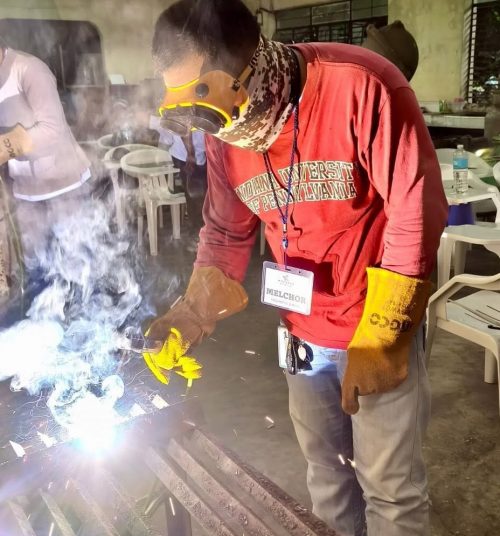
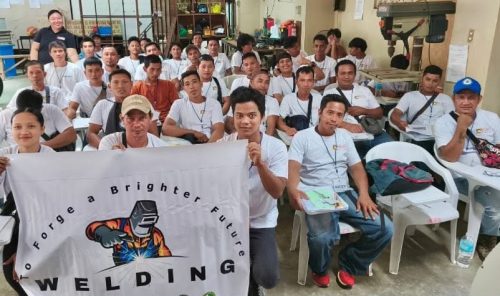
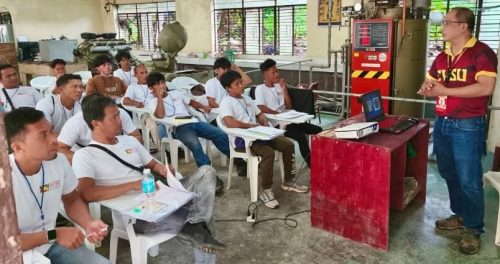
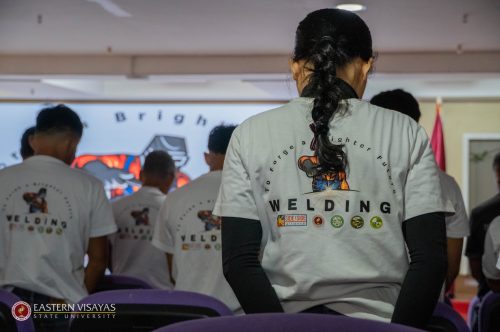
Recognizing that education and skills development are essential to economic empowerment, EVSU provides practical and competency-based training to individuals and community groups outside the University. Its technical and livelihood-oriented extension initiatives translate academic knowledge into usable skills that can improve employment prospects, enterprise development, and community productivity.
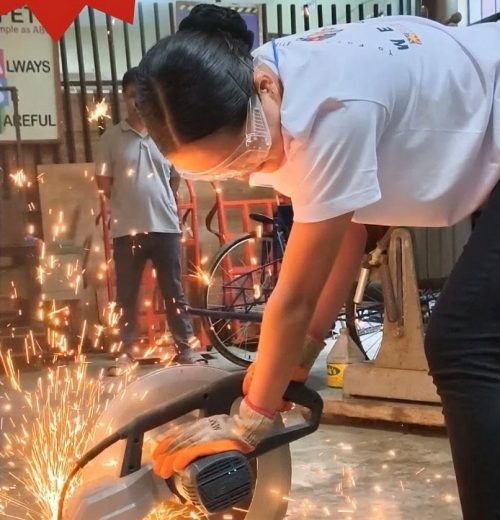
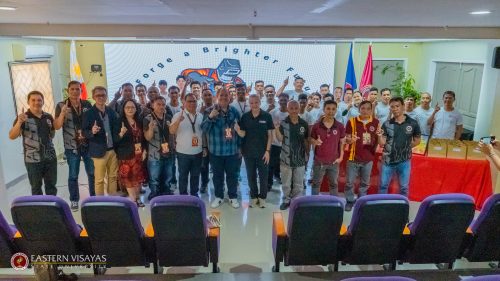
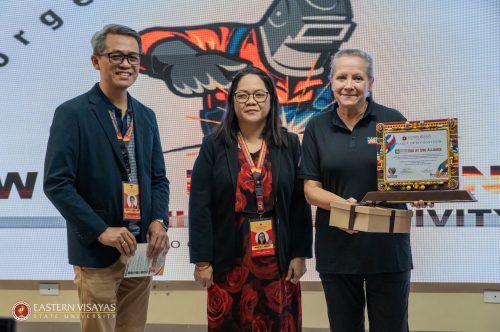
A notable example is the FORGE Extension Project, implemented by the University’s School of Technology in partnership with Side-by-Side Alliance Inc. The project provided community-based welding instruction to residents of Barangays Pitogo and Catoogan in Sta. Fe, Leyte. Through the guidance of EVSU faculty members, participants acquired practical competencies relevant to welding-related employment and livelihood activities. The project’s culminating activity was held on October 24, 2025, recognizing the completion of training by community beneficiaries. Each trainee received a Certificate of Achievement, while five beneficiaries had already earned Welding National Certificate II (NC II). These accomplishments demonstrate the University’s contribution to developing practical technical competencies and supporting nationally recognized skills certification among external beneficiaries.
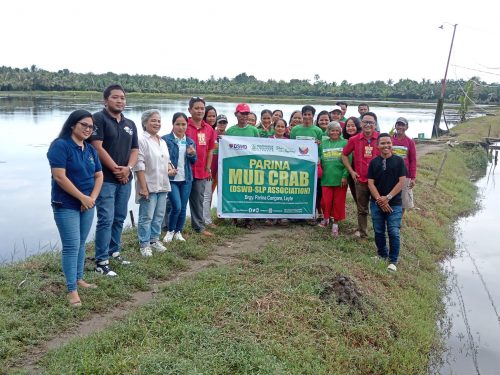
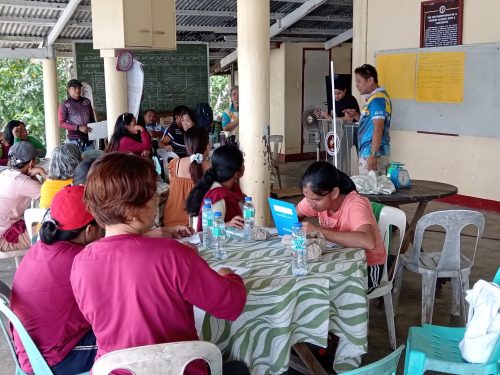
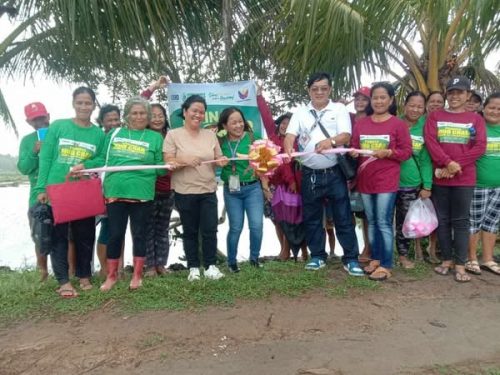
Similarly, EVSU–Carigara Campus, through its Capacity Advancement and Training for Community Harvesters (CATCH) in Fisheries Project, conducted a specialized training on mangrove crab culture on January 31, 2025, at the EVSU–Carigara Aquafarm in Barangay Parina, Carigara, Leyte. Implemented in collaboration with the Municipal Agriculture Office, BFAR Region VIII, and DSWD, the activity served beneficiaries of the DSWD Sustainable Livelihood Program. Participants received instruction on crab biology, sustainable crab culture techniques, crab fattening, and pond and pen management. The initiative was linked to the Mud Crab Culture Project, which aims to support two fisherfolk organizations in Barangay Parina through sustainable aquaculture skills and improved livelihood opportunities.
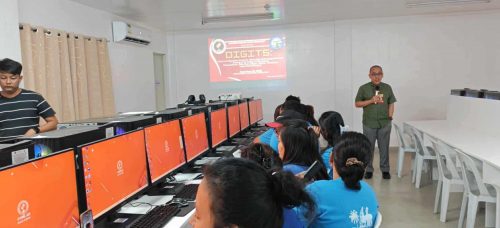
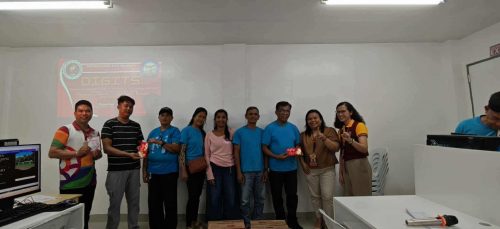
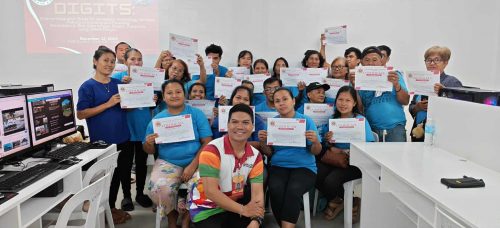
EVSU also promotes the development of digital and information technology competencies among community organizations. Through the DIGITS Project (Diverse Integration Guide for Immediate Technology Services), EVSU–Dulag Campus, through its BSIT Department, partnered with the Nagkaurusa nga Sabangnon Katilingban Service Cooperative (NASAKASECO) in delivering specialized ICT training. On September 30, 2025, the University conducted training on managing PowerPoint slides and multimedia presentations to strengthen participants’ capacity to use digital tools for organizational and communication purposes. This was followed by a Canva workshop on December 12, 2025, which provided practical instruction on creating professional presentations, brochures, and graphic designs. These activities extended digital skills development to members of an external community cooperative and supported their ability to utilize technology in organizational and livelihood-related activities.
These initiatives illustrate how EVSU extends technical-vocational education, digital literacy, fisheries knowledge, and enterprise-related skills to community members, strengthening their capacity to participate in productive economic activities.
Advancing Community-Based Environmental Education and Sustainable Agriculture

EVSU recognizes that educational outreach also plays an important role in developing environmental awareness, strengthening community participation, and promoting sustainable resource management. The University therefore integrates environmental education, agricultural technology demonstrations, and practical knowledge-sharing into its extension initiatives.
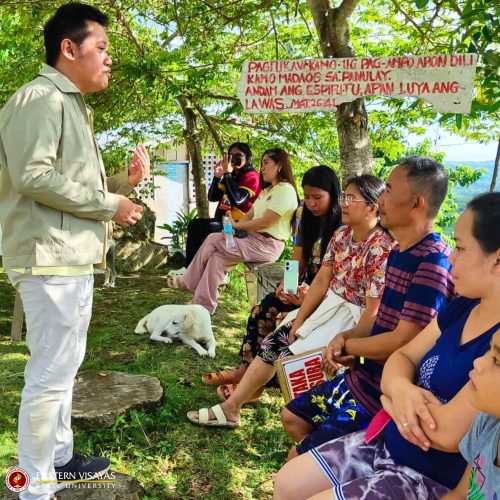
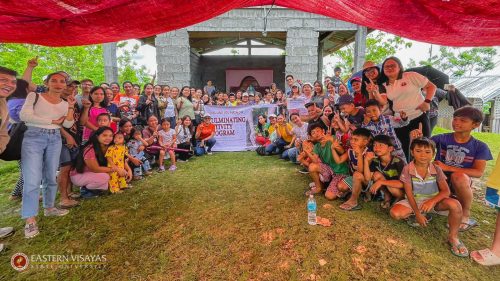
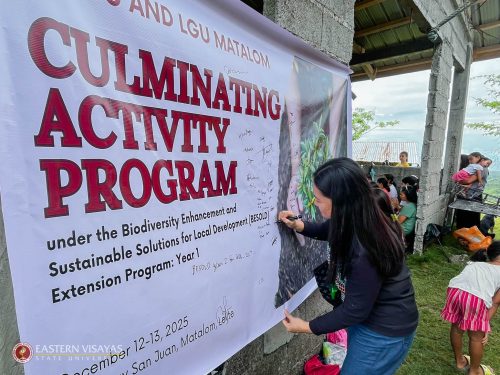
One of its significant initiatives is the Biodiversity Enhancement and Sustainable Solutions for Local Development (BESOLD) Extension Program, implemented in partnership with the Local Government Unit of Matalom, Leyte, and the community of Barangay San Juan. Through the adoption of Jubilee Cross Hill as a community extension site, EVSU integrated habitat restoration, biodiversity conservation, environmental education, and community participation into a continuing development initiative.
During the program’s first year in 2025, EVSU conducted a tree-planting activity involving 100 native Banaba trees, preceded by an educational briefing on proper planting techniques. On August 8, 2025, the program conducted a hands-on plant propagation activity involving 20 Mussaenda philippica shrubs, complemented by a lecture on marcotting. The first-year implementation culminated on December 12–13, 2025, with lectures on geotagging for tree monitoring and environmental planning and community partnerships. Resource persons from DENR Region VIII and the environmental management sector provided practical guidance on monitoring tree-growing initiatives and sustaining community-based environmental projects. EVSU also presented its accomplishments and gathered recommendations from residents and barangay officials to guide succeeding activities.
EVSU–Ormoc Campus complemented these efforts through its Hydroponics Project, launched in May 2025 to introduce sustainable agricultural techniques to farmers in Barangay Danao. The initiative provided instruction and practical demonstrations on hydroponic systems, nutrient management, and the economic benefits of soil-less farming. Led by the Technology Department, the activity introduced local farmers to approaches that can maximize agricultural production while utilizing land and water resources more efficiently. During the University’s November 2025 Extension Extravaganza, a further hydroponics seminar demonstrated the operation of a working water-circulation system and the application of modern agricultural technology.
Through these activities, EVSU makes environmental and agricultural knowledge accessible to local communities, enabling residents to acquire practical skills and apply sustainable approaches to natural resource management, food production, and community development.
Providing Community Education in Mental Health, Family Learning, and Social Well-Being
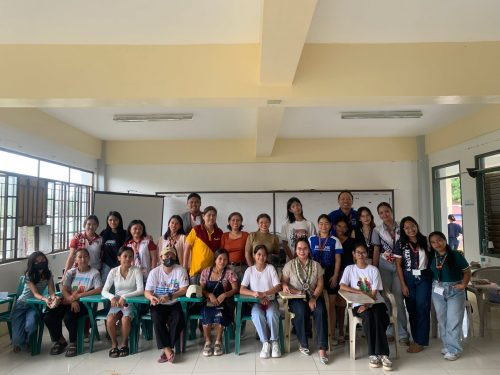
EVSU recognizes that community education must respond not only to technical and academic needs but also to the social, psychological, and family-related concerns that influence individual and community well-being.
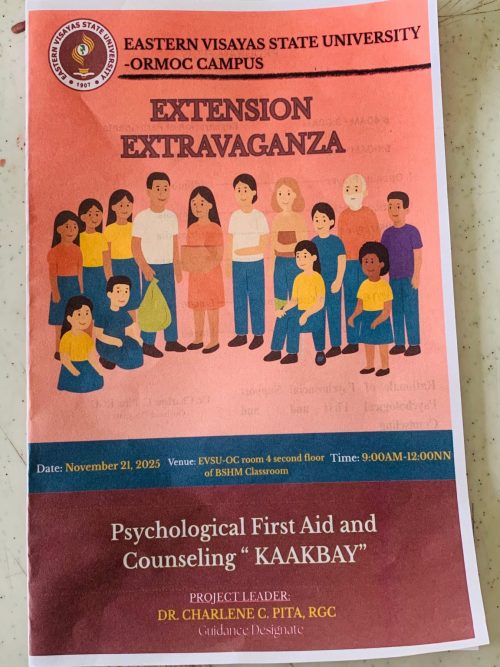
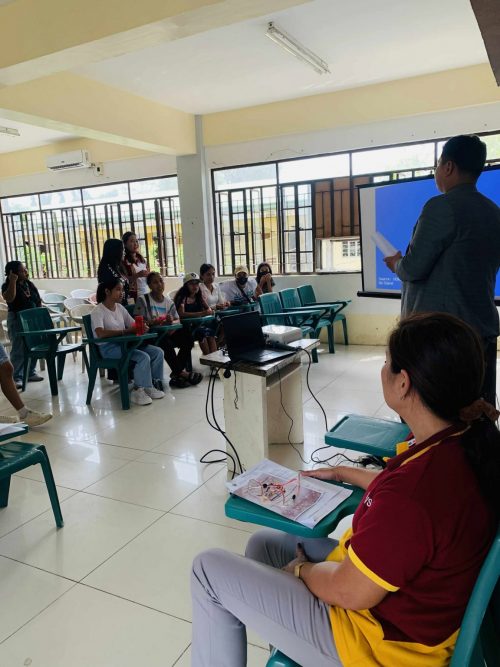
Through Project KAAKBAY, conducted during the EVSU–Ormoc Campus Extension Extravaganza on November 21, 2025, the University provided a seminar on Psychological First Aid and Counseling. Led by Dr. Charlene C. Pita, Registered Guidance Counselor, together with members of the Peer Facilitators Circle, the activity introduced participants to the importance of psychosocial support and appropriate responses to individuals experiencing distress, particularly during difficult or crisis situations.
The initiative demonstrates the University’s use of its guidance and counseling expertise to promote community awareness of mental health and psychosocial support. By extending this knowledge beyond the student population, EVSU contributes to strengthening the capacity of individuals and community stakeholders to recognize and respond appropriately to psychosocial concerns.
EVSU–Ormoc also implemented Project MaReHTes (Managing Reading at Home and Teaching Strategies for Parents) during the same Extension Extravaganza. This initiative provided parents with practical strategies and instructional approaches for supporting their children’s reading development and learning activities at home. It reinforces the importance of family participation in education and equips parents with knowledge that can be applied directly within their households.
Complementing this effort, the Nanay-Tatay sessions under the Tara, Basa! Tutoring Program provided another avenue for strengthening parental engagement in children’s education. Through these initiatives, EVSU promotes the concept of the home as an important learning environment and recognizes parents and guardians as essential partners in achieving educational outcomes.
Extending Learning Opportunities through Digital Platforms and Public Knowledge-Sharing
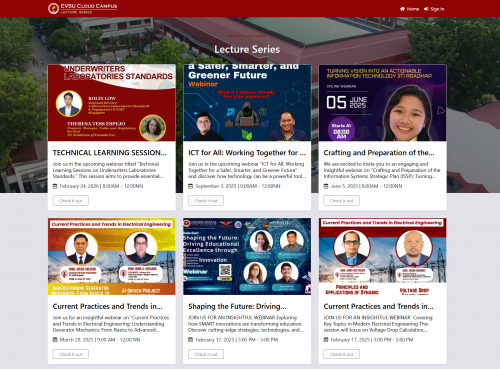
In addition to face-to-face community extension activities, EVSU promotes broader access to educational resources through its EVSU Cloud Campus initiative, online educational webinars, lectures, and knowledge-sharing activities. These platforms enable the University to disseminate specialized knowledge beyond conventional classroom settings and provide learning opportunities for individuals who may encounter geographical or logistical barriers to attending in-person activities.
Among its documented 2025 activities was the February 17 educational webinar on electrical engineering, which covered voltage drop calculation and the principles and applications of Dynamic Rotary Uninterruptible Power Supply systems. The University also presented the webinar “Shaping the Future: Driving Educational Excellence Through SMART Innovation,” which brought together resource speakers from industry and higher education to discuss innovation, technology integration, technopreneurship, and educational development.
On March 29, 2025, EVSU conducted an online session on current practices and trends in electrical engineering, featuring discussions on generator mechanics and AI-driven project management. On June 5, 2025, it organized a webinar on the preparation of Information Systems Strategic Plans, providing insights into technology roadmapping and institutional digital transformation. Further extending its digital learning initiatives, EVSU hosted “ICT for All: Working Together for a Safer, Smarter, and Greener Future” on September 3, 2025. The webinar addressed cybersecurity in everyday life, emerging digital threats, and strategies for building digital resilience. Its intended audience included students, educators, professionals, and technology enthusiasts.
These activities demonstrate the University’s commitment to disseminating relevant technical, professional, and technological knowledge through accessible online platforms. By making learning opportunities available beyond physical classrooms, EVSU supports continuing professional development and lifelong learning among a wider range of participants.
Promoting Cultural and Intercultural Education for the Wider Public
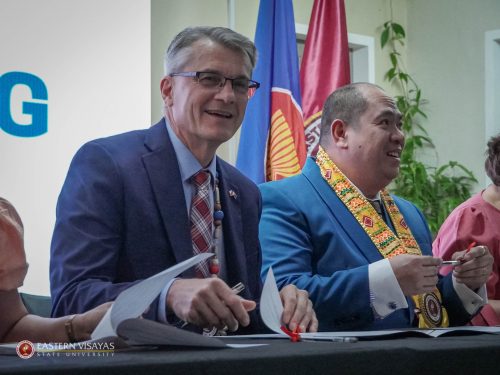
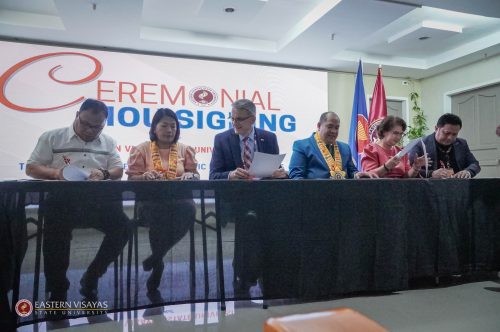
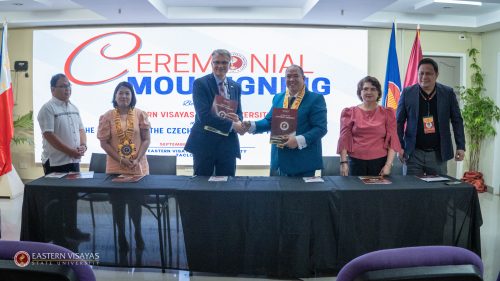
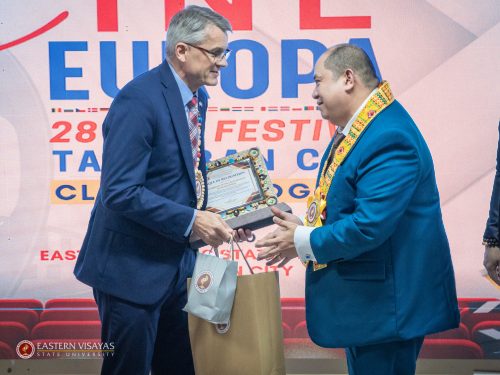
EVSU recognizes cultural learning, international exposure, and intercultural understanding as important dimensions of education and lifelong learning. Through its internationalization initiatives, the University provides opportunities for students, faculty members, and the wider community to engage with diverse cultures, perspectives, histories, and global issues. By bringing international cultural activities and educational experiences to Eastern Visayas, EVSU promotes appreciation of cultural diversity, encourages meaningful intercultural dialogue, and broadens public understanding of societies beyond the local context.
On September 15–20, 2025, EVSU, through its Office of Internationalization, co-hosted Cine Europa 28, the 28th Cine Europa Film Festival, in partnership with the European Union Delegation to the Philippines. The festival brought 12 European films to Tacloban City, providing local audiences with opportunities to explore different European cultures, histories, social experiences, and perspectives. Through cinema, participants were exposed to themes relating to cultural identity, diversity, human dignity, human rights, sustainability, and social inclusion. The screenings served as an informal educational platform that encouraged critical reflection, intercultural understanding, and appreciation of perspectives beyond one’s immediate community. By making international films accessible to local audiences, EVSU transformed its campus into a venue for public cultural education and international knowledge-sharing.
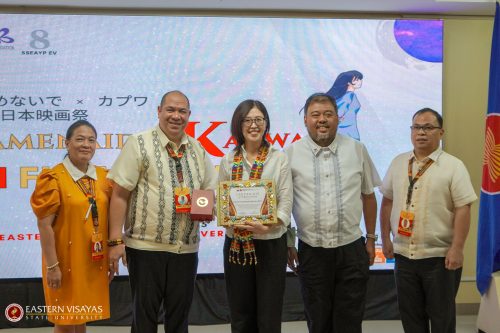
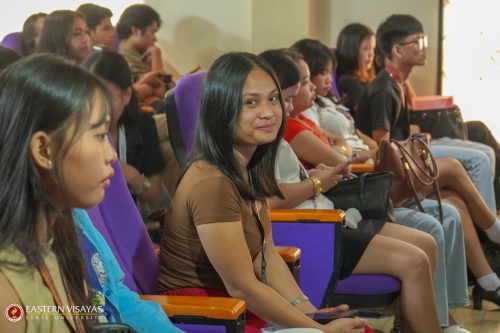
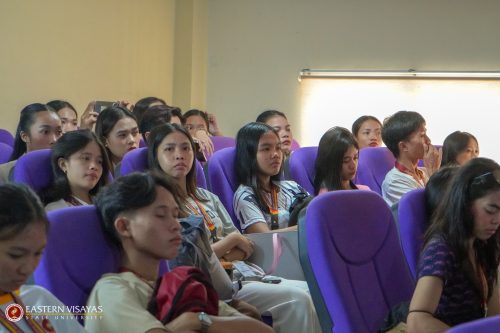
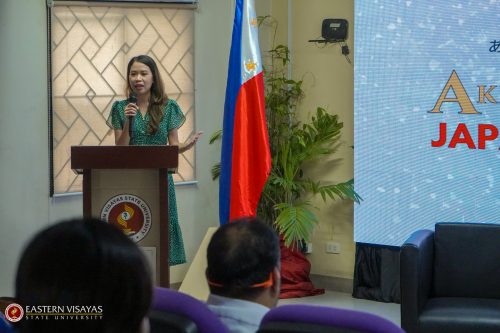
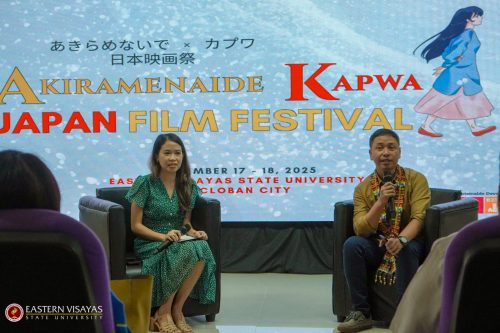
Further strengthening these efforts, EVSU, through its Internationalization Office, hosted the Akiramenaide Kapwa Japan Film Festival on November 17–18, 2025, as part of its continuing efforts to promote Japanese culture, intercultural understanding, and international collaboration. The two-day festival featured Japanese films screened at the University’s ORIES Studio and Miguel Romualdez Memorial Auditorium, providing students and faculty members with opportunities to experience Japanese cinema and engage with Japanese cultural narratives.
The festival’s opening program featured a presentation by Dr. Norman Zafra, director of Ponce in Kimono, one of the films included in the festival lineup. He shared insights into his creative process, the production of the documentary, and the development of its narrative, giving participants an opportunity to understand the artistic and cultural dimensions of documentary filmmaking. The event also welcomed Dr. Kanami Namiki, Assistant Director of Arts and Culture at The Japan Foundation Manila, whose participation highlighted the importance of cultural institutions in strengthening international understanding and people-to-people engagement.
Through the presentation of Japanese films and opportunities for interaction with cultural practitioners and representatives of Japanese cultural institutions, the festival provided an educational experience beyond conventional classroom instruction. It enabled participants to explore Japanese society, artistic expression, storytelling, and cultural perspectives while encouraging appreciation of similarities and differences between Filipino and Japanese experiences. The initiative also strengthened EVSU’s engagement with Japan’s cultural and educational institutions and reinforced the University’s internationalization agenda through cultural diplomacy and knowledge exchange.
Taken together, Cine Europa 28 and the Akiramenaide Kapwa Japan Film Festival demonstrate EVSU’s sustained effort to make international cultural experiences accessible to local audiences. By bringing European and Japanese cinema to Tacloban, the University provides non-formal educational opportunities that promote cultural literacy, global awareness, critical thinking, and intercultural dialogue. These initiatives contribute to SDG 4 (Quality Education) by extending learning beyond the classroom, SDG 10 (Reduced Inequalities) by broadening access to international cultural experiences, SDG 16 (Peace, Justice and Strong Institutions) by fostering mutual understanding and intercultural dialogue, and SDG 17 (Partnerships for the Goals) through collaboration with international cultural organizations.
Ultimately, these activities demonstrate that EVSU’s educational outreach also encompasses cultural and intercultural education, using the arts and international collaboration as instruments for lifelong learning, social understanding, and global citizenship.
Institutionalizing Educational Outreach through Community Partnerships and Extension Programs
The implementation of these initiatives is supported by EVSU’s institutional extension framework, which connects the University’s academic schools, departments, external campuses, and community partners.
The Extension Services Office serves as a primary institutional link between the University and its partner communities. Through its guiding principle, “One EVSU, One Heart, One Community, and Beyond,” the University emphasizes the responsibility of its academic and administrative units to translate institutional knowledge and expertise into meaningful community development initiatives.
The University’s FY 2025 Extension Services MOA/MOU registry further demonstrates the breadth of its institutional partnerships. Among the documented programs and collaborations are ChemEEdPro with Leyte National High School; the Engineering Resilient Communities Program with the Municipal Engineering Office of Tanauan and LGU Dulag; C.R.E.A.T.E. with Barangays San Roque and Ada in Tanauan; Project REACH with the Municipal Disaster Risk Reduction and Management Office of Sta. Fe; Marketista with the Kwari Home Based Workers Association; GINE with LGU Tanauan; eSIRAK with Barangay Talolora; LEVEL-UP with the St. Francis Community Vendors Association; ALE with the Victorious Livelihood Association; and CPR-TRACK with Alto Peak Chocolate.
These partnerships provide institutional mechanisms for delivering educational and technical assistance in engineering, environmental management, disaster preparedness, entrepreneurship, employment development, electrical technology, livelihood empowerment, accounting, and enterprise compliance. The eSIRAK Extension Program, for instance, specifically identifies technical education and skills development for marginalized community members as a central purpose of its partnership with Barangay Talolora.
Across its external campuses, EVSU likewise maintains multidisciplinary extension programs that address community needs in education, technology, agriculture, fisheries, livelihood development, digital literacy, and sustainable resource management. This distributed extension structure enables the University to reach different municipalities and sectors throughout Eastern Visayas through the involvement of academic personnel and community partners.
The breadth of these programs demonstrates that community education is not an isolated activity undertaken by a single academic department. Rather, it is integrated into the University’s extension mandate and implemented through multiple academic units, external campuses, and institutional partnerships.
| Title | Name of Partner/s | MOA/MOU |
| ChemEEdPro (Chemistry and Engineering Education Program) | Leyte National High School | Memorandum of Agreement |
| ERC Program (Engineering Resilient Communities Program) | Municipal Engineering of Tanauan | Memorandum of Agreement |
| Memorandum of Agreement | DEPED – Alternative Learning System – Leyte Division | Memorandum of Agreement |
| C.R.E.A.T.E (Crafting Remarkable Eco-Alternatives through Local Engagement) | Brgy. San Roque, Tanauan, Leyte | Memorandum of Agreement |
| C.R.E.A.T.E (Crafting Remarkable Eco-Alternatives through Local Engagement) | Brgy. San Roque, Tanauan, Leyte | Memorandum of Agreement |
| ERC Program (Engineering Resilient Communities Program) | Local Government Unit – Dulag | Memorandum of Agreement |
| Project REACH (Risk Evaluation and Community Hazards Mapping) | MDDRMO Sta. Fe, Leyte | Memorandum of Agreement |
| Marketista Program (Marketing Knowledge Enhancement – Tailoring Innovative Strategies to Achieve Success) | Kwari Home Based Workers Association | Memorandum of Agreement |
| C.R.E.A.T.E (Crafting Remarkable Eco-Alternatives through Local Engagement) | Brgy. Ada, Tanauan, Leyte | Memorandum of Understanding |
| GINE Program (Guiding Individuals, Nurturing Employment) | Local Government Unit – Tanauan | Memorandum of Agreement |
| EVSU Tanauan Campus’ eSIRAK Program | Brgy. Talalora, Local Government Unit | Memorandum of Agreement |
| LEVEL-UP Program (Livelihood Empowerment and Values Enrichment for Ladies in the Urban Poor) | St. Francis Community Vendors Association | Memorandum of Agreement |
| ALE Program (Accounting Leveraged Enterprise) | Victorious Livelihood Association | Memorandum of Agreement |
| CPR-TRACK (Compliance and Process Review Towards Registration, Assessment, Certification, and Knowledge-building) | Alto Peak Chocolate | Memorandum of Agreement |
Institutional Commitment and Continuing Contribution to Education for SDGs in the Wider Community
Collectively, EVSU’s 2025 initiatives demonstrate its institutional commitment to extending educational opportunities beyond its enrolled student population and making its academic expertise, knowledge resources, and technical capabilities accessible to the wider community.The University’s outreach activities address multiple dimensions of lifelong learning, including foundational literacy and numeracy, alternative education, parenting education, adult learning, technical-vocational training, digital literacy, fisheries and agricultural education, environmental sustainability, psychosocial awareness, workplace communication, and cultural learning.
Importantly, these activities serve diverse external beneficiaries, including elementary schoolchildren, struggling readers, out-of-school youth, adult ALS learners, parents and guardians, public school teachers, persons deprived of liberty, farmers, fisherfolk, women in urban poor communities, livelihood beneficiaries, and members of community organizations and cooperatives.
Through its Extension Services Office, academic units, faculty members, student volunteers, external campuses, and partnerships with government agencies and community organizations, EVSU systematically brings education and knowledge-sharing opportunities closer to the people and communities it serves.
These initiatives affirm EVSU’s role as a public university that does not confine its educational mission to degree programs and campus-based instruction. Instead, it actively shares knowledge, develops practical competencies, promotes inclusive learning, and supports the empowerment of individuals and communities through structured educational outreach.
By integrating community education with social inclusion, livelihood development, digital transformation, environmental sustainability, cultural understanding, and regional resilience, EVSU advances the principle of lifelong learning and strengthens its contribution to building informed, capable, inclusive, and resilient communities throughout Eastern Visayas.
EXPLORE OUR SDG 17 INITIATIVES & ACTIVITIES
EXPLORE OUR SDG 17 RESEARCH & PUBLICATIONS
SUSTAINABLE DEVELOPMENT GOALS